Wyoming’s Warmwater Fish Species
Many anglers coming to Wyoming envision nothing but pristine mountain streams teeming with trout, and for good reason—our coldwater fisheries are legendary. However, what often surprises newcomers, and even some longtime residents, is the vibrant and often overlooked world of warmwater fishing within our state. This guide is here to shed light on Wyoming's fantastic warmwater fish species, helping you understand where they thrive, how to catch them, and why they offer a thrilling alternative to trout fishing.
Understanding Wyoming's Warmwater Fisheries
When most people think of Wyoming, images of snow-capped peaks and icy rivers come to mind, not necessarily sprawling lakes perfect for bass and walleye. Yet, tucked away in various corners of our vast landscape are incredible warmwater fisheries, defying the typical perception of the Cowboy State. These are vibrant ecosystems offering different challenges and rewards than their coldwater counterparts.
Defining Warmwater vs. Coldwater Habitats
The distinction between warmwater and coldwater habitats is crucial, as it dictates which fish species can survive and thrive. Coldwater fish, like trout and salmon, require consistently cool water temperatures, typically below 65-70°F (18-21°C), with high oxygen levels. These are found in our mountain streams, high-altitude lakes, and tailwaters below dams where water remains frigid year-round. They're built for speed and efficiency in often turbulent, oxygen-rich environments.
Warmwater fish, on the other hand, are adapted to higher water temperatures, often tolerating conditions well into the 80s°F (27-30°C) and even higher for short periods. They are more tolerant of lower oxygen levels and tend to inhabit slower-moving rivers, large reservoirs, and shallower lakes that warm significantly in the summer. Think of species like bass, walleye, catfish, and panfish—these are the tough, adaptable survivors of Wyoming's sun-drenched impoundments. Their physiology allows them to digest food more efficiently in warmer water and to withstand the seasonal fluctuations that would stress or kill trout.
The Unexpected Presence of Warmwater Fish in a Mountain State
It might seem counterintuitive to find robust warmwater populations in a state famous for its mountains, but it's a testament to Wyoming's diverse geology and the ingenuity of its water management. Our state is dotted with numerous large reservoirs and man-made lakes, often created for irrigation, power generation, or flood control. These vast bodies of water, particularly at lower elevations, become perfect warmwater havens once summer arrives.
For instance, reservoirs like Boysen, Glendo, and Keyhole, located in more arid, flatter regions, soak up the sun's energy, warming their expansive waters significantly. These impoundments often hold a complex food chain, from abundant baitfish to formidable predators. The Wyoming Game and Fish Department has also played a crucial role, carefully managing and stocking these waters with appropriate warmwater species over many decades, creating thriving fisheries that now draw anglers from across the region. It's a fantastic example of how humans and nature can work together to create incredible angling opportunities.
Key Warmwater Species You'll Find
Wyoming's warmwater scene is far more diverse than many imagine. While trout might be the poster child, these other species offer incredible sport, often in waters that are less crowded and can be incredibly productive, especially during the warmer months when trout fishing can sometimes slow down in certain areas.
Walleye: The Prized Predator
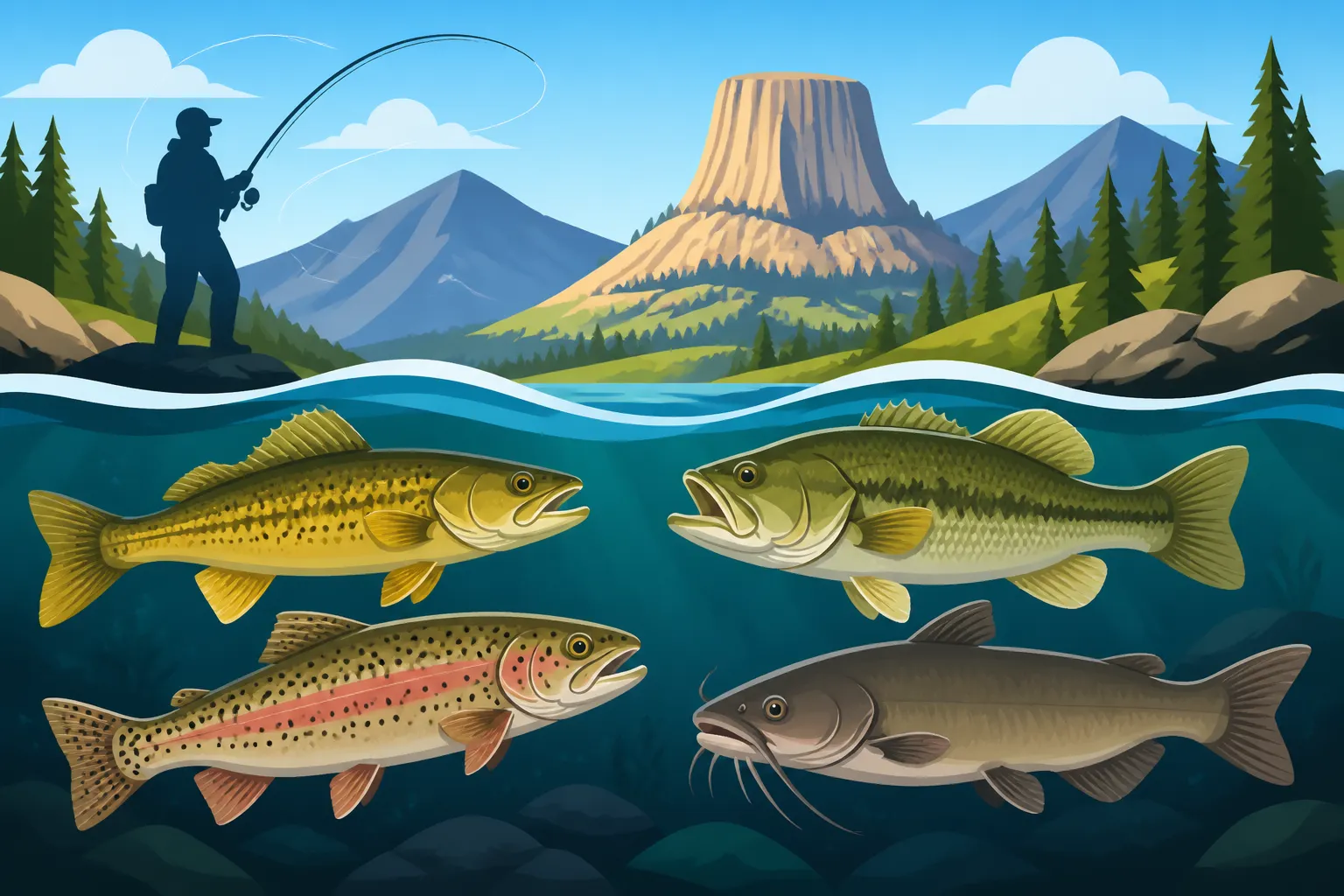
The walleye, with its distinctive glassy eyes and sharp teeth, is perhaps the most sought-after warmwater species in Wyoming. Anglers covet walleye for their challenging fight and, perhaps even more so, for their reputation as one of the best-eating freshwater fish. They are true predators, often schooling in deeper, cooler parts of large reservoirs, lurking near structure like submerged points, humps, or old river channels. They are particularly active during low-light conditions, such as dawn, dusk, or even night, as their large eyes are perfectly adapted for seeing in dim light. Walleye Fishing in Wyoming is a popular pursuit here, and for good reason!
Catching walleye often requires a blend of patience and specific techniques. They're not always aggressive biters, sometimes just "tapping" a lure before committing. Jigging with soft plastics or blade baits, trolling with crankbaits or spinner rigs, and bottom bouncing with live bait (like nightcrawlers or minnows) are all effective methods. Understanding their seasonal movements – from shallower spawning grounds in spring to deeper summer haunts – is key to consistent success. Reservoirs like Boysen, Glendo, and Keyhole are legendary for their walleye populations, offering anglers a chance at both quantity and quality.
Smallmouth Bass: Feisty Fighters
If you're looking for a fish that hits hard and fights even harder, the smallmouth bass is your ticket. Known for their powerful runs and acrobatic jumps, these bronze beauties are a blast to catch. Unlike their largemouth cousins, smallmouth prefer cooler, clearer waters, often found around rocky structures, gravel beds, and ledges in reservoirs and larger rivers. They are aggressive feeders, preying on crayfish, baitfish, and insects, and are usually quite willing to chase a variety of lures. Smallmouth Bass in Wyoming Reservoirs are an increasingly popular target, providing fantastic action.
Spinning and baitcasting gear are both effective for smallmouth. Lures like crankbaits, spinnerbaits, tube jigs, and topwater lures can all produce exhilarating strikes. Fly anglers also enjoy targeting smallmouth with poppers and streamers, especially during the warmer months. These fish are incredibly responsive to changes in weather and water conditions, and finding a school actively feeding can lead to non-stop action. Flaming Gorge Reservoir, Alcova Reservoir, and parts of the Bighorn River offer some of the best smallmouth opportunities in the state.
Crappie and Perch: Panfish Pleasures
Sometimes, you just want to catch a lot of fish, and that's where crappie and perch shine. These panfish are abundant, relatively easy to catch, and absolutely delicious, making them perfect targets for family outings or when you just want a relaxing day on the water. Crappie, both black and white varieties, are known for their schooling behavior and their preference for submerged timber, brush piles, or weed beds. They have paper-thin mouths, so a gentle touch is often required when setting the hook. Are Perch Common in Wyoming Reservoirs? Yes, they are!
Perch, with their distinctive striped patterns, are also prolific schoolers, often found over soft bottoms near weed lines or structure. They are voracious eaters and can quickly fill a cooler. Both species respond well to small jigs, grubs, and live bait like minnows or worms. For crappie, a slip bobber rig suspended over submerged structure is a classic setup. For perch, fishing on the bottom or just above it with a small jig tipped with a piece of worm can be deadly. Reservoirs like Keyhole, Boysen, and Glendo often hold impressive populations of these tasty panfish. Check out Best Bait for Yellow Perch in Wyoming for more tips!
Channel Catfish and Ling (Burbot): Bottom Dwellers with Bite
Don't let their bottom-dwelling habits fool you—channel catfish and ling, also known as burbot, offer unique and often thrilling fishing experiences. Channel catfish are strong, determined fighters that can grow to impressive sizes, especially in Wyoming's larger rivers and reservoirs. They are opportunistic feeders, relying heavily on their keen sense of smell, making bait fishing the most effective method. Stink baits, cut bait, worms, and even hot dogs or shrimp can entice a bite. They often frequent deeper holes, current breaks, and areas with submerged structure.
Ling, or burbot, are a fascinating and somewhat mysterious species. Sometimes called "freshwater cod," they are a cold-tolerant warmwater fish, meaning they do best in cooler reservoirs, often feeding actively during the colder months, even through the ice. They are primarily nocturnal and have a distinctive long, eel-like body and a single chin barbel. Ling (Burbot) Fishing in Wyoming is a growing sport, especially in the winter. Like catfish, they are bottom feeders, and cut bait or sucker meat fished near the bottom in deep water is typically the most effective presentation. Both species are excellent table fare, though their appearance might not always suggest it!
Effective Techniques for Warmwater Success
Successfully targeting warmwater species in Wyoming requires adapting your approach to their unique behaviors and habitats. Unlike the often sight-fishing or delicate presentations required for trout, warmwater fishing often involves more aggressive tactics, covering water, and utilizing scents or vibrations to attract bites.
Lure Selection and Presentation
Warmwater fish respond incredibly well to lures that mimic their natural prey or trigger their predatory instincts. For walleye and smallmouth bass, this means having a good selection of crankbaits, spinnerbaits, jigs, and soft plastics. Crankbaits, which dive to various depths and have a specific wobble, are excellent for covering open water or targeting specific depths when trolling or casting. You can find a vast array of options for various depths and actions on trusted online retailers like Amazon, making it easy to experiment.
Jigs, especially those tipped with soft plastics like grubs, tubes, or paddle tails, are incredibly versatile. They can be cast and retrieved, vertically jigged over structure, or slowly dragged along the bottom. The key is to match the jig weight to the depth and current and to impart a natural, lifelike action. Spinnerbaits are fantastic for covering shallow, weedy areas, as their flash and vibration call fish from a distance. The presentation is as important as the lure itself: experiment with retrieve speeds, pauses, twitches, and varying depths until you find what triggers a bite on that particular day.
Bait Fishing Strategies
Sometimes, nothing beats the natural appeal of live or cut bait, especially for species like walleye, catfish, and panfish. For walleye, live minnows or nightcrawlers fished on a bottom bouncer or slip bobber rig can be irresistible, particularly when fish are finicky. The key is to keep the bait fresh and lively, presenting it naturally near known fish-holding structure.
For channel catfish, a strong scent is often the most important factor. Prepared "stink baits," cut baits like shad or suckers, or even unconventional options like chicken livers or shrimp, are extremely effective. These baits are typically fished on a heavy bottom rig with a circle hook, allowing the fish to swallow the bait without requiring a sharp hookset. Panfish, like crappie and perch, love small minnows, waxworms, or pieces of nightcrawler fished under a bobber or on a small jig. The simplicity of bait fishing makes it a fantastic option for beginners and a reliable fallback when artificial lures aren't producing.
Reading the Water and Locating Fish
Understanding where warmwater fish typically hold is paramount to success. Unlike trout, which often have predictable lies in a stream, warmwater species in large reservoirs often relate to more subtle underwater features. Learning to "read the water" means looking for clues both above and below the surface. Submerged points, humps, ledges, old creek channels, and areas with standing timber or brush piles are classic holding spots for walleye, bass, and crappie. Observing bird activity (diving birds often indicate baitfish), looking for schools of baitfish on a fish finder, or noting changes in water depth and bottom composition can all help narrow down productive areas.
Understanding the seasonal movements of fish is also critical. In spring, many species will move to shallower areas for spawning, making them more accessible. In summer, they often retreat to deeper, cooler water, relating to thermal stratification or deep structure. Fall can bring aggressive feeding frenzies as fish prepare for winter. Pay attention to water temperature, weather patterns, and the general topography of the reservoir or river to develop a mental map of where fish are likely to be. What Happens to Fishing During a Low-Water Year can also impact where fish concentrate, so staying informed is key.
Top Warmwater Fishing Destinations
Wyoming's warmwater fishing landscape is primarily defined by its large, man-made reservoirs. These impoundments, often vast and sometimes dramatically fluctuating in water levels, create unique and challenging opportunities for anglers targeting bass, walleye, catfish, and various panfish.
Reservoirs and Lakes: Wyoming's Warmwater Hotspots
Wyoming boasts several premier warmwater reservoirs that are famous for their populations of game fish. These aren't just big puddles; they are complex ecosystems that provide incredible habitat.
-
Boysen Reservoir: Located in central Wyoming, Boysen is a massive body of water known for its exceptional walleye fishing. Anglers regularly pull out limits of respectable walleye, with trophy-sized fish always a possibility. Beyond walleye, Boysen also holds strong populations of crappie, perch, and even some sauger. Its varied structure, from rocky points to vast flats, provides diverse habitat. Boysen Reservoir's Best Walleye Water is often around the river channel or submerged humps. You'll also find some good channel catfish here, especially in the shallower bays and the Wind River arm. Jigging for Walleye at Boysen Reservoir is a classic technique here, but trolling crankbaits is also very popular.
-
Glendo Reservoir: In southeastern Wyoming, Glendo is another walleye powerhouse, famous for its aggressive fish and consistent action. It also offers excellent crappie and channel catfish fishing, making it a versatile destination. The reservoir features numerous submerged islands, points, and old timber that serve as prime fish habitat. Its accessibility and consistent productivity draw anglers from all over. Don't overlook the bass in Glendo either; they can provide some exciting action near rocky shorelines.
-
Keyhole Reservoir: Tucked away in northeastern Wyoming near the Black Hills, Keyhole Reservoir is a warmwater gem. It's particularly renowned for its plentiful crappie and perch, offering fast action that's perfect for families and beginners. Walleye populations are also strong, and the reservoir holds a healthy number of channel catfish. Keyhole's structure, including submerged trees and old river channels, creates ideal holding areas for these species. Best Fishing Spots Near Sheridan, Wyoming might include Keyhole, especially for its panfish.
-
Flaming Gorge Reservoir: While often celebrated for its enormous lake trout and kokanee salmon, Flaming Gorge (shared with Utah) also harbors incredible smallmouth bass fishing, especially in its shallower, rocky arms and bays. The smallmouth here are hard-fighting and abundant, making for an exciting trip. Though not strictly a "warmwater only" spot, the smallmouth thrive in its extensive rocky habitats. You can learn more about What Fish Live in Flaming Gorge to truly appreciate its diversity.
These reservoirs are often windy, so be prepared for various conditions, but the rewards are often well worth it.
Rivers and Ponds: Lesser-Known Opportunities
While reservoirs steal the show, don't overlook Wyoming's rivers and smaller ponds for warmwater species. Many stretches of the larger rivers, particularly at lower elevations, can hold surprising populations of channel catfish, particularly the North Platte, Big Horn, and Powder Rivers. These riverine cats often relate to deep holes, log jams, and slower current breaks, offering a different kind of challenge.
Smaller, local ponds, often managed by the Wyoming Game and Fish Department for community fishing programs, can also provide excellent warmwater opportunities, especially for panfish like bluegill, perch, and crappie. These ponds are fantastic places to introduce kids to fishing or to enjoy a quiet afternoon. While not as famous as the large reservoirs, these smaller waters can be incredibly productive and offer a more intimate fishing experience. Many towns, like Casper or Cheyenne, have designated community ponds that offer easy access and good fishing. You might even find some smaller bass in these urban fisheries.
Gear Essentials for the Warmwater Angler
Stepping into the world of warmwater fishing means embracing a different set of tools compared to delicate fly rods for trout. While you can certainly get by with general-purpose gear, having the right setup tailored to the specific warmwater species and techniques can significantly increase your success and enjoyment on the water.
Rods, Reels, and Line Choices
For warmwater fishing in Wyoming, versatility is key. You'll want a rod and reel combination that can handle powerful fish like walleye and bass, yet still offer enough sensitivity to detect subtle bites from panfish or finicky walleye.
-
Rods: A good all-around spinning rod in the 6'6" to 7'0" range with a medium-light to medium power and a fast action is an excellent starting point. This setup provides enough backbone to fight larger fish, yet the fast action tip offers the sensitivity needed for jigging or detecting light bites. For heavier presentations, like throwing larger crankbaits for big walleye or targeting chunky smallmouth in heavy cover, a medium-heavy rod might be beneficial. Many reputable brands offer fantastic rods in various price points that you can easily find on Amazon.
-
Reels: Pair your rod with a reliable spinning reel in the 2500-3000 size range. This size offers a good balance of line capacity, drag power, and retrieve speed for most warmwater applications. A smooth drag system is critical, especially when fighting a strong walleye or a jumping smallmouth. Ensure the reel balances well with your chosen rod to minimize fatigue during a long day of casting.
-
Line: For most warmwater fishing, a good quality monofilament or fluorocarbon line in 8-12 lb test is a solid choice. Monofilament is forgiving, offers good knot strength, and is relatively inexpensive. Fluorocarbon is nearly invisible underwater and has less stretch, providing better sensitivity, which is a huge advantage for detecting subtle bites. Many anglers also use braided line (15-30 lb test) for its incredible strength, castability, and zero stretch, often tying a fluorocarbon leader to the end for invisibility. Your choice will depend on the clarity of the water and the specific technique you're employing.
Tackle Box Must-Haves
A well-stocked tackle box for warmwater fishing will look quite different from one designed for trout. You'll need an assortment of lures, baits, and terminal tackle to cover various situations.
- Jigs and Soft Plastics: These are arguably the most versatile warmwater lures. Carry a variety of jig head weights (1/8 oz to 1/2 oz) and colors (chartreuse, white, black, pumpkinseed). Pair these with an assortment of soft plastics: curly-tail grubs, paddle-tail swimbaits, tube jigs, and stick baits. These can imitate baitfish, crayfish, or other aquatic critters, making them irresistible.
- Crankbaits: Have a selection of crankbaits that dive to different depths (shallow, medium, deep) and in various colors (natural baitfish patterns, firetiger, chrome/blue). These are excellent for covering water and often trigger aggressive strikes.
- Spinnerbaits and Chatterbaits: Great for covering shallower water, especially near weeds or submerged timber. Their flash and vibration are highly effective at attracting fish.
- Terminal Tackle: Essential items include a variety of hooks (Aberdeen, Octopus, Kahle, treble hooks), sinkers (bullet, split shot, bell), swivels, and a selection of bobbers (slip bobbers are crucial for deeper presentations). Don't forget pliers, line clippers, a measuring tape, and a scale if you plan to track your catches.
- Live/Cut Bait: If you plan on bait fishing, you'll need a container for live worms or minnows, or a cooler for cut bait. Always check local regulations on bait use.
Having these essentials means you'll be prepared for most warmwater scenarios, whether you're targeting Wyoming's Most-Caught Game Fish or seeking out a specific trophy.
Conservation and Future of Warmwater Fishing in Wyoming
While much attention is given to Wyoming's iconic trout fisheries, the conservation and management of its warmwater resources are equally vital. The Wyoming Game and Fish Department (WGFD) works tirelessly to ensure these fisheries remain healthy and productive for future generations of anglers, facing unique challenges specific to warmwater ecosystems.
Managing Introductions and Native Species
Many of Wyoming's most popular warmwater species, such as walleye, smallmouth bass, and crappie, are not native to the state. They were introduced, often decades ago, to fill ecological niches in man-made reservoirs where native coldwater species struggled to survive. The WGFD carefully manages these introduced populations through stocking programs, regulations, and habitat enhancement efforts to maintain healthy fish populations and provide robust angling opportunities. This includes Wyoming's Stocked Rainbow Trout Program in certain reservoirs, though rainbow trout are considered coldwater.
However, the introduction of non-native species always carries a delicate balance. Managers must ensure that these species do not negatively impact native fish populations, especially those in river systems connected to warmwater impoundments. For example, careful consideration is given to preventing species like walleye from establishing populations in prime trout waters, where they could prey on native cutthroat. This requires ongoing monitoring and adaptive management strategies.
Responsible Angling Practices
As warmwater anglers, our actions play a crucial role in the health and sustainability of these fisheries. Practicing responsible angling ensures that these unique resources remain vibrant.
- Know and Follow Regulations: Always check the current Wyoming Fishing Regulations Every Angler Should Know for specific water bodies. Bag limits, possession limits, size restrictions, and bait restrictions can vary significantly between reservoirs and species. These rules are in place to manage fish populations and prevent overharvest.
- Practice Catch and Release Appropriately: While many warmwater species are excellent table fare, consider practicing selective harvest. Keep smaller, abundant panfish or slot-sized walleye for dinner, but release larger, older breeding fish to help sustain the population. If a fish is legal to keep and you intend to eat it, kill it quickly and dispatch it humanely.
- Prevent the Spread of Aquatic Invasive Species (AIS): This is paramount for all Wyoming waters. Invasive species like zebra mussels or whirling disease can devastate fisheries. Always clean, drain, and dry your boat, waders, and gear after every fishing trip. Get your boat inspected if you're moving between waters, especially when crossing state lines.
- Respect Private Property and Public Access: Many of Wyoming's reservoirs and rivers are surrounded by private land. Always be aware of property lines and access points. Secure gates, pack out all trash, and leave no trace to ensure continued access for everyone.
By understanding the distinct challenges and embracing responsible practices, warmwater anglers can continue to enjoy the incredible diversity that Wyoming's fisheries have to offer, ensuring that these valuable resources thrive for years to come.
Disclaimer
This article is for general informational purposes only and does not constitute professional advice. Laws, prices and regulations vary by location and change over time. Consult a qualified professional for guidance on your specific situation.