Ice Fishing Gear Checklist for Wyoming Lakes
Stepping out onto a vast expanse of frozen water in Wyoming, the crisp air biting at your cheeks, there's a unique thrill to ice fishing. But let's be honest, the thought of gearing up for such an adventure can feel daunting. There’s so much specialized equipment, so many safety considerations, and the sheer thought of staying warm enough in sub-zero temperatures can make even seasoned anglers hesitate. This guide is here to break down exactly what you need in your ice fishing arsenal for Wyoming lakes, ensuring you're safe, comfortable, and ready to reel in some fish.
The Absolute Essentials: What You Can't Ice Fish Without
Before you even think about drilling a hole, there are some non-negotiable items that absolutely must be part of your ice fishing trip. These aren't just about catching fish; they're about staying safe and legal on Wyoming's frozen landscapes.
Valid Fishing License and Conservation Stamp
First and foremost, the law. You cannot, under any circumstances, ice fish in Wyoming without a valid Wyoming fishing license. This isn't just a suggestion; it's a legal requirement that carries penalties if ignored. For non-residents, there are various options from daily to annual licenses, but make sure you have the right one for your trip length. Residents also need their annual license.
Beyond the license itself, most anglers 14 years and older also need a Wyoming Conservation Stamp. This stamp is vital for funding wildlife management and conservation efforts across the state. It's an additional purchase, usually just under $13, but it's a small price to pay for the incredible fishing opportunities Wyoming offers. While you might be able to get by without it for some very specific short-term licenses, it’s generally safer and simpler to just grab one. You can typically purchase both your license and conservation stamp online through the Wyoming Game and Fish Department website, or at authorized vendors like many sporting goods stores and even some local gas stations. Always double-check the current Wyoming Fishing Regulations Every Angler Should Know to ensure you're compliant. Knowing Who Needs Wyoming's Conservation Stamp can save you a headache later on.
Proper Cold-Weather Apparel and Layering
Wyoming winters are no joke. Temperatures can plummet, and the wind chill on an open lake can feel like an arctic blast. Proper attire isn't just about comfort; it's about survival and preventing hypothermia or frostbite. You simply cannot head out onto the ice in your everyday jeans and a light jacket. Think layers, and think warmth from head to toe.
Start with a good set of base layers, ideally made from merino wool or synthetic materials that wick moisture away from your skin. Cotton is your enemy here because it holds moisture and loses its insulating properties when wet. Next, a mid-layer for insulation – a fleece jacket or a down vest works wonders. Your outer layers are critical: a waterproof and windproof jacket and insulated bibs or pants are essential. Look for options specifically designed for ice fishing, as they often have extra insulation, reinforced knees, and pockets for gear. Don't forget your extremities: a warm, insulated hat that covers your ears, a neck gaiter, and waterproof, insulated gloves or mittens are vital. And for your feet, invest in high-quality, insulated winter boots (rated for extreme cold) with thick wool socks. Many experienced anglers swear by brands like Muck Boots or Baffin for their warmth and durability on the ice. Seriously, you can find a great selection of robust cold-weather gear, including bibs and jackets, on Amazon if local stores are sparse. When you plan your trip, consider checking out What to Wear Ice Fishing in Wyoming for a more detailed breakdown.
Ice Safety Gear
This is perhaps the most critical section for anyone venturing onto frozen water. Ice fishing is inherently risky if you don't take precautions. The most important rule? Never assume the ice is safe. Thickness can vary dramatically even on the same body of water, and currents, springs, or recent weather changes can create dangerous thin spots.
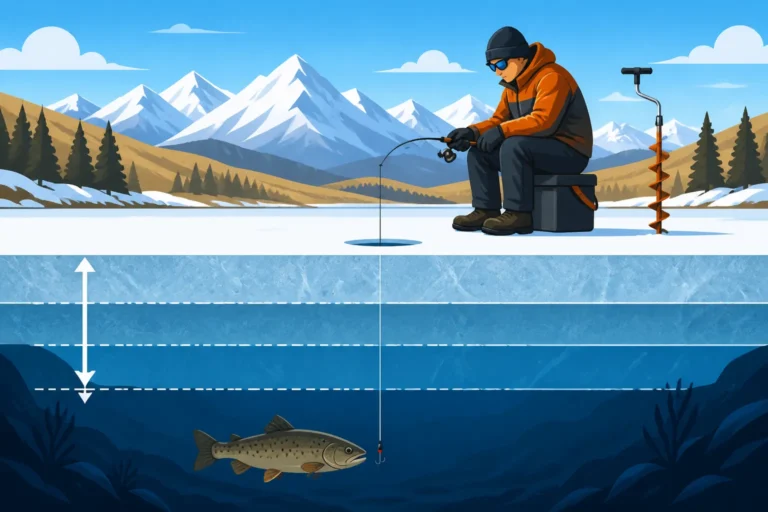
Your ice safety kit should include a spud bar (or heavy chisel) to test ice thickness as you walk, especially when first venturing out or moving to a new area. Ice picks, worn around your neck, are non-negotiable; if you fall through, these can give you the grip needed to pull yourself out. A length of rope, at least 50 feet, for throwing to someone in distress is also smart. Many seasoned ice anglers also choose to wear a flotation suit or vest, which provides both warmth and buoyancy in an emergency. Always, always let someone know where you're going and when you expect to return. Never fish alone if possible, and adhere to recommended ice thickness guidelines. Generally, 4 inches of clear, solid ice is considered minimum for walking, but 6-8 inches is much safer for a small group, and 10-12 inches for snowmobiles or ATVs. Remember, "new" ice is stronger than "old" ice, and snow cover can actually insulate the ice, preventing it from thickening further.
The Core Fishing Setup: Rods, Reels, and Line for Ice
Once you’re legally licensed and safely dressed, it’s time to talk about the tools that actually catch fish. Ice fishing gear is specialized for a reason, designed to handle the unique challenges of fishing through a small hole in the ice.
Specialized Ice Rods and Reels
Forget your summer spinning or fly rods; ice fishing demands its own dedicated tackle. Ice rods are typically much shorter, ranging from 24 to 36 inches, though some longer options exist for specific techniques or species. This shorter length helps with maneuverability around the ice hole and provides better sensitivity for detecting subtle bites, which are common in cold water. They usually have a fast or extra-fast action to quickly set the hook, as fish often just "mouth" the bait.
When it comes to reels, ultra-light spinning reels are popular for many species, especially panfish and smaller trout. They’re compact and handle light line well. However, for targeting larger fish like lake trout or walleye, or for simplifying line twist issues, inline reels are gaining popularity. Brands like Eagle Claw and Fenwick make excellent, affordable ice rods, while reels from Shimano, Pflueger, or even specific ice fishing brands like 13 Fishing offer reliable performance. The key is balance – you want a rod and reel combo that feels comfortable and allows you to feel those delicate bites.
Lines and Lures for Wyoming Species
Choosing the right line is crucial for ice fishing. In cold temperatures, line can become stiff and develop memory, leading to tangles and frustrating kinks. Fluorocarbon line is a favorite among many ice anglers because of its low visibility underwater and its incredible sensitivity, allowing you to feel even the slightest tap. It also doesn't absorb water, so it won't freeze as easily. Monofilament can work too, especially newer "ice lines" designed to stay supple in the cold, but it’s generally more visible and less sensitive. Braided line is excellent for sensitivity and strength, but it needs a fluorocarbon leader because it's highly visible and can absorb water, freezing up in your guides.
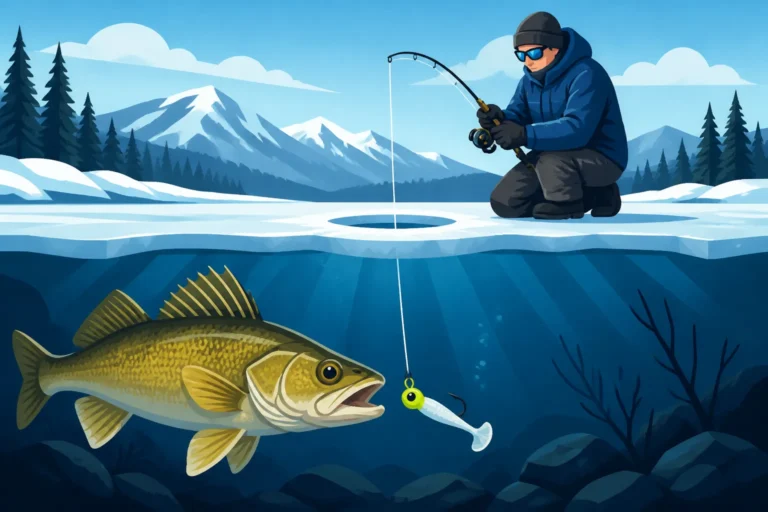
Lures for ice fishing are typically small but highly effective. Jigs, in various shapes and sizes (like teardrops, small tungsten jigs, or horizontal jigs), tipped with a live minnow, waxworm, or artificial plastic, are staples. Spoons, which flutter and flash, are excellent for attracting active fish, especially trout and walleye. For species like ling (burbot), a glow-in-the-dark jig or spoon tipped with a piece of cut bait can be incredibly effective during twilight or night fishing. Make sure to match your lure size to the species you're targeting and the depth you're fishing. Smaller baits are usually better in cold water when fish metabolize slowly and are less aggressive.
Tip-Ups and Rigs for Passive Fishing
While jigging actively with a rod is a lot of fun, tip-ups offer a fantastic way to cover more water and increase your chances, especially for larger, cruising fish like lake trout or northern pike. A tip-up is a device that suspends your bait at a set depth below the ice, and when a fish bites, it trips a flag, signaling a strike. You can typically run multiple tip-ups, depending on Wyoming’s specific regulations for the number of lines allowed per angler.
Setting up a tip-up usually involves a heavy-duty spool that holds several feet of braided or Dacron line, a leader of fluorocarbon, and a hook (often a treble hook for larger baitfish or a single circle hook). You'll usually bait it with a live or dead minnow, or a large piece of cut bait, often suspended off the bottom. The beauty of tip-ups is their passive nature; you can jig with a rod in one hole while keeping an eye on your other lines. This is particularly effective when targeting species that might be less active or spread out, or when fishing deeper water where active jigging might not be as efficient. Having a few quality tip-ups, such as those made by Heritage Laker or Beaver Dam, can drastically improve your success rate on the ice.
Hole-Making & Shelter: Staying Productive and Comfortable
The ultimate goal of ice fishing is to get your line in the water, and to do that, you need a hole. Once you've got your hole, staying comfortable while you wait for a bite is key to enjoying the experience.
Ice Augers: Manual vs. Power
Drilling through several inches, or even feet, of solid ice requires a specialized tool: an ice auger. The choice between manual and power augers depends on several factors: the thickness of the ice you expect to encounter, the number of holes you plan to drill, and your budget.
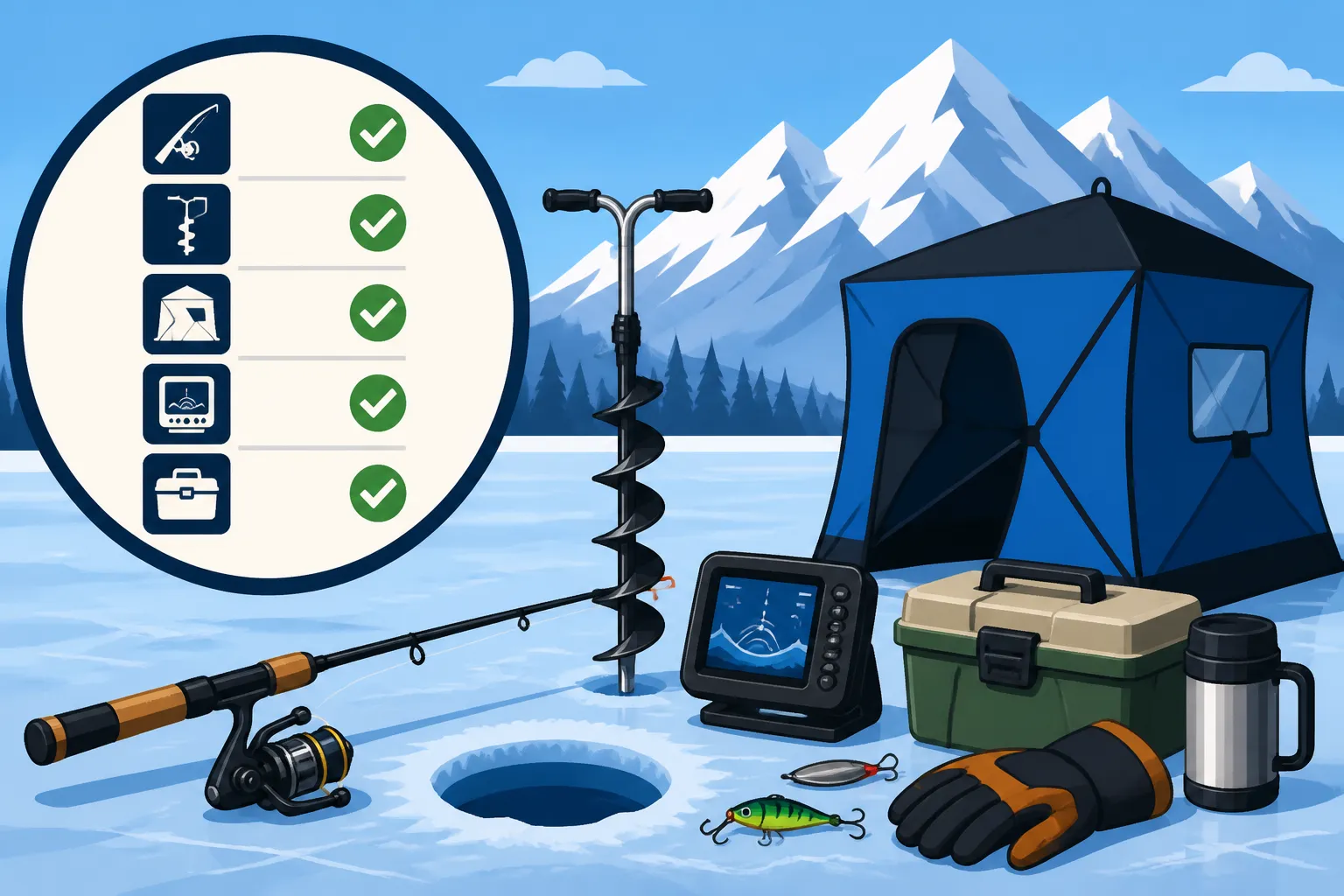
- Manual Hand Augers: These are the most basic and affordable option. They're great for early season ice (up to 12-18 inches) and for those who only drill a few holes or prefer to stay mobile. They require physical effort, but they're lightweight, quiet, and reliable. Good brands include Mora and Fin-Bore. They’re also perfect for getting to those hard-to-reach backcountry lakes that require a hike, which you can read more about in How to Fish Wyoming's High-Alpine Lakes.
- Propane Augers: These offer a significant upgrade in power and convenience. They're typically quieter and cleaner than gas augers, and propane canisters are easy to carry and swap out. They handle thicker ice with ease and are a good middle-ground for anglers who want power without the fumes or maintenance of gasoline. Jiffy and Eskimo make popular propane models.
- Electric Augers: The modern choice. Powered by rechargeable lithium-ion batteries, electric augers are incredibly quiet, fast, and environmentally friendly (no fumes!). They're perfect for punching many holes quickly and quietly, which can be a huge advantage when fish are spooky. The only downside is battery life, which can be affected by extreme cold, so carrying a spare battery is often recommended. StrikeMaster and Ion are leading brands in the electric auger market. Many anglers find these on Amazon, often bundled with extra batteries. For truly thick, late-season ice or if you're drilling many holes, a power auger is indispensable.
Ice Fishing Shelters and Shacks
While some hardy souls brave the elements in the open, an ice fishing shelter can transform your experience from a survival test to a comfortable outing. Shelters protect you from wind, snow, and bitter cold, allowing you to focus on fishing rather than shivering. They also create a darker environment, which can make it easier to see your flasher or even sight-fish in clear water.
- Flip-Over Shelters: These are often attached to a sled, making them incredibly portable. You simply flip them over your holes and you're instantly protected. They're quick to set up and tear down, and the sled acts as a convenient way to transport your gear. Brands like Clam and Eskimo are well-known for their durable flip-over models.
- Hub-Style Shelters: These pop-up like a camping tent, offering a larger, more spacious interior. They're great for groups or for anglers who want more room to spread out their gear. While a bit slower to set up than a flip-over, they offer excellent protection and can be incredibly warm, especially when combined with a portable heater. Again, Clam and Eskimo are popular choices here.
- Permanent Shanties: Less common in Wyoming due to public land regulations and portability needs, but you might see these on some private lakes. These are solid structures, often built on skis, designed for long-term comfort and serious multi-day trips. For most casual anglers, a portable shelter is the way to go.
Heaters and Portable Power
To truly enjoy the comfort of a shelter, you’ll want a portable heater. Propane heaters are the most common, ranging from small "buddy heaters" to larger models designed to warm a spacious hub shelter. Always use propane heaters with proper ventilation to prevent carbon monoxide buildup; many shelters have vents specifically for this purpose. Catalytic heaters are another option, offering flameless heat, which can be safer, though often less powerful.
Beyond heat, modern ice fishing increasingly relies on electronics. A reliable portable power source is essential for charging your phone, running lights, or powering certain fish finders. Lithium power stations or even simple power banks can keep your gadgets running all day. For longer trips, a small generator might be considered, but remember the noise and fumes. Many anglers swear by the Mr. Heater brand for warmth, often picked up affordably on Amazon.
Essential Electronics and Gadgets for Success
In today's ice fishing world, electronics aren't just luxuries; they're indispensable tools that can dramatically improve your success rate and overall enjoyment. They help you understand what's beneath the ice and how fish are reacting to your presentation.
Fish Finders and Flashers
These devices are arguably the most game-changing piece of modern ice fishing gear. A fish finder, or more specifically, an ice flasher, uses sonar to show you what's directly beneath your hole in real-time. You'll see the bottom contour, any suspended fish, and even your bait moving up and down. This instant feedback allows you to adjust your depth, jigging action, and lure choice to precisely target fish.
- Flashers: Traditional ice fishing flashers, like those from Vexilar or Marcum, display sonar returns on a circular, multi-colored dial. They provide immediate, raw sonar data, perfect for active jigging and understanding fish behavior. They're rugged, reliable, and excellent for seeing how fish react to your presentation.
- LCD Fish Finders: Many open-water fish finders now have ice fishing modes. These offer a more graphic display, often showing historical sonar data, GPS mapping, and even side-imaging (though side-imaging is less useful for a single hole). Brands like Humminbird (with their ICE Helix series) and Garmin offer excellent LCD options. These can sometimes feel more intuitive for beginners. Understanding how these tools work is crucial, as is matching your presentation to what the fish are doing.
GPS and Mapping Devices
On vast, featureless frozen lakes, it's incredibly easy to get disoriented, especially in whiteout conditions or when snow covers landmarks. A GPS device is essential for navigation and safety. It allows you to mark your preferred fishing spots (waypoints), navigate back to shore safely, and explore new areas confidently.
Many modern fish finders have built-in GPS and mapping capabilities, allowing you to upload lake maps and find structure like drop-offs, humps, and points that attract fish. Without visible landmarks, knowing precisely where that underwater ridge is can be the difference between catching fish and drilling holes in barren water. Even a simple handheld GPS unit or a smartphone with a reliable mapping app (like onX Hunt or Basemaps) can be a lifesaver. This is especially true on large reservoirs like Flaming Gorge or Boysen, where finding precise structure is key to success.
Underwater Cameras
For those who love to truly see what's happening beneath the ice, an underwater camera is a fascinating addition to your kit. These cameras, such as those made by Aqua-Vu or MarCum, typically feature a small, waterproof camera head on a long cable, connected to a monitor. You can drop the camera down your hole (or a separate viewing hole) and watch fish swim by, observe how they react to your bait, and even identify species without having to catch them.
Underwater cameras are invaluable for understanding fish behavior, confirming what species are present, and even identifying snaggy bottom structure. They’re particularly popular for sight-fishing in clear water for panfish or trout, adding an entirely new dimension to the ice fishing experience. While not strictly essential for catching fish, they provide an educational and entertaining element that many anglers find incredibly rewarding.
Comfort, Safety, and Miscellaneous Gear
Beyond the core fishing and safety essentials, a few other items will significantly enhance your comfort, safety, and overall enjoyment on the ice. These are the details that turn a good trip into a great one.
Seating and Sleds
You'll be spending a lot of time sitting over a hole, so a comfortable seat is paramount. Don't underestimate the back and leg strain from crouching or sitting on an uncomfortable surface for hours.
- Buckets: The classic and simplest option. A sturdy 5-gallon bucket serves as both a seat and a convenient way to carry your gear. Many dedicated ice fishing buckets come with insulated seats or even internal organizers.
- Chairs: From simple folding chairs to specialized ice fishing chairs with backrests and padded seats, these offer more comfort than a bucket. Look for chairs that are compact and lightweight for easy transport.
- Sleds: For transporting all your gear across the ice, especially if you have a portable shelter, a durable plastic utility sled is invaluable. You can load it with your auger, shelter, heater, and all your fishing tackle, then pull it easily by hand or behind an ATV/snowmobile. Brands like Shappell and Otter make excellent, rugged sleds designed for the rigors of ice fishing. These sleds are a lifesaver for getting your gear to those Best Ice Fishing Lakes in Wyoming.
Lighting, First Aid, and Emergency Supplies
Even if you plan to fish only during the day, conditions can change rapidly, and you might find yourself out on the ice longer than expected. Adequate lighting and emergency supplies are crucial.
- Headlamps and Lanterns: A powerful headlamp is essential for early morning setups, late evening tear-downs, and any night fishing you might undertake (especially when targeting nocturnal species like ling). A portable LED lantern can provide ambient light inside your shelter, making it easier to see your tackle and socialize.
- First Aid Kit: A basic first aid kit with bandages, antiseptic wipes, pain relievers, and any personal medications is a must. Minor cuts from hooks or slips on the ice are common.
- Emergency Supplies: Beyond first aid, consider packing a fire starter, extra dry clothes (in a waterproof bag), a whistle, a fully charged cell phone (and a power bank), and maybe even a personal locator beacon (PLB) if venturing far off the beaten path. A multi-tool is also incredibly handy for various tasks. Remember, Wyoming winters can be unforgiving, and help might be a long way off. Always be prepared for the unexpected.
Food, Drink, and Waste Management
Ice fishing is an all-day affair, and staying fueled and hydrated is important for maintaining body temperature and focus. Pack plenty of snacks like energy bars, sandwiches, and thermos bottles filled with hot coffee, tea, or soup. Warm drinks are especially comforting and help combat the cold from the inside out.
Equally important is proper waste management. Pack it in, pack it out – everything, including fishing line, bait containers, and food wrappers. Leaving trash on the ice is not only disrespectful to other anglers and the environment, but it can also be harmful to wildlife. Consider a small, sealable bag for all your refuse. By leaving no trace, we ensure that Wyoming's pristine ice fishing spots remain beautiful and enjoyable for everyone for years to come.
Planning Your Wyoming Ice Fishing Adventure
Successfully ice fishing in Wyoming isn't just about having the right gear; it's also about smart planning and understanding the conditions.
Choosing the Right Lake for the Season
Wyoming offers a diverse range of ice fishing opportunities, from large reservoirs to smaller, high-mountain lakes. The best lake for you will depend on your target species and the time of year. Early season (typically November-December) often sees smaller, shallower lakes freeze first, offering good opportunities for panfish and trout. As winter progresses, larger bodies of water like Flaming Gorge Reservoir, Boysen Reservoir, Glendo Reservoir, and Seminoe Reservoir become accessible, offering chances at walleye, lake trout, and even kokanee salmon.
Remember that ice conditions vary greatly from lake to lake and even on different parts of the same lake. Always research local conditions. The Wyoming Game and Fish Department often provides updates, and local bait shops are an invaluable source of real-time information. Knowing When Ice Fishing Season Starts in Wyoming and When Ice Fishing Season Ends in Wyoming for different elevations and bodies of water is key to planning your trip. You can also explore What Fish You Can Catch Ice Fishing in Wyoming to help narrow down your lake choice.
Checking Conditions and Forecasts
Before you head out, meticulously check the weather forecast. Pay close attention to temperature, wind chill, and any expected precipitation. A bluebird day with light winds can be pleasant, but a sudden drop in temperature or an increase in wind can make conditions miserable and even dangerous.
Crucially, always verify ice conditions. Local bait shops, online forums dedicated to Wyoming fishing, and the Wyoming Game and Fish Department are your best resources. Do not rely solely on reports from previous days, as ice can change quickly. Always use a spud bar to test the ice as you go, and be aware of areas near inlets, outlets, and springs, which are notorious for thinner ice. Understanding How Thick Ice Needs to Be to Fish Safely is not just a guideline; it's a safety imperative.
Local Resources and Information
Don't underestimate the power of local knowledge. Stop by a local bait and tackle shop on your way to the lake. The folks working there often have the most up-to-date information on ice conditions, recent catches, and what baits are working. They can also tell you about any specific regulations or special considerations for the body of water you plan to fish.
The Wyoming Game and Fish Department website is another excellent resource, offering detailed Wyoming Fishing Regulations Every Angler Should Know, stocking reports, and information on fish species. Joining online fishing forums or Facebook groups for Wyoming anglers can also connect you with a community willing to share tips and current conditions. And if you're feeling overwhelmed, remember that Guided Ice Fishing Trips in Wyoming are available, often providing all the necessary gear and expertise for a safe and successful outing.
Disclaimer
The information provided in this guide is for general informational purposes only and is not intended as legal, safety, or professional advice. Ice fishing carries inherent risks, and conditions can change rapidly. Always exercise extreme caution, prioritize safety, and consult official Wyoming Game and Fish Department regulations and local authorities before venturing onto the ice. The author and publisher are not responsible for any actions taken based on the information in this guide.