Endangered and Protected Fish in Wyoming
It’s a truly frustrating feeling when you’re out on a beautiful Wyoming river or lake, eager to cast a line, but a nagging thought creeps into your mind: "Am I sure this fish is okay to catch? Are there any protected species here I need to be aware of?" We all want to be responsible anglers, but navigating the nuances of endangered and protected fish can feel like a labyrinth. This guide is here to untangle that confusion, offering a clear, empathetic look at the fish species in Wyoming that require our special care and protection.
Understanding Wyoming's Conservation Mandate
Wyoming is a state renowned for its wild beauty and incredible fisheries. From the pristine high-country lakes to the legendary trout rivers, angling is a deeply ingrained part of our heritage. However, with great privilege comes great responsibility. The health of these fisheries, and the diverse species within them, isn't something we can take for granted. Understanding the state's conservation mandate means recognizing that some fish populations are vulnerable and need a helping hand, whether due to habitat loss, invasive species, or historical overfishing. It's about ensuring that future generations can enjoy the same rich fishing experiences we do today.
The Role of Wyoming Game and Fish Department
The Wyoming Game and Fish Department (WGFD) is the primary guardian of our state's wildlife, including all fish species. They are the folks on the ground doing the hard work: conducting surveys, managing habitats, stocking fish, enforcing regulations, and monitoring populations. When it comes to protected species, WGFD plays a critical role in identifying at-risk fish, developing conservation strategies, and implementing rules to safeguard them. Their biologists are constantly studying the intricate ecosystems, trying to understand what makes certain species thrive and what factors are pushing others towards the brink. They publish annual regulation booklets, offer online resources, and even have staff available to answer questions. It's a huge undertaking, and their work directly impacts what fish we can catch, where we can catch them, and under what conditions. Wyoming Fishing Regulations Every Angler Should Know is a great resource to learn more about the specifics they put into practice.
Federal vs. State Protections
It can get a little confusing when you hear about fish being "protected." Is it a federal thing, or a state thing? The answer is often both, and the layers of protection can differ significantly. Federally listed endangered or threatened species fall under the Endangered Species Act, which offers stringent protections and recovery plans. These are species deemed to be in immediate peril across their entire range. On the state level, WGFD identifies species of "special concern" or "imperiled" status, which may not meet federal listing criteria but are still facing significant challenges within Wyoming's borders. Sometimes, a species might be federally protected, and WGFD simply aligns its state regulations to support that. Other times, Wyoming might identify a native species struggling here, even if it's doing okay elsewhere, and implement state-specific protections. For anglers, this means you need to be aware of both federal guidelines (especially if fishing in National Parks) and the specific rules outlined in the Reading the Wyoming Fishing Regulations Booklet from WGFD. It’s crucial because the actions required for an endangered federal species might be very different from those for a state-protected species of concern.
Wyoming's Truly Endangered Fish Species
When we talk about "endangered" fish, we're usually referring to species that are facing a very high risk of extinction in the wild. Wyoming, thankfully, has a relatively small number of federally listed endangered fish, a testament to some ongoing conservation efforts. However, these few are critical and require our utmost respect and caution. Encountering one of these species is rare, but knowing they exist, and how to identify them, is part of being a responsible angler in the Cowboy State.
The Kendall Warm Springs Dace
Perhaps the most unique and critically endangered fish in Wyoming is the Kendall Warm Springs dace. This tiny fish, often no more than an inch or two long, is a true ecological marvel. It lives only in the thermal waters of Kendall Warm Springs, a small, isolated spring system in western Wyoming. Its entire existence is tied to this incredibly specific, geothermally heated habitat. Because of its extremely limited range and specialized environment, any disturbance to the springs – whether from human activity, invasive species, or natural changes – poses an existential threat.
The Kendall Warm Springs dace is so rare and so localized that it's highly unlikely any angler would ever encounter it, let alone try to fish for it. Its habitat is strictly protected, and access is usually restricted. This species serves as a stark reminder of how fragile some ecosystems are and how quickly a unique lineage can be lost if we're not vigilant. Its protection highlights the importance of preserving even the smallest, most obscure corners of our natural world, as they often harbor incredible biodiversity we might not even realize.
Considerations for Other Critically Imperiled Species
While the Kendall Warm Springs dace is the poster child for "endangered" in Wyoming's fish world, the WGFD also monitors other species that are considered "imperiled" or "critically imperiled" at the state level. These might not have the full federal endangered species designation, but their populations are extremely low, or their habitats are severely degraded. These often include various subspecies of native cutthroat trout in specific, isolated drainages. For instance, while the Yellowstone cutthroat trout is generally doing better in some areas, certain populations or other cutthroat subspecies in specific river basins might be struggling.
The key takeaway for anglers here is to understand that conservation status isn't always black and white. A species might be healthy in one river system but struggling in another. It's why paying close attention to water-specific regulations in the WGFD booklet is so important. These lesser-known, critically imperiled species might not be explicitly named as "endangered" in big, bold letters, but the local rules — like mandatory catch-and-release, specific tackle restrictions, or even temporary closures — are put in place because those fish are under significant pressure. Our job as anglers is to respect those rules, even if we don't know the exact Latin name of every struggling fish species in that particular stretch of water.
Threatened and Special Concern Species in Wyoming
Beyond the critically endangered, Wyoming is home to a number of fish species classified as "threatened" or "special concern." These populations aren't necessarily teetering on the brink of extinction, but they face significant threats that could lead to more severe declines if not addressed. For anglers, these are the species you're more likely to encounter, and whose protection often influences common fishing regulations. Our actions, both on and off the water, can make a real difference for these fish.
The Bonner Springs Sucker
The Bonner Springs sucker, also known as the Wyoming sucker, is another interesting case of a native fish species that has faced significant challenges. This isn't your typical sport fish, but it's a vital part of the aquatic ecosystem. Historically found in various drainages, its populations have declined drastically due to habitat alteration, competition with non-native species, and degradation of water quality. It’s a species that plays an important role in the food web and the overall health of its native waters.
While you won't be targeting Bonner Springs suckers with your fly rod, it's possible to encounter them, particularly in some of the smaller, less-fished streams where they might still persist. Anglers are encouraged to simply release any fish they can't identify, especially if it's not a common sport fish. These less charismatic species often fall under the radar, but their decline signals broader environmental problems that can eventually affect the trout and other game fish we love to pursue. Knowing about species like the Bonner Springs sucker helps us appreciate the full spectrum of aquatic life in Wyoming and why all parts of the ecosystem are important.
Native Cutthroat Subspecies Under Watch
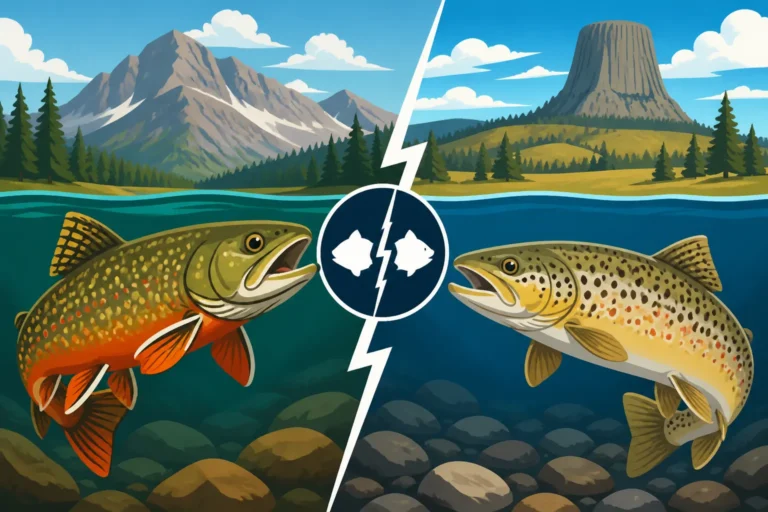
Wyoming is proudly home to four native subspecies of cutthroat trout: the Yellowstone, Snake River fine-spotted, Colorado River, and Bonneville cutthroat. These are truly iconic fish, treasured by anglers for their beauty, fight, and connection to Wyoming's wild landscapes. However, each of these subspecies has faced significant challenges, primarily from hybridization with introduced rainbow trout, competition with non-native brook trout, and habitat degradation. This is why you'll see a lot of focused conservation effort around them, and why some of the most stringent fishing regulations apply to cutthroat waters. Identifying a Yellowstone Cutthroat Trout is a key skill for any angler in the region.
Many native cutthroat populations are considered "species of concern" or "sensitive" by WGFD. This means that while they might not be federally "threatened," their numbers are carefully monitored, and specific rules are often in place to protect them. You'll find regulations like "cutthroat trout only, catch and release," or "artificial flies and lures only" on certain streams known to harbor pure strains of native cutthroat. The idea is to minimize stress on the fish, prevent accidental mortality, and avoid introducing diseases or invasive species. Anglers who go out of their way to fish for these native cutthroats often embrace the challenge and the conservation ethic, viewing it as a privilege rather than a burden. Learning about Snake River Fine-Spotted Cutthroat Trout can give you a greater appreciation for the diversity within the cutthroat family.
Whitefish and Other Sensitive Species
Beyond the headline-grabbing trout, other native fish in Wyoming are also considered sensitive. Take the mountain whitefish, for example. While not typically a targeted game fish for most anglers, it's an important native species that coexists with trout in many rivers and streams. In some areas, whitefish populations have declined due to habitat changes or water quality issues. While they are often legal to harvest within certain limits, knowing their role in the ecosystem and practicing careful handling and release for those not kept is a good habit.
Other sensitive species might include various native minnows or even some non-game suckers that are important forage fish or indicators of ecosystem health. The general rule of thumb, especially for anglers new to an area, is to handle all fish gently, minimize their time out of water, and quickly release anything you cannot positively identify as a legal game fish you intend to keep. This practice ensures that sensitive, often smaller, native species are not inadvertently harmed. The WGFD regulations booklet often contains sections describing these species and any specific precautions needed. If you're looking for more information on the different species that call Wyoming home, an excellent comprehensive field guide found on platforms like Amazon can be an invaluable resource.
Protected Status vs. Fishing Regulations
It's easy to assume that if a fish is "protected," you can't fish for it at all. While that's often true for federally endangered species, for many "species of concern" or "sensitive" populations, the protection comes in the form of highly specific fishing regulations. The goal isn't always to completely prohibit angling, but rather to manage it in a way that allows the population to recover or remain stable. This means understanding the difference between a blanket ban and rules designed to minimize impact.
Catch-and-Release Rules for Sensitive Species
One of the most common ways WGFD protects sensitive fish populations, especially native trout, is through mandatory catch-and-release regulations. This means you can still fish for them, enjoy the thrill of the catch, and practice your angling skills, but you must release the fish unharmed. These rules are often implemented in areas with genetically pure native cutthroat populations or in waters where overall fish numbers are low and need to rebound.
For catch-and-release to be truly effective, it requires proper technique and a strong conservation ethic from the angler. This means using appropriate gear, minimizing fighting time, keeping the fish in the water as much as possible, avoiding handling it by the gills or eyes, and using barbless hooks to ensure an easy release. Many popular rivers, particularly those known for their wild trout, will have these kinds of regulations. Catch-and-Release Rules on Wyoming Waters goes into much more detail on how to do this correctly. Always double-check the specific regulations for the water body you plan to fish, as these rules can vary dramatically from one stream section to the next.
Understanding Water-Specific Closures
Another powerful tool for protecting vulnerable fish is through water-specific closures. These closures can be seasonal, temporary, or sometimes even year-round for certain sections of a river or lake. Seasonal closures are often enacted to protect spawning fish, such as brown trout moving upstream in the fall, or to allow newly stocked fish to acclimate. For example, some high-alpine lakes might have very short fishing seasons to protect fragile populations that grow slowly in cold environments.
Temporary emergency closures can also happen if a fishery is under extreme stress, perhaps due to drought, low water levels, or disease outbreaks. These are usually announced by WGFD and are critical for allowing fish to survive challenging conditions. And in rare cases, a specific stretch of water, particularly one that harbors a critically imperiled species or a unique research population, might be closed to fishing indefinitely. It's imperative that anglers always check current regulations and any emergency closure notices before heading out. Information on closures is typically available on the WGFD website, and you can often find maps indicating regulated zones. You can find out more about these in Wyoming Fishing Seasons and Water-Specific Closures.
How Anglers Can Help Protect Wyoming's Fish
As anglers, we're not just users of the resource; we're also its most passionate stewards. We have a direct impact on the health of Wyoming's fisheries, both positive and negative. Understanding and actively participating in conservation efforts is perhaps the most important contribution we can make to ensure these waters remain vibrant for generations to come. It's about being proactive and adopting best practices, not just reacting to regulations.
Clean, Drain, Dry: Preventing Invasive Species
Perhaps one of the biggest threats to Wyoming's native and protected fish is the introduction and spread of aquatic invasive species (AIS). These unwanted hitchhikers, like zebra mussels, quagga mussels, and certain invasive fish or plants, can outcompete native species, destroy habitat, disrupt food webs, and even spread diseases. Once established, they are incredibly difficult, if not impossible, to eradicate.
This is where the "Clean, Drain, Dry" initiative comes in, and it's something every boater, wader, and angler needs to take seriously.
- Clean: Inspect all fishing gear, boats, trailers, waders, and equipment. Remove any visible mud, plants, or foreign organisms before leaving the access site.
- Drain: Pull drain plugs and drain all water from boats, livewells, bait buckets, and any other water-holding compartments.
- Dry: Allow all equipment to thoroughly dry for an extended period before using it in another water body. If drying isn't possible, especially for boats, decontamination at a WGFD inspection station is often required or highly recommended.
Failure to follow these steps can result in fines and, more importantly, can have devastating long-term impacts on our precious fisheries. You can often find compact, waterproof guides to AIS identification and prevention on Amazon, which can be helpful to keep with your gear. Understanding Invasive Fish Species Wyoming Anglers Should Report is critical for keeping our waters healthy.
Reporting Violations and Unusual Sightings
If you witness a fishing violation – someone keeping undersized fish, exceeding bag limits, fishing in a closed area, or using illegal bait – it's crucial to report it. Wyoming Game and Fish Department officers can't be everywhere at once, and they rely heavily on vigilant citizens to help enforce regulations. Taking down details like vehicle descriptions, license plates, time, location, and a description of the violation can be incredibly helpful. You can usually find a phone number for reporting violations in the WGFD regulations booklet or on their website.
Similarly, reporting unusual sightings of fish or aquatic life can be incredibly valuable to WGFD biologists. This includes seeing fish that look diseased, large numbers of dead fish, or even fish that don't seem to belong in a particular water body (which could be an invasive species). These observations can provide early warnings of environmental problems or the presence of unwanted species, allowing the department to investigate and intervene if necessary. You are an extra set of eyes and ears on the water, and your contributions are truly important.
Supporting Conservation Efforts
Beyond personal actions, anglers can also support broader conservation efforts in Wyoming. This can take many forms:
- Purchasing a Conservation Stamp: When you buy your Wyoming Conservation Stamp Cost along with your fishing license, you're directly contributing to conservation programs that benefit wildlife and habitat across the state.
- Volunteering: Many local conservation groups and WGFD often have volunteer opportunities for habitat restoration projects, stream cleanups, or even assisting with fish surveys.
- Joining Angling Organizations: Groups dedicated to conservation and responsible angling, like Trout Unlimited or other local sport fishing associations, advocate for sound management practices and often undertake important restoration work.
- Educating Others: Share your knowledge and passion for conservation with fellow anglers, especially newer ones or children. Teaching proper catch-and-release techniques and the importance of preventing invasive species helps spread a culture of stewardship.
Every little bit helps, and by actively participating, we ensure that the legacy of incredible fishing in Wyoming continues for generations to come.
Identifying Protected Species in the Field
One of the biggest anxieties for a conscientious angler is accidentally catching, and worse, harming, a protected fish. While regulations often cover broad categories, knowing how to identify species, especially native cutthroat subspecies, is incredibly valuable. No one expects you to be a ichthyologist, but a basic understanding of key identification features can go a long way in ensuring you comply with regulations and protect vulnerable fish.
Key ID Features for Vulnerable Fish
For most anglers, the primary concern when it comes to protected fish will revolve around the various cutthroat trout subspecies. Here are some key features to look for:
- Cutthroat Marks: The most defining feature, of course, is the "cutthroat" slash—a red or orange marking on the underside of the jaw in the fold of skin. The intensity can vary.
- Spotting Patterns: Each cutthroat subspecies tends to have distinct spotting patterns.
- Yellowstone Cutthroat: Typically has small, numerous spots concentrated towards the tail. The spots are often dark and round. Where Yellowstone Cutthroat Trout Are Native in Wyoming can help you find them.
- Snake River Fine-Spotted Cutthroat: As the name suggests, these have very small, profuse spots that extend further forward on the body, sometimes even on the head.
- Colorado River Cutthroat: Spots are often larger and more sparse, particularly on the front half of the body.
- Bonneville Cutthroat: Spotting can be quite sparse overall, sometimes almost appearing spot-free on the front of the body, with some spots on the tail.
- Coloration: While highly variable depending on habitat and diet, native cutthroats often exhibit beautiful, vibrant colors, sometimes with olive backs and golden flanks.
- Lack of Adipose Fin Clip: Many stocked rainbow trout and some hybrid "cutbows" in Wyoming might have their adipose fin (the small, fleshy fin on the back near the tail) clipped. This is a common practice in hatcheries to mark stocked fish. If a fish has an intact adipose fin, it often indicates a wild or native fish, which might be subject to stricter protection. However, the absence of a clip does not definitively mean it's a native cutthroat; it just means it wasn't clipped in a hatchery.
Remember, hybridization with rainbow trout is common, creating "cutbows" which can be tricky to identify. When in doubt, it’s always best to err on the side of caution and release the fish unharmed, especially if you're in a designated native cutthroat water.
Here's a quick comparison table:
| Fish Feature | Yellowstone Cutthroat | Snake River Fine-Spotted Cutthroat | Other Trout (e.g., Rainbow) |
|---|---|---|---|
| Cutthroat Mark | Distinct red/orange slash | Distinct red/orange slash | Usually absent or faint/pale |
| Spotting | Small, numerous, concentrated on tail | Very small, profuse, extends to head | Spots are usually larger, more scattered, extend onto dorsal and caudal fins |
| Adipose Fin | Usually intact (wild) | Usually intact (wild) | Can be clipped (stocked) or intact (wild) |
| Body Shape | Generally streamlined | Generally streamlined | Can vary, often more robust in stocked fish |
Resources for Angler Education
Beyond just reading the WGFD regulations, there are fantastic resources available to help you become a more informed and responsible angler.
- WGFD Website and Brochures: The official WGFD website is a treasure trove of information, including detailed fish identification guides, current regulations, and maps of various fisheries. They often have downloadable PDFs that you can save to your phone or even print out and put in a waterproof map case (easily found on Amazon!).
- Field Guides: Investing in a good regional fish identification guide is highly recommended. These books often have detailed illustrations or photographs and descriptions of various species, including native and non-native fish, helping you discern the subtle differences. Look for guides specifically focused on Rocky Mountain fish or trout species. You can find a wide selection of these essential guides on Amazon.
- Local Fly Shops and Outfitters: The folks working at local fly shops are usually incredibly knowledgeable about the specific waters in their area. They can offer real-time advice on what fish are being caught, where sensitive species reside, and any particular local rules to be aware of. Don't be shy about asking questions!
- Online Forums and Groups: Many online communities for Wyoming anglers share knowledge and experiences. These can be great places to ask questions and learn from others, though always cross-reference information with official WGFD sources.
Being an ethical angler means not just following the rules, but understanding why those rules exist. By taking the time to learn about and appreciate Wyoming's diverse and sometimes vulnerable fish populations, you become a vital part of their ongoing protection and conservation. Wyoming's 2026 Fishing Regulation Changes Explained is another helpful tool to stay current.
Disclaimer
This article is for general informational purposes only and does not constitute professional advice. Laws, prices and regulations vary by location and change over time. Consult a qualified professional for guidance on your specific situation.