Wyoming State Record Lake Trout
Every angler who's ever cast a line into Wyoming's vast and wild waters dreams of that one legendary catch, the fish that pushes the boundaries of what's possible. It's the kind of fish that becomes a campfire story for generations, a true testament to skill, patience, and a little bit of luck. If you've ever wondered about the biggest lake trout ever pulled from Wyoming's depths, this guide is going to take you on a deep dive into the story of that colossal fish and how you might just land your own trophy laker.
The Legend of the Wyoming State Record Lake Trout
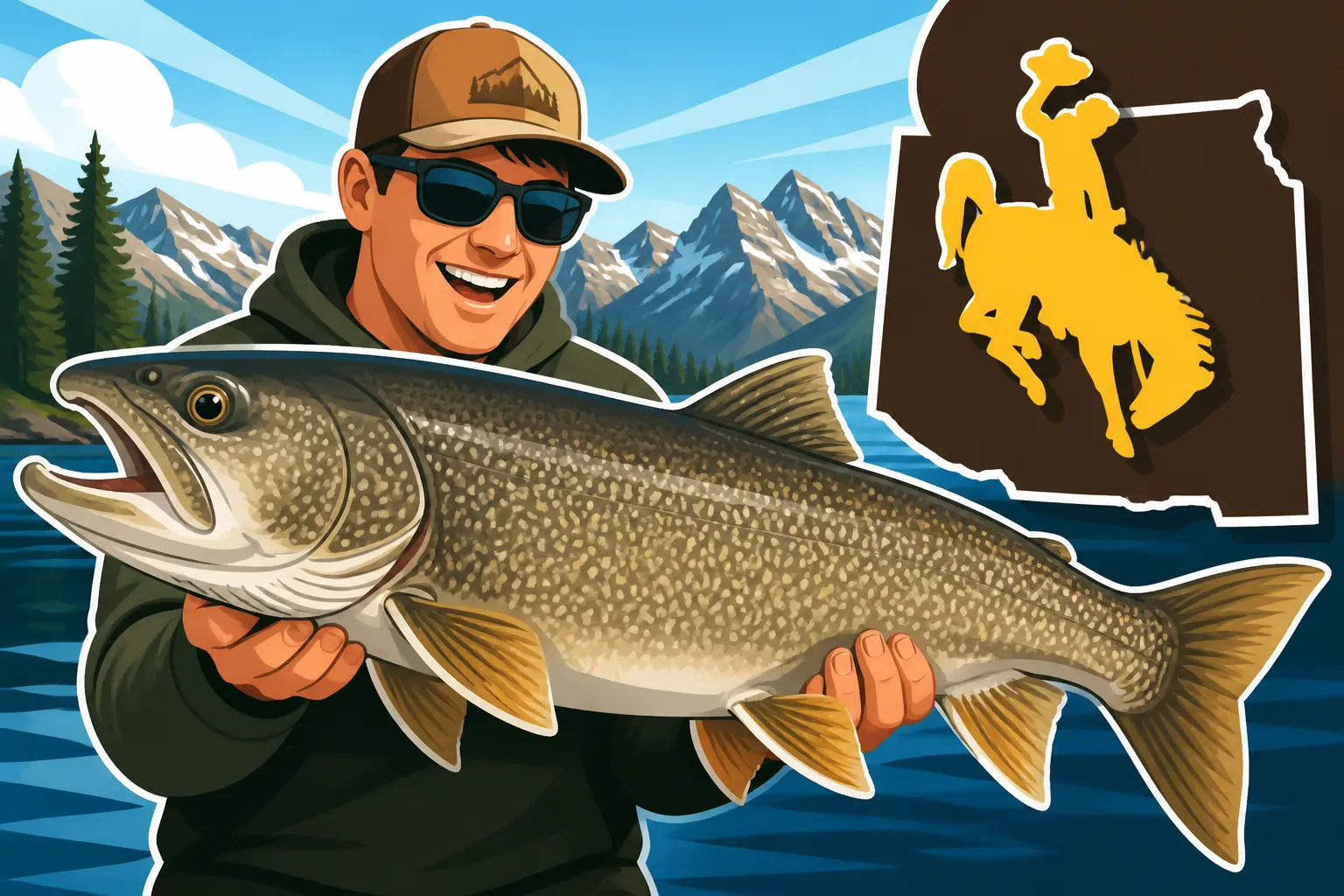
The pursuit of a state record isn't just about the numbers; it's about the story, the challenge, and the sheer awe of encountering a fish of such incredible size. For many, the lake trout, or Mackinaw as they're often called, represents the pinnacle of cold-water fishing. These fish are powerful, elusive, and demand respect. The angler who holds the state record for lake trout in Wyoming entered the annals of fishing history with a catch that truly captures the imagination, solidifying Wyoming's reputation as a trophy fishery.
The Mammoth Catch: Unpacking the Record
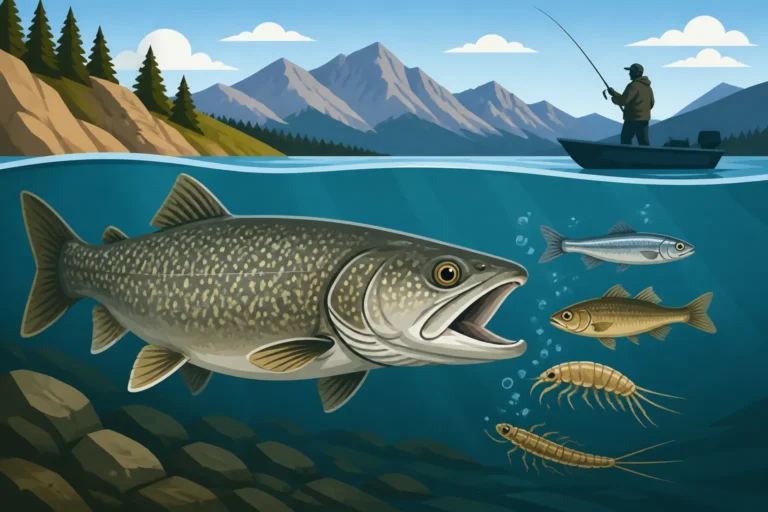
Imagine the fight, the strain on the line, the anticipation as something truly massive slowly rises from the inky depths. The Wyoming state record lake trout is more than just a statistic; it's a testament to the immense potential of our waters. This fish was of truly astounding proportions, representing decades of growth and survival in a demanding environment. It wasn't just big for Wyoming; it was a laker of national significance, showcasing the incredible habitat and forage base that Wyoming's major reservoirs provide for these deep-dwelling predators. This kind of catch inspires us all to keep exploring, keep learning, and keep believing that our next cast could connect us with something extraordinary.
The record-setting Mackinaw was a fish that took an exceptional amount of time to reach its incredible size, demonstrating the longevity these cold-water giants can achieve. Its sheer bulk spoke volumes about the rich food sources available in the deep, cold waters it called home. Every angler knows the thrill of a heavy strike, but to feel the deliberate, unyielding power of a fish of this magnitude would have been an experience few ever forget. It wasn't just a fish; it was a living legend, an apex predator at the top of its aquatic food chain.
The Angler's Tale: A Day to Remember
While the exact details of every record catch can be a bit hazy over time, the essence of the angler's experience remains vivid. The story of landing such a monumental lake trout often involves meticulous planning, advanced techniques, and a profound understanding of the water. For the angler who landed this record, it was undoubtedly a day etched forever in memory, a moment where preparation met opportunity in spectacular fashion. It speaks to the dedication of those who truly immerse themselves in the pursuit of trophy fish, understanding their habits, their preferred depths, and the subtle cues of the environment.
This kind of catch doesn't happen by accident; it's often the culmination of countless hours on the water, experimenting with different lures, depths, and speeds. The angler likely employed heavy-duty gear, designed to withstand the brutal power of a fish that could easily spool lesser setups. It's a tale of perseverance, perhaps many frustrating days or even years leading up to that one perfect bite. The excitement, the adrenaline, and the sheer exhaustion after battling such a powerful creature would have been immense. It's a reminder that sometimes, the biggest rewards come after the longest waits, and that patience is truly a virtue in the world of trophy fishing.
Wyoming's Premier Waters for Trophy Mackinaw
Wyoming is blessed with several phenomenal waters that consistently produce massive lake trout. While the record fish came from a particular locale, other reservoirs and deep lakes in the state offer incredible opportunities for anglers seeking their own trophy Mackinaw. These lakes share common characteristics: deep, cold, clear water, and an abundance of forage fish like kokanee salmon or whitefish, which allow lake trout to grow to truly impressive sizes. If you're serious about chasing a giant, these are the places you need to focus your efforts.
Flaming Gorge Reservoir: The Lake Trout Mecca
When you talk about trophy lake trout in Wyoming, Flaming Gorge Reservoir almost always comes up first. This massive body of water, straddling the Wyoming-Utah border, is famous for its gargantuan Mackinaw. The reservoir's incredible depth, complex underwater structure, and a robust population of kokanee salmon and chub create the perfect environment for lake trout to thrive and grow to epic proportions. Many anglers dedicate their entire fishing careers to cracking the code of Flaming Gorge's big lakers, and for good reason. It's truly a special place, often drawing anglers who want to experience How Big Lake Trout Get in Flaming Gorge.
The sheer size of Flaming Gorge means there are endless nooks and crannies for lake trout to hide. From deep channels to submerged canyons and vast expanses of open water, understanding the thermocline and forage movements is key. Anglers often spend days or even weeks mapping out contours, identifying prime holding areas, and experimenting with various presentations. The challenge is immense, but the reward of hooking into a Flaming Gorge monster is unparalleled. This reservoir consistently produces some of the largest lake trout in the country, making it a bucket-list destination for anyone serious about Mackinaw.
Jackson Lake: A High-Altitude Haven for Big Lakers
Nestled within Grand Teton National Park, Jackson Lake is another prime destination for those looking to tangle with impressive lake trout. While often overshadowed by Flaming Gorge in terms of sheer numbers of giant fish, Jackson Lake has a long history of producing some truly massive Mackinaw, including historical catches that were once state records themselves. The lake's deep, cold, pristine waters and abundant cutthroat trout (which the lakers opportunistically feed on) create a healthy ecosystem for large fish. Plus, fishing with the Teton Range as your backdrop is an experience in itself.
Jackson Lake presents its own unique challenges, particularly with regulations and fishing pressure within a national park setting. However, the rewards can be significant. Anglers targeting large lake trout here often focus on specific geological features, deep drop-offs, and areas where forage fish congregate. The lake's clear waters mean stealth and presentation are crucial, and understanding the seasonal movements of these fish can make all the difference between a slow day and a memorable battle. It’s definitely a spot where you might want to look into Jackson Lake's Best Shoreline Fishing Spots in Wyoming if you're not planning a boat trip.
Other Potential Trophy Waters
While Flaming Gorge and Jackson Lake are the undisputed champions for trophy lake trout, Wyoming has other waters that occasionally surprise anglers with unexpectedly large Mackinaw. Seminoe Reservoir, for instance, has a reputation for strong lake trout fishing, though perhaps not consistently at the "record-breaker" size of Flaming Gorge. These waters might require a bit more exploration and local knowledge, but they can offer less crowded alternatives and the thrill of discovery.
Always consult current Wyoming Game and Fish Department regulations for specific water bodies, as rules can vary greatly and change over time. Different lakes have different management strategies for lake trout, and staying informed is key to a successful and legal trip. Sometimes, the less-pressured waters can hold a hidden gem, a laker that has grown unmolested for years, just waiting for the right presentation.
Mastering the Art of Catching Giant Lake Trout
Chasing a state record lake trout isn't like casting for panfish; it requires specialized gear, techniques, and a hefty dose of patience. These deep-water predators are formidable opponents, and understanding their habits and preferred depths is crucial. You'll be working in the coldest, darkest parts of the lake, often far from shore, so being prepared is paramount.
Essential Gear for Deep-Water Giants
When targeting lake trout that could potentially break records, your gear needs to be up to the task. Standard trout fishing setups simply won't cut it. You'll need heavy-action rods, robust reels with smooth drags, and strong line. Many serious lake trout anglers opt for braided main lines for their sensitivity and strength, often paired with a fluorocarbon leader for stealth in clear water. Look for reputable brands when you're stocking up, and remember, quality often pays off when that fish of a lifetime strikes.
For lures, think big and think deep. Deep-diving crankbaits, heavy spoons, tube jigs, and even large swimbait imitations are common choices. Colors can vary, but often natural patterns that mimic kokanee or whitefish are effective, as are bright, flashy colors in the depths. Having a good sonar unit is practically non-negotiable, allowing you to identify structure, baitfish schools, and even individual fish arches far below your boat. You can find a huge selection of specialized gear, from heavy trolling rods to deep-diving plugs, on Amazon, which is super helpful when your local shop might not carry everything you need.
Proven Trolling Techniques
Trolling is arguably the most popular and effective method for covering large expanses of water and presenting lures at specific depths to big lake trout. This technique involves slowly moving your boat while trailing lures behind it at various depths. Downriggers are often used to precisely control the depth of your lure, ensuring it's right in the strike zone. Lead core line is another popular choice, using the weight of the line itself to get your lure down without additional weights. Mastering Trolling Techniques for Wyoming Reservoirs will give you a significant edge.
Understanding trolling speeds and patterns is critical. Lake trout can be finicky, and sometimes a slight increase or decrease in speed can trigger a bite. Varying your trolling path, making S-curves or sharp turns, can cause your lures to change depth and speed, often enticing a following fish to strike. Pay close attention to your sonar to identify schools of baitfish, deep structure, or dramatic depth changes, as these are often prime areas for lurking lake trout. Don't be afraid to experiment; what worked yesterday might not work today.
The Art of Jigging for Mackinaw
While trolling covers a lot of water, jigging offers a more precise, vertical presentation that can be deadly when you've located fish on your sonar. This technique involves dropping a heavy jig, often tipped with a piece of cut bait or a soft plastic, directly down to the fish's depth and then imparting an enticing up-and-down motion. It requires a keen eye on your fishfinder and a good feel for what's happening at the end of your line hundreds of feet below.
Jigging is particularly effective over deep structure, submerged humps, or near schools of baitfish. When lake trout are suspended or concentrated in a smaller area, a well-presented jig can be irresistible. The key is to match the hatch as best as possible, using jigs that mimic the local forage. Vertical jigging also allows for more direct interaction with the fish; you can often see their reactions on your sonar before you feel the strike. For those willing to put in the effort, jigging can be one of the most rewarding ways to catch truly massive lake trout, especially if you understand How to Fish Deep Structure for Lake Trout.
Preserving Wyoming's Trophy Lake Trout Legacy
Catching a trophy lake trout is an incredible achievement, but it comes with a responsibility to the resource. Wyoming's fisheries are precious, and ensuring that these magnificent fish continue to thrive for future generations is vital. This means understanding and adhering to regulations, practicing responsible angling, and supporting conservation efforts.
Catch and Release for Future Giants
For many trophy anglers, the goal isn't just to catch a record-breaking fish, but to release it healthy and allow it to continue to grow and reproduce. Practicing proper catch and release techniques, especially with large, deep-caught fish, is crucial. Large lake trout brought up from extreme depths can suffer from barotrauma (the effects of rapid pressure change). Knowing how to quickly and safely release these fish, perhaps using a descending device, can greatly improve their survival chances. This ensures that the genetic legacy of giant lake trout continues in our waters.
Always handle large fish with care, supporting their full weight, and minimizing their time out of the water. If you plan to keep a trophy for mounting, consider a replica mount rather than harvesting an old, slow-growing fish. This allows the fish to swim free and offers a beautiful, lasting memento without impacting the fishery. Being mindful of these practices ensures that future anglers can also dream of their own record-breaking encounter.
Understanding Lake Trout Management
Wyoming Game and Fish Department actively manages lake trout populations across the state, and their regulations are designed to maintain healthy fisheries. This might include specific bag limits, size restrictions, or even encouragement of harvest in certain waters where lake trout might be outcompeting native species, such as in Yellowstone Lake. Staying informed about current regulations, which can change annually, is fundamental to being a responsible angler. You can often find this information on the Game and Fish website or by picking up a copy of the regulations booklet.
For example, on Yellowstone Lake, there's an aggressive management plan to reduce non-native lake trout populations to protect the native cutthroat trout. In contrast, in a place like Flaming Gorge, lake trout are a prized game fish, and management focuses on sustaining a trophy fishery. Understanding these nuances, as discussed in articles like Lake Trout (Mackinaw) Fishing in Wyoming, helps us all contribute positively to the health of Wyoming's diverse aquatic ecosystems. Your role as an angler goes beyond just catching; it extends to being a steward of these incredible natural resources.
Disclaimer
This article is for general informational purposes only and does not constitute professional advice. Laws, prices and regulations vary by location and change over time. Consult a qualified professional for guidance on your specific situation.