What Lake Trout Eat in Wyoming Reservoirs
It's incredibly frustrating when you're out on a gorgeous Wyoming reservoir, the sun is shining, and you're just not getting any bites, especially when you know those massive lake trout are lurking down there. A big part of the puzzle in catching these deep-water giants is understanding their dinner menu. This guide will dive deep into what lake trout in Wyoming's reservoirs are actually eating, helping you crack the code to better fishing.
The Lake Trout Diet: A Hunter's Appetite in Wyoming Waters
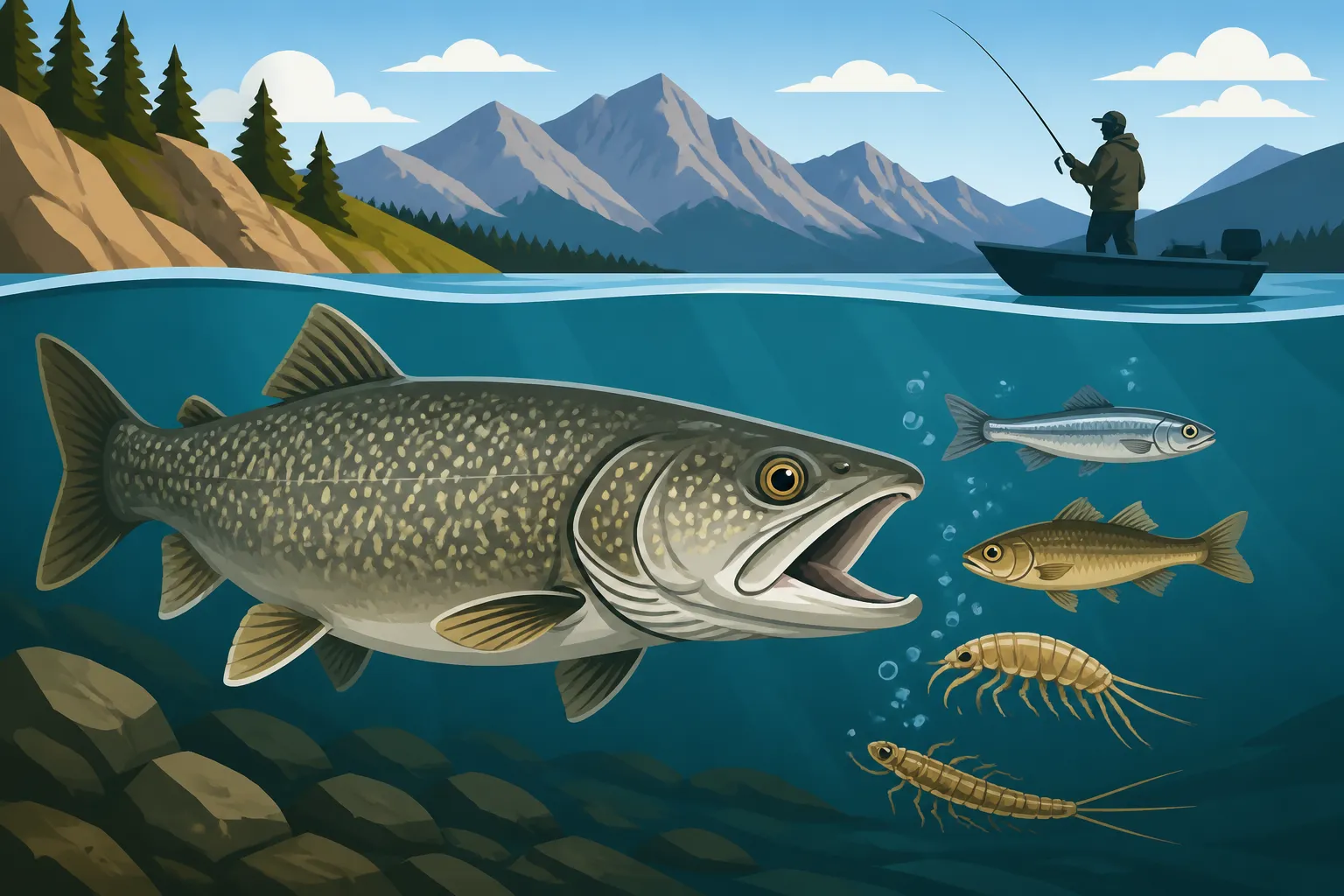
Lake trout, often affectionately called "mackinaw" by locals, are apex predators in the cold, deep waters of Wyoming's reservoirs. Their diet isn't just a random assortment of whatever swims by; it's a carefully adapted strategy for survival in nutrient-poor, oligotrophic (low productivity) environments. They are opportunistic, certainly, but their primary focus is on calorie-dense protein, which usually means other fish. Understanding this fundamental preference is key to mimicking their prey.
The Foundation of Their Feast: Smaller Fish
From the moment they're large enough to chase, lake trout exhibit a strong piscivorous (fish-eating) tendency. As juveniles, they might start with smaller invertebrates, but they quickly transition to a fish-heavy diet as they grow. This makes sense when you consider their size potential; to reach those trophy-class weights that Wyoming is famous for, they need substantial, high-energy meals.
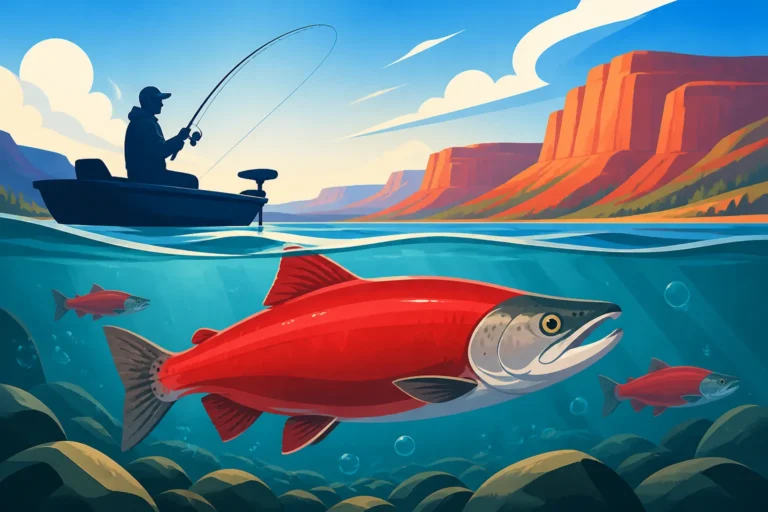
One of their absolute favorite meals, particularly in reservoirs like Flaming Gorge, is the Kokanee Salmon Fishing in Wyoming. These silver-sided salmon are basically living protein bars for lake trout. Kokanee school up, providing an easy target for a hungry mackinaw. The lake trout simply patrol the depths, waiting for these schools to pass by, then ambush them. It’s a classic predator-prey relationship that drives much of the angling success on these waters. Anglers who mimic kokanee with their lures often find themselves hooked up.
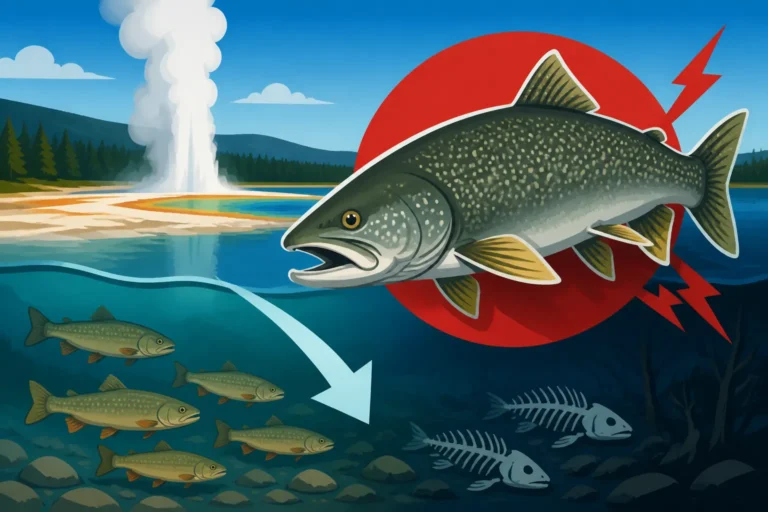
But it's not just kokanee. Lake trout will readily consume any available baitfish. This includes various species of suckers, minnows, and even smaller trout like rainbow trout or cutthroat trout, especially if they are stocked in the same waters or inhabit tributary streams. In some reservoirs, juvenile brown trout or even other smaller lake trout can become part of the menu if food sources are scarce. The general rule is: if it's smaller than they are and swims erratically, it's fair game.
Invertebrates: The Occasional Snack or Survival Meal
While fish form the bulk of an adult lake trout's diet, especially the larger ones we dream about catching, invertebrates do play a role, particularly for younger fish or when piscine prey is less abundant. Newly hatched lake trout, called fry, will subsist on zooplankton and aquatic insects until they're big enough to start chasing smaller minnows. As they grow, their reliance on invertebrates diminishes, but it doesn't disappear entirely.
You might find a lake trout with a stomach full of crayfish, especially if the reservoir has a healthy population of them. These bottom-dwelling crustaceans are a juicy, high-protein snack that can be easy pickings for a slow-moving lake trout cruising the bottom structure. Larger nymphs, leeches, or even aquatic worms might be consumed on occasion, particularly if a lake trout is in an area where these are highly concentrated or if other food sources have temporarily moved out. However, don't build your entire fishing strategy around trying to imitate a tiny midge larva if you're after a 20-pound laker; they're generally looking for a more substantial meal.
Seasonal Shifts and Prey Availability
Just like us, lake trout don't eat the same thing, or even in the same way, all year round. Their diet and feeding behavior are heavily influenced by the changing seasons in Wyoming's dynamic environment. Water temperature, ice cover, and the spawning cycles of their prey all play a significant role in what's on the menu and where to find them.
Spring Thaw: A Burst of Activity
When the ice finally melts off Wyoming's reservoirs in early spring, lake trout often experience a burst of activity. The warming waters, even if still quite cold, can trigger increased metabolism. During this time, many of their prey species, like kokanee salmon or suckers, might begin to move shallower as they prepare for their own spawning activities or follow rising water temperatures and increased food sources.
Lake trout will follow these movements. They might be found shallower than in the dead of winter or peak summer, actively hunting these migrating baitfish. This can be a prime time for anglers who understand that the lake trout are capitalizing on vulnerable prey moving into new areas. They're often feeding aggressively to replenish energy after a long, cold winter under the ice. This is when deep-diving crankbaits or large jerkbaits that mimic a confused or injured baitfish can be incredibly effective, especially when worked along drop-offs or points where baitfish congregate. Wyoming Spring Fishing: What to Expect might provide more insights into the general fishing patterns during this period.
Summer Depths: The Cool, Dark Larder
As Wyoming's summer sun beats down, the surface waters of large reservoirs become too warm for lake trout. These fish are cold-water specialists and will retreat to the deeper, cooler parts of the lake. This is where the thermocline forms – a distinct boundary between warmer surface water and colder deep water. Lake trout will typically suspend or cruise just above, within, or just below this thermocline, as this zone offers their preferred temperature range and often holds concentrations of their prey.
During summer, lake trout continue their fish-eating habits, but their movements might be more subtle. They might follow schools of kokanee or other baitfish that are also seeking cooler water. Trolling becomes a highly effective method because it allows anglers to cover vast areas of deep water and present lures at precise depths where the lake trout are holding. Using electronics like fish finders becomes paramount to locate bait balls and the predatory lake trout lurking nearby. Knowing the typical depth of the thermocline in a specific reservoir can drastically narrow down your search area.
Autumn Feast: Preparing for Winter
Fall is often considered one of the best times for trophy lake trout in Wyoming. As water temperatures begin to cool across the entire water column, lake trout become much more active and can be found shallower again. This is a critical feeding period for them, as they pack on fat reserves for the lean winter months. More importantly, it's when many of their primary prey species, particularly kokanee salmon, undertake their spawning runs.
Kokanee will move into tributary rivers or shallow gravelly areas of the reservoir to spawn, making them extremely vulnerable. Lake trout will follow, gorging themselves on these bright red, nutrient-rich salmon. This phenomenon can offer incredible angling opportunities. Big lake trout will be found patrolling the mouths of these tributaries or the spawning flats, looking for easy meals. Large, brightly colored spoons, swimbaits, or even dead bait rigs that imitate a wounded or dying kokanee can be deadly effective. Understanding the Fall Fishing for Browns on the Miracle Mile gives a good parallel to how other trout species capitalize on fall prey movements, and lake trout are no different in their own deep-water domain.
Winter Stillness: Subtlety Under the Ice
When Wyoming's reservoirs freeze over, creating prime Ice Fishing in Wyoming: A Complete Guide conditions, lake trout don't stop eating, but their metabolism slows significantly. They are still predatory, but their feeding windows might be shorter, and their movements more lethargic. They often hold tight to structure, like submerged humps, points, or the edges of deep channels, waiting for prey to come to them.
During ice fishing season, lake trout still key in on baitfish, but they might be more inclined to take a slowly jigged tube jig, a dead bait on a quick-strike rig, or a large spoon presented with minimal action. The key is often patience and subtlety. They're not chasing down active prey with the same fervor as in the fall, but they will still opportunistically strike at something that looks like an easy meal. Knowing the bottom contours and deep structure where baitfish might seek refuge is crucial.
What This Means for Anglers: Matching the Hatch (or the Munch)
Understanding the lake trout's diet isn't just academic; it's the foundation of effective angling. If you know what they're eating, you can present a lure or bait that closely mimics that food source, increasing your chances of success dramatically. This concept is often referred to as "matching the hatch" in fly fishing circles, but it applies equally to chasing lake trout with conventional tackle.
Lures That Mimic Prey
Given their preference for fish, it's no surprise that most successful lake trout lures are designed to imitate baitfish.
- Spoons: Large, heavy spoons that flutter and flash are incredibly effective. Colors like silver, chrome, or those with blue, green, or even orange accents can imitate dying or struggling baitfish. Think about the classic "Krocodile" or "Daredevil" spoons, often found readily on sites like Amazon.
- Tube Jigs: These soft plastic lures, often 4-6 inches long, are deadly for lake trout, especially when jigged vertically or trolled. They mimic a wide variety of baitfish and crayfish. White, smoke, chartreuse, or even dark colors are popular. Many experienced anglers stock up on these versatile lures, often buying them in bulk from retailers like Amazon.
- Swim Baits and Grubs: Larger soft plastic swimbaits, particularly those with a paddle tail, create enticing vibrations and mimic a swimming fish. Rigged on a heavy jig head, they can be worked near the bottom or through suspended schools of bait.
- Plugs and Crankbaits: Deep-diving crankbaits are fantastic for trolling and can reach depths where lake trout are holding. Colors that resemble kokanee, suckers, or rainbow trout are often top producers. They create a wounded baitfish action that triggers aggressive strikes.
Bait Fishing Strategies
While lures are popular, bait fishing can also be incredibly effective for lake trout, particularly when they are less active or when you want to target specific holding areas.
- Dead Bait: This is a go-to for many lake trout anglers. Whole dead suckers, minnows, or even pieces of cut bait can be rigged to spin or flutter, imitating a dying fish. They release natural scents that can draw in hesitant lake trout. This is especially potent during ice fishing season when fish are less willing to chase.
- Live Bait (Where Permitted): Some waters in Wyoming allow live bait, and if you can use it, a lively minnow or sucker can be irresistible to a lake trout. Always check current Wyoming Fishing Regulations Every Angler Should Know to ensure live bait is legal on your chosen reservoir, as regulations vary widely to prevent the spread of invasive species.
Using Technology to Your Advantage
Modern fishing electronics have revolutionized lake trout fishing. A good fish finder is almost essential for consistently finding these deep-water fish. It allows you to:
- Locate Bait Balls: Identify where the lake trout's food source is congregated. If you find the bait, the predators are usually not far behind.
- Pinpoint Thermoclines: Determine the optimal depth range where lake trout will be comfortable in summer.
- Identify Structure: Spot submerged humps, ledges, and channels where lake trout might ambush prey.
- Track Your Lure: See your lure in relation to the fish, allowing you to adjust depth and presentation in real-time. Finding a reliable fish finder, whether a portable ice fishing unit or a boat-mounted system, is often a first step for serious lake trout anglers, and many research options on sites like Amazon.
Regional Variations in Wyoming Reservoirs
While the general principles of lake trout diet hold true, specific prey availability can vary from one Wyoming reservoir to another. This is why it's so important to do a little homework on your chosen fishing spot. Best Wyoming Reservoirs for Trophy Fish often have healthy populations of preferred lake trout forage.
Flaming Gorge Reservoir: The Kokanee Capital
Flaming Gorge is arguably Wyoming's premier lake trout destination, and a huge reason for this is its thriving kokanee salmon population. The kokanee here are often the primary forage for the reservoir's immense lake trout. Anglers targeting big mackinaw at Flaming Gorge almost exclusively focus on mimicking these kokanee, whether it's with trolling flies, spoons, or tube jigs in colors that reflect the kokanee's natural hues. The presence of these abundant baitfish allows lake trout to grow to truly gargantuan sizes. Fishing Wyoming's Flaming Gorge Reservoir Guide offers more specific advice for this amazing fishery.
Jackson Lake: Cutthroat & Other Opportunities
Jackson Lake, nestled in Grand Teton National Park, also hosts a healthy lake trout population. While it has some kokanee, the lake trout here also feed heavily on the native Snake River Fine-Spotted Cutthroat Trout and other smaller fish species present in the lake. Anglers might find success mimicking cutthroat, which are often found shallower. The lake trout in Jackson Lake are part of a complex ecosystem, and their diet can reflect the diversity of the prey available. Understanding What Fish Live in Jackson Lake can help tailor your approach.
Seminoe and Pathfinder Reservoirs: Diverse Forage
Reservoirs like Seminoe and Pathfinder, part of the North Platte River system, also hold impressive lake trout. While they might not have the same kokanee numbers as Flaming Gorge, lake trout in these waters will key in on other baitfish like various suckers, chub, or even stocked rainbow trout. In some of these waters, perch or other panfish might also contribute to the lake trout diet. This often means a more varied approach for anglers, who might need to experiment with lures and baits that imitate a broader spectrum of forage fish. You might find lake trout more structure-oriented in these lakes, ambushing prey along drop-offs rather than suspending in open water.
Table: Common Lake Trout Forage in Wyoming Reservoirs
| Forage Species | Preferred by Lake Trout? | Primary Reservoirs | Angler Mimicry |
|---|---|---|---|
| Kokanee Salmon | High | Flaming Gorge, Jackson Lake | Spoons, trolling flies, swimbaits (red, silver) |
| Suckers (various) | High | All major reservoirs | Tube jigs, dead bait, large swimbaits (brown, grey) |
| Cutthroat Trout | Medium-High | Jackson Lake, other mountain lakes | Trolling spoons, minnow-imitating crankbaits |
| Rainbow Trout | Medium | Reservoirs with stocking | Spoons, stickbaits, jigs (silver, iridescent) |
| Sculpin | Medium | Rivers flowing into lakes | Dark-colored tube jigs, bottom-bouncing lures |
| Crayfish | Medium | Reservoirs with rocky bottom | Jigs, tubes (brown, green, orange) |
| Zooplankton/Insects | Low (adults), High (fry) | All reservoirs | Not typically mimicked for adult lake trout |
No matter which Wyoming reservoir you choose to fish for lake trout, remembering that these fish are primarily opportunistic predators focused on other fish will put you leagues ahead. Adapt your lures, baits, and techniques to what's available and what's moving, and you'll be well on your way to hooking into one of Wyoming's deep-water giants. Remember to always check current regulations for specific waters and good luck out there!
Disclaimer
This article is for general informational purposes only and does not constitute professional advice. Laws, prices and regulations vary by location and change over time. Consult a qualified professional for guidance on your specific situation.