Wyoming State Record Cutthroat Trout
Landing a trophy fish is a dream for so many of us, but when it comes to a state record, it often feels like an impossible feat reserved only for seasoned pros with secret spots. This guide is here to demystify the pursuit of Wyoming's state record cutthroat trout, walking you through what it means, the different types of these iconic fish you might encounter, and how you can approach your own quest for a truly memorable catch in the Cowboy State.
Understanding the Wyoming State Record Cutthroat Trout
When we talk about a "state record," it's not just about catching a big fish. It's about a specific fish, caught under specific circumstances, that officially outweighs or outmeasures every other fish of that same species ever recorded in the state. For cutthroat trout in Wyoming, this is a particularly esteemed title, given their status as Wyoming's state fish and their native roots in so many of our pristine waters. It represents the pinnacle of angling achievement for that species here, a testament to both the angler's skill and the health of Wyoming's fisheries.
The process for verifying a state record is quite stringent, and for good reason. It ensures accuracy and fair play, protecting the integrity of these coveted titles. Anglers can't just snap a quick photo and declare a record; there's a detailed procedure involving official weigh-ins, species identification, and often a review by Wyoming Game and Fish Department biologists. This means that anyone aiming for such a record needs to be prepared, not just with their fishing gear, but with a plan for what to do after they land that fish of a lifetime.
What Constitutes a State Record
A state record for a fish like the cutthroat trout typically involves two main categories: weight and length. Historically, weight has been the primary measure for most fish records, reflecting the sheer size and bulk of a specimen. However, with a growing emphasis on catch-and-release fishing, especially for sensitive species and trophy fish, length-based records are also becoming more recognized and popular. This allows anglers to document their impressive catch without having to harvest the fish, contributing to conservation efforts.
To be considered for a record, the fish must be legally caught according to all current Wyoming Fishing Regulations Every Angler Should Know. This includes having a valid fishing license, using legal tackle, and adhering to all creel limits and season dates. If you're out there chasing a potential record, every rule matters, because a single violation could disqualify your magnificent catch, no matter how huge it is. It's not just about the size; it's about the ethics and adherence to the sport's guidelines.
The Different Cutthroat Subspecies in Wyoming
Wyoming is a unique place, home to four distinct subspecies of cutthroat trout, each with its own nuances, habitats, and potential for trophy size. These include the Yellowstone Cutthroat, Snake River Fine-Spotted Cutthroat, Bonneville Cutthroat, and Westslope Cutthroat. Each of these has its own specific range within the state, and knowing which one you're targeting can greatly influence your strategy and the waters you choose to fish. It's crucial for record verification that the species is correctly identified, which can sometimes be tricky for the untrained eye.
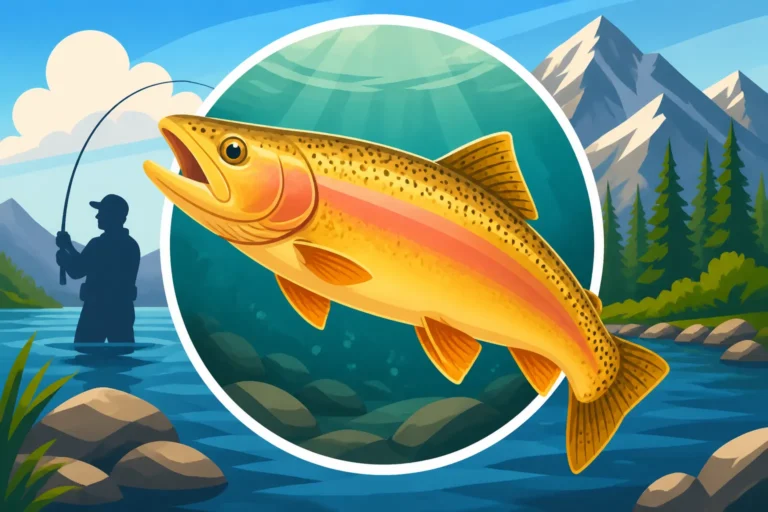
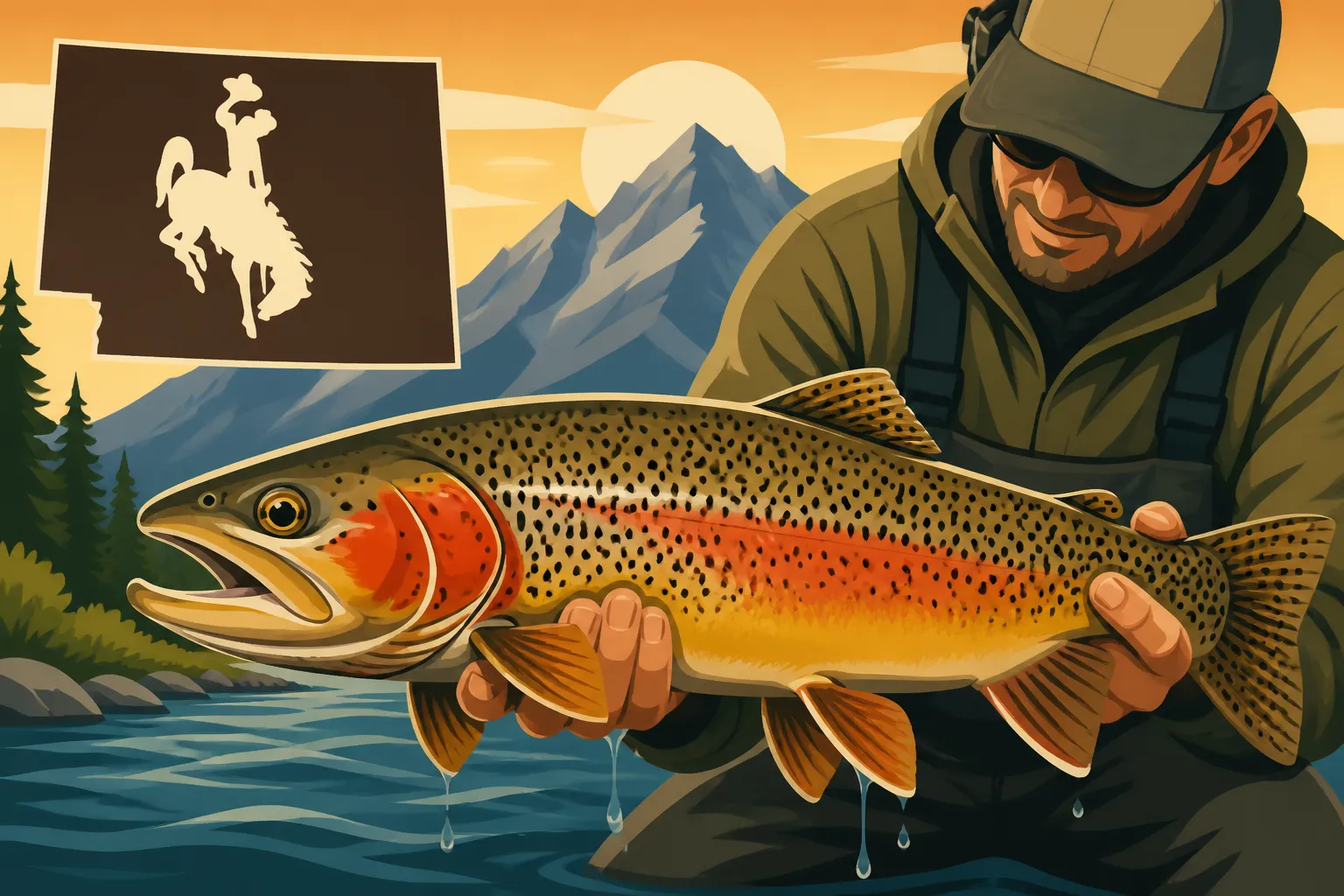
The Yellowstone Cutthroat Trout, for instance, is Wyoming's state fish and is native to the Yellowstone River drainage, including the iconic Yellowstone Lake. These fish are known for their golden-olive bodies, crimson slashes under their jaw, and larger, more scattered spots. Then there's the Snake River Fine-Spotted Cutthroat Trout, found in the Snake River drainage of western Wyoming. They typically have smaller, more numerous spots concentrated towards the tail. Understanding these subtle differences is not just for biologists; it's important for any angler hoping to claim a record for a specific subspecies.
| Cutthroat Subspecies | Primary Range in Wyoming | Distinguishing Features |
|---|---|---|
| Yellowstone Cutthroat | Yellowstone River drainage, Yellowstone Lake | Golden-olive body, crimson jaw slash, larger, scattered spots |
| Snake River Fine-Spotted | Snake River drainage, western Wyoming | Smaller, more numerous spots, concentrated towards tail |
| Bonneville Cutthroat | Bear River drainage (southwestern Wyoming) | Usually fewer, larger spots, often concentrated near tail |
| Westslope Cutthroat | Northwestern Wyoming (limited range, tributaries) | Smaller spots evenly distributed, often greenish-yellow body |
The Significance of a Cutthroat Record
Holding the state record for a cutthroat trout is more than just bragging rights; it's a profound connection to Wyoming's natural heritage. These fish are truly special, survivors of glacial ages, and symbols of the wild, untamed beauty of our state. A record-setting cutthroat isn't just a big fish; it's a testament to healthy aquatic ecosystems, genetic diversity, and successful conservation efforts. Each record helps us understand the potential of our waters and highlights areas where these native populations are thriving.
Beyond the biological significance, there's the personal journey of the angler. Years of dedication, countless hours on the water, honing skills, and understanding fish behavior culminate in that one extraordinary moment. It's about patience, respect for the resource, and a deep love for the sport. The story behind a record catch often inspires others to explore Wyoming's waters, to learn more about our native fish, and to become advocates for their protection. It’s a legacy that extends far beyond the moment the fish is landed.
Chasing a Trophy Cutthroat: Tactics and Hotspots
So, you're dreaming of that behemoth cutthroat? It’s a fantastic goal, but it requires a combination of knowledge, skill, and sheer persistence. You can't just stumble into a state record; it usually means targeting specific waters at specific times, and employing techniques designed to entice larger, often more cautious fish. This isn't your average picnic fishing trip; it's an intentional pursuit.
The first step is research. Understanding the prime habitats for each cutthroat subspecies, their feeding habits, and seasonal movements is absolutely critical. Big fish get big by being smart and efficient, so you need to think like them. Knowing when the biggest fish are most active, or when they might be concentrated in certain areas for spawning or feeding, can give you a significant edge.
Prime Locations for Giant Cutthroat
When it comes to cutthroat, especially the Yellowstone and Snake River subspecies, some waters stand out for their potential to produce truly enormous fish. Yellowstone Lake within Yellowstone National Park is legendary, known for producing massive Yellowstone Cutthroat, though specific park regulations and the battle against invasive lake trout mean that fishing here is a unique experience. While a Wyoming state record wouldn't come from Yellowstone National Park (as it has its own jurisdiction), the genetic stock and potential for impressive size are certainly notable in the surrounding drainages within Wyoming.
For the Snake River Fine-Spotted Cutthroat Trout, the Snake River itself, particularly the stretches in and around Jackson Hole, holds incredible potential. These rivers offer abundant food sources and prime habitat for trout to grow large. Similarly, certain high-alpine lakes and lesser-known tributaries might hold pockets of larger, older fish that haven't seen as much angling pressure. Sometimes, the most isolated and challenging-to-access waters are the ones holding the oldest, wisest, and largest fish. Always remember to check Where to Find Current Wyoming Fishing Regulations for water-specific rules before heading out.
Effective Techniques for Big Cutthroat
Targeting trophy cutthroat often means adapting your techniques. While smaller cutthroat might readily rise to a dry fly or chase a spinner, larger fish tend to be more wary and prefer larger, more substantial meals. For fly anglers, this often translates to streamer fishing, especially during periods when large baitfish or sculpins are active. Big, meaty patterns stripped aggressively can trigger an aggressive territorial strike from a big cutthroat. Nymphing with larger stonefly or worm patterns in deeper runs and pools is also highly effective.
Spin anglers will find success with larger spoons, spinners, and even jerkbaits that imitate baitfish. Focus on deep seams, undercut banks, and the tails of long pools where big fish tend to hold. Using heavier line and a rod with enough backbone to handle a powerful fish is essential. Remember, a record fish will test your gear, so don't skimp on quality. You can find excellent selections of durable reels and appropriate lines on Amazon to ensure your setup is up to the challenge. Don't forget that Fly Fishing Techniques for Wyoming Trout Streams and Spin Fishing Techniques for Beginners can both be scaled up for larger fish with the right adjustments.
Timing Your Trophy Hunt
Timing is everything when it comes to chasing big fish. Cutthroat, like most trout, have peak feeding periods influenced by water temperature, insect hatches, and spawning cycles. For many, the fall is a prime time, especially for river-dwelling cutthroat that might be moving to spawn or feeding aggressively before winter. During this season, fish are often at their heaviest, having fed throughout the summer. The cooler water temperatures also make them more active and less sluggish.
Spring can also be excellent, particularly as water temperatures start to rise and insect activity increases. Post-runoff, when rivers begin to clear but still carry a good flow, can concentrate fish in prime feeding lies. Even winter can offer opportunities on tailwater fisheries below dams, where consistent water temperatures can keep fish active, albeit often requiring more subtle techniques. Learning to Read Water When Trout Fishing at different times of the year will significantly improve your chances.
The Art of Catching and Releasing Big Cutthroat
Landing a potential record cutthroat is an incredible moment, but it's equally important to know how to handle it responsibly. If you're aiming for a length-based record, or even if you just want to ensure the fish survives after capture, proper catch-and-release techniques are paramount. This involves minimizing stress on the fish, quick handling, and a gentle release. After all, the health of our fisheries depends on every one of us being good stewards.
A potential record fish, especially a large, older one, is a valuable part of the ecosystem. It's a prime reproducer and a testament to the health of its environment. Treating it with the utmost care ensures it can continue to contribute to the population and potentially be caught again by another lucky angler.
Proper Handling for Potential Records
Once you've hooked that fish of a lifetime, the fight is on. Use appropriate tackle that allows you to land the fish as quickly as possible without overly exhausting it. A prolonged fight, especially in warmer water, can be deadly for a large trout. Once landed, avoid dragging the fish onto dry ground or handling it with dry hands. Wet your hands thoroughly before touching the fish, or better yet, use a rubberized net that is gentle on its protective slime coat.
Minimize air exposure. If you need a photo, get it quickly. For measurement, a soft, wet measuring board or mat is ideal. You can find portable, fish-friendly measuring devices on Amazon that are designed for this purpose. Always support the fish horizontally, especially a large one, to prevent internal organ damage. Avoid squeezing its belly or gills. If the fish is exhausted, hold it gently in the water, facing upstream, until it can swim away under its own power. These practices are essential for Catch-and-Release Rules on Wyoming Waters and for conservation.
Documenting Your Potential Record
If you believe you've landed a state record cutthroat, documentation is everything. This is where preparation truly pays off. First, have a reliable, certified scale ready if you plan to submit for a weight record. Many sporting goods stores or official weigh stations have certified scales. You'll need to weigh the fish in front of witnesses, and the scale must be checked for accuracy. For length, a standard measuring tape or board is fine, but again, photos with a clear, verifiable measurement are crucial.
Take multiple clear photographs of the fish, from different angles, showcasing its full length and girth. Include a close-up of its head and markings to aid in species identification. If possible, have another angler or witness present to verify the catch. Contacting the Wyoming Game and Fish Department as soon as possible after the catch is also vital, as they will guide you through the official submission process. They may require a fin clip for genetic analysis to confirm the subspecies, so be prepared for that possibility if you're keeping the fish.
Tips for the Aspiring Record Holder
The journey to catching a state record cutthroat trout is often long and filled with learning. It's about patience, observation, and continually refining your skills. Don't get discouraged by slow days or missed opportunities. Every outing is a chance to learn more about the water, the fish, and yourself as an angler.
The beauty of fishing in Wyoming is the sheer variety and quality of our waters. From the sweeping rivers like the Snake and Green to countless high-alpine lakes, there are endless opportunities. It’s about more than just the fish; it’s about the experience, the scenery, and the quiet moments connecting with nature.
Essential Gear for Trophy Hunting
To seriously target a record cutthroat, you'll want to ensure your gear is up to snuff. For fly fishing, a sturdy 6-8 weight rod with a matching reel and a good quality weight-forward line will give you the power to cast larger flies and handle big fish. Durable leaders and tippets in the 0X to 3X range are often necessary. Spin anglers should look for medium-heavy action rods (7-8 feet) paired with a reliable spinning reel spooled with 10-15 lb test monofilament or braided line.
Don't forget the essentials for proper fish handling and measurement: a large, rubberized net, a fish-friendly measuring board (many anglers swear by specific foldable ones available on Amazon), and a certified scale if you're going for weight. A good quality pair of polarized sunglasses is also invaluable for spotting fish and reading water, especially in clear mountain streams. Investing in quality gear is an investment in your success and in the well-being of the fish.
Persistence and Patience
Chasing a state record is not for the faint of heart. It requires an immense amount of persistence and patience. You might spend days, weeks, or even years targeting specific waters or fish without success. The weather might turn, the fish might be uncooperative, or you might just have an off day. These are all part of the journey. The anglers who eventually land these record-breaking fish are often those who simply refuse to give up.
It's also about being a student of the water. Spending time observing, understanding currents, insect activity, and fish behavior will teach you more than any single article or video ever could. Take notes, track conditions, and learn from every cast. The more you understand the intricate ecosystem you're fishing in, the better your chances of encountering that truly special cutthroat.
Connecting with the Fishing Community
One of the best ways to improve your chances and learn more about fishing in Wyoming is to connect with the local angling community. Visit local fly shops, chat with guides, and join online forums. While no one will give away their secret record spot, you can learn invaluable tips about seasonal patterns, effective flies or lures, and general areas known for producing larger fish. Guides, in particular, spend hundreds of days a year on the water and have an intimate knowledge of local conditions. You can explore options for Hiring a Fishing Guide in Wyoming if you're serious about learning from the best.
Respect the knowledge of others, and contribute positively to the community yourself. Share your experiences (within reason!), promote catch and release, and advocate for conservation. Ultimately, the quest for a state record cutthroat trout is not just a personal challenge but a shared passion within the Wyoming angling community.
Disclaimer
This article is for general informational purposes only and does not constitute professional advice. Laws, prices and regulations vary by location and change over time. Consult a qualified professional for guidance on your specific situation.