Why Lake Trout Are Illegal to Release in Yellowstone Lake
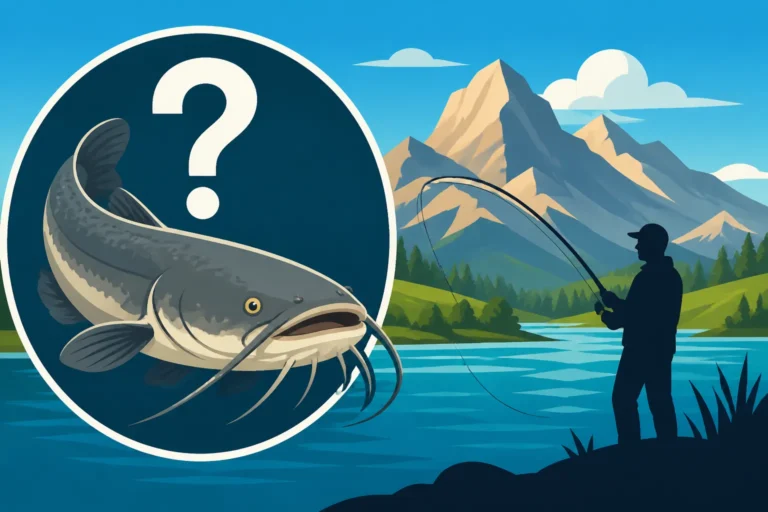
Fishing in Yellowstone Lake is often a dream for many anglers, a chance to connect with one of America's most iconic landscapes. But imagine the frustration of hearing a stern, non-negotiable rule that flies in the face of conventional catch-and-release ethics: if you catch a lake trout in Yellowstone Lake, you must kill it. This isn't just a suggestion; it's a critical conservation mandate, and it often leaves visitors scratching their heads. This guide will dive deep into the ecological reasons behind this strict regulation, explaining why lake trout are such a threat and how anglers play a vital role in protecting Yellowstone's native fish.
The Yellowstone Lake Ecosystem and Native Cutthroat Trout
Yellowstone Lake is more than just a large body of water; it's the heart of a unique ecosystem, intricately connected to the health and vitality of Yellowstone National Park. Understanding this delicate balance is key to grasping why the presence of an invasive species like the lake trout is such a grave concern.
A Pristine Home for the Yellowstone Cutthroat
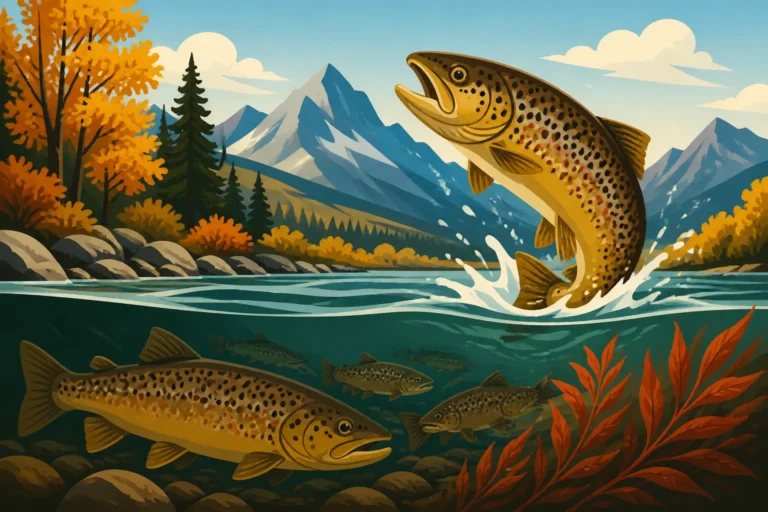
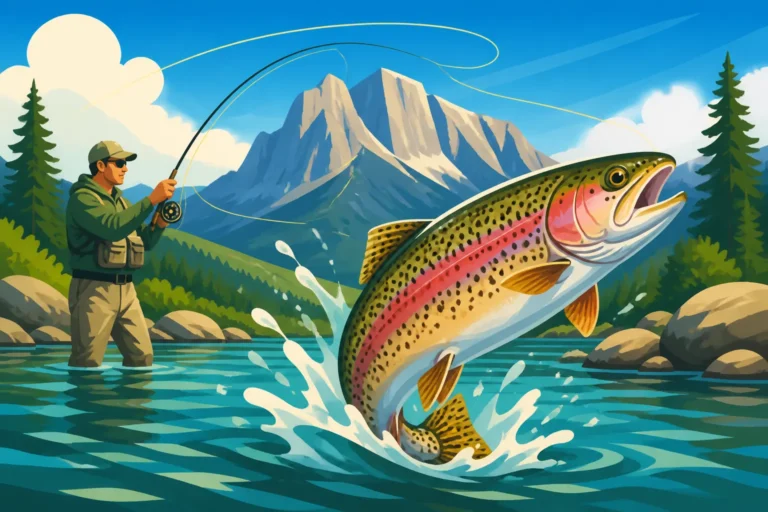
For millennia, Yellowstone Lake has been the stronghold of the native Yellowstone Cutthroat Trout. These beautiful fish, easily recognized by the distinctive red-orange slash marks under their lower jaw, are a keystone species in this environment. They aren't just pretty fish to catch; they are the primary food source for many of the park's iconic wildlife. Think about it: grizzly bears, black bears, bald eagles, ospreys, pelicans, and otters all depend heavily on the annual cutthroat trout spawning runs in the lake's tributaries. Their presence quite literally feeds the park's vibrant ecosystem.
The Yellowstone Cutthroat here represent a unique genetic strain, adapted over countless generations to the specific conditions of this high-altitude, volcanic lake. They are resilient, migrating up streams to spawn, creating an accessible protein feast for predators, and then returning to the lake. This natural cycle has sustained the Yellowstone ecosystem for thousands of years, making the cutthroat a defining feature of the park's wild character and angling heritage.
The Unwelcome Arrival of Lake Trout
Then, sometime in the mid-1990s, disaster struck: lake trout were discovered in Yellowstone Lake. This wasn't a natural migration; it was almost certainly an illegal introduction, a careless or malicious act that threw the entire ecosystem into jeopardy. Imagine the dismay among park biologists and conservationists when this deep-water predator, alien to these waters, was confirmed. It was like dropping a wolf into a sheep pasture, only the sheep were the very foundation of the local food web.
Initially, the spread of lake trout was stealthy. Unlike cutthroat that feed near the surface or in shallower waters, lake trout prefer the deep, cold, dark abyss of the lake. They were out of sight, out of mind for many, quietly establishing a foothold and reproducing at an alarming rate. This clandestine invasion meant that by the time their impact was fully understood, they had already become a significant, entrenched problem, making their removal an monumental challenge and a source of deep frustration for those committed to preserving Yellowstone's natural integrity.
Why Lake Trout Are So Damaging to Yellowstone Lake
The introduction of lake trout isn't just a minor ecological hiccup; it's a catastrophic disruption that directly threatens the survival of the native cutthroat population and, by extension, the entire food chain that relies upon them. Their predatory nature and competitive dominance make them particularly destructive.
Predation on Native Cutthroat Trout
Lake trout are incredibly efficient predators, perfectly evolved for hunting in deep, cold water. They are opportunistic and voracious, with a diet that naturally includes other fish. When introduced to an environment teeming with a readily available food source like the Yellowstone Cutthroat Trout, they quickly take advantage. They don't just eat a few; they can decimate populations. A single, large lake trout can consume many cutthroat trout over its lifetime, and with a growing population of lake trout, the sheer volume of predation becomes unsustainable for the native fish.
Unlike the cutthroat, which are adapted to living and feeding in shallower lake waters and migrating into streams, lake trout primarily reside in the lake's depths. This allows them to ambush juvenile and adult cutthroat returning from spawning or feeding in deeper sections. The result is a direct and devastating impact on cutthroat numbers, leading to a dramatic decline in the very species that anchors the park's food web. When cutthroat populations plummet, the ripple effect on animals like grizzly bears, eagles, and otters, who depend on them, is profound and can threaten their survival.
Competition for Food and Habitat
Beyond direct predation, lake trout also pose a significant threat through intense competition. They aren't just eating the cutthroat; they're also vying for the same food sources that cutthroat rely on, especially the younger fish and various aquatic invertebrates that make up the lower levels of the food chain. This competition means less food available for the native cutthroat, further stressing their populations and making it harder for them to thrive and reproduce.
Furthermore, while lake trout prefer deeper, colder water, they can still utilize parts of the lake's habitat that cutthroat also frequent, especially as they grow larger. Their ability to successfully reproduce within Yellowstone Lake, laying eggs on rocky substrates in the deep, means they are a self-sustaining invasive population. This successful colonization, unlike some other introduced species that fail to establish breeding populations, makes them a persistent and expanding threat that continuously outcompetes and preys upon the less aggressive native cutthroat, solidifying their status as a profound problem for the lake's ecological health.
The Strict "No Release" Rule and Ongoing Efforts
Given the severe threat lake trout pose, the National Park Service, in conjunction with fisheries biologists, has implemented aggressive strategies to combat their presence. The most direct and crucial regulation for anglers is the absolute prohibition on releasing any lake trout caught in Yellowstone Lake.
The Mandate: Kill All Lake Trout Immediately
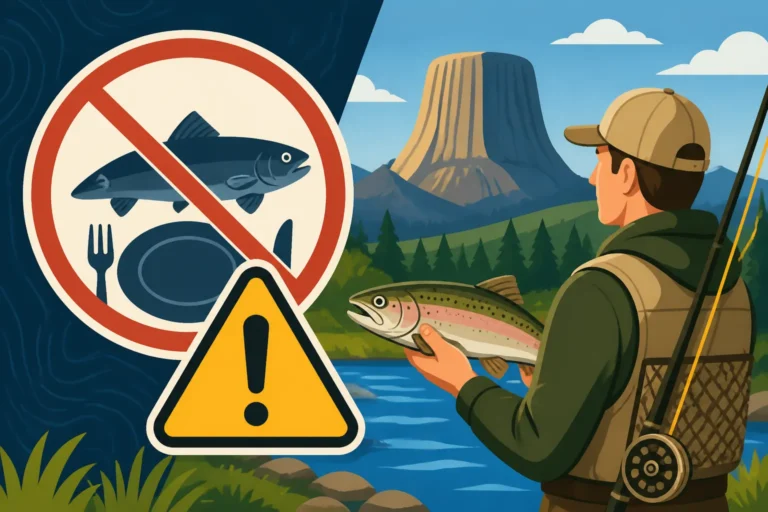
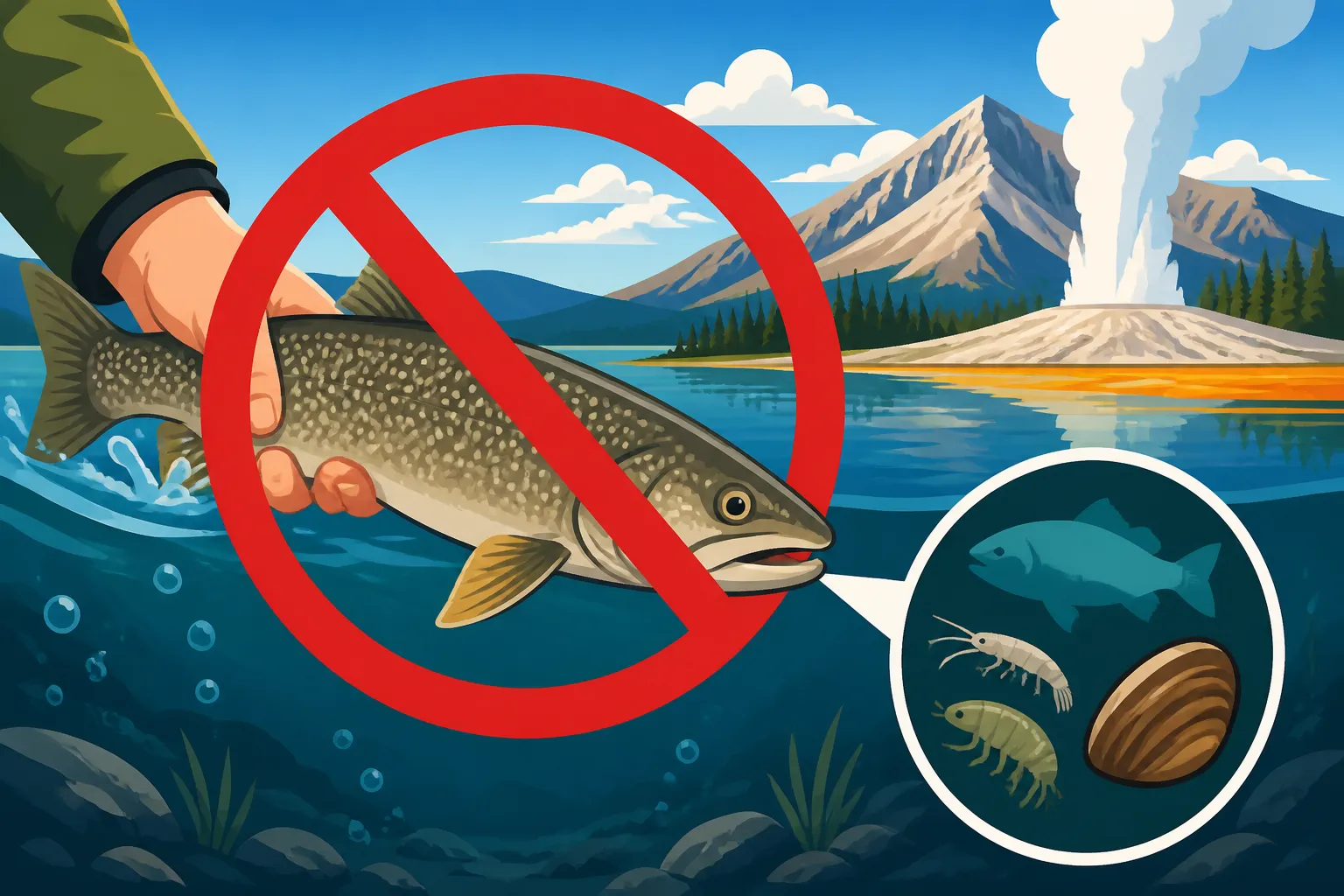
This is where the rule becomes unequivocal and often surprising for anglers used to catch-and-release ethics. If you catch a lake trout in Yellowstone Lake, you are legally obligated to kill it immediately. There are no exceptions, no catch-and-release option, and no thought of relocating it. The rationale is simple and stark: every lake trout removed is one less predator eating native cutthroat and one less fish reproducing to create more predators. Releasing a lake trout, even inadvertently, directly undermines years of intensive conservation efforts and allows the destructive cycle to continue.
This regulation isn't about cruelty; it's about ecological survival. Anglers are encouraged to dispatch the fish quickly and humanely. A stout pair of pliers or a fish bat, which you can easily find on Amazon, can be very helpful for a quick dispatch. It's a fundamental shift in mindset for many, but it's a necessary step to protect the lake's fragile native species. Catch-and-Release Rules on Wyoming Waters generally apply to native species, but for invasives like these, the opposite rule is enforced.
Active Lake Trout Suppression Program
Angler participation is just one piece of a much larger, multi-pronged effort. The National Park Service has invested millions of dollars and countless hours into an active lake trout suppression program. This includes extensive gillnetting operations, where miles of nets are strategically deployed in deep waters to catch and remove lake trout. Park staff also utilize electrofishing boats in certain areas, stunning fish to collect them, and have even explored advanced techniques to disrupt spawning.
These efforts are not for the faint of heart; they are a long-term, arduous battle against an entrenched invasive species. Every year, park biologists remove hundreds of thousands of lake trout, an incredible testament to the scale of the problem. Without these dedicated, ongoing suppression efforts, coupled with angler compliance, the native cutthroat trout population would likely face complete collapse. This massive undertaking highlights just how serious the threat is and why every single lake trout removed, whether by net or by angler, is a victory for the ecosystem. You can learn more about Wyoming's Lake Trout Removal Efforts in Yellowstone Lake in other resources.
How Anglers Contribute to Conservation
As an angler, you have a unique opportunity to directly contribute to the conservation of Yellowstone's native ecosystem. By rigorously adhering to the "kill all lake trout" rule, you become an active participant in protecting the Yellowstone Cutthroat. Every lake trout you catch and remove makes a tangible difference. It's not just about enjoying a day of fishing; it's about making a positive impact on a globally significant natural wonder.
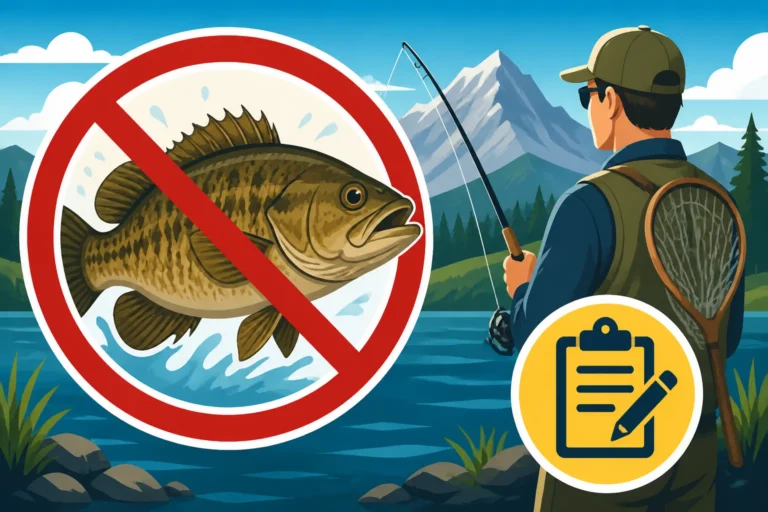
Anglers are also encouraged to report their catches, especially if they notice anything unusual about the fish or fishing locations, as this data helps park scientists track the lake trout population and refine their suppression strategies. After dispatching your lake trout, you can take it with you! Lake trout are excellent eating fish. Bringing along a fish scaler or a small cooler for your catch, easily ordered from Amazon, means you can enjoy a delicious meal while knowing you've done your part for conservation. Don't forget that Fishing Rules Inside Yellowstone National Park require a separate Yellowstone-specific fishing permit in addition to any Wyoming state license.
Implications for Anglers and the Future of Yellowstone Lake
The strict regulations around lake trout in Yellowstone Lake fundamentally reshape the angling experience there. It transforms a recreational activity into an act of direct conservation, with significant implications for how we view and interact with this iconic fishery.
Fishing for Lake Trout as a Conservation Act
When you cast a line into Yellowstone Lake, and you feel that familiar tug of a fish, there's an added layer of meaning if it turns out to be a lake trout. This isn't just a fish you're catching for sport; it's a critical step in restoring balance to a threatened ecosystem. You're participating in a unique form of conservation, where your angling efforts directly contribute to the survival of the native Yellowstone Cutthroat Trout and the wider wildlife community that depends on them. What Fish Are in Yellowstone Lake is a question with a complex answer, especially concerning the invasive species.
This perspective can make the fishing experience incredibly rewarding. It’s a chance to be part of something bigger than just a personal catch. Targeting lake trout can be challenging and exciting, requiring different techniques than those used for cutthroat. You might find yourself experimenting with deep-water jigging or trolling, methods that are highly effective for these bottom-dwelling predators. Embracing this challenge means you're not only honing your fishing skills but also performing a vital service for one of America's most cherished national parks. It's a truly unique opportunity to blend recreation with ecological stewardship.
Understanding the Broader Ecosystem
The situation with lake trout in Yellowstone Lake serves as a powerful, real-world lesson in the delicate balance of natural ecosystems and the profound, often irreversible, damage that can be caused by the introduction of non-native species. It underscores the importance of responsible angling practices everywhere, not just within national parks. Every decision an angler makes, from cleaning their gear to prevent the spread of aquatic invasive species to understanding local regulations, has a ripple effect.
This deep dive into the Yellowstone Lake problem should encourage us all to be more informed and proactive in protecting our waterways. Whether you're fishing a local pond or a remote wilderness stream, being aware of what fish belong there and the potential harm of unintended introductions is crucial. Education, conservation, and ethical angling go hand in hand. Consider picking up a guide on Yellowstone's natural history or specific fishing techniques for invasives from Amazon to broaden your understanding. The fate of the Yellowstone Cutthroat, and indeed many other native species, rests on a collective commitment to protecting these precious natural resources.
Here’s a quick comparison of the two key players in Yellowstone Lake:
| Feature | Yellowstone Cutthroat Trout (Native) | Lake Trout (Invasive) |
|---|---|---|
| Appearance | Red-orange slash mark under jaw, smaller spots. | Large, dark green/gray, light spots, deeply forked tail. |
| Habitat | Feeds in shallower lake water, migrates to streams to spawn. | Deep, cold, dark lake waters. |
| Diet | Zooplankton, insects, small fish. | Primarily fish (especially cutthroat), also insects. |
| Ecological Role | Keystone species; primary food for bears, eagles, otters. | Apex predator; disrupts food web. |
| Angler Rules | Catch and release generally encouraged (check specific rules). | Must be killed immediately upon capture. |
| Population Trend | Declined significantly due to lake trout predation. | Established and reproducing, requiring suppression. |
Disclaimer
This article is for general informational purposes only and does not constitute professional advice. Laws, prices and regulations vary by location and change over time. Consult a qualified professional for guidance on your specific situation.