Invasive Fish Species Wyoming Anglers Should Report
It's incredibly frustrating to dedicate time, effort, and even a bit of money to planning a perfect fishing trip in Wyoming, only to find that the pristine waters you dreamed of are under threat from something you can't even see until it's too late. The reality is, our beloved high-country lakes and blue-ribbon rivers face a silent, insidious challenge: invasive fish species. These unwelcome guests can decimate native populations, alter delicate ecosystems, and forever change the fishing experiences we cherish. This guide isn't just about identifying these problematic fish; it's about empowering every angler to become a crucial part of the solution, helping to protect Wyoming's incredible aquatic heritage for generations to come.
The Silent Threat: What Are Invasive Species and Why Do They Matter?
When we talk about fishing in Wyoming, we often picture native cutthroat trout leaping from clear streams or massive lake trout lurking in the depths. But lurking beneath the surface, sometimes unseen, is a significant threat: invasive species. These aren't just fish that are "new" to a particular waterbody; they are organisms that, once introduced, cause ecological or economic harm, or harm to human health. They disrupt the very balance of nature that makes Wyoming's fisheries so special.
More Than Just "New Fish": Defining the Problem
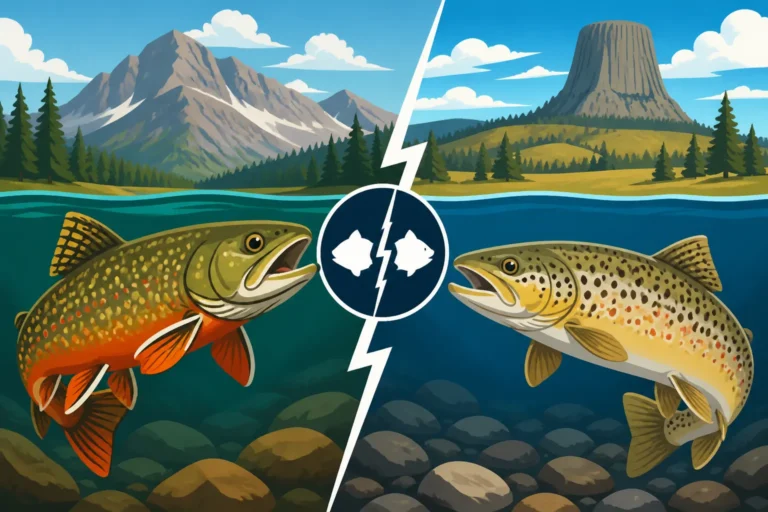
The term "invasive species" carries a heavy weight because it signifies a profound disruption. Imagine a bustling, diverse neighborhood where everyone has a role, and suddenly, a new, aggressive resident moves in who doesn't respect boundaries, consumes all the resources, and makes it impossible for the long-time residents to thrive. That's essentially what an invasive fish does in an aquatic ecosystem. They aren't just "non-native" fish; many non-native species, like rainbow trout or brown trout, have been intentionally introduced and now sustain fantastic fisheries without causing widespread ecological damage in their specific habitats. The key distinction is the harm they inflict.
These harmful invaders typically possess certain traits that make them so dangerous. They often grow quickly, reproduce prolifically, adapt to various conditions, and lack natural predators in their new environment. This allows them to outcompete or prey upon native species, leading to declines in populations of fish that have called these waters home for millennia. Understanding this fundamental difference—between a non-native fish that coexists and an invasive fish that destroys—is the first step in recognizing the threat. It's about protecting the natural heritage, not just managing fishing opportunities.
The Ripple Effect: Why a Single Invasive Fish Can Be Devastating
It might seem like just one or two non-native fish wouldn't make a difference, but that's where the danger lies. The ripple effect of even a small introduction can be catastrophic and far-reaching. Consider a remote, high-alpine lake that has historically hosted a healthy population of Golden Trout Fishing in Wyoming. These native fish have evolved over countless generations to thrive in their specific environment, relying on a delicate food web and specific spawning habitats. Now, imagine someone dumps a bucket of live baitfish, perhaps fathead minnows, into that lake. These minnows might not seem like much of a threat, but they can quickly reproduce, outcompeting the golden trout for the same insect larvae and zooplankton the trout need to survive.
Furthermore, these baitfish can introduce diseases or parasites that the native trout have no immunity to, leading to widespread sickness. Or, if the introduced species is a predator like a small northern pike, it might directly consume juvenile golden trout, eradicating a year class in a single season. The consequences don't stop with fish; they can extend to insect populations, aquatic plants, and even the birds and mammals that rely on native fish for food. The entire food web can unravel. This is why every single instance of an unauthorized introduction is a serious concern, and why anglers are absolutely vital in preventing these ecological domino effects.
Prime Suspects: Invasive Fish Species Anglers Should Recognize and Report
Being able to identify invasive fish species is your superpower as an angler. Knowing what to look for and understanding where these fish don't belong allows you to be an effective steward of Wyoming's waters. While the Wyoming Game and Fish Department (WGFD) actively manages some non-native species as game fish in certain areas, there are others that are considered outright invasive in most waters and should be reported immediately if discovered.
The Aggressive Predator: Northern Pike
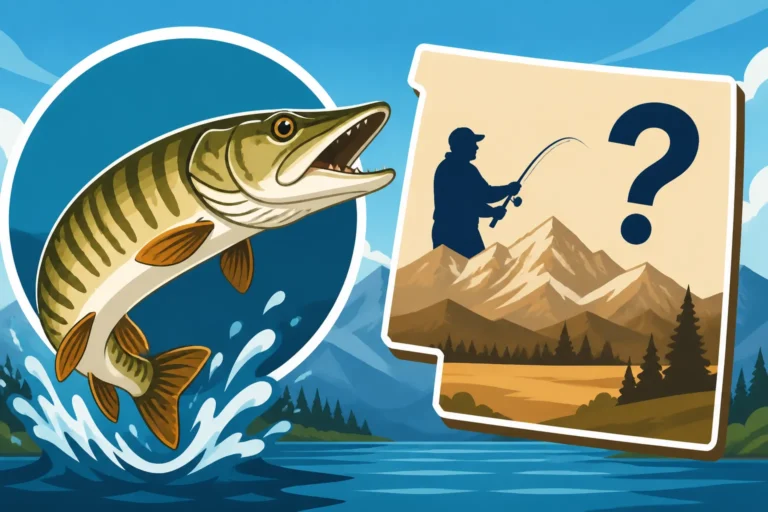
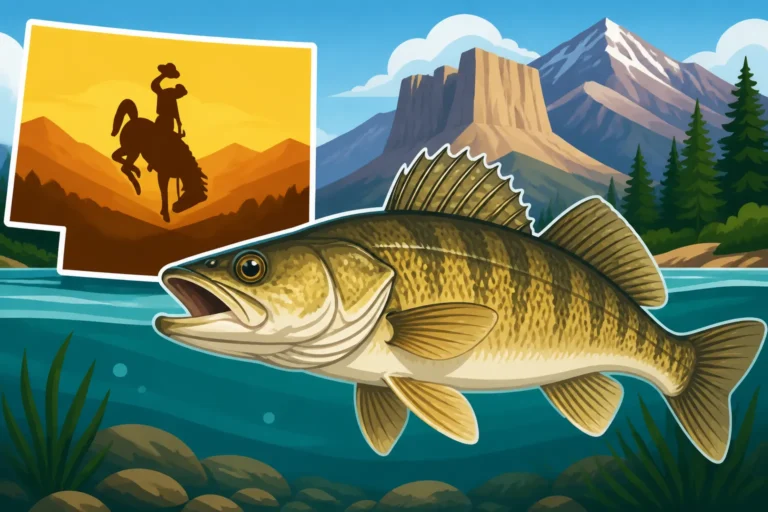
Northern Pike are a prime example of an invasive fish that poses a significant threat to Wyoming's native fisheries, particularly those supporting trout. These toothy predators are incredibly aggressive and voracious eaters, known for ambushing their prey. They're like the neighborhood bully who moves in and starts picking fights with everyone, especially the smaller, less aggressive residents. Where Are There Northern Pike in Wyoming?, they can quickly devastate populations of native cutthroat and even larger rainbow and brown trout. Their preferred habitat is often weedy, slower-moving water, but they are highly adaptable and can expand into new areas rapidly.
Pike mature quickly and have an impressive reproductive rate, meaning a small initial population can explode in just a few years. Anglers might enjoy the thrill of catching a large pike, but their presence often comes at the severe cost of native trout populations, which simply cannot compete or escape their predatory efficiency. If you catch a Northern Pike in waters where they are not managed or expected, especially in high-elevation lakes or designated trout streams, it's critical to report it. Do not release it back into the water. The WGFD will often ask anglers to harvest all pike caught in specific invasive waters to aid in control efforts.
Bottom Feeders and Habitat Destroyers: Common Carp
Common Carp might not have the same predatory reputation as a Northern Pike, but they are equally destructive in their own way. Think of them as a bulldozer in the aquatic environment. These large, hardy fish are bottom-feeders, constantly rooting around in the substrate for food. This activity stirs up sediment, increasing turbidity (cloudiness) in the water. This seemingly innocuous behavior has severe consequences: it smothers aquatic vegetation, which is vital habitat for many native fish, insects, and amphibians. It also makes it harder for sight-feeding fish, like trout, to find their prey.
Carp can tolerate a wide range of water conditions, including low oxygen levels and high temperatures, which allows them to thrive in waters where native species struggle. They also reproduce prolifically. Imagine trying to keep your house clean when someone is constantly kicking up dust and destroying the furniture! Their presence can fundamentally alter the ecosystem, reducing biodiversity and making the water less suitable for native species. If you encounter carp in sensitive waters, especially smaller lakes or ponds that might be connected to larger river systems, it's important to be aware of their destructive potential. While some waters have carp populations that are tolerated, any new or unexpected sighting in pristine areas should raise a red flag.
The Bait Bucket Brigade: Unauthorized Introductions
One of the most insidious ways invasive species are introduced is through the "bait bucket brigade"—anglers illegally using live bait or dumping their leftover bait at the end of a fishing trip. This seemingly harmless act is actually one of the leading causes of invasive species spread. Many small baitfish, like fathead minnows, bluntnose minnows, or even goldfish (yes, goldfish!), are incredibly hardy and can survive being dumped into a new lake or river. Once established, they can outcompete native forage fish, introduce diseases, or hybridize with native species. The dangers of baitfish introductions are a constant concern for fisheries managers.
It's not just baitfish, either. Sometimes, people release unwanted aquarium fish or even small game fish caught elsewhere, mistakenly believing they are doing the fish a favor or enhancing a fishery. This is precisely how species like Northern Pike often end up in new waters, having been moved by human hands. This practice is not only illegal in Wyoming but profoundly damaging. Always know the rules about Are Live Minnows Legal Bait in Wyoming? and adhere to them strictly. Never transport live fish from one waterbody to another, and always dispose of unused bait appropriately (e.g., in the trash, not in the water). An informed angler carries gear purchased from reputable sellers, perhaps from online stores like Amazon, ensuring it's free of hitchhiking invasives.
The Damage Report: How Invasive Species Harm Wyoming's Fisheries
The impact of invasive fish species isn't just theoretical; it's a very real, tangible threat that directly affects the health of our waters and the quality of our fishing experiences. The consequences can range from subtle changes in fish size and abundance to the complete collapse of native populations, forcing the Wyoming Game and Fish Department to undertake expensive and often difficult eradication efforts.
Outcompeting and Consuming: Impact on Native Trout
Wyoming is famous for its trout fishing, with species like the Yellowstone Cutthroat, Snake River Fine-Spotted Cutthroat, and our beloved Rainbows and Browns drawing anglers from around the globe. These native and long-established species have a delicate balance with their environment. Invasive species, however, throw that balance completely out of whack. Imagine a Northern Pike moving into a pristine cutthroat stream. The cutthroat, adapted to feeding on insects and small native fish, are suddenly confronted with a large, ambush predator that views them as an easy meal. The native trout have no natural defense mechanisms against such an introduced threat.
This isn't just about direct predation. Many invasive species, even those not considered primary predators, can outcompete native fish for food and space. For instance, if an invasive minnow species outnumbers native dace or suckers, it can quickly consume the limited insect larvae and zooplankton available, leaving less for juvenile trout. This leads to slower growth rates, reduced survival, and eventually, a decline in native trout populations. The result is often a fishery dominated by the less desirable invasive species, and a native fishery that suffers. This ecological pressure often necessitates special regulations, as detailed in Wyoming Fishing Regulations Every Angler Should Know, to protect remaining native populations.
Habitat Degradation and Water Quality Issues
The harm caused by invasive fish goes beyond just direct competition or predation. Many invasive species actively degrade the very habitat that native fish need to survive and reproduce. We mentioned common carp and their bottom-feeding habits. This constant churning of the lakebed or river bottom literally destroys the delicate structure of aquatic habitats. Spawning beds for trout, which require clean, oxygenated gravel, can be smothered by silt and mud stirred up by carp. The turbidity also reduces light penetration, impacting aquatic plant growth, which in turn affects the entire food chain.
Furthermore, some invasive species can alter the nutrient cycling in a waterbody, contributing to increased algal blooms, which deplete oxygen levels and create an unhealthy environment for most native fish. Imagine your favorite clear-water fishing spot slowly becoming murkier, less vibrant, and smelling a little off. This isn't just an aesthetic problem; it's a symptom of a degraded ecosystem that fewer and fewer native species can tolerate. The effort to reverse such degradation is immense and costly, often requiring years of dedicated conservation work, as discussed in Wyoming's Native Fish vs Introduced Species.
Genetic Pollution: Threat to Unique Native Strains
One of the less visible, but equally devastating, impacts of invasive species is genetic pollution. This occurs when an introduced species interbreeds with a native species, creating "hybrid" offspring. While hybrids can sometimes be more robust, in the context of native species conservation, it's a significant problem because it dilutes the unique genetic makeup of the native population. For example, if rainbow trout are introduced into a native cutthroat trout stream, they can interbreed to create "cutbows." While some anglers enjoy catching cutbows, this hybridization erodes the distinct genetic identity of the cutthroat trout, which have evolved for thousands of years to thrive in their specific environment.
This genetic dilution can lead to a loss of adaptation, making future generations less resilient to environmental changes or diseases. It's like losing a unique family heirloom that can never be replicated. Wyoming is home to several distinct subspecies of cutthroat trout, each with its own unique genetic heritage. Protecting these pure strains is a paramount conservation goal. The introduction of non-native trout or baitfish that can hybridize with native populations directly undermines these efforts, threatening the very genetic future of Wyoming's iconic fish. This is a subtle but profound reason why preventing unauthorized introductions is so crucial.
Your Call to Action: How Anglers Can Be the First Line of Defense
As anglers, we have a unique and powerful role to play in protecting Wyoming's precious aquatic resources from invasive species. We are often the first eyes on the water, the first to notice something unusual. Think of yourselves as the neighborhood watch for our rivers and lakes. Your actions, or inactions, can have a huge impact.
The "Clean, Drain, Dry" Protocol: Your Most Important Habit
This isn't just a catchy phrase; it's a mantra that every angler, boater, and recreational water user should live by. The "Clean, Drain, Dry" protocol is your single most effective tool against the spread of aquatic invasive species, including both fish and microscopic organisms like zebra and quagga mussels. Here's what it entails:
- Clean: Before leaving any water access area, thoroughly clean your boat, trailer, waders, boots, and all fishing gear. Remove any visible mud, plants, or debris. This includes pulling weeds from your propeller, scrubbing mud from your waders, and inspecting every nook and cranny of your boat and trailer. Don't forget livewells and bait buckets! A stiff brush and a good rinse (preferably with hot water) can go a long way. You can even find specialized cleaning tools for gear on Amazon to make this process more efficient.
- Drain: Completely drain all water from your boat, including the bilge, livewell, and engine, before leaving the access point. For waders and boots, ensure they are completely drained. This prevents transporting water that might contain microscopic invaders or even small fish eggs.
- Dry: Allow your boat, trailer, and all fishing gear to thoroughly dry for an extended period (ideally five days or more) before using them in another waterbody. If drying isn't possible, a thorough wash with high-pressure hot water (140°F or hotter) at a commercial car wash can be effective. This is especially important for items like felt-soled wading boots, which can harbor tiny organisms in their porous material.
Adhering to "Clean, Drain, Dry" is mandated by law in Wyoming, and Why Wyoming Requires Boat Inspections for Invasive Species explains why these measures are so crucial. It’s not just about compliance; it’s about responsible stewardship.
Know When and How to Report a Sighting
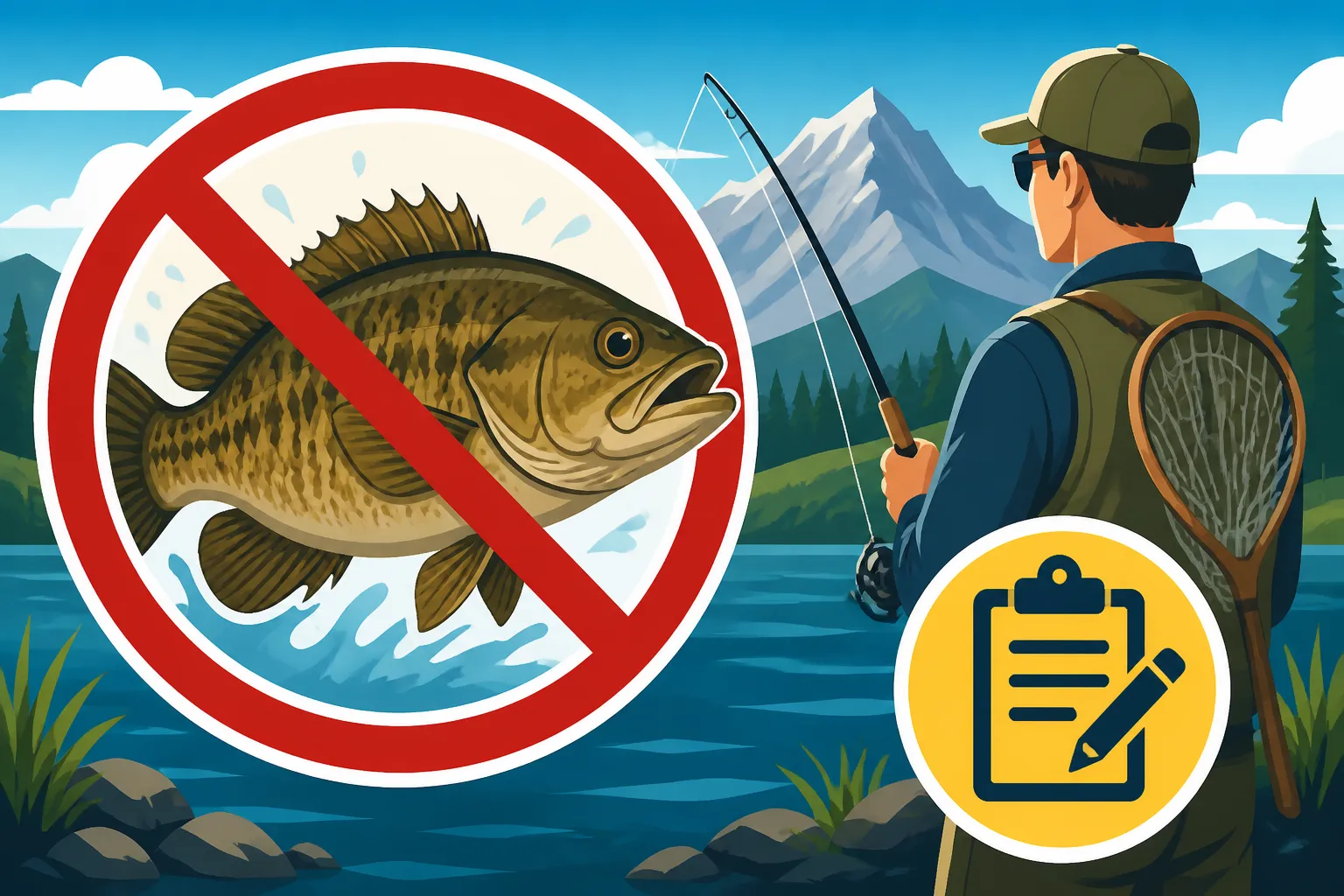
You are the frontline! If you suspect you've caught or observed an invasive fish species in a waterbody where it doesn't belong, reporting it promptly is critical. Don't assume someone else will do it. Quick action can make the difference between containment and widespread infestation. Here's a general approach, but always check the latest WGFD guidelines as described in How to Report an Invasive Fish Species in Wyoming:
- Do Not Release: If you catch a fish you suspect is invasive (like a Northern Pike in a trout-only stream), do not release it. If regulations allow, harvest it. This is often the case for species explicitly deemed invasive.
- Take Photos: Get clear photos of the fish from multiple angles, especially showing any distinctive markings, fins, and overall body shape. Place a ruler or a familiar object (like a fishing lure) next to it for scale.
- Note Location: Record the exact location where you caught or saw the fish. GPS coordinates are best, but detailed descriptions (e.g., "North shore of Willow Lake, 100 yards east of the boat ramp") are also helpful.
- Contact WGFD: Immediately contact your local Wyoming Game and Fish Department office or call their main dispatch line. They have specific protocols for handling such reports. Do not wait until you get home if possible.
- Preserve Specimen (if possible/requested): In some cases, WGFD might ask you to keep the specimen for positive identification. Follow their instructions carefully regarding storage.
Remember, the goal is not to penalize you, but to get critical information to the experts who can take action. What Happens If You Catch an Invasive Species in Wyoming outlines further details on reporting and what to expect.
Understanding Bait Rules: A Critical Prevention Step
The rules around bait fishing are not arbitrary; they are specifically designed to prevent the introduction and spread of invasive species. It's easy to overlook bait regulations, but they are a cornerstone of prevention. For instance, Where Bait Fishing Is Restricted in Wyoming often indicates sensitive native trout waters where even using common baitfish could inadvertently introduce a new, harmful species.
Before you head out, familiarize yourself with the bait restrictions for the specific waterbody you plan to fish. Some waters allow only artificial lures, some permit dead baitfish from approved sources, and others have strict regulations on the size and type of live bait that can be used. Never, ever use bait that you've collected from another waterbody, and never release unused live bait into the water. This is an absolute cardinal rule of conservation. Dispose of any leftover live bait in a trash receptacle, not into the lake or stream. Even seemingly innocent worms can carry diseases or introduce non-native organisms. If you need a field guide to double-check species identification, many excellent ones are available through Amazon that can help you understand what's native and what's not.
Wyoming's Proactive Battle: Management and Eradication Efforts
It's easy to feel overwhelmed by the threat of invasive species, but thankfully, the Wyoming Game and Fish Department (WGFD) is constantly working behind the scenes, using science and dedicated resources to combat these threats. Their efforts are comprehensive, ranging from preventative measures to active eradication.
Monitoring and Early Detection Programs
The first line of defense is knowing where invasive species are and, more importantly, where they aren't yet. WGFD runs extensive monitoring programs across the state, sampling waterbodies, deploying specialized traps, and utilizing environmental DNA (eDNA) techniques to detect the presence of invasive species at very low concentrations. This is like having a sophisticated early warning system. By detecting new introductions quickly, fisheries managers have a much better chance of containing or even eradicating the invaders before they become established and cause widespread damage.
These programs rely heavily on a combination of scientific expertise and public cooperation. Anglers who report suspicious catches contribute vital data to these monitoring efforts. WGFD also regularly updates its regulations and provides public resources, which you can find by learning How to Read Wyoming's Fishing Regulations Booklet, to ensure everyone is informed about potential threats. It's a continuous, vigilant process, often involving dedicated biologists spending countless hours on the water.
Specific Species Management and Removal Projects
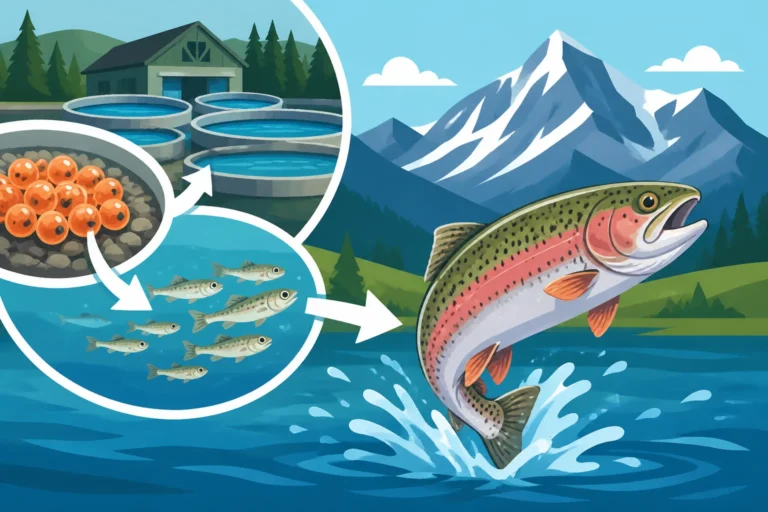
When invasive species are detected, WGFD employs a range of management and removal strategies tailored to the specific species and waterbody. These efforts can be incredibly challenging and resource-intensive, but they are essential for protecting native fisheries. For example, if Northern Pike are discovered in a critical trout fishery, WGFD might implement targeted netting, electrofishing, or even controlled rotenone treatments in isolated waters to remove the invaders. These projects are carefully planned to minimize impact on native species while effectively eliminating the invasive threat.
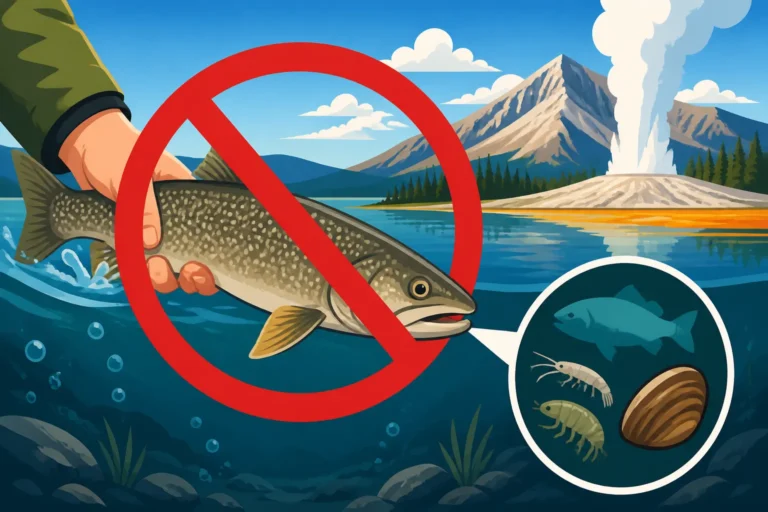
One well-known example is the ongoing effort to manage invasive lake trout in Yellowstone Lake within Yellowstone National Park (though managed by the NPS, it highlights similar issues in Wyoming). In Wyoming, WGFD works tirelessly on various waters. For instance, efforts to control Northern Pike in certain drainages where they threaten cutthroat populations are ongoing, as described in specific regulations and advisories related to What Invasive Fish Species Threaten Wyoming Waters. These projects demonstrate the department's commitment to active intervention when prevention fails, often requiring significant public support and understanding.
Public Education and Enforcement
Beyond the scientific and hands-on efforts, a cornerstone of Wyoming's invasive species strategy is public education and robust enforcement. WGFD invests in outreach programs, workshops, and informational materials to teach anglers, boaters, and other recreational users about the risks and responsibilities. They emphasize the importance of "Clean, Drain, Dry" and proper bait disposal, realizing that an informed public is the best defense. You might see WGFD personnel at boat ramps conducting inspections or providing educational materials.
Enforcement, while sometimes unpopular, is also a critical component. Fines and penalties for knowingly or negligently spreading invasive species, or for violating bait and transport regulations, serve as a deterrent. These measures are not meant to punish but to protect. Understanding Fines and Penalties for Common Fishing Violations can underscore the seriousness of these regulations. By educating the public and enforcing these vital rules, Wyoming aims to create a culture of stewardship where every person who enjoys our waters understands their role in preventing ecological disaster. To stay up-to-date on changes, it's wise to keep an eye on when How Often Wyoming Updates Its Fishing Regulations and any associated public announcements.
Invasive Fish Species to Watch For in Wyoming
To help you be a more effective steward, here's a table summarizing key invasive fish species to be aware of in Wyoming, their primary impacts, and what to do if you encounter them.
| Invasive Species | Primary Impact in Wyoming | Key Identification Features | Action If Encountered (General) |
|---|---|---|---|
| Northern Pike | Voracious predator of native trout, disrupts food webs. | Duck-bill snout, sharp teeth, elongated body, dark spots/patterns. | Do not release. Harvest (if legal). Report location to WGFD with photos. |
| Common Carp | Destroys habitat by stirring sediment, outcompetes natives. | Large scales, two barbels on upper lip, deep body, often brownish. | Do not release. Harvest. Report new sightings in sensitive waters. |
| Fathead Minnows | Outcompete native forage fish, disease carriers. | Small, stout body, blunt head, dark lateral stripe. | Never use as bait unless explicitly allowed. Never release unused bait. |
| Goldfish | Outcompete natives, introduce disease, grow very large. | Typically orange/gold, but can be dark/olive; deep body. | Do not release. Harvest. Report. (Often from aquarium dumping). |
| Quagga/Zebra Mussels | (Non-fish, but critical AIS) Filter feeders, clog pipes, alter food webs. | Small, D-shaped shells, zebra-like stripes, attach to hard surfaces. | Do NOT touch or remove by hand. Clean, Drain, Dry boat thoroughly. Report all sightings immediately to WGFD. |
This table serves as a quick reference, but always consult the most current WGFD regulations and resources for precise identification and reporting protocols in specific areas. Anglers play a vital role in preventing the spread of these harmful species and protecting Wyoming's precious aquatic ecosystems.
Disclaimer
This article is for general informational purposes only and does not constitute professional advice. Laws, prices and regulations vary by location and change over time. Consult a qualified professional for guidance on your specific situation.