Is the Yellowstone Cutthroat Trout Endangered?
It can be really confusing to keep track of the conservation status of our beloved native fish, especially when you hear different things from different sources or see shifting regulations. Many anglers, myself included, have wondered about the Yellowstone Cutthroat Trout – is this iconic species truly endangered, or is its situation more nuanced? This guide is here to cut through the confusion and give you a clear, empathetic look at the challenges and triumphs facing the Yellowstone Cutthroat, and how we, as responsible anglers, fit into its future.
Understanding the Yellowstone Cutthroat Trout
The Yellowstone Cutthroat Trout (Oncorhynchus clarkii bouvieri) holds a special place in the hearts of Wyoming anglers. It's not just a fish; it's a symbol of the wild, untamed beauty of our region. For generations, these trout have thrived in the cold, clear waters that define the Greater Yellowstone Ecosystem, painting our streams and lakes with their distinctive crimson slashes. Understanding their natural history and where they traditionally belong is crucial to appreciating the challenges they face today.
A Native Treasure of Wyoming
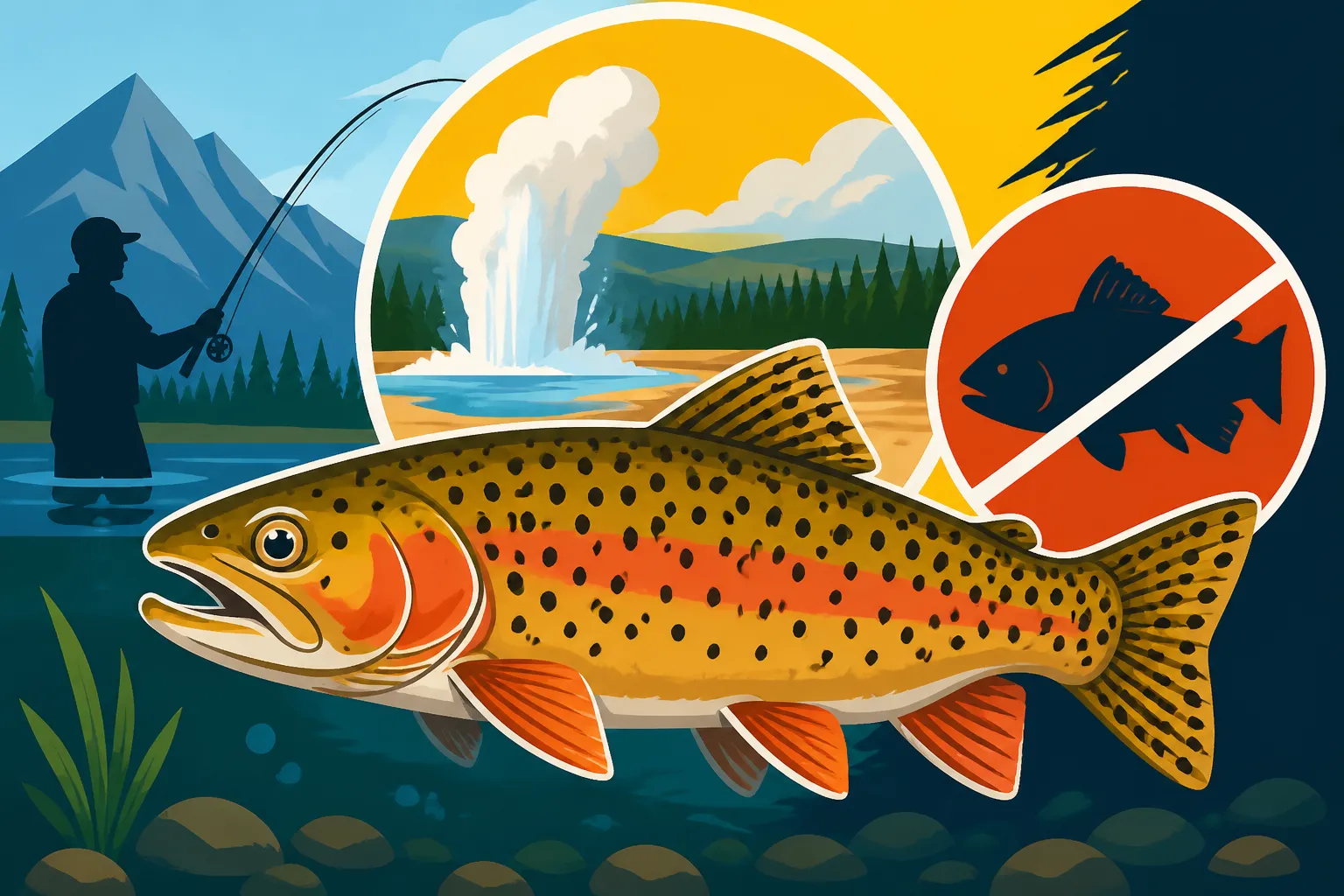
Imagine casting a line into a pristine mountain stream, the air crisp and clean, and pulling out a vibrant fish with bright red markings under its jaw – that's the quintessential Yellowstone Cutthroat experience. These aren't just any trout; they are one of several subspecies of cutthroat trout native to Western North America, and the Yellowstone Cutthroat in particular is an ecological cornerstone of the Yellowstone region. They are incredibly important to the health of the entire ecosystem, serving as a primary food source for a variety of wildlife, from bears and eagles to otters and ospreys. Without healthy populations of Yellowstone Cutthroat, the entire food web can suffer, which affects so much more than just our fishing opportunities. They truly are a native treasure, a living piece of our wild heritage. If you're curious to learn more about identifying these beautiful fish, check out our guide on Identifying a Yellowstone Cutthroat Trout.
The Historical Landscape of Their Range
Historically, the Yellowstone Cutthroat Trout occupied a vast range across western Wyoming, parts of Idaho, Montana, and even some areas of Utah. Their stronghold, as their name suggests, was the Yellowstone River drainage, including the massive Yellowstone Lake, which is home to the largest inland population of this subspecies. But their presence extended far beyond the park boundaries, threading through countless rivers and streams like the Snake River drainage and into many of our high-alpine lakes. They were, in essence, the dominant trout species in these waters, adapting over millennia to the unique conditions of these mountain environments. This expansive natural distribution is what made them so resilient for so long, but it also made them vulnerable once new threats emerged. It's fascinating to consider Where Yellowstone Cutthroat Trout Are Native in Wyoming and how their historical range has changed.
Threats and Challenges to the Yellowstone Cutthroat
Despite their historical dominance and adaptability, Yellowstone Cutthroat Trout have faced, and continue to face, significant threats that have led to population declines in many areas. It’s not just one issue, but a combination of factors that have put pressure on this iconic fish. It's easy to feel overwhelmed by the scale of these problems, but understanding them is the first step towards being part of the solution.
The Invasion of Non-Native Species
Perhaps the most significant threat to the Yellowstone Cutthroat Trout, especially in its most vital stronghold of Yellowstone Lake, comes from invasive, non-native fish species. The introduction of lake trout (also known as Mackinaw) into Yellowstone Lake has had a devastating impact. Lake trout are voracious predators that compete with and prey upon the smaller native cutthroat, disrupting a delicate balance that existed for thousands of years. This isn't just a Yellowstone Park problem; non-native rainbow trout, brown trout, and brook trout have also been introduced into various waters across Wyoming. While these fish offer fantastic angling opportunities in many places, they can also outcompete cutthroat for food and habitat, and in the case of rainbow trout, lead to hybridization. Hybridization, where different species interbreed, dilutes the genetic purity of the native cutthroat, making them less adapted to their specific environment. The fight to control lake trout in Yellowstone Lake is an ongoing, monumental effort, and understanding Why Lake Trout Are Considered a Problem in Yellowstone Lake really puts it into perspective.
Habitat Degradation and Climate Concerns
Beyond invasive species, the Yellowstone Cutthroat's habitat itself faces various pressures. Historic logging, mining, and agricultural practices have, in some areas, led to sedimentation, increased water temperatures, and altered stream flows. While many of these practices are now regulated more strictly, the legacy effects linger. Things like poorly designed culverts can block fish migration, preventing them from accessing crucial spawning grounds or thermal refuges. More recently, the specter of climate change looms large. Warmer temperatures can reduce water flow, decrease dissolved oxygen levels, and push trout into smaller, less productive areas. Droughts, which seem to be more frequent and severe in recent years, exacerbate these issues, concentrating fish and making them more susceptible to disease or predation. Ensuring healthy stream banks and cold water is essential, and many conservation groups are actively working on habitat restoration projects that help mitigate these challenges.
Disease and Hybridization Issues
As mentioned, hybridization with rainbow trout is a major concern for the genetic integrity of Yellowstone Cutthroat populations. When rainbow trout are introduced into cutthroat territory, they can interbreed, creating "cutbow" hybrids. While these hybrids can be fun to catch, they often lack the survival advantages of pure Yellowstone Cutthroat in their native habitat. This genetic dilution can weaken the overall population. Beyond hybridization, disease is another silent threat. Whirling disease, a parasitic affliction that deforms the spines and skulls of young trout, can decimate populations, particularly in hatcheries and certain stream systems. Increased stress from habitat degradation or warmer waters can also make fish more vulnerable to other pathogens. It's a complex web, and managing these disease and genetic threats often requires careful monitoring and sometimes drastic measures to protect the remaining pure strains of Yellowstone Cutthroat. Knowing Cutthroat vs Rainbow Trout: Telling Them Apart can even help you identify these hybrids.
The Current Conservation Status
Given these significant challenges, it's natural to wonder about the official status of the Yellowstone Cutthroat Trout. Is it on the brink of extinction? While its situation is serious and requires ongoing attention, the good news is that the Yellowstone Cutthroat Trout is not currently listed as an endangered species under the Endangered Species Act. However, that doesn't mean it's out of the woods, and constant vigilance and active conservation are absolutely vital.
Official Designations and Ongoing Efforts
The Yellowstone Cutthroat Trout is classified as a "Species of Concern" by many state and federal agencies, including the U.S. Fish and Wildlife Service, which indicates that while it's not federally listed as threatened or endangered, it is facing threats that could lead to such a listing if not addressed. The Wyoming Game and Fish Department, along with partners like Trout Unlimited and the National Park Service, are engaged in extensive, multi-faceted conservation programs. These efforts include aggressive lake trout suppression in Yellowstone Lake – a program that costs millions and employs many dedicated individuals, often utilizing techniques like gill netting and suppression fishing. Other efforts focus on restoring degraded stream habitats, removing barriers to fish passage, and stocking pure-strain Yellowstone Cutthroat Trout into waters where they once thrived but have been extirpated. Research is also ongoing to better understand their genetics, movements, and overall health. You can find many informative books and guides on Amazon that delve deeper into these scientific efforts and the broader challenges facing native trout, offering a perspective beyond just angling.
Here's a quick overview of threats and current solutions:
| Threat Category | Specific Challenges to Yellowstone Cutthroat Trout | Conservation Solutions |
|---|---|---|
| Invasive Species | Lake trout predation, competition from non-native trout | Lake trout suppression (e.g., gill netting in Yellowstone Lake), non-native trout removal, barrier construction |
| Habitat Degradation | Sedimentation, increased water temperatures, altered stream flows, migration barriers | Stream restoration (riparian planting, bank stabilization), culvert removal/replacement, flow management |
| Climate Change | Warmer water, reduced flows, increased drought frequency | Long-term habitat resilience projects, identifying thermal refugia, advocating for sustainable water use |
| Disease & Hybridization | Whirling disease, interbreeding with rainbow trout (cutbows) | Genetic testing, maintaining pure-strain populations, disease monitoring, barrier creation to prevent hybridization |
How Anglers Play a Role in Conservation
As anglers, we have a direct and incredibly important role to play in the conservation of Yellowstone Cutthroat Trout. The most immediate way is by practicing responsible catch-and-release, especially for native cutthroats. This means minimizing handling, keeping the fish in the water as much as possible, and using barbless hooks to reduce injury. You can learn more about proper techniques in our guide to Catch-and-Release Rules on Wyoming Waters. In some waters, regulations specifically target non-native species. For example, in Yellowstone Lake, anglers are often required to keep any lake trout they catch, and releasing them is illegal – it's part of the broader Wyoming's Lake Trout Removal Efforts in Yellowstone Lake. Always check the most current regulations for the specific waterbody you're fishing. Beyond the immediate act of fishing, supporting conservation organizations, volunteering for habitat projects, and educating others about the importance of native fish are all ways to contribute. Even purchasing your fishing gear from retailers that support conservation efforts, like those found on Amazon that contribute to outdoor initiatives, can indirectly help.
What the Future Holds for Yellowstone Cutthroat
The future of the Yellowstone Cutthroat Trout is not set in stone; it's a dynamic story still being written by science, policy, and the actions of people like us. While the challenges are real and complex, there's also a significant amount of dedication and effort being poured into their recovery.
Collaborative Conservation Initiatives
One of the most encouraging aspects of Yellowstone Cutthroat conservation is the spirit of collaboration. No single agency or group can tackle these challenges alone. The Wyoming Game and Fish Department, the National Park Service, the U.S. Forest Service, and many non-governmental organizations like Trout Unlimited and local watershed groups are all working together. These partnerships pool resources, share expertise, and coordinate efforts across jurisdictions, which is absolutely vital for a species that spans such a large and diverse landscape. Initiatives include large-scale habitat restoration projects, genetic research to identify and protect pure-strain populations, and public education campaigns to raise awareness. Even a simple fishing trip inside Fishing Rules Inside Yellowstone National Park means adhering to regulations designed to protect these fish. The collective strength of these diverse groups provides hope that this iconic fish will continue to grace our waters for generations to come.
Your Part in Protecting This Iconic Species
So, what more can you do? Beyond following regulations and practicing ethical angling, consider becoming a more active participant. Stay informed about local conservation efforts. Many organizations welcome volunteers for stream cleanups, habitat monitoring, or even helping with fish surveys. If you're passionate about the outdoors, a simple search on Amazon for books on stream ecology or native trout conservation can deepen your understanding and inspire further action. Support agencies and organizations that are dedicating their time and resources to native fish recovery. Remember that fishing is a privilege, and with that privilege comes a responsibility to protect the very resources we enjoy. The Yellowstone Cutthroat Trout is more than just a target species; it's a vital indicator of ecosystem health. By doing our part, we ensure that the crimson slash of the Yellowstone Cutthroat remains a vibrant part of Wyoming's wild heart. Staying up-to-date on changes like What Changed in Wyoming's 2026 Fishing Regulations can also ensure you're always fishing responsibly.
Disclaimer
This article is for general informational purposes only and does not constitute professional advice. Laws, prices and regulations vary by location and change over time. Consult a qualified professional for guidance on your specific situation.