Do You Have to Kill Lake Trout Caught in Yellowstone Lake?
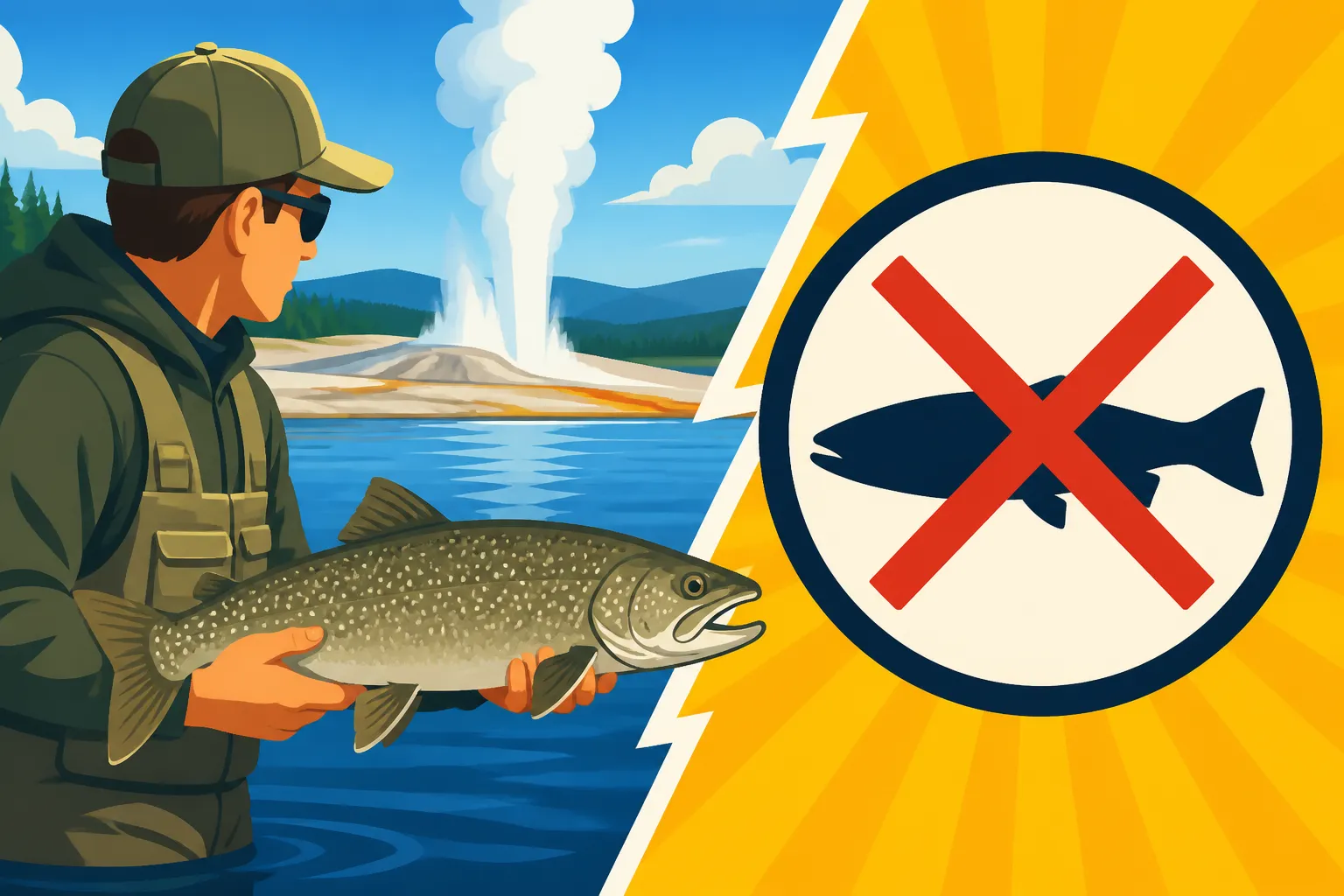
It's a question many anglers, particularly those visiting Yellowstone National Park for the first time, grapple with: "Do I really have to kill that Lake Trout I just caught in Yellowstone Lake?" The answer, unequivocally, is yes. Unlike the general principles of catch-and-release fishing that many of us embrace for conservation, Yellowstone Lake has a unique and critical mandate: any Lake Trout caught must be immediately killed. This guide will explain the crucial reasons behind this strict rule and what it means for your fishing experience in this iconic natural wonder.
The Strict Mandate: Why Lake Trout Must Be Killed in Yellowstone Lake
For most of us, the idea of intentionally killing a fish we've caught, especially one as magnificent as a Lake Trout, goes against our ingrained fishing ethics. We value the sport, the fight, and the beauty of the fish, often releasing them to fight another day. However, Yellowstone Lake is a unique and fragile ecosystem where the presence of Lake Trout represents a severe threat to native species and the broader environment. The mandate to kill them is not a suggestion; it's a critical conservation measure.
This isn't about personal preference or even traditional angling. It's about protecting something irreplaceable. When you cast your line into Yellowstone Lake, you're not just fishing; you're participating in a vital restoration effort. Understanding this fundamental difference is key to appreciating why the rules are so stringent here.
The Invasive Threat to Native Cutthroat Trout
The primary reason for the "kill on sight" rule for Lake Trout in Yellowstone Lake boils down to one critical factor: they are an invasive species, and they are decimating the native Yellowstone Cutthroat Trout population. These Lake Trout were illegally introduced into the lake decades ago, and their presence has caused a cascade of devastating ecological impacts that threaten the very fabric of the park's ecosystem.
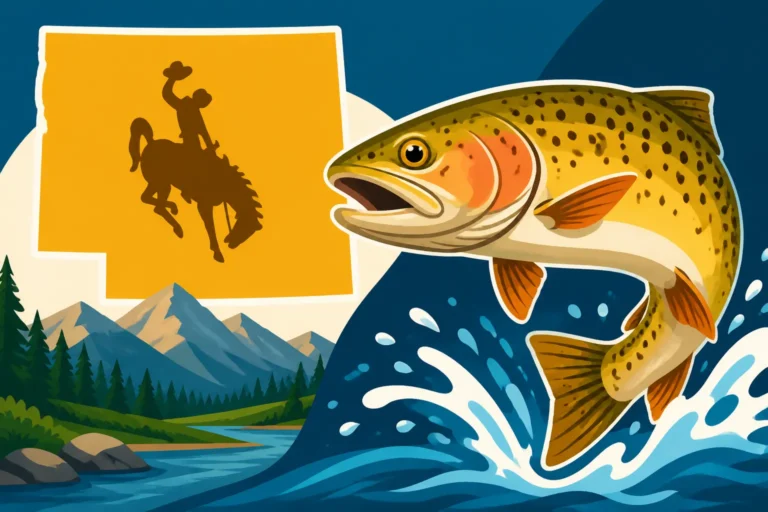
Yellowstone Cutthroat Trout are not just another fish; they are a keystone species in Yellowstone. This means their health and abundance are vital for the survival of many other species, including iconic Yellowstone wildlife like grizzly bears, bald eagles, and otters. These predators rely heavily on the cutthroat trout as a crucial food source, particularly during their spawning runs. When the cutthroat population declines, the ripple effect on these animals is profound and immediate.
Lake Trout, or Mackinaw as they're also known, are incredibly efficient predators. They grow much larger and live significantly longer than the native cutthroat, and critically, they feed directly on the smaller cutthroat trout, especially juveniles. They inhabit the same deep, cold waters where cutthroat often seek refuge, turning those safe zones into hunting grounds. This predatory pressure has led to a dramatic and alarming decline in the native cutthroat population, pushing the ecosystem dangerously out of balance. The sheer scale of the problem is why anglers are deputized, in a sense, to help with their removal. You can learn more about this specific challenge in Why Lake Trout Are Considered a Problem in Yellowstone Lake.
How Yellowstone's Ecosystem Is Uniquely Vulnerable
Yellowstone Lake itself presents a unique set of circumstances that makes it particularly vulnerable to the unchecked proliferation of Lake Trout. It's a massive, deep, and cold-water body, providing an ideal habitat for Lake Trout to thrive and reproduce without natural predators or significant competition. Unlike other lakes in Wyoming, such as Flaming Gorge or Jackson Lake, where Lake Trout are managed as a desirable sport fish, in Yellowstone Lake, they are an unwelcome intruder.
The lake's immense size and intricate underwater topography, with its deep basins and rocky structures, offer abundant hiding spots where Lake Trout can flourish relatively unmolested. This makes large-scale removal efforts challenging and incredibly expensive. They can retreat to depths where other predators can't reach them effectively, and their rapid reproductive rate means they can quickly rebound even after intensive suppression efforts. For a deeper dive into the lake itself, check out How Deep Is Yellowstone Lake or the general Yellowstone Lake Fishing Guide.
What's also at stake is the unique genetic purity of the Yellowstone Cutthroat. This subspecies of trout is found nowhere else in the world in such a pristine, native context. The ongoing predation by Lake Trout not only reduces their numbers but also puts pressure on the genetic integrity of a species that has adapted to this specific environment over millennia. The park views the protection of this native lineage as paramount, making every Lake Trout caught and removed a win for biodiversity.
Understanding the "Kill Them All" Rule in Practice
When you prepare for a fishing trip to Yellowstone Lake, you need to adjust your mindset and gear. The "kill on sight" rule for Lake Trout isn't just a guideline; it's a mandatory part of the park's conservation strategy. This means that if you hook a Lake Trout, you are legally and ethically obligated to ensure it does not return to the water alive. This practice is a direct contribution to the ongoing efforts to restore the native fishery.
It can feel strange at first, especially if you're accustomed to releasing fish. However, knowing the ecological stakes transforms this act from a simple catch to a meaningful contribution to conservation. You're not just fishing for recreation; you're actively participating in the management of one of America's most treasured natural parks.
Practical Implications for Anglers
The most immediate practical implication for anglers is straightforward: there is no catch and release for Lake Trout in Yellowstone Lake. The moment you land one, your responsibility is to dispatch it quickly and humanely. This means coming prepared. Seasoned anglers heading to Yellowstone often bring specific tools for this purpose, such as a sturdy priest (a small, heavy club designed for humane fish dispatch) or a pair of robust pliers for removing hooks and ensuring the fish doesn't revive. Many of these practical tools can be found on online marketplaces like Amazon, ensuring you're ready for the unexpected catch.
There are no size or bag limits for Lake Trout in Yellowstone Lake. In fact, the park encourages anglers to remove as many as possible. Every single Lake Trout taken out of the water represents one less predator consuming native cutthroat trout. This makes it a unique fishing experience where your success in catching this particular species directly benefits the wider ecosystem, turning every catch into a conservation act.
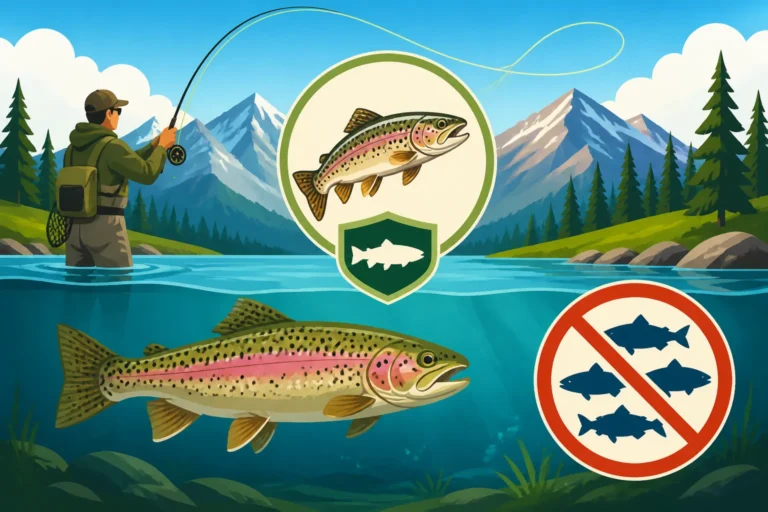
Remember, this rule applies specifically to Lake Trout. Other species, like the native cutthroat, will have different regulations regarding catch limits and release requirements, which you must familiarize yourself with before fishing. Always consult the most current Yellowstone National Park fishing regulations, available with your required fishing permit.
Reporting Your Catch and Disposal Guidelines
While you aren't typically required to formally "report" every single Lake Trout you catch to a park ranger (unless you're participating in a specific research program or have an unusually large catch), park staff are keenly interested in overall angler participation in Lake Trout removal. Sometimes there are collection points or opportunities to contribute data, but the most important thing for the average angler is simply to remove the fish from the ecosystem.
So, what do you do with the Lake Trout once it's dispatched? You have a couple of options. Lake Trout are excellent table fare! They are a delicious, firm-fleshed fish, especially the smaller ones. Many anglers choose to keep their catch for a fresh meal. If you decide to keep them, ensure you transport them according to park regulations, usually gutted and on ice, preventing any attraction of wildlife. This is where a good cooler, also easily found on Amazon, becomes an essential piece of gear.
If you don't wish to keep the fish, proper disposal is critical. Do not simply throw the carcass back into the lake or leave it on the shore where it might attract bears or other wildlife, potentially habituating them to human food sources. In some designated areas, there might be specific disposal bins or cleaning stations. However, the general guidance is to remove the fish from the park if you're not going to consume it on site, or to dispose of it in a manner that won't create a wildlife attractant. The key is to completely remove it from the ecological equation of the lake. These efforts are part of the larger Wyoming's Lake Trout Removal Efforts in Yellowstone Lake.
The Broader Conservation Efforts and Why They Matter
The individual angler's role in removing Lake Trout from Yellowstone Lake is immensely important, but it's part of a much larger, coordinated effort. The National Park Service and its partners have invested significant resources into comprehensive Lake Trout suppression programs. These programs are essential to protect the future of the native Yellowstone Cutthroat Trout and, by extension, the entire ecosystem that depends on them. Your participation directly supports these broader goals.
Understanding these larger efforts helps to underscore why your individual actions, even just one fish at a time, contribute to a monumental conservation challenge. It's a testament to the park's commitment to preserving its natural heritage for generations to come.
Active Lake Trout Suppression Programs
Beyond the efforts of recreational anglers, the National Park Service leads extensive, multi-million dollar Lake Trout suppression programs. These initiatives are incredibly complex and involve a variety of specialized techniques designed to target Lake Trout while minimizing impact on native species. One of the primary methods is widespread gillnetting, where large nets are strategically deployed in areas known to be Lake Trout spawning grounds or migration routes. These nets are carefully monitored and retrieved to remove as many Lake Trout as possible.
Other methods include specialized trapping, and in certain situations, even electrofishing in specific shallow areas where Lake Trout might aggregate. These efforts are continuous and intensive, highlighting the severity and persistence of the Lake Trout threat. The ultimate goal of these programs is not necessarily complete eradication, which is an almost impossible task in such a vast lake, but rather a significant and sustained suppression of the Lake Trout population. This suppression aims to reduce their numbers to a point where the native Yellowstone Cutthroat Trout can rebound and thrive, restoring the lake's ecological balance.
These programs are expensive and require constant vigilance, serving as a powerful reminder of how much is at stake. They represent a significant commitment to conservation, and every Lake Trout an angler removes complements this scientific and logistical undertaking.
How Anglers Contribute to Ecosystem Restoration
As an angler, you might feel like your single catch isn't a big deal in the grand scheme of a massive lake. However, in Yellowstone Lake, every single Lake Trout removed by an angler is a significant contribution. It's one less voracious predator feeding on the fragile native cutthroat population. This makes recreational anglers a crucial, volunteer-based component of the overall conservation strategy. It's a rare and powerful opportunity to actively participate in conservation simply by enjoying your favorite pastime.
Your decision to fish for Lake Trout and follow the regulations directly aids in protecting the food source for bears that rely on the cutthroat spawn, the eagles soaring overhead, and the otters playfully navigating the lake's banks. It's a direct way to help ensure the health of an entire ecosystem. To participate, remember that a standard Wyoming fishing license isn't sufficient for fishing within Yellowstone National Park; you'll need a specific Yellowstone National Park fishing permit. You can find more details on this in What License You Need to Fish Inside Yellowstone and Fishing Rules Inside Yellowstone National Park.
This collective effort, combining both professional suppression programs and diligent angler participation, provides the best chance for the native Yellowstone Cutthroat Trout to recover and for the unique ecosystem of Yellowstone Lake to return to a healthier, more balanced state. It's truly a chance to make a difference with your rod and reel.
Comparison of Lake Trout Regulations: Yellowstone vs. Other Wyoming Waters
To illustrate the unique nature of Yellowstone Lake's Lake Trout regulations, here's a comparison with how Lake Trout are typically managed in other popular Wyoming fishing destinations. This highlights the critical difference in conservation goals.
| Water Body | Species | Bag Limit | Possession Limit | Release Requirement | Special Notes |
|---|---|---|---|---|---|
| Yellowstone Lake | Lake Trout | None (remove as many as possible) | None | Must Kill | Invasive species; critical for native cutthroat recovery. Yellowstone-specific permit required. |
| Flaming Gorge Reservoir | Lake Trout | Specific limits apply (check current regulations) | Specific limits apply (check current regulations) | Optional or mandatory by size/number. Consult regulations. | Managed as a sport fish; popular for trophy Lake Trout. Lake Trout (Mackinaw) Fishing in Wyoming |
| Jackson Lake | Lake Trout | Specific limits apply (check current regulations) | Specific limits apply (check current regulations) | Optional or mandatory by size/number. Consult regulations. | Managed as a sport fish; important habitat for other native species. Jackson Lake Fishing Guide |
| Other Wyoming Lakes/Rivers | Lake Trout | If present, specific limits apply | If present, specific limits apply | Typically optional | Varies greatly by water; always check local regulations for that specific water. |
This table clearly shows that while Lake Trout are a prized sport fish in many Wyoming waters, their status in Yellowstone Lake is entirely different, driven by the urgent need for ecosystem restoration. Regardless of where you choose to fish, always consult the most current regulations for that specific body of water, as rules can change. For a broader look at trout in the state, you might be interested in How Many Trout Species Live in Wyoming.
Disclaimer
This article is for general informational purposes only and does not constitute professional advice. Laws, prices and regulations vary by location and change over time. Consult a qualified professional for guidance on your specific situation.