Can Cutthroat and Rainbow Trout Interbreed?
You're out there on a crisp Wyoming morning, casting your line into a sparkling mountain stream, and suddenly you hook into a beautiful trout. As you bring it in, you notice something a little… different. It’s got the vibrant red slash under its jaw that screams "cutthroat," but then you see the distinct spots that fan out across its tail and body, almost like a rainbow. You might find yourself scratching your head, wondering, "Wait, what kind of trout is this, exactly?" It's a common and completely valid confusion, especially in a state like Wyoming where trout diversity is so rich. This happens more often than you might think, and it leads to a fascinating biological phenomenon that has significant implications for our beloved fisheries.
This guide will dive deep into the intriguing world of trout hybridization, specifically focusing on whether cutthroat and rainbow trout can interbreed, what these unique fish are called, why they are so prevalent in Wyoming's waters, and what it all means for both the fish and us anglers.
The Genesis of Trout Hybrids: Understanding Cutbows
The natural world is full of surprises, and sometimes, species that are closely related can, under certain conditions, produce offspring. When it comes to cutthroat and rainbow trout, this isn't just a possibility; it's a reality that has shaped many of Wyoming's fisheries.
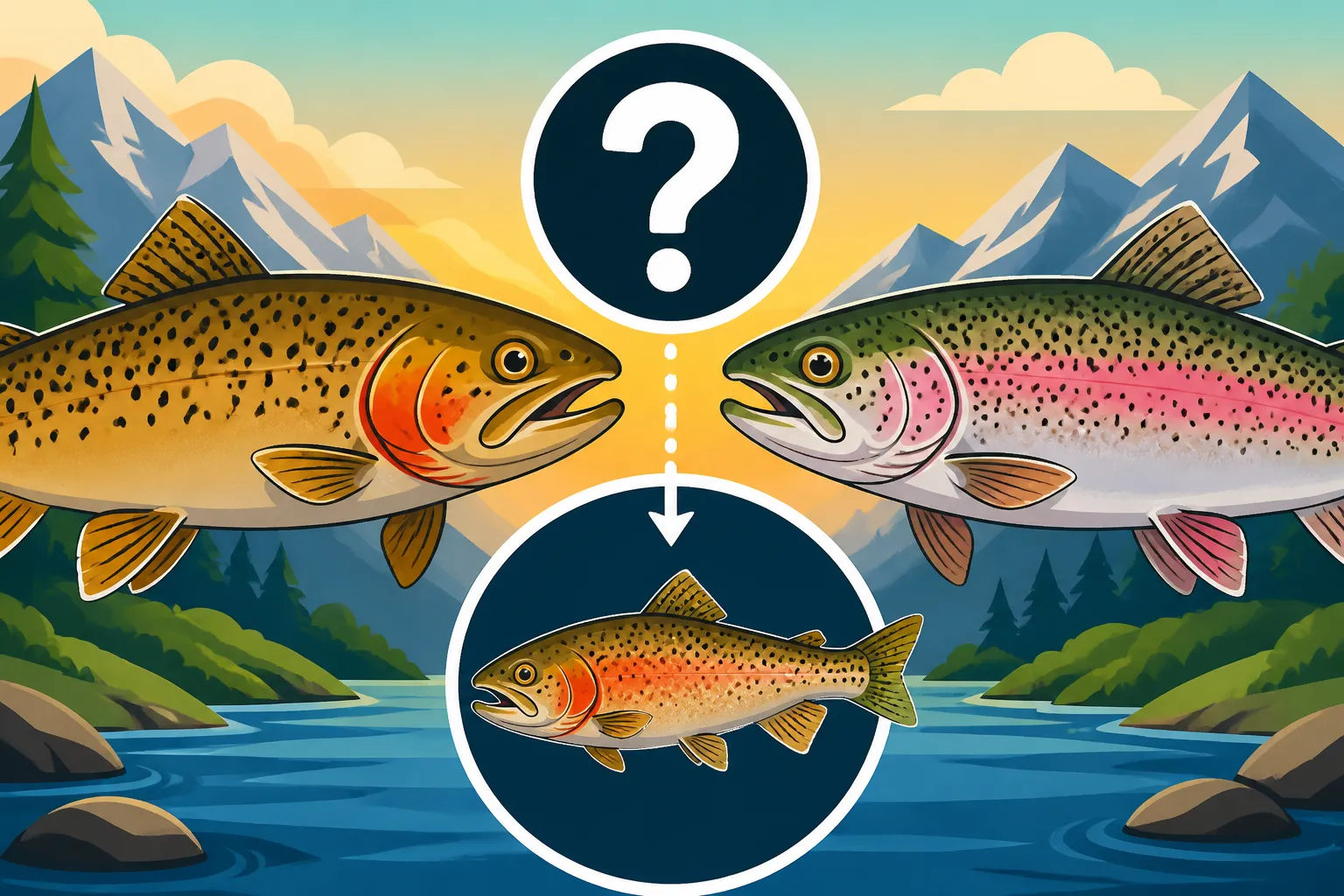
What Exactly is a Cutbow?
A "cutbow" is the common term for a hybrid trout resulting from the interbreeding of a cutthroat trout (genus Oncorhynchus clarkii) and a rainbow trout (genus Oncorhynchus mykiss). These two species are part of the broader Oncorhynchus genus, which means they share enough genetic similarity to successfully reproduce. While they are distinct species, their genetic compatibility allows for cross-breeding, especially when their spawning grounds and seasons overlap.
Genetically, a cutbow will carry traits from both parent species. This isn't like a mule, which is sterile; cutbows can often reproduce, though their offspring might exhibit reduced fertility or other genetic anomalies. The characteristics they inherit can vary wildly, making identification a real puzzle for even seasoned anglers. Some cutbows might lean heavily towards their cutthroat parentage, showing strong red slashes and fewer body spots, while others might appear almost entirely like a rainbow, with just a hint of the cutthroat's signature jaw markings. It's truly a mixed bag, and each fish can be a unique blend of its lineage.
Why Does This Happen in Wyoming's Waters?
Wyoming, with its vast and interconnected waterways, provides an ideal—and sometimes problematic—environment for cutthroat and rainbow trout to interbreed. The primary reason for this widespread hybridization stems from human intervention: the historic stocking of non-native rainbow trout into waters that were traditionally home to native cutthroat populations.
For decades, rainbow trout were stocked widely across the state due to their adaptability, strong fighting characteristics, and excellent growth rates. They thrive in a variety of conditions, from clear mountain streams to larger reservoirs, and quickly became a favorite among anglers. The problem arose when these introduced rainbows began to share habitat and spawning areas with Wyoming's native cutthroat species, such as the Yellowstone cutthroat trout. When the two species spawn in the same vicinity, particularly during similar times of the year, cross-pollination of eggs occurs, leading to the birth of cutbows. The natural barriers that might have kept these species apart in the past were often circumvented by stocking practices, creating these new hybrid zones. This is a complex issue, as these introduced species often outcompete or genetically dilute native populations, a significant concern for conservationists dedicated to preserving the purity of our state fish, Wyoming's State Fish: The Yellowstone Cutthroat.
Identifying a Cutbow Trout in the Field
Distinguishing between a pure cutthroat, a pure rainbow, and a cutbow can be one of the trickiest parts of trout fishing in Wyoming. While some fish clearly display dominant traits from one parent, others are a near-perfect blend, making precise identification a true challenge.
Key Characteristics to Look For
When you've got a fish in hand and you're trying to figure out if it's a cutbow, here are some key features to examine. Remember, no single trait is definitive; it's often a combination of factors that gives you the best clue.
- Red or Orange Slashes: This is the hallmark of a cutthroat trout. Look for those distinct "cutthroat" markings in the folds under the lower jaw. Pure rainbows typically lack this. A cutbow might have a faint or broken slash, or even a full, vibrant one.
- Spotting Pattern: Rainbow trout are known for their numerous, small, and evenly distributed black spots, often extending onto the dorsal fin and tail. Cutthroat trout also have spots, but they are generally larger, more irregular, and tend to be concentrated towards the tail end of the fish. A cutbow might have a spotting pattern that is dense like a rainbow but perhaps larger spots concentrated at the tail, or a mix of both.
- Lateral Band: Rainbows often display a prominent, iridescent pink or red lateral band running along their sides, especially during spawning. While some cutthroats can have a faint blush, it's rarely as vivid or distinct as a rainbow's. A cutbow might show a muted version of this band.
- Mouth and Maxillary: Cutthroat trout generally have a larger mouth that extends well past the eye. Rainbows usually have a smaller mouth, with the maxillary typically not extending beyond the back of the eye. A cutbow might fall somewhere in between these two extremes.
- Coloration: Both species can vary greatly in color depending on diet, habitat, and spawning cycles. However, cutthroats often have more olive-green or golden tones, while rainbows can be brighter, more silver, especially in lake environments.
Here's a quick comparison table to help visualize these differences:
| Feature | Pure Cutthroat Trout | Pure Rainbow Trout | Cutbow (Hybrid) |
|---|---|---|---|
| Jaw Slash | Distinct red/orange mark under lower jaw | Absent or very faint | Present, but can be faint, broken, or full |
| Spotting | Larger, irregular spots; denser near tail | Numerous, small, even spots; extend to head | Varies; can be a mix of both patterns |
| Lateral Band | Usually absent or faint pink/red | Often prominent, iridescent pink/red | Can be present, but often muted or less vibrant |
| Mouth Size | Maxillary typically extends beyond eye | Maxillary typically ends at or before eye | Variable; often intermediate between parents |
| Body Color | Olive-green, golden-yellow, darker dorsally | Silvery, iridescent, often bluish-green back | Highly variable; depends on dominant parentage |
| Tail Spots | Spots usually present, more concentrated | Spots often extend uniformly to tip | Variable; can be widespread or concentrated |
Remember, this is just a guide. Nature doesn't always follow strict rules, and individual fish can show a wide range of variation. Sometimes, even the experts struggle to tell them apart without genetic testing. For more detailed tips, you might want to read Cutthroat vs Rainbow Trout: Telling Them Apart and Identifying a Yellowstone Cutthroat Trout. You can often find excellent field guides that detail these subtle differences on platforms like Amazon.
The Challenge of Accurate Identification
The variability in cutbow appearance makes accurate identification in the field extremely challenging. Factors like the specific subspecies of cutthroat involved, the duration of hybridization in a particular water body, and even individual genetic expression can all play a role. A cutbow from the Snake River system might look subtly different from one caught in a tributary of the North Platte. This complexity means that relying on a single visual cue can be misleading.
Imagine you're fishing in a remote stream that historically held only Yellowstone cutthroat. If rainbow trout were introduced upstream decades ago, the cutbows you catch might have generations of mixed ancestry, making it harder to discern their true genetic makeup. This is why conservation efforts in Wyoming often focus on genetic analysis to understand the extent of hybridization and protect the genetic integrity of native populations. For anglers, it simply means enjoying the unique beauty of these fish, but also being aware of the broader ecological picture.
Ecological Impact and Angler Experience
The presence of cutbows isn't just an interesting biological quirk; it carries significant ecological consequences, especially for Wyoming's cherished native cutthroat trout. However, it also presents a unique and often thrilling experience for anglers.
Threats to Native Cutthroat Populations
The most significant threat posed by cutbow hybridization is the dilution and potential loss of the pure genetic strains of native cutthroat trout. When cutthroat trout interbreed with rainbow trout, their unique genetic characteristics, developed over millennia to suit specific local environments, can be lost or weakened. This genetic "swamping" reduces the fitness of the hybrid offspring in their native habitat, as they may not be as well adapted as the pure natives to local food sources, water temperatures, or disease resistance.
Conservationists in Wyoming and beyond are deeply concerned about this issue, as native cutthroat trout are often indicator species for the health of an entire aquatic ecosystem. Efforts are ongoing to restore and protect pure cutthroat populations through various means, including removing non-native fish from certain waters and establishing genetically pure broodstocks. Understanding Wyoming's Native Fish vs Introduced Species is crucial for appreciating these conservation efforts. For the angler, this often means specific regulations in certain waters, such as catch-and-release only for native cutthroat or different bag limits for hybrids versus pure strains, so it's always good to be familiar with the Wyoming Fishing Regulations Every Angler Should Know.
Fishing for Cutbows: What to Expect
From an angler's perspective, catching a cutbow can be quite exciting. These hybrids often inherit the best fighting qualities from both parents: the acrobatic jumps of a rainbow and the dogged, head-shaking resistance of a cutthroat. They tend to be strong, aggressive feeders, making them a popular target.
You can often find cutbows in waters where both cutthroat and rainbow trout are present, particularly in the lower to mid-elevation rivers and larger streams that have seen historic stocking efforts. Reservoirs and their tributary streams are also prime locations. They feed on a wide variety of prey, from insects and smaller fish to crustaceans, making them susceptible to a diverse range of fishing techniques.
When fishing for cutbows, you can typically use methods that are effective for either rainbows or cutthroats. Fly fishing with nymphs, streamers, and dry flies during hatches can be incredibly productive. Spin fishing with spoons, spinners, or bait (where legal) also works well. The key is often to match the local forage and present your offering naturally. If you're looking for specific gear, you can find a robust tackle box or a wide array of lures and flies on Amazon that would be perfect for targeting these fish. Considering a sturdy rod and reel combo would be wise, especially if you're battling some of the larger specimens that these hybrids can become. For specific tackle ideas, check out Best Lures for Wyoming Rainbow Trout or consider your Best Fly Rod Weight for Wyoming Trout Streams if fly fishing is your passion.
Responsible Angling and Conservation
As anglers, we have a vital role to play in the health and future of Wyoming's fisheries. Understanding the impacts of hybridization and practicing responsible angling can make a real difference in protecting our native species.
Supporting Native Trout Efforts
Conservation is a collective effort, and every angler can contribute. One of the most important things we can do is practice "Clean, Drain, Dry" when moving between water bodies. This simple practice helps prevent the spread of aquatic invasive species, which can further jeopardize native trout populations. Always clean your gear, drain all water from boats and waders, and allow everything to thoroughly dry before moving to a new fishing spot.
Another crucial step is to be knowledgeable about the specific regulations for the waters you're fishing. Some areas have special rules designed to protect native cutthroat, such as mandatory catch-and-release or specific handling guidelines. Always handle fish gently, especially if you intend to release them, to minimize stress and injury. Learn about Catch and Release Best Practices for Trout to ensure the fish you release have the best chance of survival. If you catch a fish that appears to be a pure native cutthroat in an area known for hybridization, taking an extra moment for careful handling is always a good idea. Sometimes, reporting your catch to Wyoming Game and Fish can even help them monitor populations.
Educating Yourself and Others
The more we understand about our fisheries, the better stewards we can be. Take the time to read the annual Wyoming fishing regulations booklet thoroughly. It's packed with crucial information about species identification, specific water body rules, and conservation efforts. Many of these resources, including detailed maps and scientific papers on trout populations, are available through the Wyoming Game and Fish Department website. You might even find helpful books or guides on Amazon that delve deeper into the biology of Wyoming's fish species.
Talk to fellow anglers, local fly shops, and guides. They often have invaluable insights into the specific nuances of local waters and the ongoing conservation challenges. By being informed, you can not only enhance your own fishing experience but also help educate others, fostering a greater appreciation for Wyoming's natural heritage and the importance of preserving its unique and diverse fish populations. After all, getting your Wyoming Fishing License Guide for Nonresidents or Wyoming Resident vs Nonresident License Rules is just the first step in becoming a responsible angler; continuous learning is key.
Disclaimer
This article is for general informational purposes only and does not constitute professional advice. Laws, prices and regulations vary by location and change over time. Consult a qualified professional for guidance on your specific situation.