How Deep Is Yellowstone Lake
Trying to navigate a vast, enigmatic body of water like Yellowstone Lake can be incredibly challenging, especially when you’re not sure where the best fishing spots are, or even how deep the water gets. It’s a common frustration for many anglers, whether you’re a first-timer or a seasoned veteran, as the sheer scale of the lake makes it feel like you're searching for a needle in a watery haystack. This comprehensive guide will pull back the curtain on Yellowstone Lake’s impressive depths, helping you understand its unique underwater landscape and how that impacts your fishing strategy for a more successful and enjoyable experience.
The Incredible Depths of Yellowstone Lake
Yellowstone Lake isn't just big; it's also incredibly deep, a feature that plays a massive role in its ecosystem and, naturally, in the fishing experience. It's often misunderstood, with many people envisioning a vast, but relatively uniform basin. However, the reality is far more complex, a dramatic underwater world shaped by ancient volcanic activity and glacial forces. Knowing these depths isn't just trivia; it's fundamental to understanding where fish live, feed, and hide throughout the year.
Maximum Depth: A True Abyss
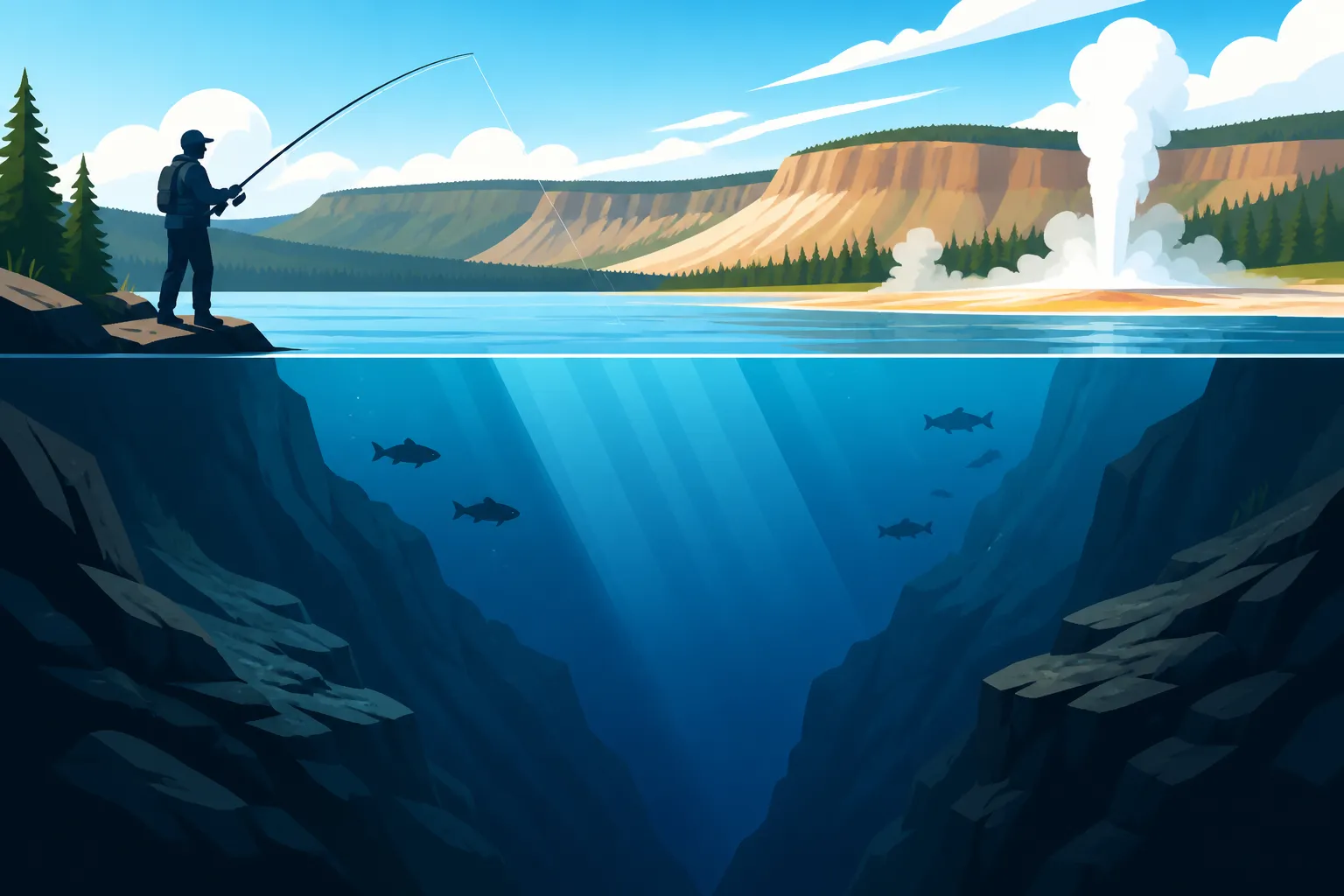
The deepest part of Yellowstone Lake plunges to a staggering 390 feet (119 meters). Imagine standing on a 39-story building and looking down; that's roughly the equivalent of the deepest point. This profound depth is primarily located in the northern parts of the lake, particularly in areas like the West Thumb basin, which is itself a caldera nested within the much larger Yellowstone Caldera. This isn't just a random hole; it's a testament to the immense geological forces at play beneath the surface. The deep, cold waters found at these maximum depths create a unique environment, supporting specific types of fish and presenting distinct challenges and opportunities for anglers. It’s truly a world unto itself down there, with minimal light penetration and consistently frigid temperatures.
Average Depth: What Most Anglers Encounter
While the maximum depth is impressive, the average depth of Yellowstone Lake is a more moderate 139 feet (42 meters). This average still makes it a very deep lake, far deeper than many other popular fishing destinations. This average depth encompasses a wide range of underwater topography, from expansive shallow flats near shore to gradual slopes leading into much deeper troughs. It’s this varied underwater terrain, combined with thermal features, that creates a diverse habitat for fish. When you’re out on the water, you're more likely to be fishing over these average depths than the deepest abyss. This middle ground is where you'll find a blend of different habitats, making it a dynamic area for targeting various species. For instance, in areas like the Southeast Arm or the main body of the lake, you'll encounter a mix of depths that require different approaches.
How Yellowstone Lake's Depth Influences Fish Behavior and Fishing Strategies
Understanding the varying depths of Yellowstone Lake is absolutely critical because it dictates where the fish are, what they're eating, and how they behave. Fish are creatures of comfort, and their preferred depth often comes down to temperature, available food, and protection from predators. If you're casting aimlessly without considering depth, you're mostly relying on luck, which, let's be honest, isn't a very reliable fishing strategy.
Targeting Native Yellowstone Cutthroat Trout in Shallower Waters
Yellowstone Cutthroat Trout, the iconic native species of the lake and the state fish, generally prefer shallower waters, especially during certain times of the year. During late spring, summer, and early fall, these beautiful fish will often cruise along the lake's extensive shorelines, gravel bars, and over submerged weed beds in depths ranging from a few feet down to about 30 or 40 feet. They are visual predators, and these shallower areas offer abundant insect hatches, smaller baitfish, and better light penetration for spotting their prey.
When the ice has just come off the lake, a time often referred to as "ice out," the cutthroat will concentrate in these shallower zones as the water warms slightly and insect activity picks up. You'll often find them feeding aggressively near creek mouths or areas with emerging vegetation. Understanding When Yellowstone Lake Ice Out Usually Happens can give you a real edge. Fly fishing with streamers or nymphs, or spin fishing with small spoons and spinners, can be incredibly effective when targeting these fish in the upper water column. Don't overlook rocky points or areas with drop-offs into deeper water; these spots can act as ambush points for cutthroat looking for an easy meal. While some people might wonder if Is Yellowstone Lake Good for Shore Fishing?, these shallower zones near the bank are precisely why it can be.
Hunting Invasive Lake Trout in the Deep
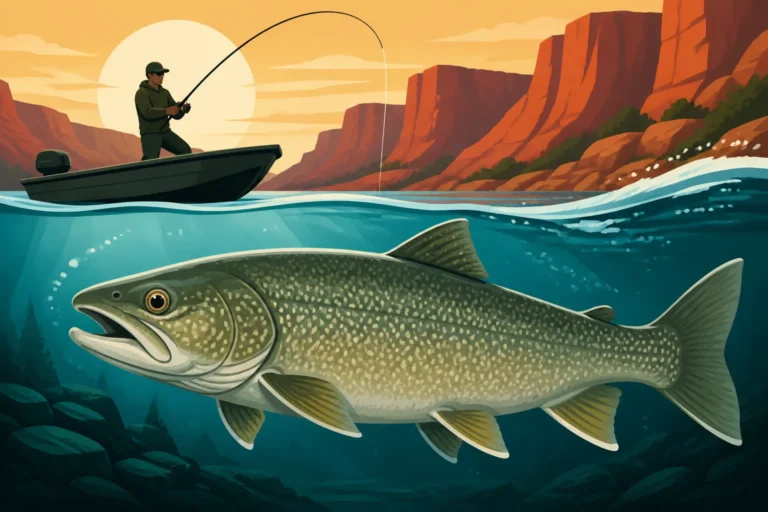
On the other end of the spectrum are the Lake Trout (also known as Mackinaw), which are a significant concern for the native cutthroat population. These powerful, cold-water predators thrive in the deeper, colder sections of Yellowstone Lake. They prefer depths from 50 feet all the way down to the maximum 390 feet, particularly during the warmer summer months when the shallower waters become too warm for their comfort. Why Lake Trout Are Considered a Problem in Yellowstone Lake is a complex issue, and efforts are constantly underway for Wyoming's Lake Trout Removal Efforts in Yellowstone Lake to protect the native species.
If you're targeting Lake Trout, you'll need to focus your efforts on these deeper basins and channel edges. This usually means employing specialized techniques like downrigging, jigging with heavy spoons or tubes, or deep-water trolling with large plugs or cut bait. These fish are powerful and require robust gear. Often, you'll find them congregating around underwater structures, humps, and ledges in these greater depths. Knowing What Fish Are in Yellowstone Lake beyond just cutthroat is important for understanding the full fishing picture. Many anglers even hire a guide for Guided Fishing Trips in Yellowstone National Park, Wyoming specifically to target these deep-water giants.
Seasonal Depth Changes and Fish Movement
Fish in Yellowstone Lake, much like anywhere else, are constantly moving in response to environmental factors, and depth is a primary one.
- Spring: As the lake thaws, the cutthroat move into the shallows to feed and prepare for spawning. Lake trout might still be found in deeper water but will also move into shallower feeding areas periodically as the water column mixes.
- Summer: This is when the lake truly stratifies. The surface warms significantly, driving the lake trout into the cooler, oxygen-rich depths. Cutthroat will utilize the shallows during cooler parts of the day (dawn and dusk) and retreat to slightly deeper water or areas with thermal upwellings during peak heat. Knowing the Best Time of Day to Fish Yellowstone Lake becomes especially crucial.
- Fall: As surface temperatures drop, the entire water column begins to mix again. This can trigger a feeding frenzy for cutthroat as they bulk up for winter, and lake trout may become more accessible in slightly shallower zones before they too move to their deeper wintering grounds.
- Winter (Ice Fishing): While Yellowstone Lake is mostly inaccessible for ice fishing due to park regulations and sheer size, if it were, fish would generally be found at more consistent, mid-range depths, often relating to structure that provides warmth or current.
Navigating Yellowstone Lake's Depths: Tools and Techniques
Fishing on Yellowstone Lake without an understanding of its depth is like trying to drive across the state without a map – you might get there eventually, but it’ll be a lot of guesswork and wasted time. Equipping yourself with the right tools and knowing the techniques for deep-water fishing will dramatically increase your chances of success and safety.
Using Sonar and GPS for Depth Mapping
Modern technology has revolutionized how we approach fishing on large, deep lakes. A good quality fish finder with sonar capabilities is an invaluable tool for Yellowstone Lake. It allows you to:
- See the bottom contour: Identify drop-offs, humps, ledges, and channels where fish are likely to hold. You can literally watch the bottom structure unfold beneath your boat, helping you pinpoint promising areas rather than just guessing. Brands like Garmin and Humminbird offer excellent models that give you detailed views.
- Identify thermoclines: These are layers of water with different temperatures, and fish often stack up along them. Your sonar can help you locate these invisible boundaries.
- Spot fish and bait balls: While you might not always be able to identify the species, seeing schools of baitfish or individual fish arches at specific depths tells you exactly where to focus your presentation.
- Monitor actual depth: Crucially, it provides real-time depth readings, ensuring you're fishing at your desired level and avoiding unexpected hazards.
Coupling your fish finder with GPS mapping is another game-changer. You can mark waypoints for successful fishing spots, navigate safely to known structures, and understand your position relative to shorelines and other hazards. Many units come pre-loaded with detailed lake maps, or you can download high-resolution bathymetric charts that show exact depths. Platforms like FishingBooker often recommend guides who utilize this advanced technology, ensuring they take clients to the most productive areas based on real-time data and historical knowledge.
The Importance of Downriggers and Specialized Tackle
When targeting those deep-dwelling Lake Trout, simply casting a lure won't cut it. You need to get your bait down to their level, which often means hundreds of feet deep.
- Downriggers: These devices are essential for presenting lures or bait at precise, deep depths. A heavy lead ball (the cannonball) is lowered on a separate cable, and your fishing line is attached to this cable with a release clip. When a fish strikes, the line releases from the downrigger, allowing you to fight the fish directly without the weight of the cannonball. This is the most effective way to consistently target fish at depths beyond 50 feet. It allows you to troll large spoons, flashers, or even live bait precisely where the sonar indicates fish.
- Heavy Rods and Reels: You'll need sturdy rods with enough backbone to handle heavy weights and powerful fish. Matching reels should have ample line capacity, often loaded with braided line for its strength and lack of stretch, which provides better sensitivity at depth.
- Heavy Lures and Jigs: For jigging, heavy metal spoons, tube jigs, and specialized deep-diving crankbaits are necessary to reach the bottom quickly and effectively. Weights can range from a few ounces to over a pound for really deep applications.
- Wire or Lead Core Line: While less common for Yellowstone Lake, some anglers employ wire or lead core line for trolling without downriggers, as these lines are designed to sink and get lures to depth more efficiently.
Remember, fishing inside Yellowstone National Park has its own unique set of rules. You'll need to understand Fishing Rules Inside Yellowstone National Park and acquire What License You Need to Fish Inside Yellowstone before you even think about dropping a line. These regulations are in place to protect the ecosystem and ensure a sustainable fishing future.
Safety First: Understanding Deep Water Hazards on Yellowstone Lake
While the depths of Yellowstone Lake offer fantastic fishing opportunities, they also present unique safety considerations that every angler must respect. This isn't your average farm pond; it's a vast, cold, and often unpredictable environment. Ignoring these hazards can turn a great day into a dangerous situation very quickly.
Sudden Weather Changes and Exposure
Yellowstone Lake is notoriously exposed and prone to sudden, dramatic weather changes. Clear skies can give way to high winds, white-capped waves, and even snow in a matter of minutes, regardless of the season. When you’re miles from shore on a body of water that's hundreds of feet deep, these changes can be terrifying. A boat that handles well in calm water can quickly become swamped in large waves.
- Hypothermia Risk: The deep waters of Yellowstone Lake are perpetually cold, even on the hottest summer days. Water temperatures rarely rise above 50°F (10°C) even at the surface during peak summer, and below the thermocline, it’s much colder. Falling into this water can lead to severe hypothermia in minutes. Always wear a life jacket, ensure your boat is well-maintained, and inform someone of your float plan. Overestimating your ability to swim in these conditions is a serious mistake.
- Visibility: When storms roll in, visibility can drop to almost nothing. Fog, heavy rain, or snow can obscure landmarks, making navigation treacherous, especially if you’re trying to find your way back to a boat launch like those available at Grant Village or Bridge Bay, as discussed in Where to Launch a Boat on Yellowstone Lake.
Navigation Challenges in Deep and Wide-Open Water
The sheer size and depth of Yellowstone Lake, combined with its often featureless expanses, can make navigation a challenge, particularly for those unfamiliar with it. Without a proper GPS and a detailed map, it's easy to get disoriented, especially if you venture far from shore.
- No Obvious Landmarks: In some areas, the shorelines are so distant and uniform that it's hard to distinguish one point from another. In deep water, there are no shallow areas or distinct rock formations to guide you unless you have precise chartplotters.
- Boat Traffic: While not as busy as some urban lakes, Yellowstone Lake can still have significant boat traffic, particularly near popular access points and during peak season. Being aware of other vessels, especially when trolling or maneuvering in deep channels, is crucial.
- Submerged Hazards: Although much of the lake is deep, there are still submerged rocks, shoals, and hydrothermal features that can pose risks, especially near shorelines or in shallower arms. Always consult detailed nautical charts and proceed with caution in unfamiliar areas.
Remember, safety should always be your top priority. Packing extra warm, waterproof clothing, carrying emergency communication devices, and checking the weather forecast obsessively are not overkill when fishing the vast depths of Yellowstone Lake. Booking a reputable guide through services like FishingBooker can significantly enhance your safety by providing local expertise and proper equipment.
Disclaimer
Please note that fishing regulations and conditions in Wyoming, especially within Yellowstone National Park, can change frequently. Always consult the most current regulations issued by the Wyoming Game and Fish Department and the National Park Service before planning your trip. This guide is for informational purposes only and does not substitute for official regulations or expert advice.