Are Sauger Common in the North Platte River?
It's a common question for anglers dreaming of Wyoming's world-class fishing: "Are sauger common in the North Platte River?" Many folks know the North Platte for its incredible trout fishing, and rightfully so. It's a blue-ribbon destination that draws fly anglers and spin casters alike from all over. But if you're curious about catching other species, especially those cool, toothy predators like sauger, it's natural to wonder where they fit into the picture. This guide will dive deep into why sauger aren't typically the stars of the show on the North Platte, what you might find instead, and what to do if you happen to hook one.
Understanding Sauger in Wyoming's Rivers
When you think of a prime sauger fishery, your mind probably wanders to big, turbid, slow-moving rivers or large reservoirs with lots of structure and a bit warmer water. This is quite different from the image many have of the North Platte. Let's break down why this distinction matters and where sauger generally prefer to call home in Wyoming.
Sauger vs. Walleye: A Quick Distinction
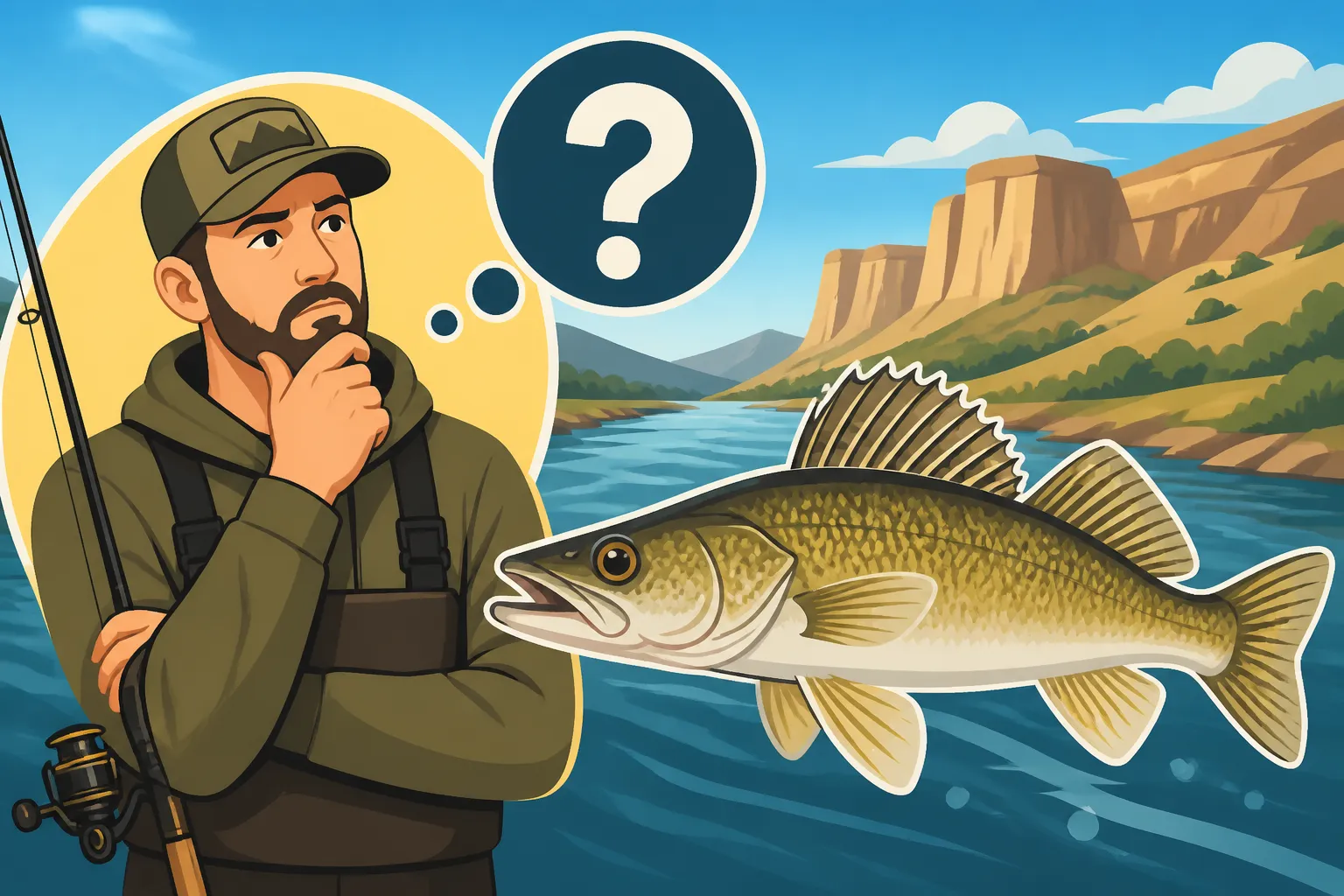
Before we get too far, it's crucial to understand the difference between a sauger and its more famous cousin, the walleye. To the untrained eye, they can look pretty similar, and that can lead to confusion, especially when you're out on the water and trying to identify your catch. Sauger ( Sander canadensis ) and walleye ( Sander vitreus ) are both members of the perch family and share that tell-tale sleek, olive-gold body and large, glass-like eyes that help them hunt in low light.
However, there are a few key visual differences that help tell them apart. Sauger typically have distinct dark spots on their dorsal fin, arranged in rows, giving it a somewhat striped appearance. Walleye, on the other hand, usually have a more uniformly colored dorsal fin with a distinct dark blotch at the rear base. Another reliable tell is the lack of a prominent white tip on the lower lobe of the tail fin in sauger, a feature that's often very noticeable on walleye. If you're really paying attention, you'll also notice that sauger tend to have rougher, more pronounced scales, giving them a "spiny" feel, and their bodies are generally more cylindrical and slender than the walleye's. These subtle differences matter, not just for identification, but also because their preferred habitats and behaviors can vary. For a deeper dive into distinguishing these fish, check out our Sauger vs Walleye Identification Guide.
Where Sauger Typically Thrive in Wyoming
Sauger are river fish at heart, but they're not just any river fish. They prefer environments that offer a particular set of conditions. Think of rivers with moderate to slow currents, often with somewhat turbid or stained water, and a mix of sand, gravel, and rock bottoms. They're often found in the larger, warmer river systems of the state, especially those with significant reservoir influences that can warm the water and create ideal feeding grounds.
In Wyoming, you're much more likely to find sauger in rivers like the Powder River, the Bighorn River, and parts of the Wind River drainage below Boysen Reservoir. These rivers fit the bill perfectly: they can have extensive stretches of slower-moving water, natural turbidity, and the kind of forage fish that sauger absolutely love. They aren't as much of a cold-water species as trout, thriving in slightly warmer temperatures that are less common in the colder, swift-moving tailwaters that make the North Platte famous. While they can be found in a variety of habitats, these larger, often warmer, and less swift rivers are their preferred domain, where they can ambush prey from submerged structures and cruise for baitfish.
The North Platte River's Diverse Fishery
The North Platte River is an iconic waterway, a true gem in the heart of Wyoming's fishing landscape. It stretches for hundreds of miles, flowing from the high Rockies through vast plains, offering an incredible variety of angling experiences. But what truly defines its fishery, and why isn't the sauger typically part of that definition?
Dominant Species of the North Platte
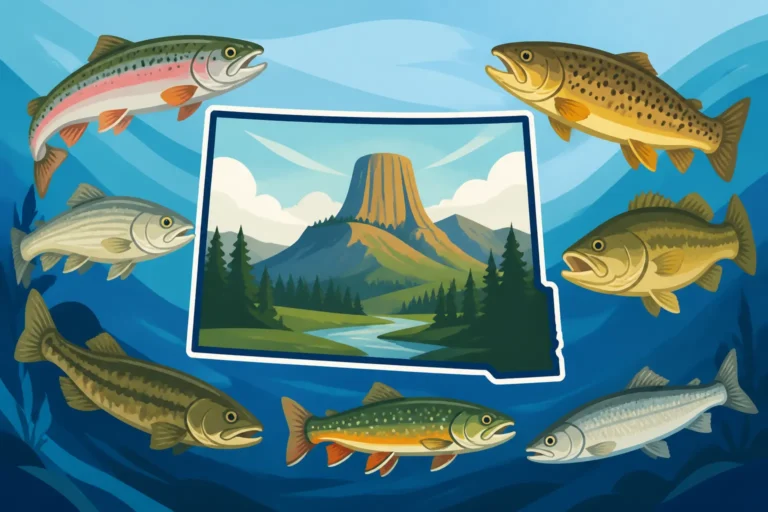
When anglers talk about the North Platte River, one word usually comes to mind: trout. And for good reason! This river system is renowned for its incredible populations of rainbow, brown, and cutthroat trout. The blue-ribbon sections, particularly below Gray Reef Dam and through the famous Miracle Mile, are legendary for their prolific numbers and often impressive size of trout. You can often find a mix of species, including robust rainbow trout that provide fantastic fights, wily brown trout that challenge even experienced anglers, and native cutthroat, including the Snake River Fine-spotted Cutthroat Trout in some areas.
Beyond trout, you'll find other species, though they rarely steal the spotlight. Whitefish are quite common, especially in the colder, faster sections, often competing with trout for nymphs. You might also encounter various suckers and carp, particularly in the slower, warmer stretches, but these aren't usually the target species for most anglers visiting the North Platte. The focus here is overwhelmingly on the trout, thanks to years of careful management and the river's naturally perfect conditions for these cold-water beauties. If you're looking for the prime time to target these species, check out Best Time of Year to Fish the North Platte River.
Factors Influencing Species Distribution
A river's character isn't just about its name; it's about a complex interplay of environmental factors that dictate which fish species can thrive there. For the North Platte, several key elements contribute to its trout-dominant ecosystem, making it less hospitable for sauger.
First and foremost is water temperature. The North Platte, especially in its most famous sections like the Miracle Mile and Gray Reef, is heavily influenced by large reservoirs like Seminoe, Pathfinder, and Alcova. Water released from the bottom of these dams is consistently cold, providing ideal conditions for trout year-round. Sauger, while tolerant of cold, prefer slightly warmer average temperatures and tend to be less active in the colder outflows. The consistent cold flow also means high dissolved oxygen levels, another critical factor for healthy trout populations.
Next, consider the flow rates and habitat. The North Platte's most productive trout sections are characterized by strong, consistent flows, creating a diverse matrix of riffles, runs, and deep pools. Trout thrive in these oxygenated, fast-moving waters, using the current to their advantage to feed. The riverbed in many of these areas is dominated by gravel, cobble, and large rocks, providing excellent habitat for the aquatic insects that make up the bulk of a trout's diet. Sauger, while they can handle some current, generally prefer slower, deeper pools with more silty or sandy bottoms where they can lay in wait for prey. The sheer dominance of prime trout habitat naturally reduces the prevalence of sauger-friendly zones. For more on reading these waters, our guide on How Water Temperature Changes Wyoming Trout Behavior can provide insight.
Investigating Sauger Presence in the North Platte
So, with the North Platte being a trout mecca, does that mean you'll absolutely never see a sauger there? Not necessarily. It's not a hard-and-fast rule that they are entirely absent, but their presence is certainly not what you'd call "common." It's all about understanding where and when such an encounter might occur.
Historical and Current Detections
The North Platte has a long history, and like any river system, its fish populations can shift and evolve. Historically, sauger were likely present in the lower, warmer sections of the North Platte, particularly downstream from the major trout fisheries, where the river naturally warms up and slows down after its journey through the canyons and plains. However, modern dam construction and water management practices have significantly altered parts of the river, creating those consistent, cold tailwater fisheries that favor trout.
Today, while sauger are not a target species for management on the North Platte, incidental catches do occur. These are most likely to happen in the lower reaches, well below the famous trout stretches like the Miracle Mile or Gray Reef, or in the backwaters and upstream areas of reservoirs like Glendo. In these areas, the water might warm more significantly, and the current might be less swift, creating conditions that are marginally more suitable for sauger. An angler targeting walleye in Glendo Reservoir, for instance, might occasionally hook a sauger in the river's transition zone into the reservoir. These occurrences are noteworthy precisely because they are rare, making a sauger on the main trout-centric North Platte a very unusual and exciting catch for an angler.
Why They Aren't "Common" Here
The reason sauger aren't "common" in the North Platte boils down to a few key ecological principles and management priorities. First, as we discussed, their preferred habitat simply isn't widespread in the prime fishing sections of the river. The North Platte, especially from Alcova Reservoir downstream through Casper, is characterized by its consistently cold, clear, and highly oxygenated water—conditions that trout absolutely thrive in, but which aren't ideal for sauger.
Second, there's the element of competition. With such robust populations of rainbow and brown trout, sauger would face significant competition for food and habitat if they were to try to establish a stronger foothold. The cold-water environment and abundant aquatic insect life of the North Platte are perfectly tailored for trout, making it difficult for a species with different preferences to dominate. The Wyoming's Coldwater Fish Species generally rule here.
Finally, the Wyoming Game and Fish Department's management focus for the North Platte is firmly on maintaining and enhancing its blue-ribbon trout fishery. This involves stocking programs, habitat protection, and regulations specifically designed to support trout populations. While Game and Fish monitors all species, there isn't a concerted effort to promote sauger populations in the North Platte, as it doesn't align with the river's natural strengths or established recreational fishing interests. This dedicated focus ensures the river continues to be one of the top trout destinations in the country, even if it means sauger remain a rare catch. Wyoming Fishing Regulations Every Angler Should Know outlines these priorities.
What to Do If You Catch a Sauger on the North Platte
Even if sauger aren't common, the possibility of hooking one on the North Platte still exists, especially if you're exploring the more varied waters further downstream or closer to reservoirs. If you do find one at the end of your line, knowing how to identify it and what to do next is really important.
Identifying Your Catch Accurately
The first step, and arguably the most crucial, is to confirm exactly what you've caught. As we've discussed, sauger can easily be confused with walleye, and there's also the possibility of a "saugeye," which is a fertile hybrid of a sauger and a walleye. These hybrids often exhibit a mix of characteristics from both parent species, making identification even trickier! Knowing the specific species is vital because regulations, especially bag and possession limits, can differ.
Here's a quick comparison table to help you in the field:
| Feature | Sauger | Walleye | Saugeye (Hybrid) |
|---|---|---|---|
| Dorsal Fin | Distinct dark spots in rows | No spots, dark blotch at rear base | Mix of spots/blotch, often irregular |
| Tail Fin | No prominent white tip on lower lobe | Prominent white tip on lower lobe | White tip present but often less distinct |
| Body Shape | More slender, cylindrical | Generally deeper-bodied | Intermediate, can vary |
| Scales | Rougher, more pronounced | Smoother | Intermediate |
| Pyloric Caeca | Typically 3-5 (internal, requires dissection) | Typically 10-14 (internal, requires dissection) | Variable, usually 5-9 (internal) |
The pyloric caeca are finger-like projections near the stomach, but obviously, you won't be checking those on the riverbank! Focus on the dorsal fin spots, the tail fin tip, and overall body shape. If you're still unsure, take a clear photo of the fish, especially its fins, and consult the current Wyoming Game and Fish regulations booklet or their website. Reading the Wyoming Fishing Regulations Booklet can help you interpret the specifics.
Regulations and Responsible Angling
Once you've made your best identification, it's time to consider the regulations. Wyoming Game and Fish has specific rules for walleye, sauger, and saugeye, and these can vary by waterbody. While the North Platte is primarily managed for trout, if you're in a section where these other species might be present, you need to be aware of the limits. Always, always check the current regulations for the specific section of the North Platte you are fishing. For example, the rules in a reservoir like Glendo, which connects to the North Platte, might have different walleye/sauger limits than a trout-designated section of the river.
Beyond regulations, responsible angling practices are key. If you've caught a sauger and it's not a legal keeper, or if you simply prefer catch and release, handle the fish carefully. Wet your hands before touching it to protect its slime coat, minimize its time out of the water, and release it gently back into the current.
If you happen to catch an unusual fish like a sauger in a spot where it's truly unexpected (like the heart of a blue-ribbon trout section), consider taking a photo and reporting it to the Wyoming Game and Fish Department. This kind of anecdotal data can be valuable for their fisheries biologists to monitor fish distribution and any changes in the ecosystem. They are the experts who know How Wyoming Game and Fish Announces Emergency Closures and monitor species changes.
Finally, having the right gear is always important. While you're likely targeting trout, if you're exploring areas where sauger or walleye might be, consider a versatile medium-light spinning rod that can handle both. For lures, jigs tipped with soft plastics or live bait, or crankbaits, are often effective for sauger. Many anglers find great deals on these types of lures and fishing lines on platforms like Amazon before their trip, making sure they're prepared for whatever might bite. A good pair of pliers from Amazon is also essential for safely unhooking fish. And don't forget your measuring tape and a scale, also easily found on Amazon, to ensure you're within legal limits. Remember to always carry your Wyoming Fishing License Guide for Nonresidents or Wyoming Resident vs Nonresident License Rules to avoid any issues, and know your Wyoming Trout Stream Daily Limit if you're targeting those more common species.
Disclaimer
This article is for general informational purposes only and does not constitute professional advice. Laws, prices and regulations vary by location and change over time. Consult a qualified professional for guidance on your specific situation.