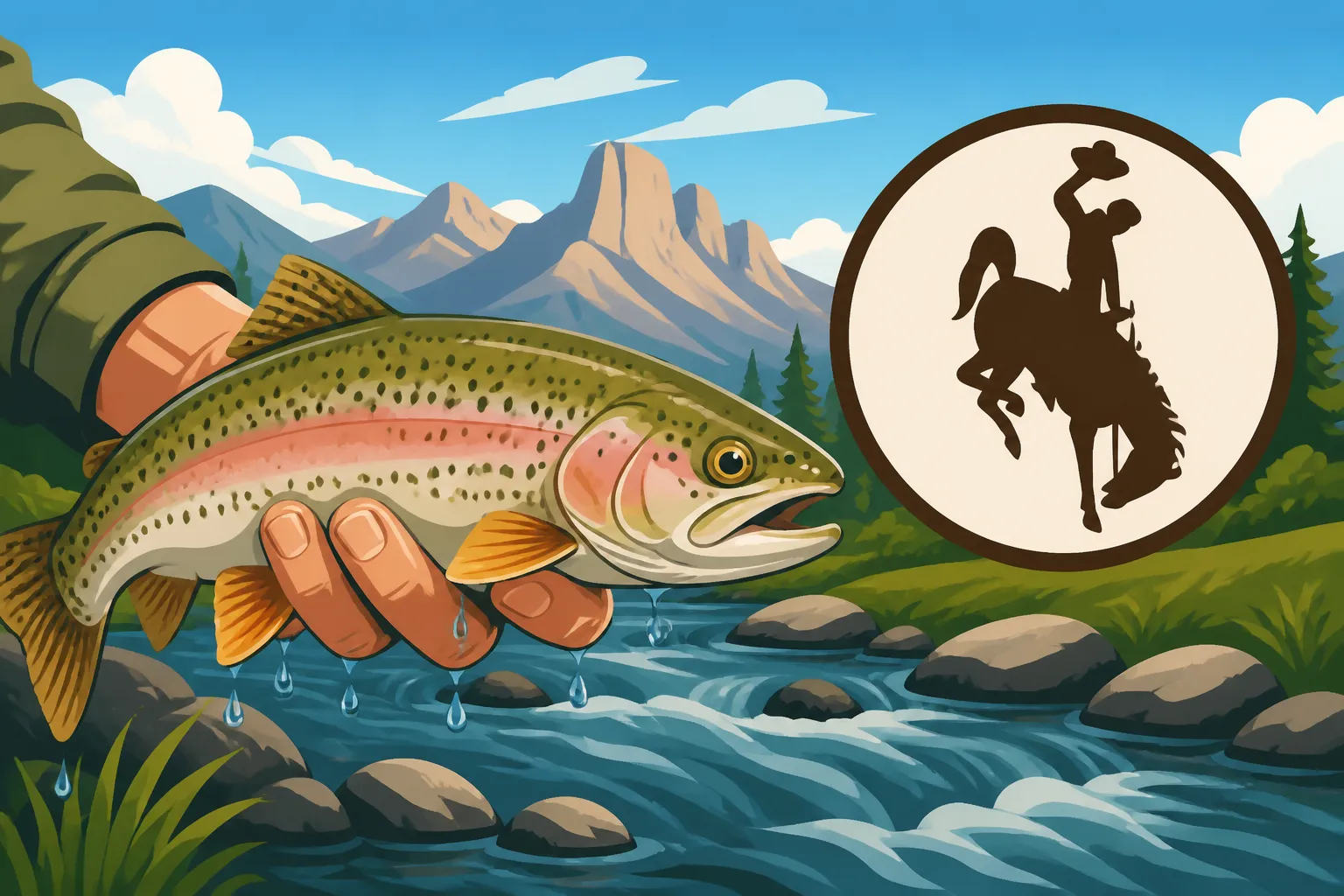
Wyoming Trout Stream Daily Limit
Standing on the gravel bank of a crisp Wyoming river with a bending fly rod in hand is pure paradise, until a shadow of doubt hits you: exactly how many trout are you allowed to keep out of this run today? Between varying limits for rivers versus lakes, species-specific rules, and individual length restrictions, keeping your catch legal can feel overwhelming. This guide breaks down the Wyoming trout stream daily limit, clarifies size rules, and explains how to stay fully compliant while enjoying Wyoming’s world-class moving waters.
Understanding the Wyoming Trout Stream Daily Limit
Few things are more frustrating than having a great day on the water derailed by a misunderstanding of local game laws. Wyoming is home to thousands of miles of pristine moving water, ranging from tumbling alpine creeks to massive, deep tailwaters. Because running waters have different ecological dynamics and pressure levels than still reservoirs, the state maintains a distinct framework for harvest on streams.
The Core Statewide Limit for Flowing Waters
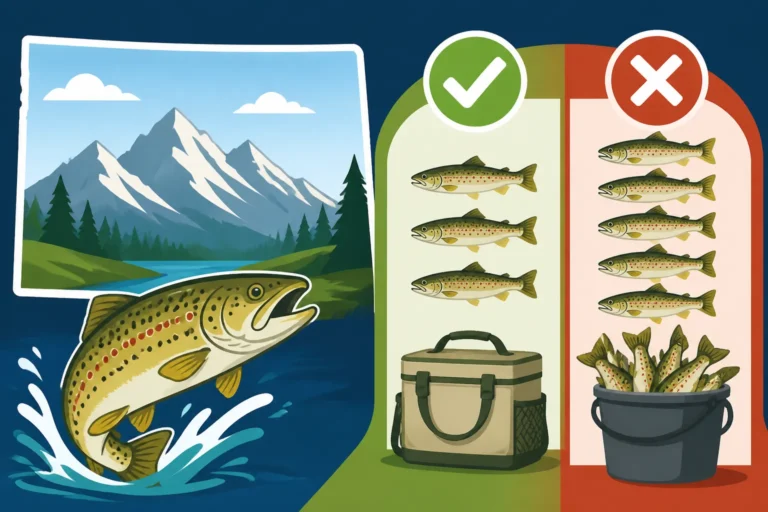
When you are fishing any flowing water in Wyoming—which includes rivers, streams, creeks, and drainage canals—the general statewide daily limit for trout is six fish per day. However, that simple number comes with very specific caveats that every angler needs to understand before tossing a second or third fish on a stringer.
This six-trout limit is an aggregate number across most trout species. That means your daily catch can consist of a mix of rainbow, brown, cutthroat, and brook trout, but the total count of running-water trout in your harvest basket cannot exceed six unless a specific local exception applies. It is vital to consult the official regulations booklet for the precise drainage you are fishing, as local biological goals can sometimes lower this baseline.
Understanding the nuance between general waters and trophy sections is critical. If you are unsure about the specific designation of a creek you just pulled up to, reviewing Understanding Wyoming’s Daily Bag Limits by Species will help you decipher how different species count toward your overall daily total.
The One Over 16 Inch Rule Explained
The aggregate six-fish rule on streams features a crucial length caveat designed to protect larger breeding fish. Under the standard statewide regulation, no more than one trout in your daily limit of six may exceed 16 inches in total length.
This means if you land a 17-inch rainbow trout and decide to keep it, every other trout you keep out of that stream for the remainder of the day must measure under 16 inches. If you subsequently catch an 18-inch brown trout, you must safely release it back into the river or release the previous larger fish if it is still alive and unharmed. Anglers frequently get cited because they bring home three or four 18-inch fish from a productive run, unaware that How Many Trout Over 16 Inches You Can Keep in Wyoming is strictly limited on running waters.
To avoid accidental violations, keep a flexible, waterproof measuring tape on hand. You can quickly order a floating ruler or stick-on fish scale from Amazon to adhere to your fly fishing net handle, making quick measurements in the water completely effortless. Knowing precise measurements protects both your wallet and the fishery’s mature broodstock.
Stream Limits vs Lake Limits
A common point of confusion for visitors and residents alike is why the rules change the moment a river flows into a reservoir. The underlying biology of flowing streams makes trout more vulnerable to overharvest than they are in deep, food-rich lakes. Streams have limited physical space, specific holding water, and localized spawning beds, whereas large lakes offer massive volume and deeper refuge.
Because of these habitat differences, lake regulations often permit higher harvest numbers or separate limits for specific species like lake trout or brook trout. You can learn more about these contrasts by reading Why Stream and Lake Trout Limits Differ in Wyoming. If your trip includes drifting a river mouth that empties into a major reservoir, you must strictly follow the stream limit while standing on or fishing in the river, and switch to the Wyoming Trout Lake Daily Limit rules only when your line is cast into the still water of the lake proper.
| Water Body Type | Standard Daily Limit | Special Size & Species Restrictions |
|---|---|---|
| Statewide Trout Streams & Rivers | 6 Trout in Aggregate | Only 1 trout may exceed 16 inches |
| Statewide Lakes & Reservoirs | 6 Trout in Aggregate | Length rules vary by specific water |
| Special Management Tailwaters | Often Reduced (e.g. 2) | Frequently strictly catch-and-release |
| High-Mountain Alpine Streams | 6 Trout Baseline | Brook trout may have bonus limits |
Species Specific Rules and Special Water Exceptions
While the baseline daily limit provides a general standard, Wyoming manages many of its most famous river stretches with special regulations tailored to specific fish populations and angler pressure.
Tailwaters and Blue Ribbon Exceptions
Wyoming’s famous tailwaters—such as the North Platte River below Seminoe and Pathfinder dams—draw anglers from across the globe. Because these waters experience higher fishing pressure and produce exceptional growth rates, game managers frequently institute special regulations on specific stretches.
On famous sections like Gray Reef or the Miracle Mile, daily limits are often reduced below the standard six-fish threshold, and gear restrictions are common. On certain river sections, you might be restricted to artificial flies and lures only, or required to use single-point hooks. Some stretches are managed entirely as trophy fisheries, enforcing strict Catch-and-Release Rules on Wyoming Waters.
Before rigging up a multi-fly nymph rig, verify whether the specific water you are standing in has unique gear mandates, such as Barbless Hook Requirements on the North Platte River. Carrying a small pair of smooth-jaw pliers—which you can easily find on Amazon—allows you to quickly pinch down hook barbs right at your vehicle, ensuring you remain completely compliant with artificial-only and barbless designations.
Handling Native Cutthroat and Brook Trout
Wyoming takes great pride in its native cutthroat species, including the Yellowstone, Snake River Fine-Spotted, Colorado River, and Bonneville cutthroats. In certain drainages, native cutthroat trout are managed with special protections to preserve wild genetic strains. On these waters, daily limits may be reduced, or specific size slots may apply where fish within a certain length range must be immediately returned to the water.
Conversely, eastern brook trout—which were introduced to western waters decades ago—can overpopulate small mountain creeks, leading to stunted populations. In many Wyoming mountain streams, managers encourage harvest by offering a “bonus” brook trout limit above the standard six-trout limit. Always check the regional rules for the specific mountain range you are exploring, as harvesting a limit of stunted brookies for a campfire pan-fry is often encouraged, provided you can accurately identify the species.
How Possession Limits Work in the Field
It is impossible to discuss daily bag limits without addressing how fish in your ice chest or camp freezer count toward your legal total. A daily limit is the maximum number of fish you may legally harvest or take into possession during a single calendar day (from midnight to midnight). A possession limit, on the other hand, is the total number of fish you may legally have in your physical possession at any given time, including at your camp, in your vehicle, or in your home freezer.
In Wyoming, the possession limit is generally equal to one daily limit for fresh fish, or up to two daily limits if the fish are processed and preserved, depending on the region and context. Understanding Possession Limits vs Daily Limits in Wyoming prevents the costly mistake of keeping a full daily limit two days in a row while camping without eating or legally processing the first day’s catch.
If you plan to spend a full week camping along a river, familiarize yourself with How Bag and Possession Limits Work in Wyoming and Wyoming’s Combined Possession Limit for Trout to ensure your cooler contents never exceed state limits.
Practical Tips for Staying Legal on Wyoming Waters
Remaining compliant with stream regulations requires a combination of basic preparation, proper gear, and simple species identification skills. Warden checks can happen anywhere from easily accessible bridge launches to remote backcountry trails.
Gear and Tackle Restrictions to Watch Out For
Keeping track of your harvest is only half the battle; how you catch your fish matters just as much. On waters designated as special management or trophy trout streams, live bait is strictly prohibited. Using worms, minnows, salmon eggs, or powerbait on waters reserved for artificial flies and lures can result in immediate citations.
Additionally, pay close attention to terminal tackle rules:
* Hook Configurations: Some special waters limit you to a single hook or a single treble hook per line.
* Barbless Mandates: Certain tailwater stretches require barbless hooks to minimize handling stress on released fish.
* Bait Restrictions: Natural baits are often banned on trout streams to prevent deeply swallowed hooks that kill undersized fish.
A compact fly box or tackle organizer from Amazon stocked specifically with single-hook barbless patterns is a great way to ensure you never accidentally throw an illegal rig into protected waters.
Essential Tools for Measuring and Handling Fish
If you plan to harvest fish up to your daily stream limit, you must measure them accurately before placing them on a stringer or in a cooler. Game wardens measure fish from the tip of the snout to the extreme end of the tail fin squeezed together. Guessing length visually is one of the quickest ways to wind up with an oversized fish citation.
Here are three essential habits every harvest-oriented stream angler should follow:
1. Measure in the Water: Place a flexible measuring tape along the side of the fish while keeping it submerged in your net.
2. Make the Call Instantly: Decide immediately whether a fish is being kept. If it goes on a stringer or in a creel, it counts toward your daily limit and cannot be swapped out later for a larger fish (a practice known as culling, which is illegal in many contexts).
3. Use Rubber-Mesh Nets: If you are releasing fish that fall outside your harvest size or exceed The One-Over-16-Inch Rule on Wyoming Trout Streams, a rubber net prevents damage to their protective slime coat.
Failing to adhere to proper handling or accidentally keeping an illegal harvest can result in steep fines. Taking time to review Fines and Penalties for Common Fishing Violations is a sober reminder of why keeping an accurate tape measure in your vest is essential.
What to Do When Regulations Change In-Season
Wyoming’s aquatic ecosystems face dynamic environmental challenges, including summer heatwaves, low winter snowpacks, and high water temperatures. As a result, state biologists occasionally issue emergency in-season closures or temporary limit adjustments to protect stressed trout populations during drought or extreme water conditions.
Before heading out on any multi-day fishing trip, take five minutes to check the official state game and fish website or visit a local fly shop. Pay attention to posted signs at public access points and boat ramps. Being proactive ensures that you respect both the resource and the law, allowing you to enjoy Wyoming’s majestic trout streams with complete peace of mind.
Disclaimer
This article is for general informational purposes only and does not constitute professional advice. Laws, prices and regulations vary by location and change over time. Consult a qualified professional for guidance on your specific situation.