Best Time of Year to Fish the North Platte River
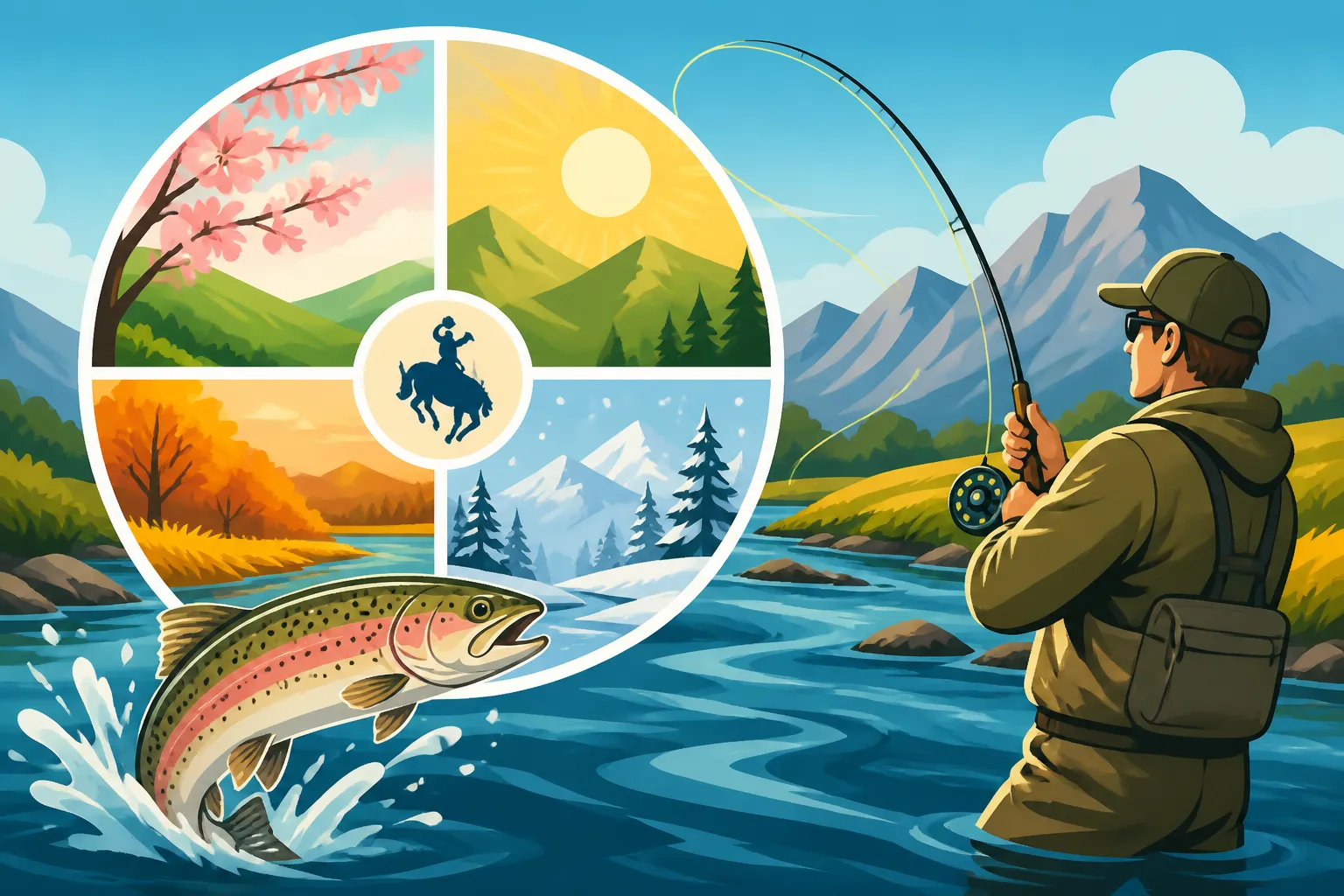
The North Platte River in Wyoming isn't just a fishing destination; it's a legendary fishery that draws anglers from all over the globe. But let's be honest, trying to figure out the "best" time to visit can feel like cracking a secret code. River conditions change dramatically with the seasons, impacting everything from water flows to what the fish are biting on. This guide is here to cut through the confusion and give you a realistic, seasoned angler's perspective on when to plan your adventure to this magnificent river, ensuring you make the most of your precious time on the water.
Spring Awakening and Runoff Realities
Ah, spring! The very word conjures images of new life and eager fish after a long winter. On the North Platte, spring can be a truly magical time, but it also brings the undeniable reality of runoff. Understanding these two distinct phases is key to a successful trip.
Pre-Runoff Opportunities March-April
Before the full force of the snowmelt kicks in, typically from March through April, the North Platte can offer some incredibly productive fishing. The water temperatures are slowly climbing, waking up both the insects and the fish. Trout, especially hungry browns and rainbows, are actively feeding, preparing for the more challenging conditions of peak runoff. This is a prime window for nymphing, often with smaller patterns like midges and blue-winged olives, which can hatch in surprising numbers on warmer days. You'll find fish concentrated in slower, deeper runs and eddies, conserving energy while still looking for a meal. The sheer eagerness of the fish can be a real treat after the winter doldrums.
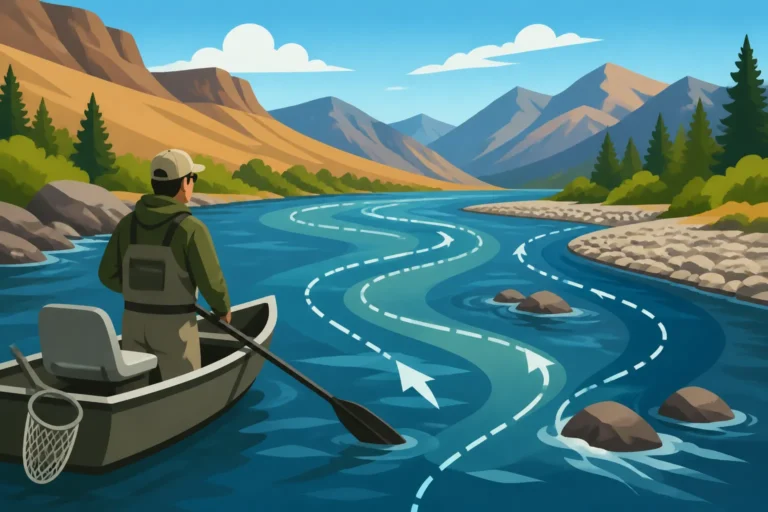
Focusing on the larger tailwater sections, such as the storied Gray Reef below Alcova Reservoir, provides more stable flows and clearer water during this period. These controlled releases mean less direct impact from snowmelt, offering a fantastic opportunity to hone your winter and early spring nymphing game. The fish here are often larger and respond well to consistent presentations. Knowing how to interpret the river’s currents and features, or Reading Riffles and Runs on Wyoming Trout Streams, becomes paramount to finding those sweet spots where trout stack up, patiently waiting for an easy meal to drift by.
Navigating Peak Runoff May-June
Then comes runoff, typically hitting its stride from late May into June, depending on snowpack and spring temperatures. This is often the most frustrating time for anglers who aren't prepared. The river swells, the water turns cloudy with sediment, and flows can become dangerously high. Many anglers throw in the towel, thinking fishing is impossible. And while it's certainly more challenging, it's not always a complete bust. The key is adaptation and managing expectations.
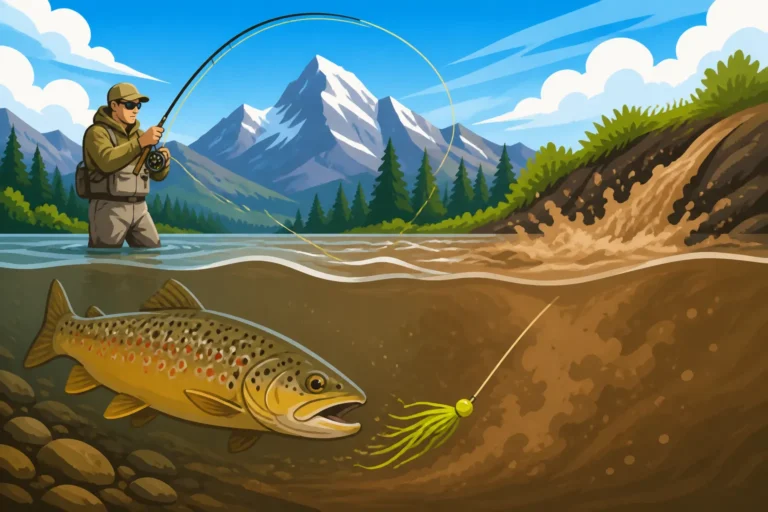
During peak runoff, the main river can be a muddy torrent. Instead of battling the main current, savvy anglers often seek out tributaries that might be clearing faster or the slower side channels and backwaters of the main river where fish can find refuge from the heavy flows. These areas often provide pockets of clearer, calmer water where trout will hold. You’ll need heavier nymph rigs, perhaps using larger stonefly imitations or even Streamer Fishing for Wyoming Brown Trout to cut through the murk and get down to where the fish are holding close to the bottom. Don't forget to keep an eye on water levels and clarity reports from Wyoming Game and Fish Department, as conditions can change daily. For those willing to brave the elements, good waterproof gear is essential, and you can often find reliable options on Amazon to keep you dry and comfortable during this challenging, but sometimes rewarding, season. This is also a good time to review resources like Fishing Wyoming During Spring Runoff to understand the dynamics and When Runoff Usually Ends on Wyoming Rivers for planning your next trip.
Summer's Abundance and Warm Water Wisdom
When the Wyoming sun fully asserts itself, usually from late June through August, the North Platte transforms into a vibrant, bustling fishery. This is when the river truly shines for many, offering diverse opportunities from thrilling dry fly action to more nuanced nymphing. However, it also demands an awareness of water temperatures and responsible angling practices.
Prime Dry Fly Season Late June-August
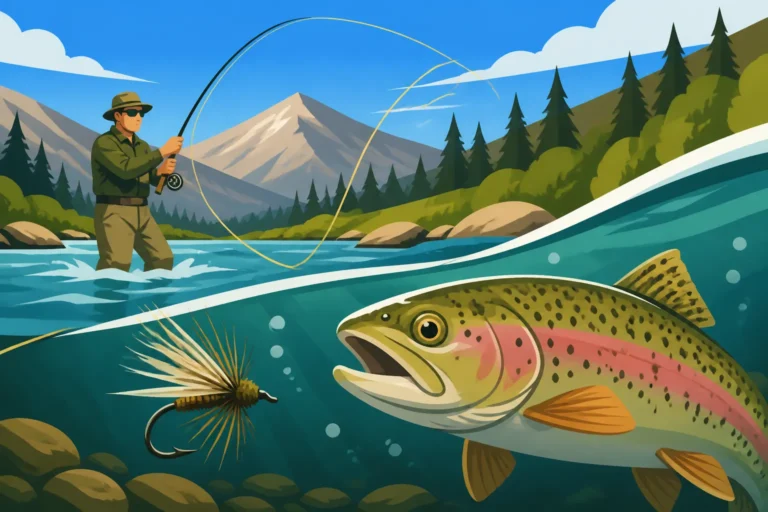
As runoff subsides and the water clears, late June signals the glorious arrival of prime dry fly season. This is what many anglers dream of: trout rising eagerly to a smorgasbord of insects dancing on the surface. Caddis hatches can be prolific, especially in the evenings, leading to explosive takes. Mayflies, including Pale Morning Duns (PMDs) and later some Green Drakes, provide consistent opportunities throughout the day. And as summer progresses, grasshoppers and terrestrials become a significant food source, especially along the banks where they tumble into the water. This is an incredible time for sight-fishing and experiencing the visceral thrill of a trout rising to your perfectly presented fly.
The "Miracle Mile Stretch of Wyoming's North Platte River", a roughly eight-mile section of incredible public access water, really comes alive during the summer. Its rich insect life and healthy trout population make it a hotspot for various summer hatches. Whether you're casting large foam hoppers near undercut banks or delicate caddis patterns in the riffles, the action can be non-stop. For those looking to refine their surface game, articles like Dry Fly Fishing on the North Platte River can offer invaluable tips and techniques for matching the hatch and getting those unforgettable strikes. Carrying a good variety of patterns, easily organized in a fly box you might grab from Amazon, is always a smart move.
Managing Summer Heat Late July-Early September
While summer is fantastic, it's also when we need to be most mindful of water temperatures, particularly from late July through early September during prolonged hot spells. The North Platte, being a tailwater for much of its upper sections, benefits from cooler water releases from the reservoirs, making it more resilient than some freestone rivers. However, even here, certain stretches can experience elevated water temperatures, especially downstream from the tailwaters, during the hottest parts of the day. Warm water holds less oxygen, stressing trout, and repeated catch-and-release can be detrimental.
Responsible angling means keeping a close eye on water temperatures. If the water temperature approaches or exceeds 68°F (about 20°C), it's often best to put the rods away and give the fish a break, or at least shift your fishing to early mornings or late evenings when temperatures are cooler. Focus on the faster, more oxygenated riffles and runs where fish will seek refuge. Using a simple water thermometer, which you can easily find on Amazon, is a great practice. For general advice on Wyoming Summer Fishing: Peak Season Tips, remember that cooler, deeper water and quick, careful releases are always recommended to ensure the health of this incredible fishery.
Fall's Trophy Hunt and Spawning Spectacle
Autumn on the North Platte is synonymous with one thing for many anglers: big brown trout. As the leaves begin to turn golden and the air takes on a crisp edge, the river experiences a dramatic shift in focus, making it arguably the Best Wyoming Fishing Months for Trophy Trout.
The Brown Trout Migration September-October
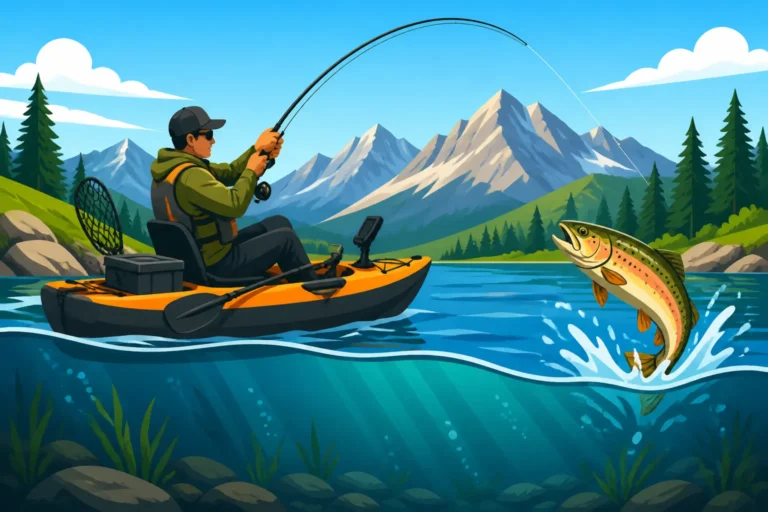
As September progresses into October, the river becomes a stage for one of nature's most impressive shows: the brown trout spawning migration. Mature brown trout, some reaching truly trophy sizes, begin to move upstream from reservoirs and larger river sections into their spawning grounds. This is when they are at their most aggressive, fueled by instinct and a desire to feed heavily before and during spawning. For anglers, this means opportunities to hook into the fish of a lifetime. Streamer fishing becomes incredibly effective, as these larger trout will savagely attack baitfish imitations.
The Fall Fishing for Browns on the Miracle Mile is particularly legendary during this period. Anglers will spend days, sometimes weeks, targeting these migrating leviathans. While the thrill of landing a large brown is immense, it's also critical to practice responsible angling. Avoid disturbing spawning beds (redds), easily identified as clean, oval-shaped depressions on the river bottom. If you do hook a spawning fish, handle it quickly, carefully, and release it without taking it out of the water. We are privileged to witness this natural event, and it's our duty to protect it for future generations.
Shoulder Season Delights November
Even after the peak of the brown trout run, November still offers fantastic fishing opportunities on the North Platte. The crowds thin out considerably, and the river takes on a serene, almost solitary feel. While the largest browns might have finished their spawning activities, plenty of eager trout, including rainbows and smaller browns, are still actively feeding. Nymphing remains a highly productive technique, especially with patterns that mimic eggs or various aquatic insects that are still active.
This shoulder season provides a unique blend of good fishing and peaceful solitude. Water temperatures continue to drop, making fish a bit more lethargic but also more predictable in their holding lies. Look for deeper pools and slower runs where trout can conserve energy. On warmer, overcast days, you might even encounter a late-season hatch of blue-winged olives, offering a surprise dry fly opportunity. This is a time for quiet reflection and enjoying the raw beauty of the Wyoming landscape, often without another soul in sight.
Winter's Quiet Consistency and Cold-Weather Charms
Winter in Wyoming is, to put it mildly, cold. But for the dedicated angler, the North Platte, particularly its tailwater sections, offers some of the most consistent and often overlooked fishing of the year. Forget the crowds and embrace the tranquility.
Reliable Tailwater Fishing December-February
The magic of tailwaters like the Gray Reef is that they release relatively consistent, warmer water from the bottom of the reservoir, preventing the river from freezing solid and providing stable temperatures for fish. This means even in the dead of winter, from December through February, fishing can be exceptional. Trout congregate in slower, deeper holes and runs, conserving energy and feeding on the abundant midge and small baetis nymphs that thrive in these stable conditions. It's a game of finesse and precision, often requiring light tippets and perfectly presented small flies.
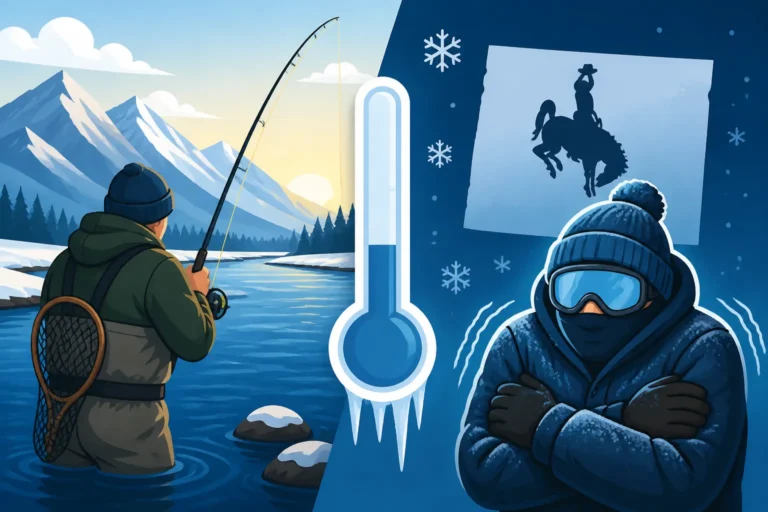
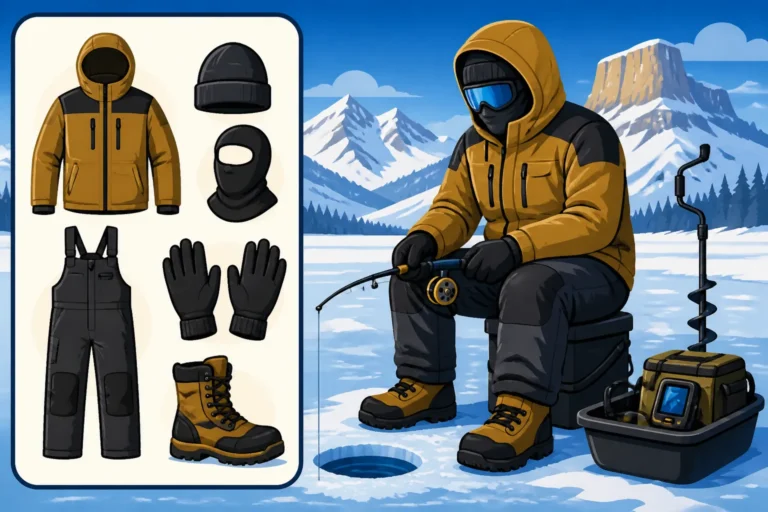
While the hatches might not be as dramatic as in summer, the sheer numbers of fish and their willingness to eat can be surprising. Many veteran anglers actually prefer winter fishing on the North Platte due to the lack of crowds and the rewarding challenge. Dressing appropriately is non-negotiable – layers are your friend, and good insulated waders are a must. Reading up on Why Tailwaters Fish Well in Winter can give you an edge, explaining the consistent water temperatures and abundant aquatic life that make these sections so productive when other rivers are locked under ice. A sturdy pair of waterproof gloves, perhaps an option you've seen reviewed favorably on Amazon, can make all the difference in keeping your hands warm and agile enough for knot tying.
Ice Fishing Possibilities on North Platte Reservoirs
While the North Platte River itself generally remains open and fishable through its tailwater sections, the larger reservoirs within its system offer fantastic ice fishing opportunities for those willing to brave the frozen landscape. Lakes like Pathfinder Reservoir and Alcova Reservoir, part of the broader North Platte watershed, become popular destinations for ice anglers targeting various species, including trout, walleye, and perch.
This isn't river fishing, of course, but it’s an extension of the North Platte's diverse fishery. Ice fishing offers a unique, often social, experience, where anglers set up shelters, drill holes, and jig for fish. The key is to monitor ice thickness carefully and always prioritize safety. While the river proper might remain open, these frozen lakes provide a different kind of winter adventure, showcasing another facet of Wyoming's rich fishing culture.
North Platte River Fishing Season at a Glance
To help you visualize the best times and typical conditions, here's a quick overview:
| Season | Typical Months | Best For | Typical Conditions | Recommended Techniques | Key Species |
|---|---|---|---|---|---|
| Spring | March – April | Pre-runoff nymphing, early hatches | Rising water temps, clear to slightly stained | Nymphing (midges, BWO), streamers | Rainbow, Brown Trout |
| May – Mid-June | Runoff (challenging but possible) | High flows, muddy water, variable clarity | Heavy nymphing, large streamers, focus on clear edges | Rainbow, Brown Trout | |
| Summer | Late June – August | Dry fly fishing, diverse hatches | Clear, moderate flows, warmer water (check temps) | Dry flies (caddis, PMDs, hoppers), light nymphing | Rainbow, Brown, Cutthroat |
| Fall | September – October | Trophy brown trout migration | Clear, stable flows, cooling water | Streamers, large nymphs, egg patterns | Brown, Rainbow Trout |
| November | Solitude, continued good fishing | Clear, colder flows, thinning crowds | Nymphing (midges, baetis), small streamers | Rainbow, Brown Trout | |
| Winter | December – February | Consistent tailwater nymphing | Clear, cold, stable flows (tailwater sections) | Deep nymphing (midges, baetis), slow retrieves | Rainbow, Brown Trout |
Disclaimer
Please remember that fishing conditions in Wyoming can change rapidly due to weather, water releases, and other environmental factors. Always check current regulations and conditions with the Wyoming Game and Fish Department before heading out. This guide provides general information and recommendations, but local knowledge and real-time updates are invaluable.