Why Brown Trout Move Upriver in October
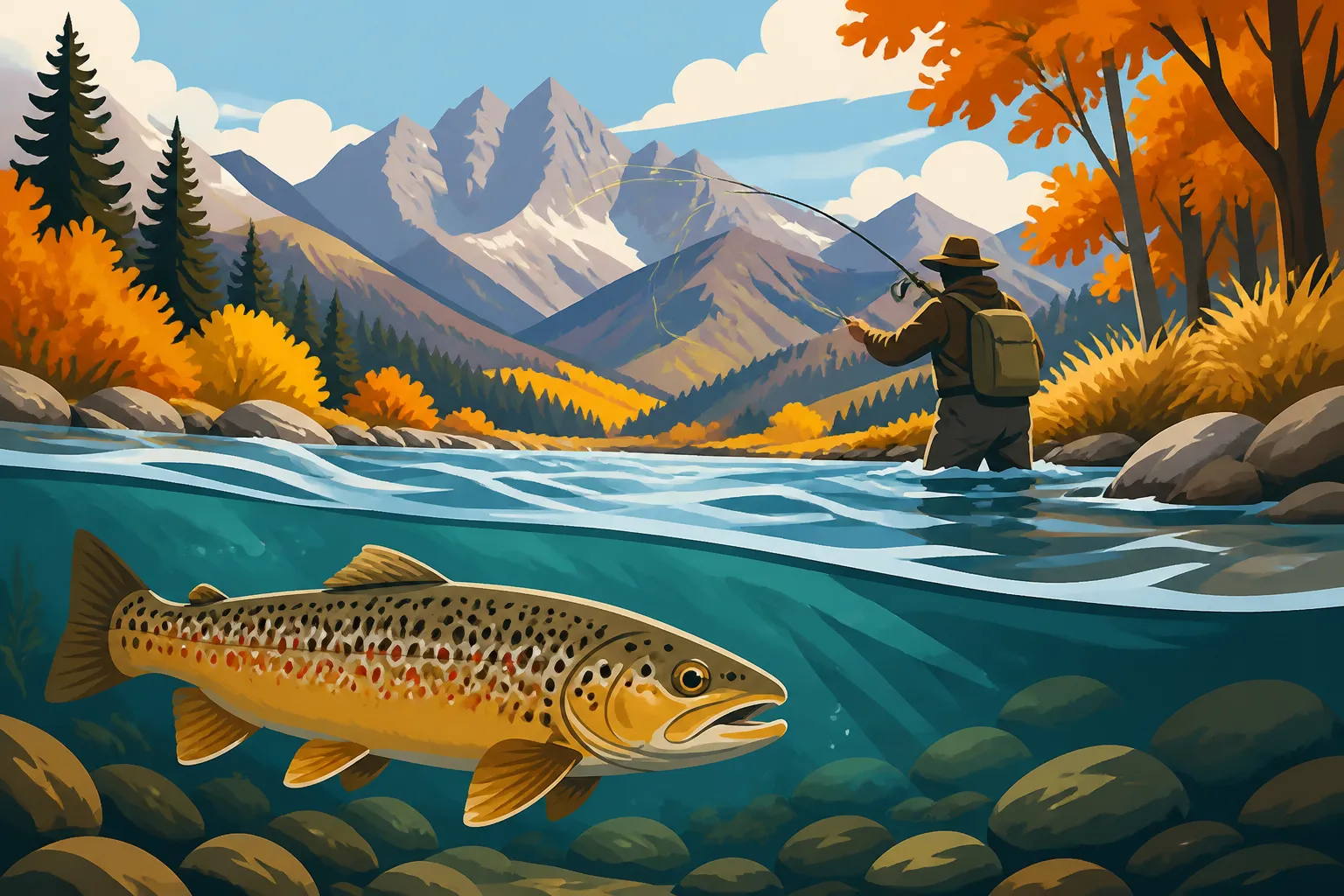
There's nothing quite like the crisp autumn air in Wyoming, the leaves turning golden and crimson along the riverbanks, and the undeniable buzz among anglers that the brown trout are on the move. Many of us, myself included, have stood on the banks in early October, wondering why these magnificent fish suddenly start pushing upstream with such determination. It's a question that echoes in the canyons and across the plains, often leaving us both fascinated and a little puzzled. This guide is here to unravel the mystery of the brown trout's annual October migration, explaining the powerful biological and environmental forces that compel them to journey upriver and what it all means for you, the eager angler.
The Biological Imperative: Spawning Season Drives the Journey
The primary, overwhelming reason brown trout begin their epic upriver journey in October is a single, powerful drive: spawning. It’s the cycle of life, hardwired into their very being, dictating that they must reproduce to ensure the next generation. For many of us, this migration is one of the most exciting times of the year, bringing the chance to see some truly spectacular fish, but it's crucial to remember the delicate balance at play during this critical period.
The Spawning Cycle of Brown Trout
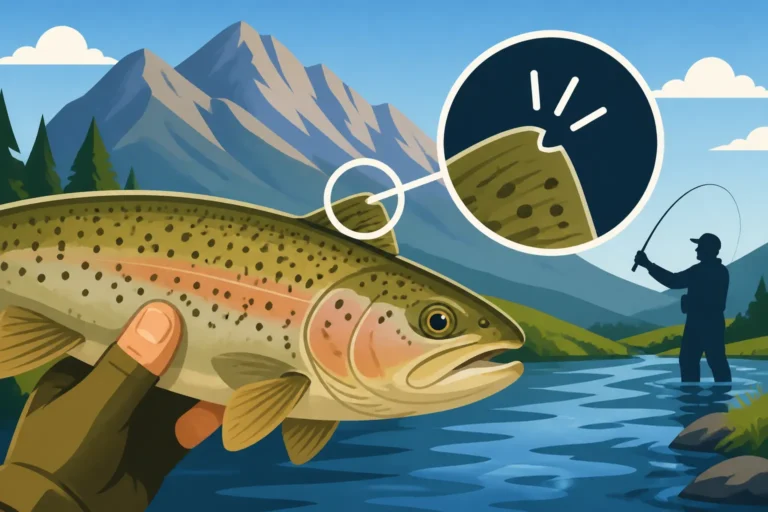
Brown trout, unlike some other trout species, are fall spawners. This means that as summer fades into autumn, their internal clocks trigger a series of physiological changes, preparing them for reproduction. For months leading up to October, they've been gorging themselves on available food sources, building up the fat reserves necessary for the strenuous migration and the act of spawning itself. You might notice their colors deepen, becoming more vibrant and intense as they approach their prime. These fish, especially the males, develop distinct hooked jaws, called kypes, becoming truly magnificent specimens.
Once October hits, or sometimes even late September in colder years, the urge becomes irresistible. Females will seek out gravelly areas in shallower, faster-moving water where they can construct their "redds"—nest depressions where they deposit their eggs. Males, often larger and more aggressive, will compete fiercely for access to these females and the redds, creating a dynamic and sometimes dramatic scene in the shallows. It's a cycle that has played out for millennia, long before any of us cast a line, and it’s a testament to the resilience of these fish. If you're keen to learn more about this specific event, our article on When Brown Trout Spawn in Wyoming goes into even greater detail.
Why Upriver? Finding Ideal Redd Locations
But why upriver? Why not just spawn where they’ve been all summer? The answer lies in the specific conditions required for successful egg incubation. Brown trout eggs need clean, well-oxygenated gravel beds where water flows through, preventing silt buildup and fungal growth. The main river channels, while great for feeding and growing during warmer months, often have deeper, slower sections or sediment loads that aren't ideal for redds.
Smaller tributaries, headwaters, and the upper reaches of larger river systems often provide these pristine conditions. These areas typically have:
- Cleaner gravel: Less silt and sand, allowing for better water flow around the eggs.
- Optimal oxygenation: Shallower, faster-moving water ensures a constant supply of fresh, oxygen-rich water.
- Protection: Smaller, shallower sections can sometimes offer a degree of protection from larger predators that might linger in deeper pools.
This means that a brown trout living in a large reservoir or a wide, slow section of a river like the North Platte will make a concerted effort to push upstream into smaller, faster-flowing sections or even into the mouths of feeder creeks. This instinct is incredibly strong, driving them sometimes dozens of miles against the current, all for the perfect nursery for their young.
The Importance of Genetic Preservation
Beyond the immediate act of spawning, this annual migration is deeply rooted in genetic preservation. Brown trout that successfully navigate the journey, find suitable spawning grounds, and reproduce pass on their strong genes to the next generation. This ensures that traits like resilience, adaptation to local conditions, and the instinct to spawn at the right time are perpetuated.
Each year's run is a continuation of this ancient cycle. It's not just about producing a lot of eggs; it's about producing viable eggs that have the best chance of hatching and surviving to adulthood. The energy expenditure is immense, and the risks are high, but the reward for the species is continuation. As anglers, appreciating this profound natural process can deepen our respect for these fish and the incredible ecosystems they inhabit. For those curious about the various brown trout populations, our Brown Trout Fishing in Wyoming guide offers a great overview.
Environmental Triggers: What Kicks Off the Migration?
While the biological urge is paramount, brown trout don't just decide one day in October, "Hey, it's time to spawn!" Their internal clocks are exquisitely tuned to environmental cues. These triggers act like a series of alarms, signaling that conditions are ripe for the arduous journey and the delicate process of reproduction.
Cooling Water Temperatures: A Key Signal
One of the most significant environmental signals for brown trout is the drop in water temperature. As summer’s heat wanes and the nights grow longer and colder, river and lake temperatures begin to steadily decline. Brown trout thrive in cooler water, and these decreasing temperatures signal that winter is approaching, making it an ideal time for their eggs to incubate.
Typically, when water temperatures consistently fall below 50-55°F (around 10-13°C), the brown trout's spawning instincts kick into high gear. This cooling period is not just comfortable for the fish; it's critical for the eggs. Colder water holds more oxygen, which is essential for developing embryos, and it also slows down the metabolism of fungi and bacteria that could otherwise destroy the eggs. For those who track river conditions, monitoring these temperature shifts can give you a real edge in knowing when the run might begin. Understanding How Water Temperature Changes Wyoming Trout Behavior is key to successful angling year-round.
Increased Stream Flows: The Push Factor
Another crucial environmental trigger, especially in river systems, is increased stream flow. While Wyoming can experience dry falls, often late summer or early autumn brings some rain or snowmelt, increasing the volume and velocity of water in streams and rivers. This isn't just a coincidence; it plays a vital role.
Higher flows can help brown trout by:
- Facilitating movement: Deeper water allows larger fish to navigate shallower sections more easily, reducing their exposure to predators.
- Clearing pathways: Increased current can flush out accumulated silt and debris from potential spawning beds, creating cleaner gravel.
- Providing a "push": A stronger current can actually assist fish in their upstream migration, making the journey slightly less arduous in some respects.
Of course, too much flow (like during a heavy runoff event) can be detrimental, washing out redds or making upstream travel impossible. But a moderate increase in flow acts as a helpful nudge, encouraging the fish to begin their move. This makes timing crucial, and being aware of recent weather patterns is just as important as knowing the calendar.
Shorter Days and Light Cycles: Nature's Calendar
Beyond temperature and flow, the subtle shift in day length, or photoperiod, acts as nature’s calendar for brown trout. As October progresses, the days visibly shorten, and the amount of daylight decreases. This change in light exposure is registered by the fish's endocrine system, triggering hormonal responses that initiate the spawning process.
Think of it like this: the declining light levels are a universal, undeniable signal that the seasons are changing, regardless of any short-term weather fluctuations. Even if a particular October day is unusually warm, the consistent reduction in daylight hours tells the brown trout that winter is on its way, and it’s time to reproduce. This ancient biological clock, refined over countless generations, ensures that the brown trout are ready to spawn at the optimal time for their eggs to survive the upcoming cold months and hatch in the spring.
Navigating the Journey: Challenges and Strategies
The upstream migration isn't a leisurely swim; it's an arduous, high-stakes journey fraught with challenges. Brown trout are incredibly resilient, but their survival depends on their ability to overcome obstacles, conserve energy, and ultimately find the perfect place to deposit their future.
Overcoming Obstacles: Falls, Rapids, and Predation
Imagine swimming upstream against a constant current, sometimes having to leap over small waterfalls or battle through fierce rapids. This is the reality for migrating brown trout. They use powerful bursts of speed, drawing on those reserves built up over the summer, to push through difficult sections. It's truly a feat of nature to witness their determination.
Beyond physical exertion, they face increased predation. With many fish concentrated and moving into shallower, sometimes exposed waters, they become easier targets for opportunistic predators. Ospreys, bald eagles, great blue herons, and even other fish-eating mammals like otters will key into the spawning runs, seeing it as an easy meal. For anglers, this means you might see more wildlife activity around the rivers during this time, which is another incredible aspect of the autumn fishing experience in Wyoming.
Energy Demands: The Cost of the Journey
The entire spawning process—from migration to redd construction, egg deposition, and guarding (in some cases)—demands an enormous amount of energy. Brown trout may travel considerable distances without feeding much, if at all, during the peak of the spawn. They are running on stored fat reserves, and by the time they finish, they are often emaciated and exhausted.
This energy drain is why the pre-spawn feeding frenzy is so important. Fish will aggressively feed in late summer and early fall, trying to pack on as many calories as possible. This makes early October, just before the intense spawning activity, an excellent time for anglers to target larger, actively feeding fish. Once the full spawning urge takes over, feeding becomes secondary to reproduction. Understanding this helps us choose our tactics and appreciate the immense effort these fish put into survival. Sometimes, having the right gear, like a good pair of waders or a durable rod from a reputable brand you can find on Amazon, can make all the difference in covering the water efficiently and ethically during this period.
Choosing the Right Spawning Grounds
The decision of where to spawn is critical. Females, driven by instinct, are looking for very specific conditions: clean gravel of the right size, adequate water flow, and appropriate depth. They will often test multiple spots with their tails, fanning away silt and debris, before settling on the ideal location for their redd.
This selection process is a matter of survival for their offspring. If the redd is too silty, the eggs might suffocate. If the current is too strong, they could be washed away. If the water is too shallow, they might freeze in winter or be exposed to predators. Each choice is a calculated risk, and the brown trout's success as a species depends on making the right one. Our guide on Reading the Wyoming Fishing Regulations Booklet can help you understand any specific regulations related to protecting spawning grounds.
Angler's Perspective: Fishing During the Spawning Run
For many anglers, the brown trout spawning run in October is a highly anticipated event. It offers a unique opportunity to encounter some of the largest, most vibrant brown trout of the year. However, it also comes with a significant responsibility to fish ethically and minimize disturbance during this critical period.
Ethical Angling During Spawning Season
When brown trout are actively spawning, they are incredibly vulnerable. They are focused on reproduction, not feeding, and are often concentrated in shallow, exposed areas. While it's tempting to target these big, aggressive fish, responsible anglers recognize the importance of not disrupting the spawning process.
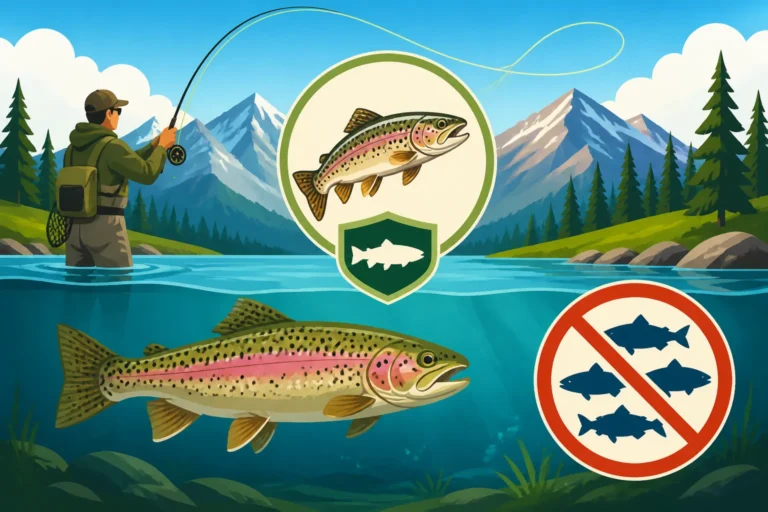
- Avoid targeting fish on redds: Actively spawning fish, particularly those defending a redd, are doing vital work. Catching them can disrupt spawning, damage redds, and injure the fish, reducing their chances of successfully reproducing. It's best to observe these areas from a respectful distance.
- Watch where you wade: Spawning beds are often in shallow, gravelly areas. Wading through these areas can crush eggs and destroy redds that are already established. Stick to deeper water or known travel lanes if wading is necessary, and always be mindful of your footing.
- Consider a 'no fishing' period: Some anglers choose to voluntarily take a break from targeting brown trout during the peak of the spawn, focusing on other species or activities instead. This is a personal choice but reflects a deep respect for the resource.
Remember, the thrill of catching a trophy fish should never come at the expense of the fishery's long-term health. Responsible angling ensures that these incredible runs continue for generations to come. Catch-and-Release Rules on Wyoming Waters are especially important to review during this time.
Best Practices for Catch and Release
If you do choose to fish during the brown trout run, practicing impeccable catch and release is absolutely essential. These fish are already under immense stress from the migration and spawning.
Here are some tips for handling spawning brown trout:
- Minimize fight time: Use appropriate tackle to bring fish in quickly, reducing exhaustion.
- Keep them in the water: If possible, unhook fish while they are still in the water. Avoid dragging them onto banks or rocks.
- Wet your hands: Always wet your hands before touching a fish to protect its delicate slime coat, which is vital for disease prevention.
- Support the fish: Hold them gently, supporting their belly, and avoid squeezing. Never hold a large fish by the jaw with its body hanging unsupported.
- Quick photos: If you must take a photo, do it quickly with the fish mostly in the water.
- Revive gently: Allow the fish to recover in the current, facing upstream, until it can swim away strongly on its own.
These practices apply year-round, but their importance is magnified during the stressful spawning period. We want to enjoy the experience, but also ensure these fish have the best chance to recover and complete their biological mission. You can find excellent landing nets and release tools on Amazon that help minimize stress on the fish.
Targeting Non-Spawning Fish
Even during the October spawning run, not every brown trout is actively engaged in reproduction. There will be pre-spawn fish still aggressively feeding, fish taking a break from the main activity, or younger fish not yet mature enough to spawn. These are the fish ethical anglers should focus on.
Look for:
- Feeding lanes: Brown trout that are actively feeding will often be in current seams, eddies, or deeper pockets where food washes by. These are often away from the shallow, gravelly redds.
- Transition zones: Areas where deeper water meets shallower sections, or where a tributary joins a main river, can hold fish that are migrating but not yet on a redd.
- Cover: Logjams, undercut banks, and large rocks offer resting spots and ambush points for fish that are still focused on foraging.
Focusing on these areas allows you to experience the excitement of the fall brown trout season without interfering with the crucial spawning process. This is the art of ethical angling – understanding the fish, respecting their lifecycle, and still enjoying the magnificent sport. For those chasing big fish, our article on Best Time to Catch a Trophy Brown Trout in Wyoming might offer some additional insights into targeting pre-spawn browns.
Here’s a quick overview of what drives the brown trout upriver in October:
| Factor | Description | Angler Consideration |
|---|---|---|
| Spawning Urge | Hardwired biological drive to reproduce, making them migrate to ideal gravel beds for egg deposition. | Avoid targeting fish directly on redds; prioritize ethical catch and release. |
| Water Temp | Consistent drop below 50-55°F signals optimal conditions for egg incubation and triggers migration. | Monitor local water temps; early fall (pre-spawn) can be excellent for actively feeding fish before they commit to redds. |
| Stream Flows | Moderate increases in flow facilitate upstream movement and help clear potential spawning areas. | Be aware of recent precipitation; higher, but not blown-out, flows can concentrate fish in travel lanes. |
| Day Length | Shorter daylight hours (photoperiod) act as a strong hormonal trigger, signaling the onset of the spawning season. | Reliable indicator that the run is approaching, regardless of short-term weather anomalies. |
| Redd Selection | Females seek clean, oxygenated gravel in shallower, faster water for successful egg development and protection. | Avoid wading through shallow, gravelly areas to prevent crushing eggs or disturbing spawning fish. |
| Energy Needs | Migration and spawning are incredibly energy-intensive; fish build reserves beforehand and are exhausted afterwards. | Focus on pre-spawn fish still actively feeding; be extra gentle with post-spawn or actively spawning fish. |
Ultimately, the brown trout's October migration upriver is a powerful testament to the intricate workings of nature. It’s a time of profound beauty and biological imperative, offering anglers a chance to witness something truly special. By understanding why they move and fishing responsibly, we can all help ensure that these incredible runs continue to captivate and inspire us for many autumns to come. Make sure you check out How Big Brown Trout Get in Wyoming if you're interested in the potential size of these magnificent fish.
Disclaimer
This article is for general informational purposes only and does not constitute professional advice. Laws, prices and regulations vary by location and change over time. Consult a qualified professional for guidance on your specific situation.