Are Smallmouth Bass Native to Wyoming?
It's completely understandable to wonder about the origins of different fish species, especially when you encounter a feisty fighter like the smallmouth bass in Wyoming's waters. Many anglers are surprised to learn that some of our favorite game fish aren't actually from around here. This guide will dive deep into the smallmouth bass's status in the Cowboy State, covering whether they're native, where you can find them, their impact, and how to responsibly enjoy fishing for them.
The Truth About Smallmouth Bass in Wyoming: Not Native
Let's cut right to the chase for those of you who might be scratching your head about smallmouth bass being in Wyoming at all: no, they are not native to our beautiful state. When you're fishing the Green River or casting lines in Flaming Gorge, you're interacting with a species that was introduced, rather than one that naturally evolved and spread throughout Wyoming's historical aquatic ecosystems. This might come as a shock to some, especially given how well they thrive in certain areas, almost as if they've always been here.
Defining "Native" in the Wyoming Fishery Context
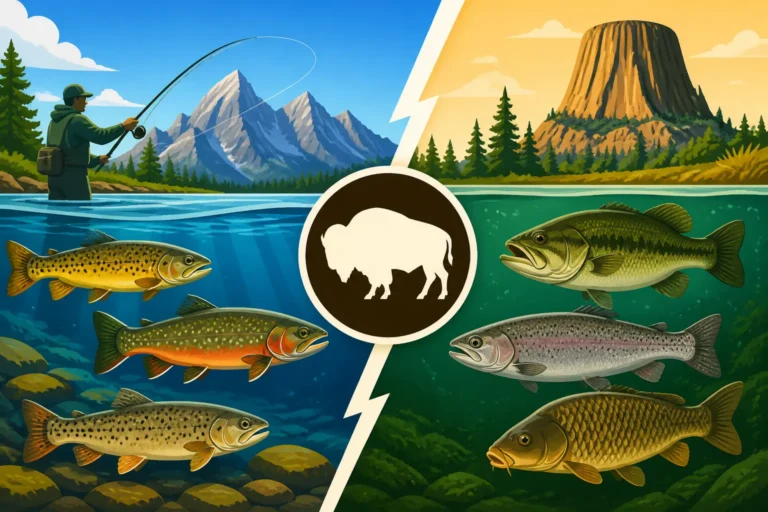
Understanding what "native" truly means is key. In the world of fisheries, a native species is one that occurred naturally in a given region before significant human intervention. These are the fish that have been here for thousands of years, evolving alongside the specific conditions of Wyoming's rivers and lakes. Think about our beloved Yellowstone cutthroat trout; they are a prime example of a native species, perfectly adapted to the cold, clear waters of our mountains. They play a specific role in the food web and have developed alongside our unique environment. When a fish species isn't native, it means it was brought here, intentionally or unintentionally, by people. This distinction is crucial because introduced species can have a profound impact, both positive and negative, on the existing ecosystem.
For the most part, Wyoming's native fish populations are cold-water species, like various trout and char. The warmer water species, such as bass and walleye, are almost exclusively introduced. This distinction really shapes how the Wyoming Game and Fish Department manages different fisheries. It's not just about what swims in the water, but how it got there and what its presence means for everything else. You can learn more about this by reading up on Wyoming's Native Fish vs Introduced Species.
How Smallmouth Bass Arrived in Wyoming
The story of how smallmouth bass ended up in Wyoming is a common one across many states: it's a tale of deliberate introduction for sport fishing. Anglers, always looking for new challenges and diverse fishing opportunities, often played a role in moving popular game fish to new waters. Smallmouth bass, known for their aggressive strikes and strong fighting spirit, were a highly desirable species for this purpose.
The introductions weren't just random acts. State agencies and private citizens, often with good intentions, would transplant these fish from their native ranges, which are primarily in the eastern and central United States. These efforts usually began in the early to mid-20th century, with the goal of creating new recreational fisheries. The thinking was, if a lake or reservoir had suitable habitat and forage, why not introduce a new, exciting sport fish? It made perfect sense from an angler's perspective. Over time, these introduced populations took hold, adapted to their new homes, and began to spread, sometimes colonizing new areas on their own through connected waterways. It's a testament to their adaptability and resilience that they've not only survived but thrived in certain Wyoming environments.
Prime Wyoming Waters for Smallmouth Bass
While not native, smallmouth bass have definitely made themselves at home in specific corners of Wyoming, offering fantastic angling opportunities for those who know where to look. They prefer certain types of habitats that aren't found uniformly across the state, which is why you won't find them everywhere you cast a line.
Identifying Ideal Smallmouth Habitat
Smallmouth bass are particular about their living arrangements. Unlike many trout species that prefer fast, cold, oxygen-rich rivers, smallmouth bass gravitate towards clearer, warmer waters. They absolutely love rocky structures. Think about areas with submerged boulders, gravel beds, rocky points, and ledges. These spots provide excellent cover from predators, ambush points for their prey, and prime spawning grounds. They'll also seek out areas with some aquatic vegetation, but the rocky, hard-bottomed areas are usually their go-to.
You'll often find them congregating around current breaks in rivers, or along the rip-rap of reservoir shorelines. These fish are sight feeders, so clear water is generally preferred. They also appreciate a bit of depth, especially during the heat of summer, where they can retreat to cooler, deeper water when surface temperatures soar. Knowing this habitat preference is half the battle when you're trying to locate these bronze-backed fighters. Understanding the types of environments they call home will significantly increase your chances of a successful outing.
Top Spots to Target Smallmouth Bass
When it comes to prime smallmouth bass fishing in Wyoming, one name consistently rises to the top: Flaming Gorge Reservoir. This massive body of water, straddling the Wyoming-Utah border, is renowned for its incredible smallmouth fishery. The reservoir's vast expanses of rocky shoreline, canyons, and submerged structures provide perfect conditions for smallmouth to thrive. Anglers regularly pull out healthy, hard-fighting bass here. The sheer size of Flaming Gorge means there are endless nooks and crannies to explore, making it a favorite destination for bass enthusiasts. If you're looking for a dedicated smallmouth trip, Flaming Gorge should be high on your list. You can explore more about this incredible fishery by checking out Wyoming's Flaming Gorge Reservoir Fishing Guide.
Other waters across the state also hold smallmouth, though perhaps not in the same trophy-class numbers as Flaming Gorge. Reservoirs like Boysen Reservoir, though more famous for walleye, can offer some smallmouth action, especially in its rockier sections. Even some stretches of the Green River, particularly the slower-moving, rock-bottomed areas, can surprise you with a smallmouth or two. Remember, their presence is often tied to those rocky, clear, and slightly warmer water conditions. If you're fishing a new body of water, look for these characteristics, and you might just stumble upon a hidden gem for smallmouth.
Here's a quick comparison of ideal habitat for smallmouth bass versus typical trout species in Wyoming:
| Feature | Smallmouth Bass Preferred Habitat | Trout Preferred Habitat (General) |
|---|---|---|
| Water Temperature | Warmer (55-75°F / 13-24°C) | Colder (45-65°F / 7-18°C) |
| Water Clarity | Clear to moderately clear | Clear, often pristine |
| Current | Moderate to slow currents (rivers), still water (lakes) | Fast-moving (rivers), varied (lakes, often near cold inlets) |
| Bottom Type | Rocky, gravel, boulders, ledges, submerged wood | Gravel, cobble, sand, sometimes silt with cover |
| Vegetation | Moderate aquatic vegetation for cover/ambush | Minimal, but may use undercut banks and woody debris for cover |
| Oxygen Levels | High to moderate | High, especially in moving water |
| Depth | Varied, will seek deeper water in heat | Varied, often near cooler thermal refuges |
Smallmouth Bass: A Double-Edged Sword for Wyoming's Ecosystem
The introduction of any non-native species brings with it both opportunities and challenges. Smallmouth bass are no exception, and their presence in Wyoming's waters creates a complex scenario that anglers and wildlife managers must consider.
The Angler's Perspective: A Welcome Challenge
For many anglers, the smallmouth bass is a welcome addition to Wyoming's fisheries. They are incredibly fun to catch. Known for their acrobatic jumps and powerful runs, smallmouth often provide a thrilling fight that can rival a hard-charging trout. This makes them a popular target, especially for those who enjoy targeting warmwater species or simply want a change of pace from trout fishing. Their presence diversifies the fishing experience, drawing in anglers who might not otherwise visit certain areas of Wyoming. This, in turn, can boost local economies through tourism, guiding services, tackle sales, and accommodations. Businesses near places like Flaming Gorge certainly benefit from the popularity of its bass fishery. The pursuit of Smallmouth Bass in Wyoming Reservoirs contributes significantly to the state's recreational fishing landscape, offering a unique opportunity for those seeking a different kind of angling adventure.
The excitement of casting a topwater lure on a warm evening and watching a smallmouth explode on it is an experience many cherish. They hit hard, fight dirty, and offer a fantastic challenge, whether you're a seasoned bass angler or just trying something new. This isn't to say that trout fishing isn't phenomenal in Wyoming, but variety is the spice of life, and smallmouth bass certainly add a zesty kick to our angling menu.
Ecological Considerations and Management
However, the introduction of non-native species always comes with ecological considerations. While smallmouth bass are fun to catch, they are also predators, and their diet can include native fish species, especially smaller ones or juveniles. They compete for food and habitat with native fish, potentially disrupting the delicate balance of the ecosystem. In some cases, they can outcompete native species for resources, or directly prey on vulnerable native populations, especially in waters where native fish are already under stress.
Wyoming Game and Fish manages these introduced populations carefully. In some reservoirs where smallmouth bass coexist well with other introduced species like walleye or perch, they can become a valuable part of the sport fishery without causing undue harm. However, in waters that contain sensitive native trout populations, their presence might be viewed with more caution. Management strategies can include things like catch-and-release regulations in some areas to maintain population levels, or sometimes more aggressive harvest recommendations if their numbers are deemed detrimental to other species. The goal is always to balance recreational opportunities with the conservation of native fish and the overall health of the aquatic ecosystem. It's a constant balancing act, requiring ongoing research and adaptive management.
Getting Started with Smallmouth Bass Fishing in Wyoming
So, you're convinced and ready to tackle some Wyoming smallmouth bass? That's fantastic! Getting started doesn't have to be complicated, and with a little preparation, you can be enjoying these hard-fighting fish in no time.
Essential Gear and Techniques
Smallmouth bass are aggressive, which means they'll hit a wide variety of lures and baits. For beginners, a medium-light to medium power spinning rod and reel combo is perfect. You'll want something sensitive enough to feel those subtle bites but with enough backbone to handle a strong fish. Pair it with 6-10 lb test monofilament or fluorocarbon line.
When it comes to lures, some classics consistently produce results for smallmouth:
- Crankbaits: These mimic baitfish and are great for covering water. Look for smaller sizes in natural baitfish colors or bright crawfish patterns.
- Spinnerbaits: With their flashing blades and vibrating skirts, spinnerbaits are excellent for drawing attention, especially in stained water.
- Jigs: Soft plastic jigs rigged on a jig head can be incredibly effective, especially when hopped along the bottom near rocky structure. Grubs, tubes, and creature baits are popular choices.
- Topwater Lures: Nothing beats the thrill of a smallmouth exploding on a topwater popper or walking bait during low light conditions.
- Live Bait: Minnows, crawfish, or even worms can be irresistible to smallmouth.
You can find a huge array of these lures, rods, reels, and other tackle on platforms like Amazon. Whether you're looking for a new fishing vest with plenty of pockets or specific soft plastic swimbaits, it's a convenient place to explore your options. Just remember to check reviews and choose reputable brands. If you're unsure about specific choices, a quick search for "Best Lures for Smallmouth Bass in Wyoming Reservoirs" can give you some great starting points.
Fly anglers can also have a blast with smallmouth. Streamer patterns that imitate baitfish or crawfish are incredibly effective, as are poppers and divers for exciting topwater action. A 5- or 6-weight fly rod will handle most Wyoming smallmouth with ease. Whatever your preferred method, remember to bring a pair of polarized sunglasses; they'll help you spot submerged structure and even cruising bass in clear water. A good pair of pliers for hook removal is also essential.
Respecting the Resource: Regulations and Best Practices
As with any fishing adventure in Wyoming, it's absolutely crucial to familiarize yourself with the current regulations. Even though smallmouth bass are not native, they are managed game fish, and there will be specific rules regarding bag limits, possession limits, and possibly even length restrictions depending on the water body. These regulations are designed to ensure sustainable fisheries and protect the overall health of the aquatic environment. The Wyoming Game and Fish Department publishes an annual fishing regulations booklet, and it's your best friend for staying informed. You can find detailed information by searching for Wyoming Fishing Regulations Every Angler Should Know or simply picking up a copy wherever you buy your license.
Beyond regulations, practicing responsible angling is vital. If you plan to release fish, handle them gently. Wet your hands before touching them to protect their protective slime coat, minimize their time out of water, and use appropriate tools for quick hook removal. If you're keeping fish, ensure you understand and adhere to all limits.
The presence of smallmouth bass in Wyoming's waters offers a unique and exciting opportunity for anglers. By understanding their history, habitat, and the importance of responsible fishing, you can enjoy pursuing these hard-fighting fish while also appreciating the broader ecological landscape of our amazing state.
Disclaimer
This article is for general informational purposes only and does not constitute professional advice. Laws, prices and regulations vary by location and change over time. Consult a qualified professional for guidance on your specific situation.