How Big Brown Trout Get in Wyoming
We've all heard the whispers, seen the photos, and dreamt of it: landing that truly massive brown trout, the kind that feels like an old log pulling on your line before it explodes into a thrashing, golden-flanked beast. For many anglers, Wyoming represents the pinnacle of this pursuit, yet understanding what goes into growing a leviathan brown and where you might actually encounter one can feel like chasing a ghost. This guide is here to cut through the tall tales and give you a realistic, in-depth look at just how big brown trout can get in Wyoming and what factors contribute to their impressive size.
The Allure of Wyoming's Trophy Brown Trout
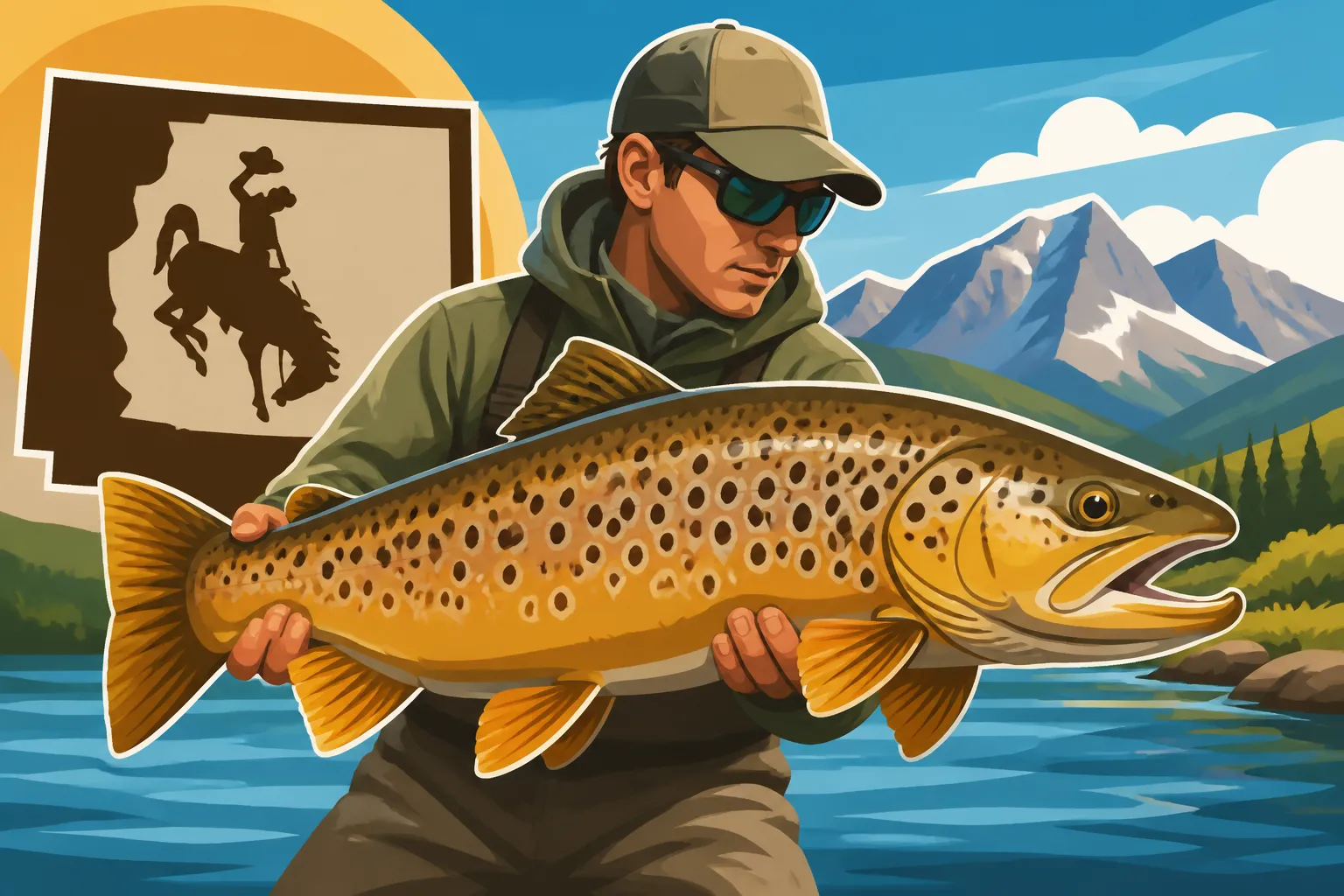
There's something undeniably captivating about brown trout. Maybe it's their elusive nature, their territorial aggression, or those striking spots that pepper their olive-gold bodies. But for many, it's their sheer potential for size that draws them in. Wyoming, with its pristine waters and diverse fisheries, holds a special place in the hearts of those chasing that true "trophy" brown. We're not just talking about your average 12-inch stocker; we're talking about fish that stretch well over 20 inches, sometimes pushing towards the magical 30-inch mark, and occasionally even beyond. These are the fish that dominate the deep pools, ambush their prey with cunning, and test every ounce of an angler's skill and patience.
Factors Influencing Brown Trout Size
So, what makes a brown trout grow into a true monster? It's not just luck, though luck certainly plays a role. A combination of genetic potential, abundant food sources, water temperature, habitat stability, and fishing pressure all contribute to how large these fish can become. Think of it like a carefully balanced ecosystem. A brown trout in a small, nutrient-poor mountain stream, constantly harassed by predators and other fish, simply won't have the resources or the peace to grow into a giant. Conversely, a brown living in a vast reservoir with a steady supply of baitfish, consistent water temperatures, and plenty of deep, oxygenated water where it can hide and feed, has a much higher chance of packing on the pounds and growing to impressive dimensions.
Genetics are a baseline; some strains of brown trout are simply predisposed to grow larger than others. But even with good genes, without the right environment, that potential is never fully realized. Food is paramount; large browns are often piscivorous, meaning they eat other fish. If a river or lake has a healthy population of smaller trout, suckers, or other forage fish, you can bet the browns there will have a much better chance of reaching gargantuan sizes. Water temperature also plays a role in metabolism and growth rates. Ideal temperatures allow fish to feed and grow efficiently without expending too much energy. Lastly, fishing pressure can significantly impact the number of large fish. Waters that are heavily fished, especially those where anglers keep their larger catches, will naturally have fewer trophy-sized browns. This is where Catch-and-Release Rules on Wyoming Waters become so important for sustaining trophy fisheries.
The Legend of Wyoming's Brown Trout Records
Wyoming has a rich history of producing truly exceptional brown trout. While state records are always exciting, it's important to remember that these are often once-in-a-lifetime catches that push the absolute limits of what's possible. These record-breaking fish are testaments to both the angler's skill and the incredible potential of Wyoming's fisheries. They inspire us to keep casting, to keep exploring, and to keep dreaming of that next big bite.
The state record books show browns pushing well over 20 pounds, with lengths often exceeding 30 inches. Imagine a fish that long, with that kind of girth! These are typically very old fish, having survived many years of challenges, proving their resilience. While your everyday fishing trip might not yield a state record, knowing that such fish exist within Wyoming's waters adds an extra layer of excitement and possibility to every cast. These behemoths are often caught in specific areas known for their abundant forage and deep, protective waters, highlighting the importance of understanding habitat when targeting true giants.
Prime Habitats for Monster Browns in Wyoming
If you're serious about hooking into a substantial brown trout, you need to know where they like to hang out. These aren't fish you'll typically find in every small riffle; they seek out specific environments that offer food, cover, and favorable conditions for growth. Wyoming offers a variety of habitats that are known to produce significant brown trout, from renowned rivers to vast, deep reservoirs.
Cold, Clear Tailwaters
Tailwater fisheries, those stretches of river directly below large dams, are often celebrated for their incredible trout populations, and brown trout are no exception. The water released from the bottom of these reservoirs is consistently cold, oxygen-rich, and often full of nutrients, creating an ideal environment for aquatic insects and baitfish to thrive. This stable ecosystem means a steady food supply year-round, allowing brown trout to grow large and robust.
Consider the North Platte River, particularly stretches like the Miracle Mile or Gray Reef. These sections are legendary for their prolific trout fishing, including very large brown trout. The consistent flows and abundant scuds, midges, and small baitfish provide a perfect buffet for browns to gorge themselves. In these waters, browns often get incredibly aggressive, particularly during their fall spawning runs, where they move upriver looking for prime spawning habitat and become more vulnerable to anglers throwing larger streamers. This is when you can really target big fish, and many anglers will focus on Fall Fishing for Browns on the Miracle Mile for this reason. You might even find specialized streamer patterns for purchase on sites like Amazon that are designed specifically for these conditions.
Deep, Nutrient-Rich Reservoirs
While rivers get a lot of attention, don't overlook Wyoming's vast reservoirs when it comes to trophy brown trout. These expansive bodies of water offer a different kind of habitat that can foster enormous fish. Reservoirs like Flaming Gorge and Pathfinder, for example, have massive depths, complex underwater structures, and huge populations of forage fish (like kokanee salmon or chub) that serve as a primary food source for growing brown trout.
In these deep-water environments, brown trout can grow to astounding sizes, often becoming more predatory and less insect-focused. They'll cruise the thermocline, hunting schools of baitfish, and often grow wider and heavier than their river-dwelling cousins. Fishing these waters requires different tactics, often involving trolling deep with spoons or large plugs, or vertical jigging around submerged structures. It’s a completely different game than fly fishing a river, but the rewards can be incredible. A brown trout from a reservoir might not be as long as a river fish, but its girth can be truly impressive, making it feel like an absolute tank on the end of your line. When researching gear for these expeditions, it's worth checking out the selection of deep-diving lures and specialized trolling equipment on platforms like Amazon.
Secluded Mountain Lakes
While perhaps less consistent for record-breaking browns, Wyoming's high-alpine lakes can certainly hold some surprisingly large specimens. These secluded, often pristine waters, reached only by hike or horseback, offer a unique environment. Brown trout here might not have the same endless buffet as a reservoir fish, but they often face less fishing pressure and have adapted to their unique ecosystems. In some of these lakes, if there's a good population of smaller brook trout or other forage, brown trout can become apex predators, growing slowly but steadily over many years.
These fish often have a wilder, more vibrant coloration, reflecting their untamed environment. Catching a large brown in one of these remote settings feels like a true achievement, a testament to exploring the backcountry and finding those hidden gems. While they might not be as numerous, the quality of the fish and the experience are unparalleled. For those interested in How to Fish Wyoming's High-Alpine Lakes, remember that stealth and minimal impact are key.
Here's a quick comparison of potential brown trout sizes by habitat:
| Habitat Type | Typical Large Brown Trout Size (Inches) | Max Potential (Inches) | Primary Food Source | Fishing Pressure |
|---|---|---|---|---|
| Cold, Clear Tailwaters | 18-24 | 28-32+ | Insects, scuds, small baitfish | Moderate to High |
| Deep, Nutrient-Rich Reservoirs | 20-26 | 30-36+ | Kokanee, chub, smaller trout | Moderate |
| Secluded Mountain Lakes | 16-22 | 25-28 | Insects, small brook trout | Low |
Strategies for Targeting Large Brown Trout
Catching a truly big brown trout requires more than just casting a line; it demands a strategic approach, patience, and often, specialized gear. These fish are smart, wary, and often solitary, making them a worthy challenge for any angler.
Matching the Hatch with Bigger Flies
For river-dwelling browns, especially those in tailwaters, understanding their diet is crucial. While smaller browns might sip tiny midges, a truly large brown trout often key in on bigger meals. This means switching your fly box to include larger nymphs, articulated streamers, and even mice or sculpin patterns. Streamer Fishing for Wyoming Brown Trout is a particularly effective technique, as these flies imitate the smaller baitfish that big browns actively hunt.
When fishing streamers, think about presentation: retrieve them erratically, mimicking an injured baitfish, or strip them fast to trigger a chase response. Fishing during low-light conditions, like dawn, dusk, or even at night (where legal), can significantly increase your chances, as big browns are often more active and less wary under the cloak of darkness. These fish aren't just looking for a meal; they're looking for an efficient meal, so a larger, more caloric offering is often exactly what they're after. You can find a vast array of these larger fly patterns, and even specialized streamer boxes, on Amazon.
Trolling and Jigging for Reservoir Giants
For the truly enormous browns found in Wyoming's reservoirs, boat fishing often becomes the most effective method. Trolling with downriggers to get your lures down to the fish's depth is key. Large spoons, minnow-imitating plugs, and even specialized tube jigs are popular choices. Experiment with different depths and speeds, paying close attention to your fish finder to locate schools of baitfish or deep structures where these predators might be lurking.
Jigging can also be highly effective, especially around submerged points, ledges, or old creek channels. Heavy jigs tipped with bait or soft plastics can entice a reluctant brown to strike. The sheer size of these water bodies means covering a lot of ground, but when you hook into a reservoir monster, the fight is truly unforgettable. Remember that these browns are often focused on substantial prey, so don't be afraid to go big with your lure choices. Having a strong, heavy-duty rod and reel combo, perhaps sourced from a reputable outdoor retailer like those found on Amazon, is essential for these powerful fish.
Patience and Stealth in Stalking
Regardless of the water body, patience and stealth are universal virtues when targeting large brown trout. These fish didn't get big by being foolish; they're incredibly wary. On rivers, approach likely holding spots carefully, minimizing your silhouette and avoiding heavy footsteps on the bank. Cast accurately and delicately, trying to present your fly or lure naturally without spooking the fish. If you see a large fish, sometimes it's best to observe its behavior for a while before making a cast.
In reservoirs, avoid sudden movements or loud noises that can travel through the water. Drifting quietly or using an electric trolling motor can be advantageous. For still, clear waters, a long leader and fluorocarbon tippet can be essential to fool sharp-eyed fish. Remember, these fish have seen it all, so anything out of the ordinary can send them scurrying for cover. Understanding How to Fish a Deep Pool for Big Trout or How to Fish an Undercut Bank requires an appreciation for their natural hiding spots and a quiet approach.
Realistic Expectations and Sustainable Fishing
While the dream of catching a massive brown trout is exciting, it's important to set realistic expectations and practice sustainable fishing habits. Not every outing will yield a record, and that's perfectly okay. The experience of being on the water, the challenge of the chase, and the beauty of Wyoming's landscapes are rewards in themselves.
The Role of Catch and Release
To ensure that Wyoming continues to produce incredible brown trout for generations to come, catch and release becomes incredibly important for larger fish. These big browns are often the prime breeders, contributing significantly to the genetic pool and future generations. Carefully handling them and releasing them unharmed ensures they can continue to grow and spawn.
If you do decide to keep a fish, make sure it adheres strictly to all Wyoming Fishing Regulations Every Angler Should Know, including size and bag limits. But for those truly exceptional specimens, snapping a quick photo and gently returning them to the water is a practice many dedicated anglers embrace. Knowing How to Handle a Trout to Keep It Alive After Release is critical. Minimize air exposure, keep your hands wet, and support the fish horizontally.
Understanding Environmental Influences
The size and health of brown trout populations are deeply tied to environmental factors. Water levels, temperatures, and overall habitat quality play a massive role. Drought years can lead to lower water levels, concentrating fish but also stressing them, impacting growth. Conversely, good water years with stable flows often mean healthier fish. Understanding How Water Temperature Affects Trout Feeding is key, as extreme temperatures can shut down a bite and stress fish.
Wyoming's Game and Fish Department works tirelessly to manage these fisheries, but environmental challenges are constant. Responsible angling, including proper catch and release, helps to mitigate some of these pressures and ensures that the pursuit of a truly big Wyoming brown trout remains a viable and thrilling endeavor. Always consult the latest regulations, as they can change based on current conditions, ensuring you're doing your part for conservation.
Disclaimer
This article is for general informational purposes only and does not constitute professional advice. Laws, prices and regulations vary by location and change over time. Consult a qualified professional for guidance on your specific situation.