How Big Kokanee Salmon Get in Wyoming
One common question I hear from anglers heading out to Wyoming's expansive reservoirs is, "Just how big do those Kokanee salmon really get here?" It's a valid query, because while they might look like smaller cousins to their Pacific counterparts, Kokanee in the Cowboy State can certainly surprise you with their size and fighting spirit. This guide will dive deep into what influences the growth of these landlocked sockeye, what you can typically expect to catch, and how Wyoming manages these feisty fish.
Understanding Kokanee Salmon in Wyoming
Kokanee salmon (Oncorhynchus nerka) are essentially landlocked sockeye salmon. Unlike their ocean-going relatives, they complete their entire life cycle in freshwater lakes and reservoirs, never migrating to the sea. They are a vibrant and popular game fish in Wyoming, known for their beautiful silver flanks and the delicious red meat they develop, especially as they get closer to spawning.
Native vs. Introduced Populations
It’s important to understand that Kokanee salmon aren't native to Wyoming's waters. They were introduced here to provide a unique sport fishery, primarily in large reservoirs where they found ideal conditions. Lakes like Flaming Gorge Reservoir and Pathfinder Reservoir are now iconic destinations for targeting these fish, but their presence is a testament to successful stocking programs over the decades. These introductions have added a fantastic dimension to Wyoming's diverse fishing opportunities, offering something a little different from the omnipresent trout species. You can read more about How Kokanee Salmon Got Into Wyoming Reservoirs.
The Kokanee Life Cycle and Growth
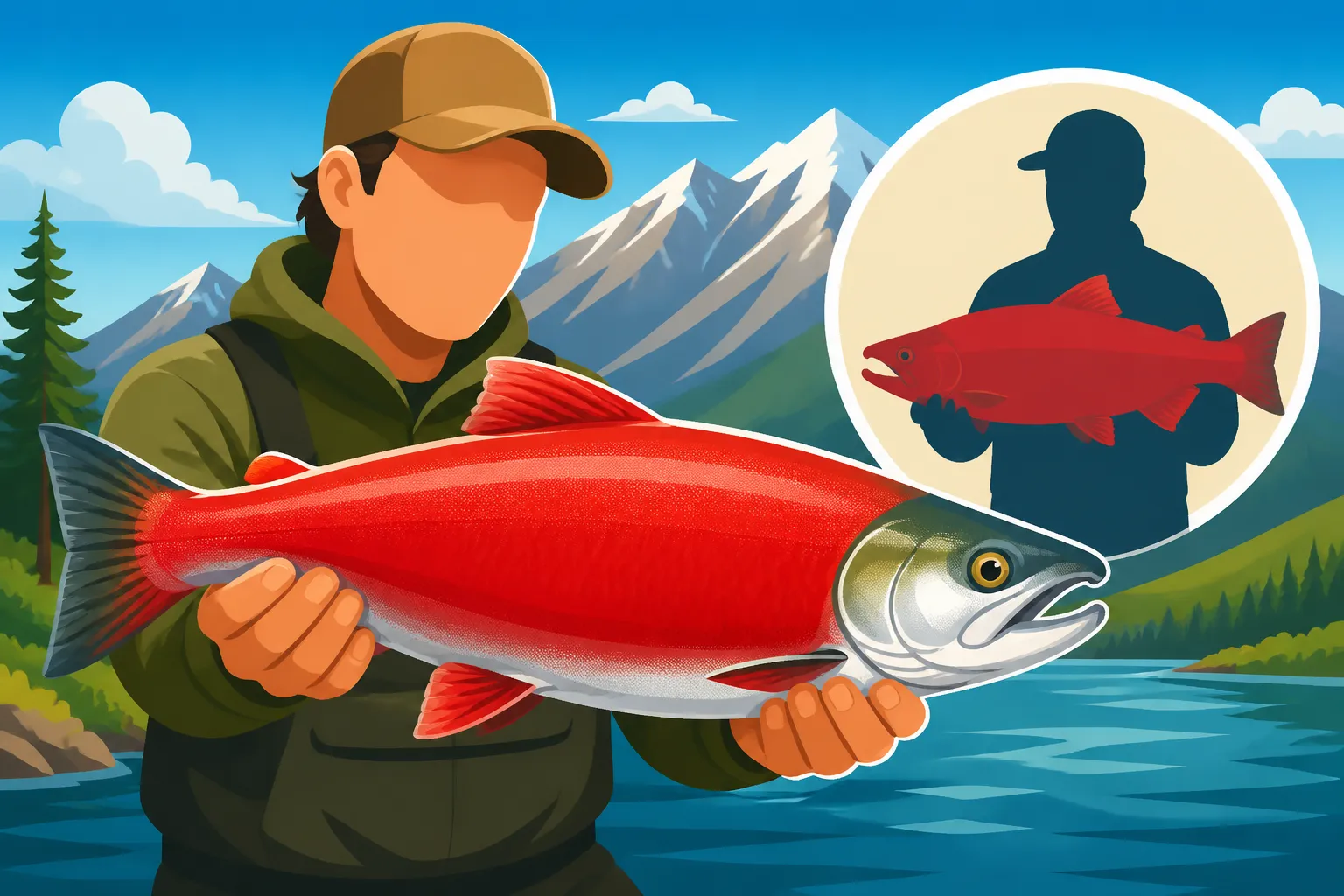
The life cycle of a Kokanee is fairly predictable and, unfortunately for the fish, quite brief. Typically, Kokanee live for three to four years, though occasionally you might find a five-year-old in exceptional conditions. Throughout their lives, they feed primarily on zooplankton, tiny aquatic crustaceans that float in the water column. As they mature, especially in their final year, they undergo dramatic physiological changes, including a shift in color from silver to a deep crimson, and for males, a distinctive hooked jaw (kype) and humped back. This transformation marks their final journey to spawn, after which they inevitably die. This terminal spawning event is a natural part of their biology and significantly impacts the average size you'll encounter. For a deeper dive into this fascinating stage, check out Do Kokanee Salmon Die After Spawning?.
Factors Influencing Kokanee Size
The ultimate size a Kokanee salmon reaches in Wyoming isn't just a matter of genetics; it's a complex interplay of environmental conditions, food sources, and even the specific reservoir they call home. It's why one lake might produce trophy-sized fish while another yields smaller, though still fun, catches.
Food Availability and Competition
This is perhaps the biggest factor. Kokanee are plankton feeders, meaning the abundance and type of zooplankton in a reservoir directly dictates how much nourishment they get.
- Rich Zooplankton Blooms: Reservoirs with consistent, healthy blooms of zooplankton provide a buffet for Kokanee. More food means faster growth and larger fish. If a lake experiences a particularly good year for plankton production, you might see an increase in the average size of the Kokanee caught that season.
- Competition for Food: However, Kokanee aren't the only ones feasting on zooplankton. Many other fish species, especially young trout and even some baitfish, compete for the same food source. If a reservoir is overpopulated with multiple species all vying for limited plankton, the Kokanee may not get enough to reach their full growth potential. This competition can lead to "stunted" populations where individual fish remain smaller. Managing these dynamics is a constant balancing act for fisheries biologists.
Water Body Size and Depth
The physical characteristics of a reservoir also play a crucial role.
- Large, Deep Reservoirs: Generally, larger and deeper reservoirs tend to produce bigger Kokanee. Why? They offer more stable thermal stratification (layers of water at different temperatures) which creates ideal temperature bands for Kokanee, especially in warmer months. These deeper waters also often hold more consistent plankton populations and offer more refuge from predators. Flaming Gorge Reservoir, for example, is renowned for its large Kokanee, and its immense size and depth are certainly contributing factors.
- Smaller, Shallower Lakes: Conversely, smaller or shallower lakes might not have the same capacity to support large, rapidly growing Kokanee. They can be more prone to temperature fluctuations and may have less stable plankton populations, which can limit growth. While still fun to fish, these waters might offer more consistent catches of fish in the 10-14 inch range rather than the true trophies.
Genetics and Strain
Believe it or not, not all Kokanee are created equal! There can be different genetic strains of Kokanee, each with slightly different growth rates and maximum size potentials. When Wyoming Game and Fish stock fish, they often source from hatcheries that have specific strains known for certain characteristics. While anglers don't typically need to worry about the specifics of each strain, it's worth knowing that the genetic blueprint plays a part in how big a fish can get, even if environmental factors ultimately determine how big it does get. This is part of the long-term management strategy for a healthy fishery.
Spawning Age and Die-Off
As mentioned earlier, Kokanee are semelparous, meaning they spawn once and then die. This dramatic conclusion to their life cycle means that their growth is front-loaded. They grow rapidly for three or four years, using all their energy to bulk up for that final reproductive push. Once they begin their spawning run, usually in the late summer or fall, they stop feeding, and their bodies start to deteriorate as they focus entirely on reproduction. This means if you're targeting Kokanee in their vibrant spawning colors, while they might be at their maximum length, they will have lost significant body mass, becoming leaner and less robust than they were earlier in the year. The best time to catch them for eating, when they are at their fattest and brightest, is typically just before this color change, in mid-to-late summer.
Typical Sizes and State Records
So, getting right to it, what can you realistically expect when you hook into a Kokanee in Wyoming? The answer, like most things in fishing, is "it depends," but we can give you a pretty good average and highlight the truly exceptional.
Average Sizes in Popular Reservoirs
Across Wyoming's prime Kokanee waters, you'll generally encounter fish ranging from 12 to 18 inches. These are solid, feisty fish that provide a great fight on light tackle.
- Flaming Gorge Reservoir: This massive reservoir, straddling the Wyoming-Utah border, is arguably the state's most famous Kokanee fishery. Here, it's not uncommon to pull in fish in the 16-20 inch range, with some exceeding 20 inches in banner years. The abundance of food and the vast, deep waters contribute to these larger average sizes. Anglers often come specifically to target these larger Kokanee. For more, see Best Season for Kokanee Salmon at Flaming Gorge.
- Pathfinder Reservoir: Another excellent Kokanee lake, Pathfinder often produces fish in the 14-18 inch bracket. While perhaps not as consistently large as Flaming Gorge, it's still a fantastic fishery, and anglers regularly fill limits with healthy, robust Kokanee. Check out Kokanee Salmon in Pathfinder Reservoir for more details.
- Other Reservoirs: Other lakes that hold Kokanee, such as Seminoe Reservoir or Alcova Reservoir, might see average sizes slightly smaller, perhaps in the 10-16 inch range. This doesn't make them any less fun to catch, but it illustrates the variation you can expect depending on the specific water body.
Here's a quick reference table for general size expectations:
| Reservoir Name | Typical Size Range (Inches) | Notes |
|---|---|---|
| Flaming Gorge | 16-20+ | Known for larger, trophy-sized fish |
| Pathfinder | 14-18 | Excellent numbers, good average size |
| Seminoe / Alcova | 10-16 | Smaller averages, but still fun and productive |
Wyoming State Record for Kokanee Salmon
Every angler dreams of catching a state record, and for Kokanee salmon, Wyoming has seen some truly impressive fish. While I can't give you the current exact record weight or length (those change over time and are best verified directly from the Wyoming Game and Fish Department's official records), I can tell you that the state record Kokanee is a truly exceptional fish, far surpassing the average size. These record-breaking fish are often the result of perfect conditions: abundant food, a long growing season, and a touch of genetic luck, all culminating in a fish that reaches its absolute peak before its final spawning journey. It's these giants that inspire anglers to keep coming back, hoping to encounter that fish of a lifetime.
Fishing for Larger Kokanee
Catching those larger Kokanee salmon isn't just about luck; it's about understanding their behavior, knowing where they feed, and using the right techniques and gear. If you're hoping to land a true Wyoming hog, here's what you need to consider.
Best Times and Locations
Timing and location are crucial for targeting bigger Kokanee.
- Late Spring to Mid-Summer: This is often the prime window for catching Kokanee that are at their peak size and condition, before they begin their spawning transformations. They are actively feeding and putting on weight, making them strong fighters and excellent table fare. As summer progresses, you might start to notice the fish getting a bit more "colored up" as they prepare for their final act.
- Deep Water, Specific Depths: Kokanee are highly sensitive to water temperature and prefer cooler, deeper water, especially as surface temperatures rise. They often suspend in the water column, rather than sticking to the bottom or shallow banks. Using a fish finder to locate schools and identify the specific depth at which they are holding is paramount. This can vary by reservoir and even by the time of day, but often you'll find them anywhere from 20 to 60 feet down, or even deeper in very large reservoirs like Flaming Gorge. Pay attention to temperature breaks (thermoclines) as these often concentrate baitfish and, in turn, Kokanee.
- Reservoir Hotspots: Certain areas within large reservoirs consistently hold more Kokanee. For Flaming Gorge, the Buckboard area and the area around the dam are often productive. In Pathfinder, specific coves and areas with deep access points are good bets. Doing a little research before your trip, perhaps by checking local forums or bait shop reports, can give you a significant advantage. Best Reservoirs in Wyoming for Kokanee Salmon offers more insight into these prime locations.
Techniques and Gear for Big Fish
Kokanee fishing is typically a trolling game, and specific gear helps you get to those deeper, preferred zones.
- Light Tackle: While they can get big, Kokanee have relatively soft mouths, so light to medium-light spinning or baitcasting rods are ideal. They provide enough sensitivity to detect subtle bites and enough give to prevent hooks from tearing out. A good quality reel spooled with light monofilament or fluorocarbon line (6-10 lb test) works wonders.
- Downriggers or Lead Core Line: To consistently reach the depths where bigger Kokanee lurk, you'll need specialized equipment. Downriggers allow you to precisely control the depth of your lure, dropping it right into the schools you mark on your fish finder. Lead core line, which sinks at a predictable rate, is another popular method, especially for those without downriggers. Snap weights or divers can also help get your presentation down. You can find a wide array of these specialized items on platforms like Amazon, making it easy to gear up before your trip.
- Lures and Attractors: Kokanee are often attracted to flashy, brightly colored lures. Small dodgers or flashers, followed by a small Kokanee spoon, spinner, or a wedding ring-style lure tipped with corn or a maggot, are common and effective setups. The corn or maggot adds scent and a visual trigger that can be irresistible. Experiment with different colors and sizes until you find what the fish are keying in on that day. For a more in-depth look at this, read Best Trolling Speed for Kokanee Salmon.
- Boat and Electronics: A boat is almost essential for effective Kokanee fishing, allowing you to cover water and deploy multiple lines at different depths. A reliable fish finder/chart plotter is your best friend, helping you locate schools, identify preferred depths, and navigate. A good GPS will help you mark productive trolling passes and return to them later. If you're looking for new electronics or even a portable fish finder, Amazon has many options to explore.
Conservation and Management Efforts
Wyoming's Kokanee salmon fisheries don't thrive by accident. The Wyoming Game and Fish Department (WGFD) plays a vital role in managing these populations, ensuring sustainable fishing opportunities for generations of anglers. Their efforts are a testament to careful planning and biological understanding.
Stocking Programs
Since Kokanee are not native to Wyoming and have a terminal spawn, their populations in reservoirs are primarily sustained through extensive stocking programs.
- Hatchery Production: WGFD hatcheries raise millions of Kokanee fingerlings (young fish) each year. These fish are carefully reared and then stocked into designated reservoirs. The timing and size of the stocked fish are critical; biologists aim to release them at a size and time when they have the best chance of survival and growth in their new environment.
- Maintaining Healthy Populations: The goal of stocking is not just to provide fish to catch, but to maintain a healthy and balanced ecosystem. Stocking efforts are adjusted based on annual surveys of fish populations, zooplankton abundance, and angler harvest rates. This adaptive management helps ensure that the reservoirs aren't overstocked or understocked, optimizing conditions for fish to grow to a good size. These stocking reports are often publicly available, allowing anglers to know where and when fish have been released.
Regulations and Limits
To protect the Kokanee fishery and ensure fair chase for all anglers, strict regulations are in place.
- Daily and Possession Limits: Just like with trout, there are specific Understanding Wyoming's Daily Bag Limits by Species and possession limits for Kokanee salmon. These limits are set to prevent overharvest and allow enough fish to survive to reproductive age (though they are stocked, the WGFD aims for some natural spawning if conditions allow, even if the majority of the fishery relies on stocking). It's crucial for every angler to know and abide by these limits.
- Species-Specific Rules: Some waters might have unique rules specific to Kokanee. For instance, there might be regulations regarding the use of bait, the number of rods allowed, or even seasonal closures in certain areas to protect spawning fish (though active fishing during the terminal spawn is often discouraged due to the poor quality of the fish). Always consult the most current Wyoming Fishing Regulations Every Angler Should Know booklet before heading out. It's available online or at most license vendors. If you're heading to a new area, picking up a physical copy is often easiest, or you can check the WGFD website.
- Conservation Efforts: Beyond limits, WGFD continuously monitors Kokanee health and habitat. They study disease prevalence, water quality, and the impact of other species on Kokanee populations. Anglers play a part in conservation too, by practicing responsible catch-and-release when appropriate, properly disposing of fishing line and litter, and adhering to aquatic invasive species protocols (like cleaning, draining, and drying boats). Even small things, like properly storing your tackle, maybe in a tackle box purchased on Amazon, can make a difference in preventing accidental spills or lost gear.
Disclaimer
This article is for general informational purposes only and does not constitute professional advice. Laws, prices and regulations vary by location and change over time. Consult a qualified professional for guidance on your specific situation.