Best Reservoirs in Wyoming for Kokanee Salmon
The quest for Kokanee salmon in Wyoming is a passion for many, but it can feel like you're searching for a needle in a haystack if you don't know where to start. These vibrant, silver-sided landlocked sockeye offer an exhilarating fight and delicious table fare, making them a prize for any angler. If you've been wondering where to find these elusive beauties and how to successfully hook into them, this guide will illuminate the top reservoirs in the Cowboy State renowned for their Kokanee populations and share invaluable insights to make your next trip a success.
Understanding Kokanee Salmon in Wyoming's Waters
Before we dive into specific locations, let's chat a bit about what makes Kokanee salmon so special and why they've carved out a dedicated following among Wyoming's anglers. Unlike their ocean-going cousins, these are sockeye salmon that have adapted to live their entire lives in freshwater lakes and reservoirs. They bring a unique set of challenges and rewards to the fishing experience.
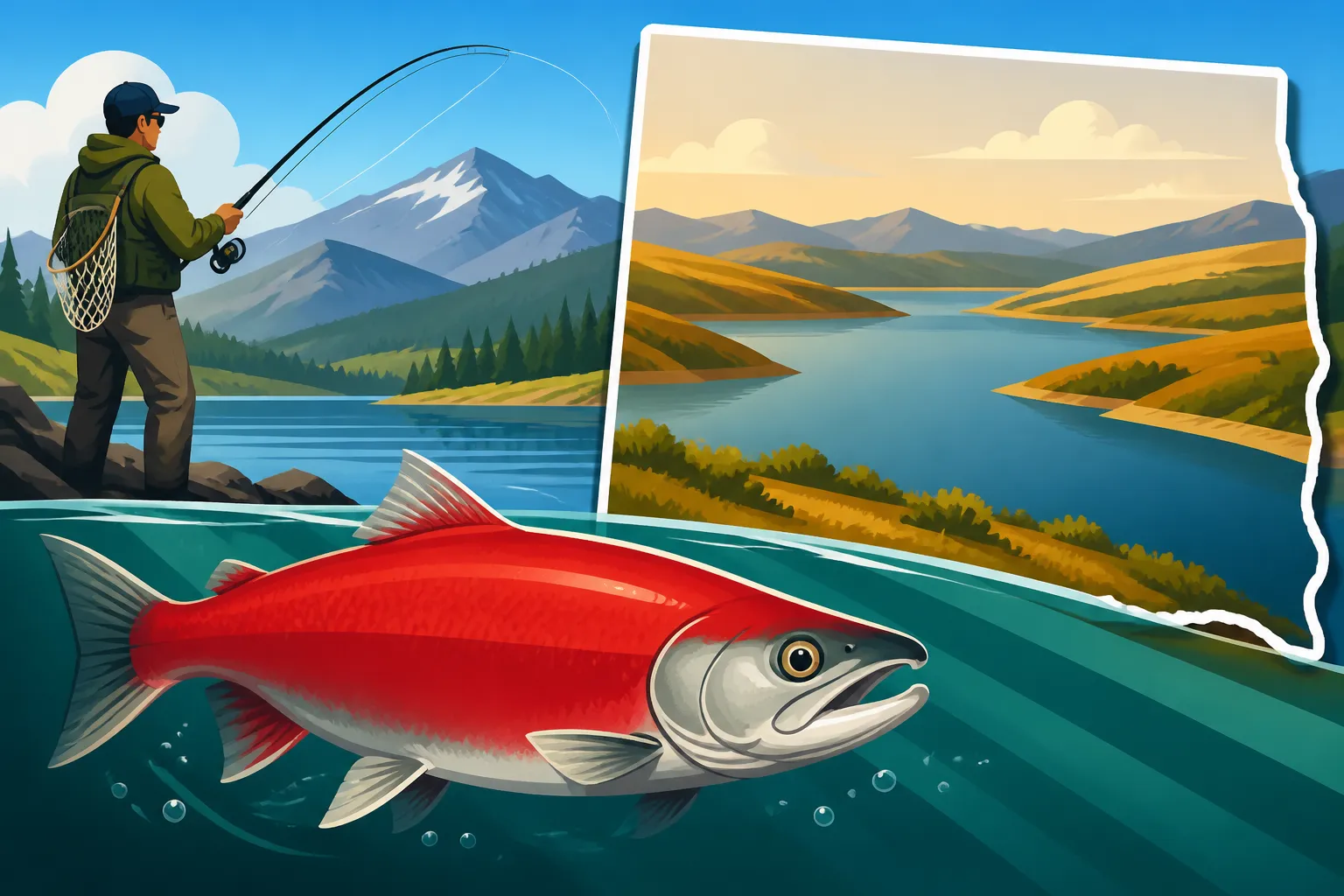
Kokanee are primarily plankton eaters, which makes them a bit finicky and often dictates the specialized techniques used to catch them. They tend to school up, moving together through the water column, often at specific depths, in search of their microscopic food. This schooling behavior means that once you find them, you can often enjoy a hot bite, but finding that initial school is the trick. Their silver, sleek bodies give way to a brilliant red transformation during their spawning run, a truly spectacular sight, though at this point, their flesh quality declines rapidly as they near the end of their life cycle.
The appeal of Kokanee goes beyond just their beauty; they are incredibly spirited fighters for their size, providing powerful runs and head shakes that can surprise even seasoned anglers. And let's not forget their culinary value – fresh Kokanee salmon are widely regarded for their rich, flaky, orange-red meat, making them a fantastic reward for your efforts. Understanding these characteristics is the first step to becoming a successful Kokanee angler in Wyoming.
How Kokanee Salmon Got Into Wyoming Reservoirs is a fascinating story, usually involving stocking efforts to diversify fisheries and provide a unique sport fish opportunity. These aren'anee native to the region, so their presence is a testament to careful fisheries management, bringing a taste of the Pacific Northwest to the heart of the Rockies.
The Premier Kokanee Salmon Reservoirs in Wyoming
When it comes to targeting Kokanee in Wyoming, a few reservoirs consistently rise to the top of every angler's list. These waters provide the ideal habitat for these plankton-feeding fish, offering deep, cold water and ample food sources. Each location presents its own nuances, from preferred fishing times to specific access points, so let's explore them in detail.
Flaming Gorge Reservoir: The Kokanee Capital
Without a doubt, Flaming Gorge Reservoir reigns supreme as Wyoming's (and part of Utah's) Kokanee salmon powerhouse. This massive body of water, spanning both states, offers prime conditions for Kokanee to thrive, growing to impressive sizes for the species. Its deep, cold, nutrient-rich waters are a perfect environment for the plankton that Kokanee feed on, leading to robust populations and a highly sought-after fishery.
Anglers flock to Flaming Gorge from spring through early summer, which is often considered the Best Season for Kokanee Salmon at Flaming Gorge. While Kokanee can be found throughout the reservoir, some areas are particularly renowned hotspots. The Buckboard and Sheep Creek areas on the Wyoming side are consistent producers, as are many of the deeper channels and coves down towards the Utah line. Here, you'll often encounter Kokanee in the 12-16 inch range, though larger fish are certainly possible. The key here is consistency; if you hit the right depth and use the right presentation, you can often fill your limits.
Fishing at Flaming Gorge demands a boat equipped for trolling, as these vast open waters are where Kokanee spend most of their time. You'll need to cover ground and find the schools, often suspended at precise depths. The sheer size of Flaming Gorge means there's always a new spot to explore, and the fish can move around, so staying adaptable and having good electronics to mark schools is crucial. Many anglers come here with specialized gear, sometimes purchased conveniently from online retailers like Amazon, specifically for trolling for these deep-dwelling fish. Kokanee Salmon at Flaming Gorge Reservoir provides even more detailed insights into this incredible fishery.
Pathfinder Reservoir: A Central Wyoming Option
Nestled in central Wyoming, Pathfinder Reservoir offers another excellent opportunity for Kokanee salmon, though perhaps not with the same consistent renown as Flaming Gorge. This large, often windy reservoir, part of the North Platte River drainage, is known for its diverse fishery, including robust populations of trout and walleye. However, Kokanee are a significant component here, often stocked by the Wyoming Game and Fish Department, contributing to the reservoir's overall angling appeal.
Pathfinder's Kokanee tend to inhabit the deeper, cooler parts of the reservoir, particularly as the summer progresses. Late spring and fall can be prime times to target them, as they might be more accessible or actively feeding before the water gets too warm or too cold. While the average size might be slightly smaller than Flaming Gorge, often in the 10-14 inch range, Pathfinder still offers plenty of spirited action. The challenge here often comes from the wind, which can make boat control and precise depth presentation tricky.
Anglers at Pathfinder will also primarily rely on trolling techniques to find and catch Kokanee. The fish can be found suspended over channels or humps, so a good understanding of the reservoir's topography is beneficial. While it might require a bit more searching than Flaming Gorge, the reward of pulling in a beautiful Kokanee from Pathfinder is incredibly satisfying. Kokanee Salmon in Pathfinder Reservoir can guide you further on specific strategies for this impressive body of water.
Boysen Reservoir: An Opportunistic Catch
Boysen Reservoir, located near Shoshoni in central Wyoming, is perhaps less famous for its Kokanee than for its walleye, sauger, and trout. However, it does hold a respectable population of Kokanee salmon, often making them an opportunistic and welcome surprise catch for anglers targeting other species. Boysen is a large, complex reservoir with varying depths and habitats, and its Kokanee populations tend to fluctuate with stocking efforts and environmental conditions.
While you might not specifically plan a trip to Boysen just for Kokanee, if you're out trolling for other trout or walleye, don't be surprised to hook into a Kokanee. They generally run a bit smaller here, perhaps 8-12 inches, but they're still feisty and delicious. The main lake areas and deeper channels are where you're most likely to encounter them, often alongside other cold-water species. It’s a great example of Wyoming's diverse fisheries, where one trip can yield a variety of catches. The Wyoming Fishing Regulations Every Angler Should Know are always essential to consult, especially when targeting multiple species in a mixed fishery like Boysen.
Here's a quick comparison of these fantastic Kokanee destinations:
| Reservoir | Primary Kokanee Location | Best Season | Average Size (Inches) | Key Gear/Technique | Notes |
|---|---|---|---|---|---|
| Flaming Gorge | Buckboard, Sheep Creek, deeper channels | Spring/Early Summer | 12-16 | Trolling w/ downriggers, dodgers | Most consistent, often larger fish, shared with Utah |
| Pathfinder | Deeper channels, main lake, near humps | Late Spring/Fall | 10-14 | Trolling, some jigging | Can be good, but more variable, part of North Platte system |
| Boysen | Main lake, near river channels, deeper areas | Summer/Fall | 8-12 | Trolling, opportunistic catches | Less targeted, but present, known for walleye too |
Mastering the Art of Kokanee Salmon Fishing
Successfully catching Kokanee salmon isn't just about finding the right reservoir; it's about understanding their habits and employing specialized techniques. These fish can be notoriously finicky, but with the right gear and approach, you can unlock incredible fishing opportunities.
Specialized Gear for Deep-Dwelling Salmon
Because Kokanee primarily feed on plankton, they often suspend in the water column at specific depths, sometimes quite deep, where food is abundant and water temperatures are optimal. This means getting your lure down to them is paramount.
- Rods and Reels: Opt for light to medium-light action rods with sensitive tips. This allows you to detect the subtle bites of Kokanee and absorb their quick, powerful runs without tearing the hook out of their delicate mouths. A good spinning reel or a small baitcasting reel spooled with light line (6-10 lb test monofilament or fluorocarbon) is ideal. Many anglers find quality, sensitive rod and reel combos perfectly suited for this on Amazon.
- Line and Leaders: While your main line might be 8 lb, using an even lighter fluorocarbon leader (4-6 lb) is often beneficial for its invisibility and sensitivity. Kokanee have excellent eyesight, and a heavy, visible line can deter them.
- Downriggers and Diving Devices: This is where the "specialized" part truly comes in. Kokanee typically hold deep, and without a reliable way to get your lure down, like a downrigger system, you'll be missing out on most of the action. These devices allow you to precisely control the depth of your lure. Alternatively, specialized diving planes or weights can help get your presentation into the strike zone. You can find many suitable options, including complete downrigger setups or individual diving weights, on Amazon.
- Flashers and Dodgers: These are not lures themselves but crucial attractants. Flashers and dodgers are designed to create visual disturbance, vibration, and flash in the water, mimicking a school of baitfish or simply drawing attention to your trailing lure. The flashier, the better, often in chrome, silver, or bright fluorescent colors. A good flasher or dodger, often found in multi-packs on Amazon, is crucial for creating visual disturbance in the water column, mimicking a school of baitfish and drawing curious Kokanee closer to your lure. They're typically rigged several inches or feet in front of your actual lure.
Effective Lures and Baits
Once you've got your gear for getting down deep, selecting the right offering is next. Kokanee respond best to small, flashy, and often scented presentations.
- Hoochies/Squid Skirts: These small, soft plastic squid or shrimp imitations are incredibly popular. They come in a vast array of colors, with pink, orange, green, and chartreuse being perennial favorites. Their undulating action behind a dodger is irresistible to Kokanee.
- Small Spoons and Plugs: Tiny trolling spoons, like those designed for trout, or very small minnow-imitating plugs can also be effective. Again, focus on flashy, vibrant colors and ensure they have an erratic, enticing wobble at slow trolling speeds.
- Corn and Scented Baits: This is the Kokanee secret sauce! Tipping your hoochie or spoon with a couple of kernels of Shoepeg corn, often soaked in an attractant like garlic or anise, can significantly increase your strike rate. The corn adds a visual cue, a slight scent trail, and just enough buoyancy to alter the lure's action subtly. You can even buy pre-scented corn online from places like Amazon if you want to skip the DIY scenting process.
Trolling Techniques and Reading the Water
Trolling is the name of the game for Kokanee. It allows you to cover vast amounts of water and present your lure at the precise depth these schooling fish are holding.
- Speed is Crucial: Unlike some other trolling applications, Kokanee prefer a very slow, almost agonizingly slow, troll. Typically, speeds between 0.8 and 1.5 mph are most effective. This allows your flashers and lures to work properly and gives the Kokanee time to investigate and strike. Experiment with Best Trolling Speed for Kokanee Salmon to find the sweet spot on any given day.
- Depth Control: Your fish finder is your best friend. Look for schools of baitfish or individual arches suspended in the water column. Kokanee often congregate along the thermocline (the layer where warm surface water meets cooler deep water). Once you locate fish, use your downrigger or diving device to present your lures directly in that strike zone. Even a few feet off can make all the difference.
- Zig-Zagging: Instead of trolling in a straight line, making subtle S-turns or zig-zags can be incredibly effective. This varies the speed and depth of your lures slightly, often triggering strikes from hesitant fish.
- Patience and Persistence: Kokanee can be finicky. If one color or depth isn't working, don't be afraid to change it up. Vary your dodger size, hoochie color, or scent until you find what they're biting on. Trolling Techniques for Wyoming Reservoirs offers a broader look at how to effectively troll for various species, many of which apply to Kokanee.
Responsible Angling and Conservation for Kokanee
Catching Kokanee salmon is an absolute blast, but it's vital to remember that we're stewards of these incredible fisheries. Responsible angling practices ensure that future generations can enjoy the same opportunities we do.
Adhering to Regulations
Always, always consult the current Wyoming Fishing Regulations booklet before you head out. Wyoming Fishing Regulations Every Angler Should Know covers the general rules, but specific waters can have their own nuances. Pay close attention to bag and possession limits for Kokanee salmon, as these can vary by reservoir and change year to year. Knowing How Bag and Possession Limits Work in Wyoming is critical. For instance, some waters might have higher limits to encourage harvest, especially for introduced species, while others might be more restrictive. Make sure you understand How Many Trout Over 16 Inches You Can Keep in Wyoming and similar specific rules, even if they apply to trout, as these kinds of nuances define Wyoming's regulations.
Understanding the Kokanee Life Cycle
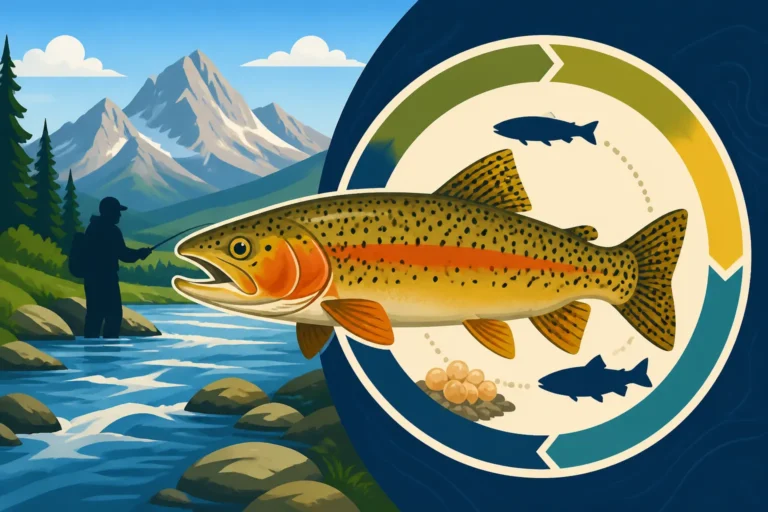
Kokanee salmon have a fascinating, albeit short, life cycle. Like Pacific salmon, they typically spawn and die after 3-4 years. As the spawning season approaches, usually in the fall, their bodies undergo a dramatic transformation. What Color Kokanee Turn When Spawning is truly remarkable; their silver bodies turn a brilliant crimson, and males develop a hooked jaw (kype). While it's tempting to target these vibrant fish, their flesh quality rapidly deteriorates as they prepare to spawn, so many anglers prefer to catch them earlier in the season for eating. Understanding that Do Kokanee Salmon Die After Spawning? helps us appreciate the full circle of their lives in the reservoir.
Preventing Invasive Species
Wyoming takes the threat of aquatic invasive species (AIS) very seriously, and for good reason. Organisms like zebra mussels or whirling disease can devastate fisheries. Every angler has a role to play in preventing their spread. Before you move your boat from Flaming Gorge to Pathfinder, or any other body of water, a thorough "Clean, Drain, Dry" process is non-negotiable.
- Clean: Remove all visible plants, mud, and debris from your boat, trailer, and gear.
- Drain: Pull all drain plugs and drain all water from your boat, motor, and any other water-holding equipment (live wells, bilge, bait buckets).
- Dry: Allow everything to dry completely before launching into another water body. If you can't completely dry, consider a decontamination wash.
Many boat cleaning supplies and brushes can be found on Amazon to help with this vital step. This simple practice helps protect Wyoming's incredible fisheries, including its Kokanee populations, for generations to come. Your fishing license helps fund these critical conservation efforts, which also include habitat restoration and fish stocking programs. A good overview of Wyoming Fishing Seasons Month by Month and the Wyoming Fishing License Guide for Nonresidents can help you plan your trips while staying compliant.
The Future of Kokanee Fishing
The ongoing management of Kokanee salmon in Wyoming reservoirs involves careful monitoring by the Wyoming Game and Fish Department. Stocking programs, habitat assessments, and regulation adjustments are all part of maintaining a healthy and sustainable fishery. As anglers, our responsible participation is a key component of this success. By respecting limits, using proper catch and release techniques when appropriate, and diligently preventing the spread of invasive species, we ensure that the thrilling pursuit of Kokanee salmon remains a vibrant part of Wyoming's diverse angling landscape.
Disclaimer
This article is for general informational purposes only and does not constitute professional advice. Laws, prices and regulations vary by location and change over time. Consult a qualified professional for guidance on your specific situation.