What Is Wyoming’s State Fish?
It’s easy to get overwhelmed when you think about all the incredible fishing opportunities Wyoming offers. With so many diverse and beautiful trout species swimming in our rivers and lakes, it's natural to wonder: which one truly represents the spirit of our amazing state? This guide will dive deep into Wyoming's official state fish, explaining its unique characteristics, where you can find it, and why it holds such a special place in the hearts of anglers and conservationists alike.
The Official State Fish of Wyoming
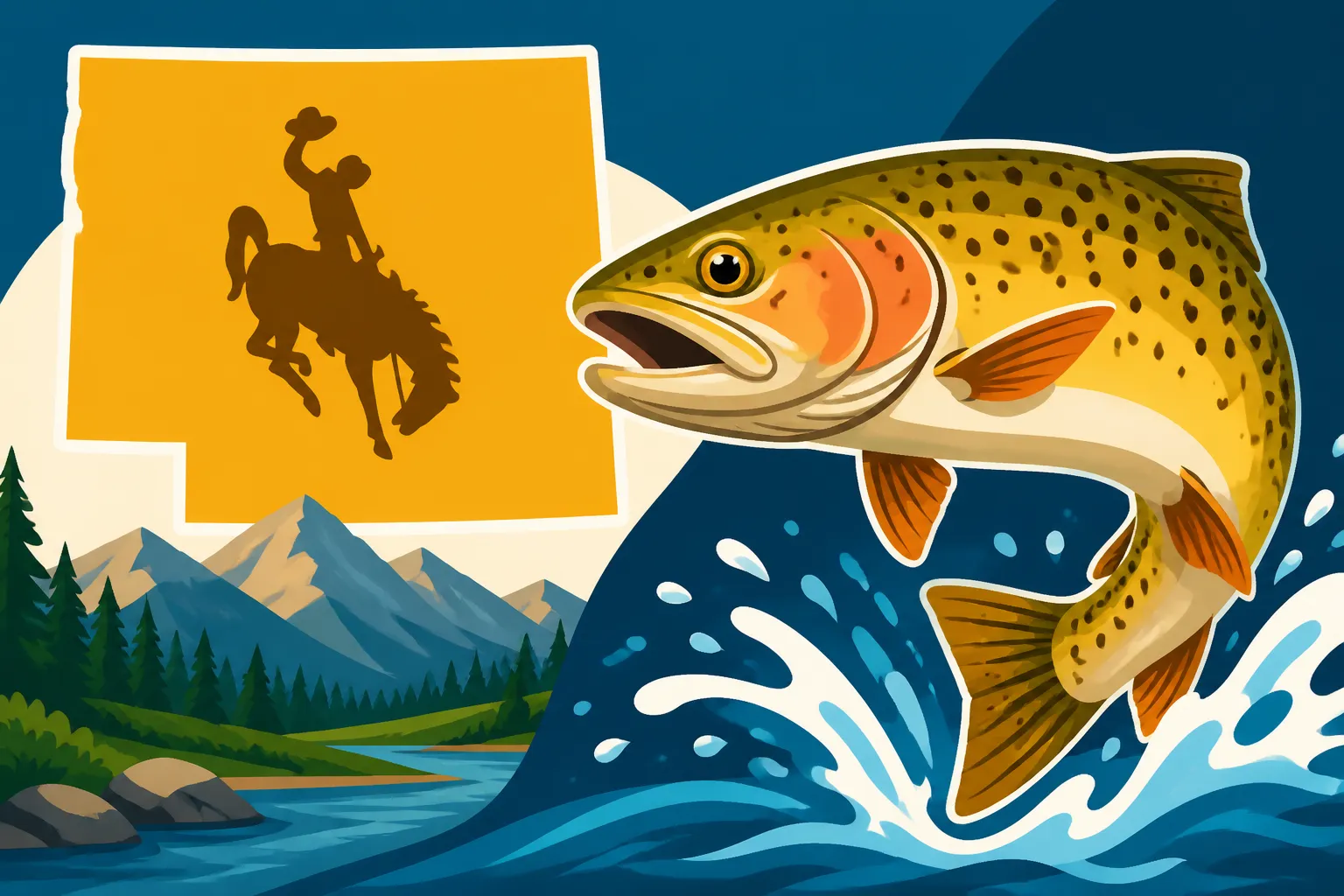
For anyone who loves the wild, untamed beauty of Wyoming, it probably comes as no surprise that our state fish is a trout. But not just any trout – it's the magnificent Yellowstone Cutthroat Trout (scientific name: Oncorhynchus clarkii bouvieri). This isn't just a casual designation; it was officially adopted by the Wyoming State Legislature in 1987, solidifying its status as a symbol of our rich natural heritage and fantastic cold-water fisheries.
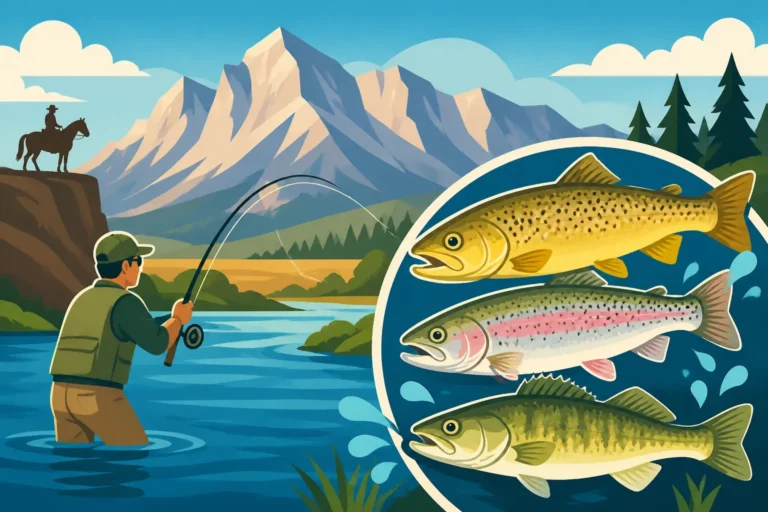
It's a common misconception, especially for folks new to Wyoming or those who mostly fish stocked waters, that a rainbow trout or even a brown trout might be our state fish. After all, those are incredibly popular and widespread. But the Yellowstone Cutthroat Trout stands apart for a very good reason: it's truly a native son (or daughter!) of this land. While other trout species have been introduced over time, the Yellowstone Cutthroat has called these waters home for millennia, adapting to the unique conditions of our high-altitude streams and vast, pristine lakes. Its resilience and striking beauty embody the very essence of Wyoming's wilderness.
Choosing a state fish isn't just about picking the prettiest or the biggest; it's about identifying a species that has deep historical, ecological, and cultural ties to the region. The Yellowstone Cutthroat Trout fits this bill perfectly, representing not only our angling traditions but also the critical conservation efforts aimed at preserving native species and their habitats.
Identifying the Yellowstone Cutthroat Trout
So, what makes a Yellowstone Cutthroat Trout stand out from its finned cousins? For an angler, especially if you're practicing catch-and-release, being able to accurately identify your catch is crucial, not just for bragging rights but for adhering to regulations. The Yellowstone Cutthroat Trout has some distinct features that, once you know them, are pretty easy to spot.
The most famous characteristic is, of course, the "cutthroat" mark. Look closely at the underside of its jaw, and you'll often see a vibrant red or orange slash – almost like a bloody cut. This marking can vary in intensity, sometimes being quite bold and sometimes a bit more subtle, but it's the tell-tale sign that gives this fish its name. Beyond that, these trout typically have medium-sized black spots concentrated more heavily towards the tail and often sparse or absent on the front half of the body. Their overall coloration can range from a golden tan to an olive green on the back, fading to lighter sides and a whitish belly. Some can even have a beautiful rosy hue along their flanks.
Size-wise, it really depends on where you find them. In smaller, nutrient-poor mountain streams, a mature Yellowstone Cutthroat might only be 8-12 inches. But in rich, large lakes like Yellowstone Lake or the larger rivers, they can grow significantly, often reaching 18-20 inches, and sometimes even larger. A true trophy Yellowstone Cutthroat from one of Wyoming's prime waters can be an unforgettable catch. If you’re ever curious about their growth potential, it's worth reading up on How Long Cutthroat Trout Live in Wyoming and How Big Cutthroat Trout Get in Wyoming Lakes for a deeper understanding.
Here’s a quick comparison of key identification features for common Wyoming trout species:
| Feature | Yellowstone Cutthroat Trout | Rainbow Trout | Brown Trout | Brook Trout |
|---|---|---|---|---|
| "Cutthroat" Mark | Red or orange slash under the jaw (usually present) | Absent | Absent | Absent |
| Spots | Medium-sized black spots, concentrated towards tail, sparse on head | Small, numerous black spots all over body, including head and fins | Large, dark spots (often haloed with light rings) on sides, few on tail | Worm-like (vermiculation) markings on back, red/orange spots with blue halos |
| Lateral Stripe | Faint or absent | Pink or red band along the side (especially prominent during spawn) | Absent | Absent |
| Tail Fin | Often moderately forked | Moderately forked to square | Square or slightly forked | Square or slightly forked, often with white leading edges on lower fins |
| Native Status in WY | Native | Introduced | Introduced | Introduced |
Understanding these distinctions can really enhance your fishing experience. If you’re still learning, many excellent field guides are available on platforms like Amazon that can help you with Identifying a Yellowstone Cutthroat Trout and other species.
Habitat and Distribution Across Wyoming
The Yellowstone Cutthroat Trout's native range is centered around the Yellowstone River system, including its namesake Yellowstone Lake, and extends south into the Snake River drainage. In Wyoming, you'll find them predominantly in the northwestern parts of the state, particularly in and around Grand Teton and Yellowstone National Parks, and throughout the Snake River Basin. They thrive in the cold, clean, oxygen-rich waters of mountain streams, high-alpine lakes, and larger rivers.
Imagine hiking deep into the Wind River Range, far from any paved road. You're likely to encounter streams teeming with these beautiful native trout, survivors in a harsh but stunning environment. Or picture yourself fishing the Snake River, casting flies near its confluence with tributaries, where these fish actively feed. These are the kinds of places where the Yellowstone Cutthroat feels at home. They prefer waters with plenty of cover, such as undercut banks, fallen logs, and large rocks, which provide refuge from predators and strong currents. You can learn more about their specific native range by checking out Where Yellowstone Cutthroat Trout Are Native in Wyoming.
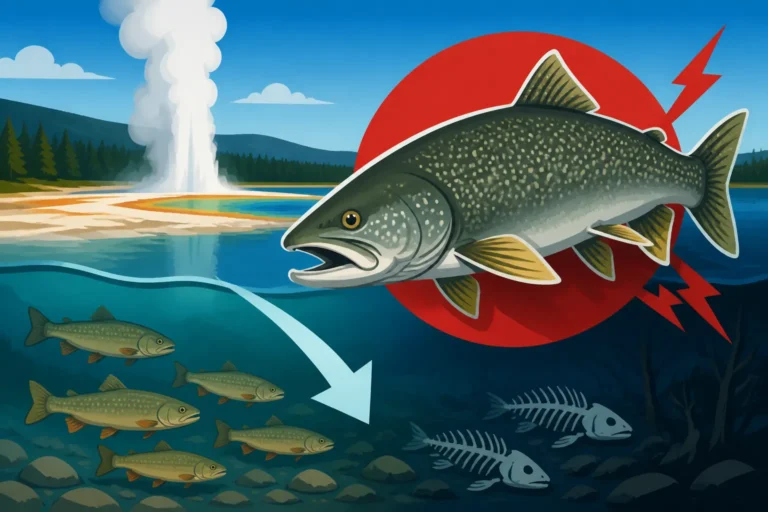
While their native range is significant, it's important to acknowledge that the Yellowstone Cutthroat Trout has faced challenges over the years. Habitat degradation, competition with and hybridization with non-native trout (especially rainbow trout, creating "cutbows"), and the introduction of invasive species like lake trout in Yellowstone Lake have all impacted their populations. This is why you'll often hear about extensive conservation efforts, including fish barriers, spawning enhancements, and even aggressive removal programs for non-native species, particularly in Yellowstone National Park. These efforts are crucial to ensuring the continued survival of this iconic fish.
Conservation and Angler Responsibility
The Yellowstone Cutthroat Trout is more than just a beautiful fish; it's a keystone species in many of Wyoming's aquatic ecosystems. It serves as a vital food source for a variety of wildlife, including grizzly bears, bald eagles, ospreys, and otters. Its health directly reflects the health of our high-country waters. Because of its ecological importance and the threats it faces, conservation of the Yellowstone Cutthroat Trout is a major priority for the Wyoming Game and Fish Department and various other agencies and non-profit organizations.
Anglers play a critical role in these conservation efforts. This often means adhering to specific regulations that are designed to protect and enhance Yellowstone Cutthroat populations. You'll find that many waters within their native range have special rules regarding bag limits, tackle restrictions (like mandatory barbless hooks), and sometimes even mandatory catch-and-release. For example, in certain areas, you might be allowed to keep a few smaller brook trout or rainbow trout, but all native cutthroat must be immediately released. Always, always check the current Wyoming Fishing Regulations Every Angler Should Know before you head out, and specifically look at the water-specific rules for your chosen fishing spot. You can often find great resources, including regulation booklets, on sites like Amazon or directly through the Wyoming Game and Fish Department website.
Practicing responsible catch-and-release techniques is paramount when targeting these fish. Minimize handling, keep the fish in the water as much as possible, use wet hands, and revive the fish gently until it can swim away on its own. Using appropriate gear, such as a net with a rubber mesh, can also help reduce harm. We all want future generations to experience the thrill of catching a vibrant Yellowstone Cutthroat, so doing our part as ethical anglers is essential.
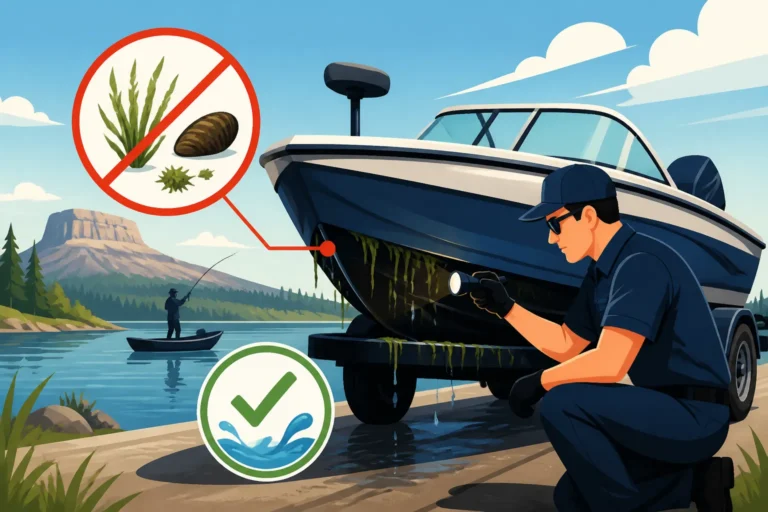
It’s also important to be aware of the ongoing battles, like the struggle against invasive lake trout in Yellowstone Lake, which directly predate on and compete with the Yellowstone Cutthroat. While you might not be directly involved in those efforts, understanding the larger picture of conservation helps us appreciate why certain regulations are in place and why protecting Wyoming's State Fish: The Yellowstone Cutthroat matters so much. If you're passionate about preserving Wyoming's native fish, there are many organizations you can support, and even simple things like cleaning your gear between different water bodies to prevent the spread of aquatic invasive species make a huge difference.
Disclaimer
This article is for general informational purposes only and does not constitute professional advice. Laws, prices and regulations vary by location and change over time. Consult a qualified professional for guidance on your specific situation.