How Big Cutthroat Trout Get in Wyoming Lakes
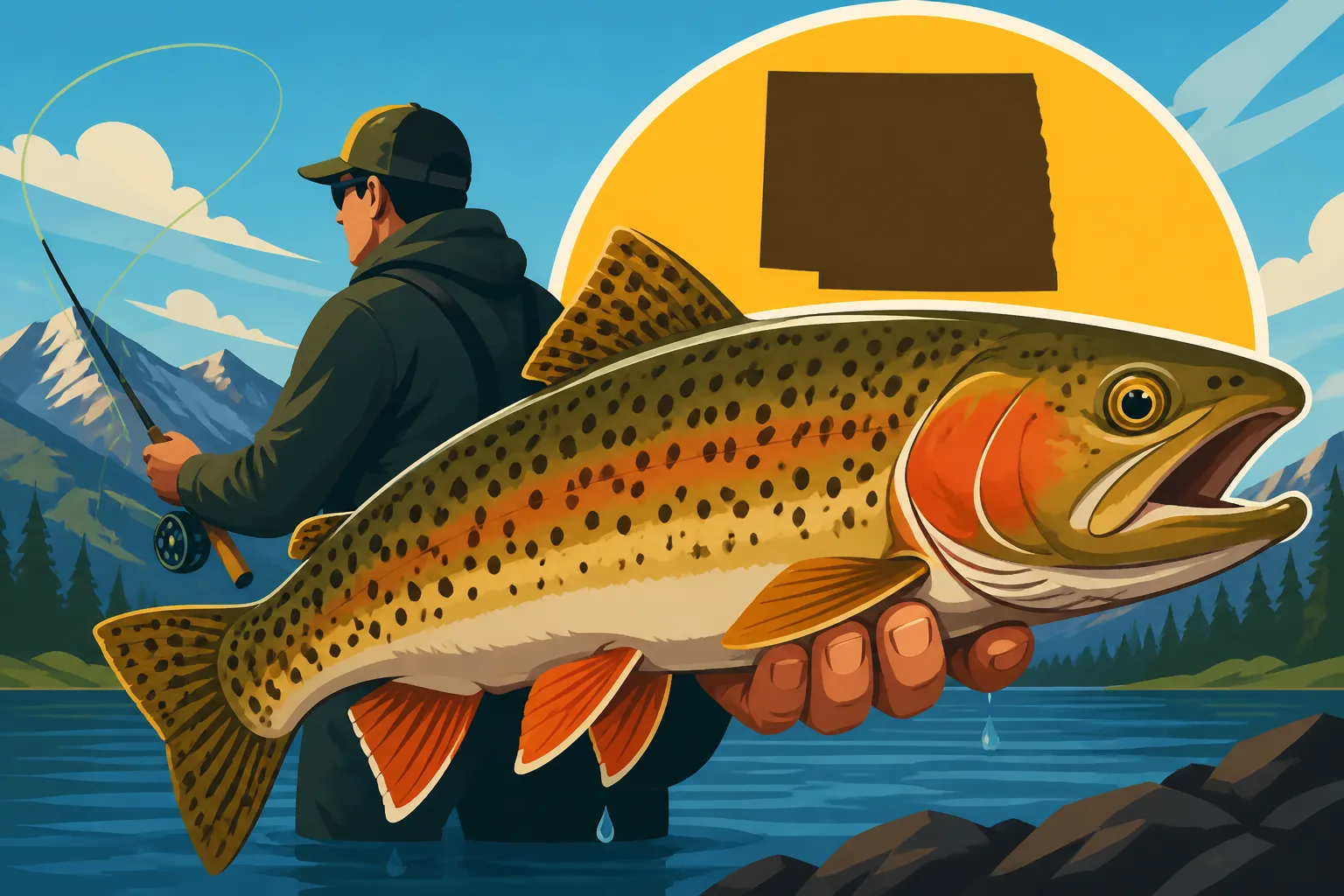
You've probably seen those incredible photos of anglers holding massive cutthroat trout against a backdrop of Wyoming's stunning mountains, and you can't help but wonder, "How big do they really get?" It's a question that sparks a lot of excitement, and sometimes a little frustration when your own catches aren't quite measuring up. This guide is here to shed some light on the true size potential of cutthroat trout in Wyoming's diverse lakes, helping you understand what influences their growth and what to realistically expect when you cast your line.
Understanding Cutthroat Trout Growth Factors in Wyoming Lakes
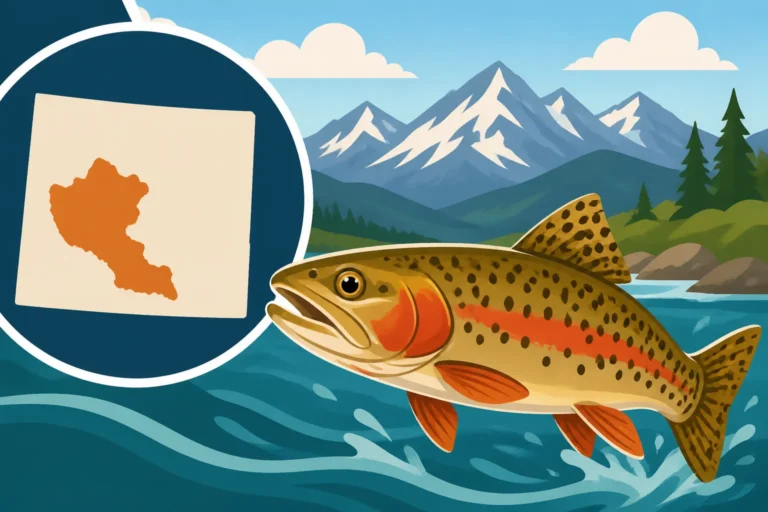
The size a cutthroat trout can achieve in a Wyoming lake isn't just a matter of luck; it's a complex interplay of environmental factors, genetics, and the very specific conditions of each water body. When we talk about these beautiful fish, it’s important to remember that not all cutthroat are created equal, even within the same state. Wyoming is home to several distinct subspecies, each with its own inherent growth potential and preferences.
The primary factor, of course, is food. Lakes that offer an abundant and diverse food source – think plenty of aquatic insects, crayfish, smaller baitfish, or even other trout fry – will naturally support larger, healthier cutthroat. A lake with a rich invertebrate population, for example, allows cutthroat to pack on weight quickly. Water quality, including temperature, oxygen levels, and clarity, also plays a critical role. Lakes with stable, clean, and cool water throughout the year provide optimal conditions for trout metabolism and growth, allowing them to expend less energy simply surviving and more on growing.
Genetic potential is another piece of the puzzle. While a Yellowstone cutthroat in its native habitat might average a certain size, a population of Snake River finespotted cutthroat in a different drainage might have a naturally smaller or larger growth curve, even under similar conditions. These genetic predispositions mean that some subspecies or specific strains simply grow bigger than others, regardless of how much food is available. Additionally, fishing pressure can indirectly influence average size. Heavily fished lakes might see larger, older fish removed more frequently, shifting the average size downwards, whereas remote, less-pressured high-alpine lakes might harbor a few true giants simply because they haven't encountered an angler's hook. For more on these distinct species, check out Identifying a Yellowstone Cutthroat Trout.
The Spectrum of Size: From Average Angler's Catch to Trophy Cutthroat
When you're out fishing a Wyoming lake, what's a "typical" cutthroat size you might reel in, and what truly counts as a trophy? It's easy to get caught up in the big fish stories, but having realistic expectations can make your fishing experience far more enjoyable. For most anglers, catching a cutthroat in the 12 to 18-inch range from a healthy Wyoming lake is a fantastic day. These are vibrant, strong fish that put up a great fight and are often beautiful specimens. They represent a mature, thriving population.
However, the allure of the "trophy" is always there, and Wyoming's waters certainly hold them. A trophy cutthroat in a lake is generally considered anything over 20 inches, with some of the truly legendary fish pushing into the 24 to 30-inch range, weighing several pounds. These are usually older, more experienced fish that have successfully navigated years of predation and angling pressure, finding the best feeding grounds. Catching one of these requires patience, skill, and often a bit of luck. It's not an everyday occurrence, which is precisely what makes it so special.
The difference often comes down to the specific lake and its management. Some lakes are managed for high catch rates of smaller fish, while others are geared towards producing fewer, but larger, trophy-sized specimens. Knowing the management goals of the waters you're fishing can help set your expectations appropriately. It's also worth noting that the "average" size can shift seasonally; spring and fall often present opportunities for larger, more active fish as they prepare for spawning or bulk up for winter.
Here's a general idea of cutthroat size potential in various Wyoming lake scenarios:
| Cutthroat Subspecies/Lake Type | Typical Average Size (inches) | Potential Trophy Size (inches) | Weight (pounds) |
|---|---|---|---|
| Yellowstone Cutthroat (General) | 12-18 | 20-24+ | 2-5+ |
| Snake River Fine-Spotted Cutthroat | 10-16 | 18-22+ | 1.5-4+ |
| High-Elevation Backcountry Lakes | 8-14 | 16-20 | 1-3 |
| Nutrient-Rich Reservoirs | 14-20 | 24-30+ | 4-10+ |
Note: These are general ranges; actual sizes vary greatly by specific water body and conditions. Many factors, including food availability, water temperature, and fishing pressure, play a significant role.
Wyoming Lakes Renowned for Larger Cutthroat Populations
While many Wyoming lakes hold cutthroat, some locations have earned a reputation for consistently producing larger specimens. These are the places that often feature in those "trophy fish" photos, and for good reason. They typically boast a combination of rich food sources, ideal water conditions, and often, specific management strategies aimed at fostering bigger fish.
One of the most famous, of course, is Yellowstone Lake within Yellowstone National Park. While its cutthroat populations have faced challenges, it remains a place where truly large native Yellowstone cutthroat can be found, especially in its deeper sections and around tributary mouths. These fish benefit from a vast, nutrient-rich environment and abundant food sources like Mysis shrimp, allowing them to grow to impressive sizes. It’s a challenging but rewarding fishery for those seeking a native trophy. For rules on fishing here, see Fishing Rules Inside Yellowstone National Park.
Moving south, Jackson Lake in Grand Teton National Park is another prime example. While often known for its massive lake trout, its deep, cold waters also support healthy populations of Snake River fine-spotted cutthroat. These cutthroat, particularly after the lake's extended fishing season into October, can show exceptional growth, often feasting on smaller baitfish. The sheer size of the lake provides ample habitat for fish to grow undisturbed. Planning a trip to this area offers diverse fishing opportunities. To explore more about this magnificent fishery, consider reading Wyoming's Jackson Lake Fishing Guide.
Then you have some of Wyoming's larger, more nutrient-rich reservoirs. While many anglers focus on walleye or other species in these waters, certain areas, especially around cooler depths or tributary inlets, can hold surprisingly large cutthroat. These fish often grow quickly due to a plentiful food base and stable environments, albeit often in less "traditional" cutthroat habitats. It's about finding those specific pockets where conditions align. Many anglers use echo sounders found on Amazon to locate these deeper structures where larger fish often lurk.
Don't forget the more remote, high-alpine lakes. While many high-country cutthroat are smaller, populations in certain less-accessible lakes, particularly those with a good food base and light fishing pressure, can grow to surprising sizes. The struggle to reach these lakes often means less competition and older, larger fish waiting. These can be truly wild experiences, often requiring a hike in. If you're looking for that kind of adventure, definitely check out Fishing Wyoming's Wilderness and Backcountry Lakes.
Strategies for Targeting and Landing Bigger Cutthroat in Wyoming Lakes
Catching larger cutthroat trout in Wyoming lakes often requires a shift in strategy compared to simply catching numbers of smaller fish. It's about being more deliberate, understanding the fish's behavior, and having the right gear. One of the first things to consider is presentation. Larger fish are often warier and more discerning. They've seen a lot of flies and lures in their lifetime. This means paying attention to subtle details, like the size and profile of your fly or lure, how it's presented, and the speed of your retrieve.
For fly anglers, this might mean using larger streamer patterns that imitate baitfish or leeches, or patiently nymphing deep water with heavier rigs to get down to where the big fish are feeding. Often, the largest cutthroat are not actively rising to small surface insects but are instead looking for a substantial meal in deeper water or near structure. Understanding Nymphing Techniques for Wyoming Tailwaters can also translate well to deeper lake presentations. Spin fishermen will find success with spoons, larger inline spinners, or soft plastic swimbaits that mimic the local forage. The key is to match the hatch, or in this case, match the available prey.
Timing is also crucial. Bigger cutthroat often feed most actively during low-light conditions, such as dawn and dusk, or during periods of overcast weather. They might also move into shallower water to feed during these times, offering better access. Understanding how water temperature affects their activity is also key. During the heat of summer, large cutthroat will often retreat to cooler, deeper water, making them harder to reach. Conversely, spring and fall often see these fish more active and accessible as water temperatures are more favorable. Wyoming Fall Fishing for Migrating Browns provides insights into seasonal changes that can be adapted for lake-dwelling cutthroat as well.
Finally, gear matters, especially when you hook into a true trophy. A strong rod and reel combo, appropriate line weight, and a sturdy landing net are indispensable. Don't skimp on your terminal tackle; a frayed leader or weak knot can cost you the fish of a lifetime. Many reliable fishing supplies, from durable nets to strong fluorocarbon leaders, can be easily sourced from Amazon before your trip. Always be mindful of ethical catch-and-release practices, especially with larger, older fish. Minimize their time out of water, handle them gently, and ensure they are revived completely before release. Taking a moment to read up on Catch-and-Release Rules on Wyoming Waters is always a good idea to protect these magnificent fish for future generations.
Disclaimer
This article is for general informational purposes only and does not constitute professional advice. Laws, prices and regulations vary by location and change over time. Consult a qualified professional for guidance on your specific situation.