How Long Cutthroat Trout Live in Wyoming
It's a question every angler asks, especially when you reel in a particularly feisty or impressively large cutthroat trout in Wyoming: "How old is this fish, really?" We marvel at their beauty and strength, but often overlook the incredible journey they've undertaken to reach our nets. Understanding the lifespan of these iconic fish isn't just about curiosity; it offers a deeper appreciation for their resilience and the delicate ecosystems they inhabit. This guide will explore the typical lifespans of cutthroat trout across Wyoming's diverse waters and delve into the many factors that allow some to thrive for years while others have shorter lives.
Understanding the Lifespan of Wyoming's Cutthroat Trout
When we talk about cutthroat trout in Wyoming, we're not talking about a single, monolithic fish. Wyoming is home to several distinct subspecies, each adapted to its unique corner of the state, and their inherent lifespans can vary. Generally speaking, a cutthroat trout in Wyoming can live anywhere from 3 to 7 years in the wild, with some exceptional individuals pushing past the decade mark in prime conditions. It's truly a testament to their adaptability and the richness of Wyoming's aquatic environments.
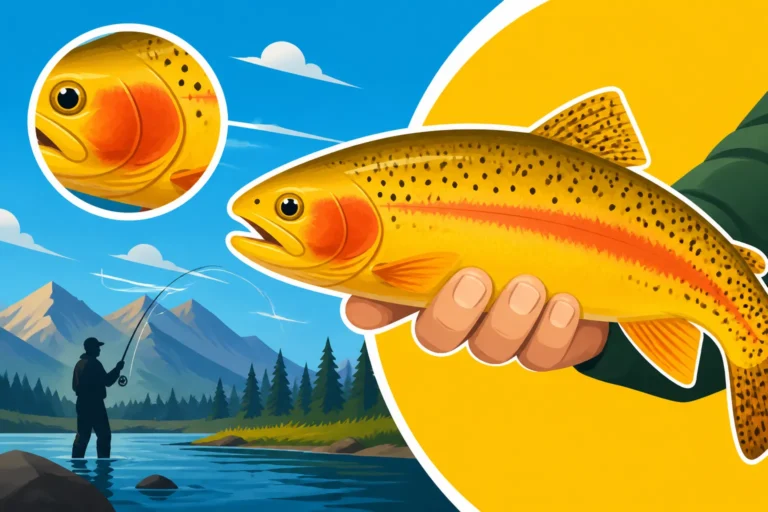
The most common cutthroat you'll encounter here is the Yellowstone Cutthroat, which is Wyoming's official state fish. These beauties, often found in Yellowstone Lake, the Snake River, and their tributaries, typically have a lifespan in the 4-8 year range. Factors like food availability and the absence of invasive species play a huge role in how long they stick around. Then there's the Snake River Fine-Spotted Cutthroat, a subspecies native to the Snake River drainage, known for their numerous small spots. In healthy sections of the Snake, with good forage and ample cover, these fish can live for 5-7 years, sometimes even longer if they're particularly adept at avoiding predators and anglers.
Lesser known, but equally important, are subspecies like the Colorado River Cutthroat, found in the Green River and its tributaries, and the Bonneville Cutthroat, primarily in the Bear River drainage in southwestern Wyoming. These fish often inhabit smaller, colder streams, and while they might not grow as large as their lake-dwelling cousins, they can still achieve respectable lifespans, often in the 4-6 year range. Each subspecies has evolved slightly different survival strategies, from unique spawning habits to specific feeding preferences, all of which subtly influence how many years they get to call Wyoming's waters home. It's a fascinating look at evolution right in our backyard.
Environmental Influences on Cutthroat Longevity
The environment a cutthroat trout lives in plays an enormous role in determining its lifespan. Think of it like us: a healthy lifestyle with good food and a safe environment typically leads to a longer life, and it's much the same for fish. For cutthroat, the quality of their habitat, specifically water temperature, oxygen levels, and available cover, are paramount. Cold, clear, well-oxygenated water, typical of Wyoming's mountain streams and lakes, is ideal. Warmer water holds less oxygen, stresses fish, and can make them more susceptible to disease, ultimately shortening their lives.
Food availability is another massive piece of the puzzle. A stream or lake rich in aquatic insects, smaller fish, and other invertebrates means trout can grow faster and maintain better health, making them more resilient. When food is scarce, fish grow slower, put on less weight, and are often less able to withstand harsh winters or recover from spawning efforts. This can be especially true in high-alpine lakes where the growing season is short and insect hatches are infrequent. Anglers who regularly visit these spots know how much the health of the fishery depends on a robust food chain. You might find a whole range of flies on Amazon that mimic the local insect life, a testament to how specialized these fish's diets can be.
Beyond sustenance, adequate cover and structure in the water are critical for survival. This means deep pools, undercut banks, fallen logs, and boulders where trout can hide from predators, escape strong currents, and rest. Without such sanctuary, they are constantly exposed and stressed, expending more energy to simply stay safe. This constant stress takes a toll on their bodies, impacting growth and overall health, and inevitably reducing their potential lifespan. It's a tough world out there, and good hiding spots are literally life-savers.
Predation, Disease, and Angling Pressure
Cutthroat trout face a gauntlet of challenges throughout their lives that can prematurely end their journey. Natural predators are, of course, a major factor. Ospreys, bald eagles, great blue herons, otters, and even larger fish like lake trout (where they coexist) all view a plump cutthroat as a potential meal. For smaller, younger cutthroat, the world is especially dangerous, and many won't make it past their first year due to predation. This natural culling is part of the ecosystem, but a particularly high predator load can certainly keep the average lifespan of the entire population on the lower end.
Diseases and parasites also pose significant threats. While trout are generally hardy, outbreaks of certain diseases, especially bacterial or viral infections, can decimate a population. Poor water quality, overcrowding, or stressful conditions can weaken a fish's immune system, making it more vulnerable. For example, Whirling Disease, though not as rampant as it once was in some areas, can deform young fish and reduce their ability to feed and survive. The constant vigilance of Wyoming Game and Fish Department in monitoring fish health is crucial in mitigating these impacts and allowing fish to live longer, healthier lives. You can often find informational guides about fish health on Amazon, which further emphasizes how important it is for anglers to be informed.
Then there's the human element: angling pressure. While most anglers are conscientious, especially in Wyoming where catch-and-release is common, any interaction with a hook can be stressful for a fish. Improper handling, prolonged fighting, or fishing during sensitive times like spawning can increase mortality rates, even for released fish. Rivers that see heavy fishing pressure might have populations with a slightly lower average age compared to more remote, less-frequented waters, simply because fewer fish live long enough to become truly "old." Catch-and-Release Rules on Wyoming Waters are in place for good reason, aiming to minimize stress and ensure these magnificent fish continue to thrive. It’s a delicate balance between enjoying the sport and preserving the resource for future generations.
How Different Wyoming Waters Shape Cutthroat Lifespans
The specific type of water a cutthroat calls home in Wyoming is arguably one of the most significant determinants of its longevity. A small, high-gradient mountain stream offers a vastly different life experience than a sprawling reservoir or a meandering blue-ribbon river. Each environment presents its own set of advantages and disadvantages when it comes to living a long, healthy life.
Consider the contrast between a high-alpine lake and a larger river like the Snake. High-alpine lakes, often nestled in the Wind River Range or Grand Tetons, are typically characterized by incredibly cold, clear water and short growing seasons. Fish here might grow slowly due to limited food, but they often face fewer predators and less angling pressure due to remote access. This means they can sometimes achieve older ages, even if they don't reach trophy sizes. A 7-year-old cutthroat in a small alpine lake might only be 14 inches long, but it has lived an incredible life in a harsh environment. How to Fish Wyoming's High-Alpine Lakes provides more insight into these unique ecosystems.
On the other hand, a large river system or a productive reservoir might offer abundant food sources, leading to faster growth and bigger fish. Think of the cutthroat in the Snake River, particularly the Snake River Fine-Spotted Cutthroat Trout. These fish have access to a rich insect base and can grow quite large, but they also contend with more complex predator dynamics, potential for fluctuating water levels, and significantly higher angling pressure. A big, healthy river like the Snake might produce cutthroat that are 20 inches long by the time they are 5 or 6, but the sheer number of challenges means that reaching a truly ancient age can be tougher.
Here’s a quick look at how different environments can influence cutthroat trout lifespans in Wyoming:
| Environment Type | Typical Max Lifespan (Years) | Growth Rate | Predator Pressure | Angling Pressure | Notable Factors |
|---|---|---|---|---|---|
| High-Alpine Lakes | 7-10 | Slow | Low | Low | Cold water, short growing season, remote location |
| Small Mountain Streams | 3-6 | Moderate/Slow | Moderate | Moderate | Spawning habitat, cold, limited food, flash floods |
| Large Rivers | 5-8 | Fast/Moderate | Moderate | High | Abundant food, varied habitat, complex challenges |
| Productive Reservoirs | 6-9 | Fast | Moderate/High | High | Large food base, sometimes invasive species |
This table highlights the trade-offs: faster growth often comes with more threats. It's truly a testament to the cutthroat's adaptability that they can thrive across such a wide spectrum of Wyoming's waterways. Whether they live 3 years or 10, each one is a survivor, a truly wild and resilient creature. The Wyoming Fishing Regulations Every Angler Should Know are designed to help protect these amazing fish across all these varied environments, ensuring that cutthroat can continue to swim and spawn for as long as possible.
What a Long Life Means for Cutthroat Trout Populations
When cutthroat trout are able to live longer lives, it has profound benefits for the entire fishery and ecosystem. Older fish are not just impressive to catch; they are critical to the health and stability of the population. These mature individuals, especially the females, are typically larger and produce a significantly greater number of eggs, and often healthier eggs, during spawning. This improved reproductive output is essential for maintaining robust populations, ensuring that there are enough new fish entering the system each year to replace those that are lost to natural causes or angling. It's a simple fact: if the "grandmothers" of the cutthroat world aren't around, future generations will struggle.
Beyond reproduction, older fish often serve as important genetic reservoirs. They carry the genes of individuals that have successfully navigated years of challenges, from harsh winters to floods, droughts, and predation. Their survival indicates a certain resilience and adaptability that is valuable to pass on. A diverse gene pool, maintained by a healthy mix of age classes including older, more experienced fish, helps a population withstand environmental changes and disease outbreaks. This is why conservation efforts often focus on protecting spawning grounds and implementing regulations like The One-Over-16-Inch Rule on Wyoming Trout Streams, which allows larger, older fish a better chance to survive and contribute to future generations.
Finally, older fish contribute to the overall health and balance of their ecosystem as apex predators. A mature cutthroat exerts important top-down control on invertebrate and smaller fish populations, helping to regulate the food web. Their presence indicates a healthy, functioning aquatic environment. When you're out there on the water, whether it's the famed North Platte River or a quiet high-country stream, every cutthroat you encounter is a testament to the richness of Wyoming's wilderness. Appreciating their lifespan, and doing our part to protect them, is a small price to pay for the incredible joy they bring.
Disclaimer
This article is for general informational purposes only and does not constitute professional advice. Laws, prices and regulations vary by location and change over time. Consult a qualified professional for guidance on your specific situation.