Are Perch Common in Wyoming Reservoirs?
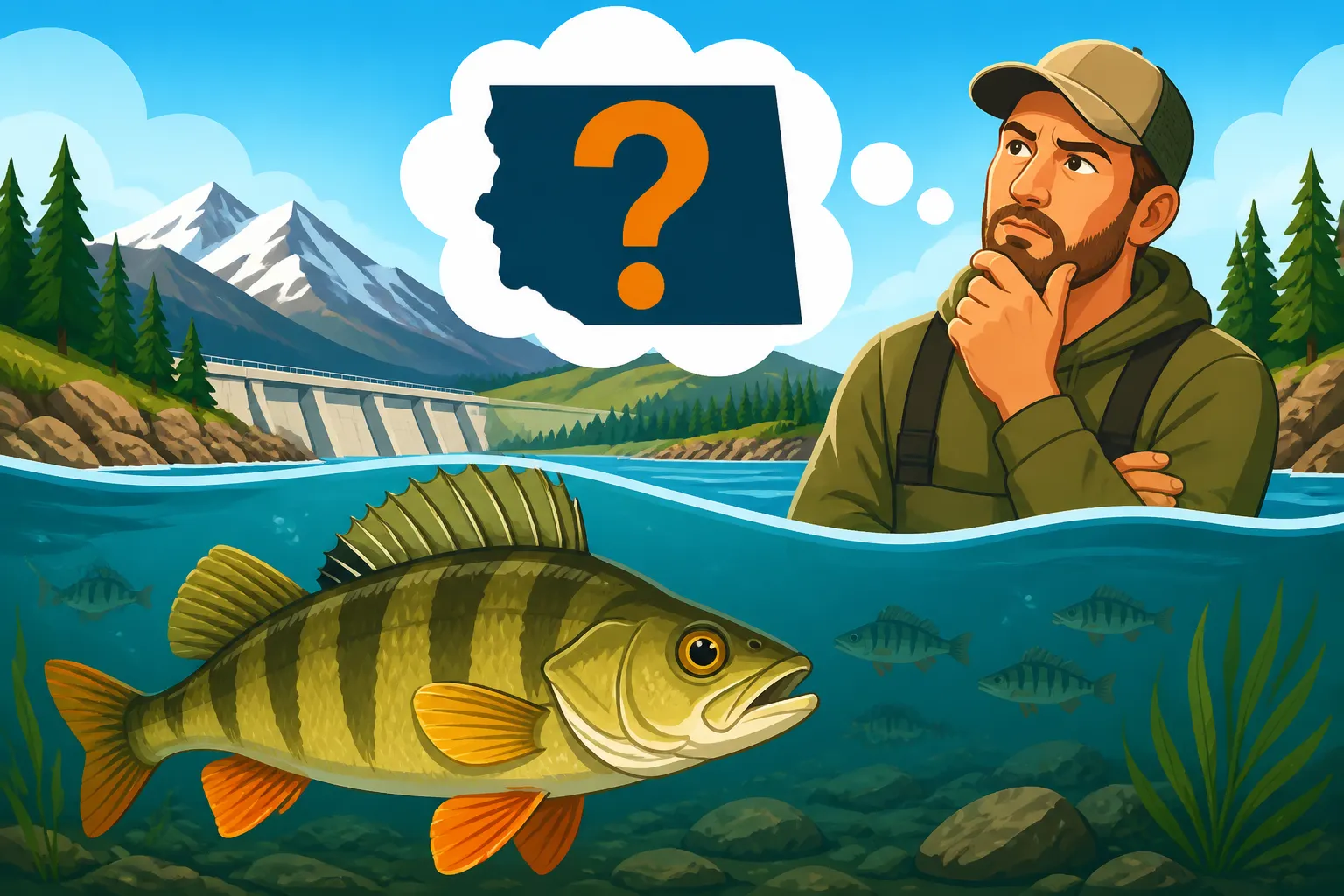
For many folks venturing out to fish Wyoming's vast waters, the big draw is often the elusive trout – cutthroats, rainbows, and browns that populate our pristine rivers and high-mountain lakes. But if you've ever cast a line into some of our larger reservoirs, you might have wondered about those feisty little yellow fish nibbling at your bait. Are yellow perch really a common catch in Wyoming? The short answer is a resounding yes, and understanding where and why they thrive can unlock a whole new, fun dimension to your fishing adventures, especially for those looking for consistent action and some tasty table fare.
The Undeniable Presence of Yellow Perch in Wyoming Reservoirs
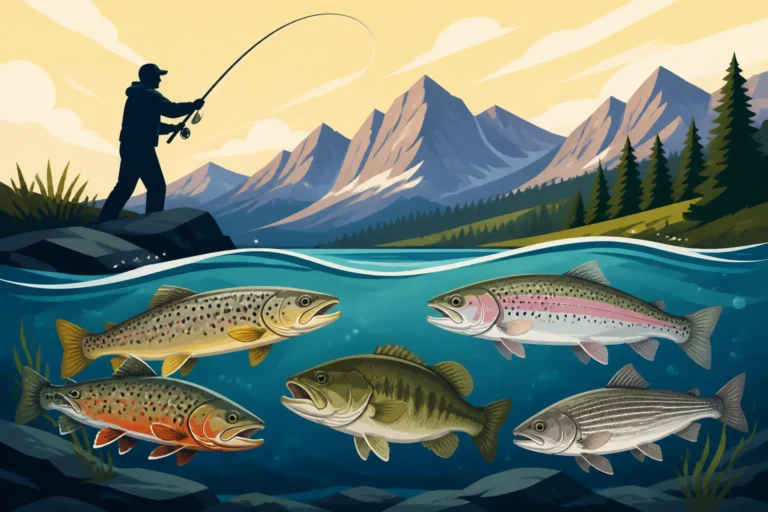
It's a common misconception that Wyoming is solely a trout state. While our trout fisheries are world-class and rightfully famous, our reservoirs often tell a different story, one filled with a diverse array of species, including the humble yet abundant yellow perch. Many anglers are surprised to learn just how widespread and prolific these panfish are once they start targeting them. They might not get the same glamour as a trophy lake trout or a wild river brown, but perch offer fantastic sport, especially for families or anyone looking for a more relaxed day on the water with a good chance of reeling in dinner.
You see, perch are incredibly adaptable. They can thrive in a variety of conditions, from cool, clear waters to slightly warmer, more turbid environments. This resilience makes them perfectly suited for many of Wyoming's expansive reservoirs, which often have fluctuating water levels and varying habitat structures. They're not just present; in many places, they are a vital part of the aquatic food web, serving as forage for larger predatory fish like walleye and even some of the bigger trout species. So, next time you're out, don't overlook them – they're definitely part of the Wyoming fishing landscape.
Where Perch Populate Our Waters
While you won't find yellow perch in every single water body in Wyoming – particularly not in the high-elevation, pristine alpine lakes that are strictly trout territory – they absolutely dominate in many of our lower-elevation, larger impoundments. These reservoirs provide the ideal conditions: plenty of shallow, weedy areas for spawning and hiding, deeper channels for wintering, and a rich invertebrate and small fish diet to keep them healthy.
Some of the most well-known perch hotspots include places like Boysen Reservoir, Glendo Reservoir, Keyhole Reservoir, and Seminoe Reservoir. These are vast bodies of water where perch numbers can truly explode. It's not uncommon to hit a school of perch and catch dozens in a short amount of time, providing continuous entertainment, especially for kids. Other reservoirs, like Alcova and Pathfinder, also hold good populations, though perhaps not always in the sheer abundance seen at the others. It really depends on the specific characteristics of the reservoir and how well the perch have established themselves within that particular ecosystem.
When you're planning a trip to one of these spots, it's worth checking local reports or asking at a tackle shop about where the perch are biting. Sometimes they'll congregate in bays, other times near submerged timber or rock piles. Their habits can shift with the seasons, but their presence in these key reservoirs is a pretty consistent feature of the Wyoming fishing experience.
The Ecological Niche and Widespread Success of Yellow Perch
So, why are yellow perch so common in these specific Wyoming reservoirs? It really boils down to their incredible hardiness and reproductive capabilities. They are a classic "coolwater" species, meaning they do best in waters that aren't too cold (like some high-mountain lakes) and not too warm (like bass ponds in the deep South). This makes Wyoming's reservoir environments, with their seasonal temperature fluctuations, often just right.
Perch are incredibly prolific breeders. A single female can lay tens of thousands of eggs, often in long, ribbon-like strands attached to submerged vegetation or brush. This high reproductive rate means that if conditions are favorable, their populations can rebound quickly and support sustained angling pressure. They're also generalist feeders, eating everything from insect larvae and crustaceans to smaller fish, which means they can find food even when specific prey sources are scarce. This adaptability ensures they can survive and thrive where other, more specialized fish might struggle.
How Perch Became So Integrated into Wyoming's Fisheries
Yellow perch are not native to all of Wyoming's waters. Like many species, they were introduced into various reservoirs over the decades, often as a food source for larger game fish or simply to provide another angling opportunity. Once established, their resilient nature and high reproductive capacity allowed them to spread and flourish, sometimes even outcompeting native species in certain habitats.
Today, they play a crucial role. They are often a primary forage fish for highly sought-after predators like walleye. In reservoirs such as Boysen, the health of the perch population can directly impact the growth rates and overall condition of the walleye, creating a dynamic balance that fisheries managers carefully monitor. While sometimes considered a "rough fish" or a pest in some regions, in Wyoming's reservoirs, they're largely embraced as a fun target and an important part of the ecosystem. It's a reminder that not all good fishing has to be about trophy-sized trout; sometimes the sheer joy of catching a mess of panfish can be just as rewarding. You can learn more about the broader fish community in our state by reading about Wyoming's Warmwater Fish Species.
Practical Tips for Fishing for Perch in Wyoming
If you're ready to embrace the perch fishing experience in Wyoming, you're in for a treat. These fish are generally cooperative and don't require overly specialized gear, making them an excellent target for beginners, kids, or anyone looking for consistent action. The key is often finding the schools, and once you do, the action can be non-stop.
Top Techniques for Landing Yellow Perch
Perch are not overly picky, but certain techniques definitely outproduce others. One of the most effective methods is jigging. Small jigs tipped with a piece of worm, a Berkley Gulp! Alive! minnow, or even a small plastic grub can be deadly. Drop your jig to the bottom and then slowly lift and drop it, mimicking a struggling baitfish or insect. They often hang out near structure, so fishing around submerged timber, rock piles, or weed beds is always a good bet.
Bait fishing is another classic method. A small hook (size 8 or 10) with a piece of nightcrawler, a mealworm, or even a small minnow fished under a bobber or on a simple bottom rig works wonders. If you're using live bait, make sure to check Are Live Minnows Legal Bait in Wyoming? as bait regulations can vary by water body. For those interested in specifics, exploring Best Bait for Yellow Perch in Wyoming will offer more tailored recommendations. For a simple setup, an ultralight spinning rod and reel with 4-6 pound test line is perfect, offering sensitivity for their light bites and plenty of fight for their size. You can often find a great starter combo on sites like Amazon.
Seasonal Perch Hotspots and Gear Essentials
Perch can be caught year-round in Wyoming, but their behavior changes with the seasons.
- Spring: As waters warm, perch move into shallower areas to spawn. Look for them in bays and along shorelines with submerged vegetation. This is a great time for shore fishing.
- Summer: They'll often move to slightly deeper, cooler waters, concentrating around drop-offs, humps, and submerged structure. Early mornings and late evenings can be best.
- Fall: Perch will feed aggressively as they prepare for winter, often schooling up in predictable locations. This can be some of the best fishing of the year.
- Winter (Ice Fishing): This is arguably the most popular time to target perch. They concentrate in large schools in specific areas of reservoirs, making them prime targets through the ice. Small ice jigs, often tipped with a maggot or wax worm, are incredibly effective. Check out Ice Fishing in Wyoming: A Complete Guide for a full rundown. For specific equipment like a good ice auger or a fish finder, you'll find plenty of options online, including on Amazon.
Remember, having a good pair of pliers for hook removal, a small cooler for your keepers, and perhaps a pair of fillet gloves will make your perch fishing experience much more enjoyable. For those just starting out, perch can be the perfect entry point. They are often plentiful, relatively easy to catch, and offer a great opportunity to practice basic fishing skills, much like you would if you were trying to catch your Best Beginner Technique for Catching Your First Trout.
Here's a quick comparison of common perch fishing methods:
| Method | Best Season (Wyoming Reservoirs) | Gear Needed | Pros | Cons |
|---|---|---|---|---|
| Jigging | All year, especially Winter | Light spinning rod, small jigs, live bait/plastics | Active fishing, good for locating schools, versatile | Requires more active presentation |
| Bobber Fishing | Spring, Summer, Fall | Light spinning rod, bobber, small hook, live bait | Easy for beginners/kids, visual bite detection, relaxed | Can be less effective in deep water or windy conditions |
| Bottom Rigging | All year | Medium-light rod, weight, small hook, live bait | Good for deeper water, less susceptible to wind | Less visual, can get snagged on bottom |
| Ice Fishing | Winter | Ice rod, auger, ice jigs, shelter (optional) | Can be incredibly productive, social activity | Requires specialized gear and cold weather tolerance |
The Value of Perch to Wyoming's Anglers and Ecosystems
Beyond being a fun fish to catch, yellow perch hold significant value for both anglers and the broader aquatic ecosystems in Wyoming. For many, they are the gateway fish, the species that hooks new anglers and keeps seasoned ones entertained between bites from larger game fish.
A Reliable Catch for All Skill Levels
Let's be honest, not every fishing trip is about setting a new state record. Sometimes, it's about getting out, enjoying nature, and having consistent action. That's where perch truly shine. Their tendency to school means that once you find them, you can often catch quite a few in a short period. This makes them ideal for introducing children to fishing, building their confidence, and ensuring they have a memorable experience. There's nothing quite like the excitement of a kid reeling in perch after perch! For many, it's about the joy of the bend in the rod and the tug on the line, and perch provide that in spades.
Moreover, they're fantastic table fare. Many anglers swear by the flaky, white meat of yellow perch. They're often easy to clean – though maybe not as large as a trout, you can get a lot of small fillets quickly. If you're new to the process, a quick search for "how to fillet panfish" or even "how to fillet a perch" will bring up plenty of tutorials, much like you'd find for How to Fillet a Trout for the First Time. The taste is mild, making them palatable for even the pickiest eaters, and they're delicious pan-fried, deep-fried, or even baked.
Ecological Benefits and Management
Ecologically, yellow perch are a critical component of many Wyoming reservoir food webs. They serve as a vital forage base for larger predatory species, including trophy lake trout in places like Flaming Gorge and the popular walleye populations found in Wyoming's Boysen Reservoir Fishing Guide or Keyhole Reservoir Fishing for Walleye and Crappie. Without a healthy perch population, these larger game fish might struggle to find enough to eat, impacting their growth and overall health.
Wyoming Game and Fish Department biologists manage perch populations to maintain a healthy balance. In some waters, they might even encourage anglers to harvest perch, especially smaller ones, to prevent overpopulation and stunting, which can occur if there are too many mouths competing for limited food resources. This active management ensures a sustainable fishery for all species. So, when you're targeting perch, you're not just having fun; you're often participating in a healthy management strategy for the entire reservoir ecosystem. And who knows, while you're jigging for perch, you might just tempt a hungry walleye that's lurking nearby!
Disclaimer
This article is for general informational purposes only and does not constitute professional advice. Laws, prices and regulations vary by location and change over time. Consult a qualified professional for guidance on your specific situation.