Are Zebra Mussels a Threat to Wyoming Fisheries?
There's a constant, unsettling worry in the back of every Wyoming angler's mind: what new threat could jeopardize our pristine waters and world-class fisheries? One of the biggest specters looming over states across the country is the zebra mussel, a tiny invasive species with a monstrous capacity for destruction. This guide dives deep into whether these destructive mollusks pose a real danger to Wyoming's fishing heritage and what we, as passionate stewards of these waters, can do to keep them out.
Understanding the Invasive Threat: What Are Zebra Mussels?
When we talk about zebra mussels, it's not just a casual concern; it's about safeguarding an entire ecosystem. These tiny freshwater mollusks, barely the size of your fingernail, might seem innocuous at first glance, but their impact is anything but small. They represent one of the most significant biological threats to aquatic environments in North America, and their potential arrival in Wyoming is something we all need to be acutely aware of.
A Brief History and Identification
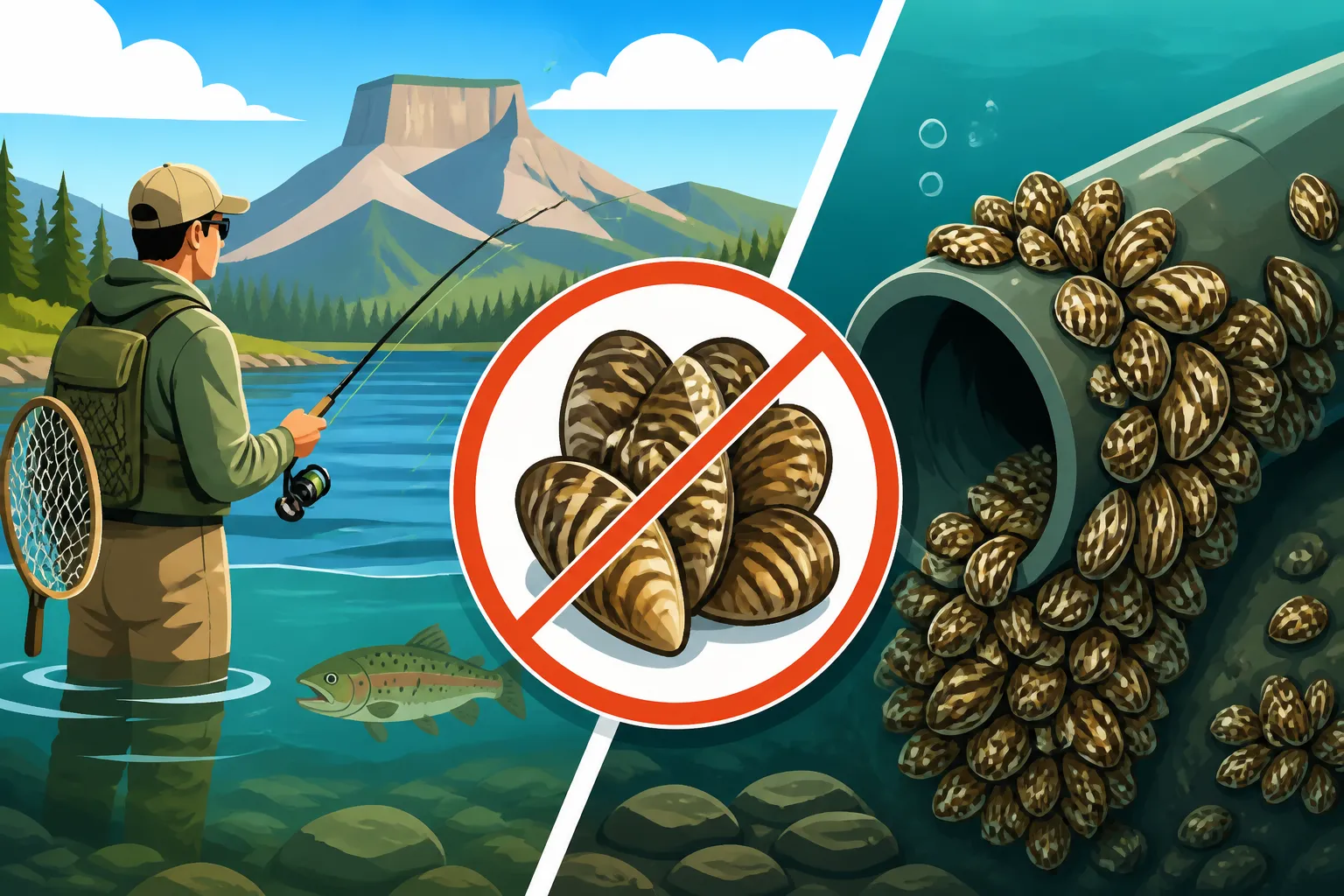
Zebra mussels (scientific name Dreissena polymorpha) are not native to North America. They actually hail from the Caspian Sea region of Eastern Europe and Asia. They first arrived in the Great Lakes region in the mid-1980s, likely in the ballast water of transatlantic ships. From there, they've spread like wildfire, clinging to boats, trailers, and even carried by currents, colonizing new waterways at an alarming rate. Identifying them is key: they have a distinctive D-shaped shell, often with alternating light and dark bands, giving them their "zebra" moniker. You'll typically find them in dense clusters, attached to almost any hard surface imaginable – rocks, docks, boat hulls, and even other mussels or crayfish. If you see something that looks like a small, striped clam clinging to your boat, don't just shrug it off; it could be a zebra mussel, and that's a big deal.
How They Spread and Thrive
The reason zebra mussels are such a formidable invasive species is their incredible reproductive capacity and their ability to attach themselves to pretty much anything. A single female zebra mussel can produce up to a million eggs per year. Their larvae, called veligers, are microscopic and free-swimming, making them practically invisible and easily transported in even small amounts of water. Think about the bilge water in your boat, the water left in your livewell, or even damp fishing gear after a day on the lake – all potential vectors for these tiny invaders. Once they find a suitable hard surface, they use byssal threads, which are incredibly strong, to anchor themselves. This means they can hitchhike on anything from a boat propeller to a fishing lure you might have purchased online from a vendor like Amazon, if it's not properly dried. Their ability to survive out of water for several days, especially in damp conditions, further complicates containment efforts. It only takes one small oversight for a new infestation to begin.
The Ecological and Economic Damage They Cause
The consequences of a zebra mussel infestation are devastating, both ecologically and economically. Ecologically, they are filter feeders, meaning they consume vast quantities of phytoplankton, which forms the base of the aquatic food web. While filtering water might sound good, it essentially starves out native species that rely on phytoplankton for food, leading to a collapse in the population of native mussels and other invertebrates. The water might appear clearer, but it's a false sense of health. This disruption can cascade up the food chain, impacting everything from aquatic insects to the fish we love to catch. Economically, their impact is staggering. They clog intake pipes for power plants and municipal water systems, foul boat hulls, docks, and even fishing equipment, requiring expensive cleaning and maintenance. Imagine trying to run a hydroelectric dam when its intake pipes are completely encrusted with millions of these shells. The financial burden to combat and manage established populations can run into the millions, if not billions, of dollars, diverting resources that could otherwise be spent on improving fishing access or habitat.
Wyoming's Proactive Defense Against Zebra Mussels
Wyoming takes the threat of aquatic invasive species, including zebra mussels, incredibly seriously. Our state's pristine waters and thriving fisheries are too precious to leave to chance. Because of the devastating impact these invaders can have, the Wyoming Game and Fish Department (WGFD) has implemented some of the most stringent and effective prevention programs in the nation. It's a collective effort, and every angler plays a crucial role.
Mandatory Watercraft Inspections: The Front Line
The cornerstone of Wyoming's defense against zebra mussels and other aquatic invasive species is our mandatory watercraft inspection program. If you've ever launched a boat, kayak, or even a paddleboard in Wyoming, you know the drill: you must stop at an inspection station. These stations are strategically located on major travel corridors and near popular water bodies, staffed by trained WGFD personnel. Their job is to visually inspect your watercraft, looking for any attached mussels, plants, or standing water that could harbor invasive species. They'll also ask about where your boat has been recently. This isn't just a suggestion; it's the law. Violations can lead to significant fines, and rightfully so, because bypassing an inspection could literally introduce a catastrophic threat to our waters. This program is our best chance at preventing an infestation before it even starts, acting as the primary barrier. Remember to have your Carrying Your Wyoming Fishing License in the Field and registration handy during these stops.
Clean, Drain, Dry: Every Angler's Responsibility
Beyond the mandatory inspections, the "Clean, Drain, Dry" protocol is the golden rule for every responsible angler and boater. This isn't just a catchy slogan; it's a vital, actionable set of steps to prevent the spread of aquatic invasive species.
- Clean: Before leaving any water body, thoroughly inspect your boat, trailer, and all fishing gear. Remove any visible mud, plants, or organisms. This means checking your anchor, fishing lines, and even your waders and boots. If you've got mud on your waders, get it off. If there's a bit of plant matter clinging to your prop, pull it off and dispose of it properly, far away from any water source. A stiff brush, like those you might find on Amazon, can be a great tool for this.
- Drain: Pull all drain plugs and completely drain all water from your boat's bilge, livewell, bait bucket, and any other water-holding compartments. This is critical because microscopic veligers (baby zebra mussels) can survive in even a small amount of standing water. If your boat has complex plumbing or integrated ballast tanks, these must be drained as well.
- Dry: Once you've cleaned and drained, allow everything to completely dry for five days or more. If this isn't possible, a thorough rinse with hot, high-pressure water (140°F/60°C or hotter) is recommended. Drying is perhaps the most effective step, as prolonged exposure to air and sunlight will kill most invasive organisms, including zebra mussels. This is especially important for things like your fishing rods and reels; even if they look dry, a quick wipe down and air-dry session ensures no hidden threats.
Adhering to Clean, Drain, Dry is not just about compliance; it's about being a good steward of Wyoming's natural resources. It's about protecting the future of Wyoming Fishing Regulations Every Angler Should Know for everyone.
Monitoring and Early Detection Efforts
Wyoming's defense isn't just about inspections at boat ramps; it's also a constant, vigilant effort to monitor our waters. WGFD biologists regularly collect water samples from lakes and reservoirs across the state, specifically testing for the presence of veligers (zebra mussel larvae) and other aquatic invasive species. They deploy specialized settlement plates in various locations, which act as bait for adult mussels to attach to, providing an early warning system. This continuous monitoring is crucial because the sooner an infestation is detected, the better the chances of containing it and preventing widespread damage. Think of it as an early warning radar for our aquatic ecosystems. If an early detection happens, emergency measures, potentially including water body closures and intensive treatment plans, can be implemented, as covered in How Wyoming Sets In-Season Emergency Closures.
Here's a quick reference for the Clean, Drain, Dry protocol:
| Step | Action | Key Focus Areas | Why It Matters |
|---|---|---|---|
| Clean | Remove all visible plants, mud, and organisms | Boat hull, propeller, trailer, anchor, ropes, fishing gear, waders, boots | Prevents transport of adult mussels, plant fragments, and other aquatic invaders. |
| Drain | Pull all drain plugs and empty all water | Bilge, livewell, bait buckets, motor, ballast tanks, coolers | Eliminates microscopic larvae (veligers) and other organisms in standing water. |
| Dry | Allow all equipment to thoroughly dry | Entire boat, trailer, fishing gear, clothing, and anything that contacted water | Kills organisms that cannot survive out of water; minimum 5 days for best results. |
The Potential Impact on Wyoming's Unique Fisheries
The thought of zebra mussels infiltrating Wyoming's waters sends shivers down the spine of any angler who truly cherishes our state's fishing opportunities. Our rivers and lakes are renowned for their stunning beauty and the incredible fishing experiences they offer, from the blue-ribbon trout streams of the North Platte to the vast, wild waters of Flaming Gorge. An invasion of zebra mussels wouldn't just be an inconvenience; it would fundamentally alter these cherished places, potentially irrevocably.
Threat to Native Species Like Cutthroat Trout
Wyoming is home to several native fish species, none more iconic than our various subspecies of cutthroat trout, including the beloved Yellowstone Cutthroat Trout. These fish have evolved over millennia to thrive in our specific ecological conditions. Zebra mussels, by radically altering the environment, pose a direct threat to their survival. As filter feeders, zebra mussels consume plankton, which are a vital food source for many native insects and small fish that form the base of the food chain for cutthroat and other trout. With less food available, native fish populations would suffer. Furthermore, zebra mussels attach to any hard surface, including the shells of native mussels and crayfish, eventually smothering and killing them. This eliminates more natural food sources and disrupts the delicate balance of our aquatic ecosystems. A decline in native forage species means less food for our trout, leading to smaller, less healthy fish, and potentially devastating population crashes for species like the Cutthroat Trout Fishing in Wyoming that are already facing other challenges.
Disrupting the Food Web and Water Quality
The impact of zebra mussels extends far beyond just fish. They are ecosystem engineers, meaning they drastically change the physical and chemical characteristics of the water. By filtering vast amounts of plankton, they can increase water clarity significantly. While clearer water might sound appealing, it allows sunlight to penetrate deeper, leading to increased growth of aquatic vegetation in deeper areas where it couldn't grow before. This can fundamentally change the habitat, making it less suitable for native species and potentially favoring invasive aquatic plants. The decomposition of dense beds of zebra mussels can also lead to nutrient imbalances and oxygen depletion, especially in deeper waters, creating "dead zones" where fish cannot survive. This disruption to the natural food web affects every single organism, from microscopic bacteria to the largest Lake Trout (Mackinaw) Fishing in Wyoming residing in our reservoirs. The long-term consequences are a less diverse, less resilient ecosystem that simply cannot support the rich fisheries we currently enjoy.
Economic Repercussions for Anglers and Communities
An infestation of zebra mussels would carry a hefty price tag for Wyoming, impacting not just our natural resources but also our economy. Think about the costs associated with infrastructure: municipal water intake pipes, irrigation systems, and hydroelectric dams would become clogged, requiring constant, expensive maintenance to clear the mussels. Boaters would face damaged equipment, fouled hulls, and clogged cooling systems, leading to costly repairs and reduced time on the water. Beyond the direct costs, there's the ripple effect on our tourism-driven economy. Wyoming's reputation for pristine fishing draws anglers from all over the world. If our rivers and lakes become infested and their health declines, that appeal diminishes. Fishing guides, outfitters, tackle shops, hotels, and restaurants in communities like Jackson, Casper, and Pinedale would all feel the pinch. A decline in fishing tourism means lost jobs, decreased revenue, and a significant blow to the local economies that rely on our vibrant outdoors. The cost to manage and mitigate an established population would be astronomical, making prevention our absolute highest priority. The potential for Fines and Penalties for Common Fishing Violations would be minimal compared to the larger economic devastation.
What Anglers Can Do: Be Part of the Solution
The battle against aquatic invasive species, and especially zebra mussels, isn't something that can be left solely to the Wyoming Game and Fish Department. It requires the active participation and vigilance of every single angler and boater who values our state's incredible fishing opportunities. Your actions on and off the water truly make a difference. Being a responsible angler is about more than just knowing your How Bag and Possession Limits Work in Wyoming; it's about protecting the future of the resource itself.
Inspecting Your Gear Beyond Just Boats
While boat inspections are critical, the threat of zebra mussels isn't limited to large watercraft. These tenacious invaders, in their larval stage or as tiny adults, can hitchhike on almost any piece of equipment that comes into contact with water. This means your fishing rods, reels, nets, waders, boots, float tubes, kayaks, paddleboards, and even buckets all need thorough inspection and cleaning after every use. Pay extra attention to seams, crevices, and any damp areas where small mussels or larvae could hide. If you buy a new piece of gear, say a fishing net from Amazon, it's always good practice to give it a quick once-over and perhaps a rinse before its first use, just to be sure. Ensure you're not inadvertently transferring organisms from one water body to another. It's not just about what you can see; it's about understanding the invisible threats as well.
Reporting Suspected Sightings
One of the most powerful tools in early detection is the vigilant eye of the public. You are our first line of defense out on the water. If you ever come across something you suspect might be a zebra mussel – whether it's attached to a rock, a piece of wood, or even another creature – do not hesitate to report it immediately. Snap a clear photo if you can, note the exact location (GPS coordinates are ideal), and contact the Wyoming Game and Fish Department directly. Do not try to remove the specimen yourself, as you could accidentally spread it further. Your quick action could be the difference between containing a small, localized presence and a full-blown, widespread infestation that is nearly impossible to eradicate. Learning How to Report an Invasive Fish Species in Wyoming is critical.
Supporting Conservation Efforts
Beyond direct action, supporting conservation efforts is another vital way to protect Wyoming's fisheries. This can take many forms. Firstly, make sure you understand and follow all Wyoming Fishing Regulations Every Angler Should Know. These regulations are designed to protect our aquatic resources. Secondly, consider purchasing a The Wyoming Conservation Stamp and What It Covers even if you don't always need one for every type of license, as the funds from these stamps directly support conservation programs, including those dedicated to preventing aquatic invasive species. Thirdly, spread the word among your fellow anglers, friends, and family. Educate them on the importance of Clean, Drain, Dry, and why these measures are so crucial. The more informed and active our community is, the stronger our collective defense against threats like zebra mussels will be. Protecting our waters is a shared responsibility, and every contribution, no matter how small, adds up to a much larger impact.
Disclaimer
This article is for general informational purposes only and does not constitute professional advice. Laws, prices and regulations vary by location and change over time. Consult a qualified professional for guidance on your specific situation.