What Invasive Fish Species Threaten Wyoming Waters
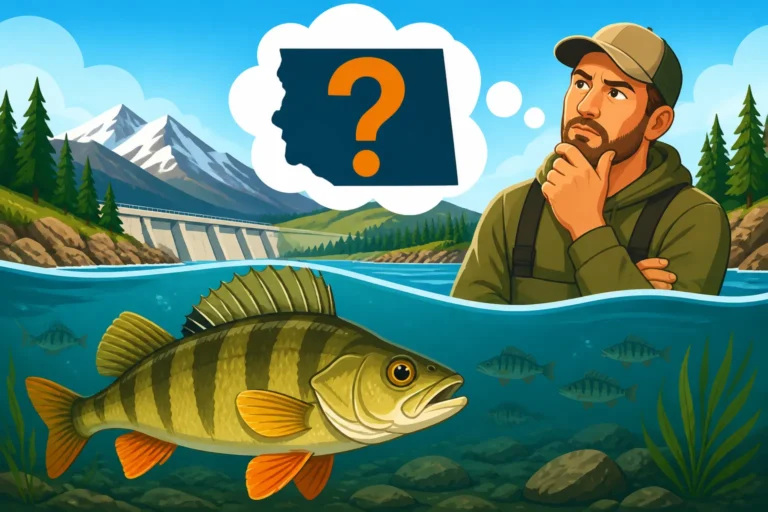
Wyoming boasts some of the most pristine and breathtaking fishing waters in the country, a true paradise for any angler. But beneath the surface of these stunning rivers and serene lakes lies a persistent threat: invasive fish species. These unwelcome guests can silently wreak havoc on delicate native ecosystems, outcompeting or preying on the trout and other fish we cherish, and dramatically altering the fishing experience. This guide will shine a light on the specific invasive fish species that pose the greatest danger to Wyoming's waters and explain what every angler can do to protect our precious fisheries.
The Unseen Threat: Key Invasive Fish Species in Wyoming Waters
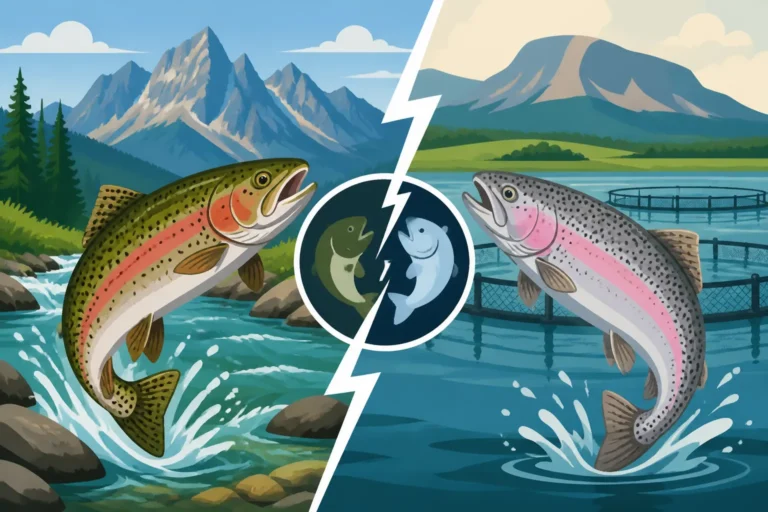
The term "invasive" can sometimes be misunderstood. Not every non-native species is immediately considered invasive; sometimes, a species is introduced for sport fishing and managed carefully, like rainbow trout in many areas. However, an invasive species is one that, when introduced to a new environment, outcompetes or displaces native species, causing ecological or economic harm. For Wyoming, the challenges often revolve around protecting our iconic native cutthroat trout and maintaining the health of our diverse aquatic habitats.
Lake Trout in Native Cutthroat Strongholds
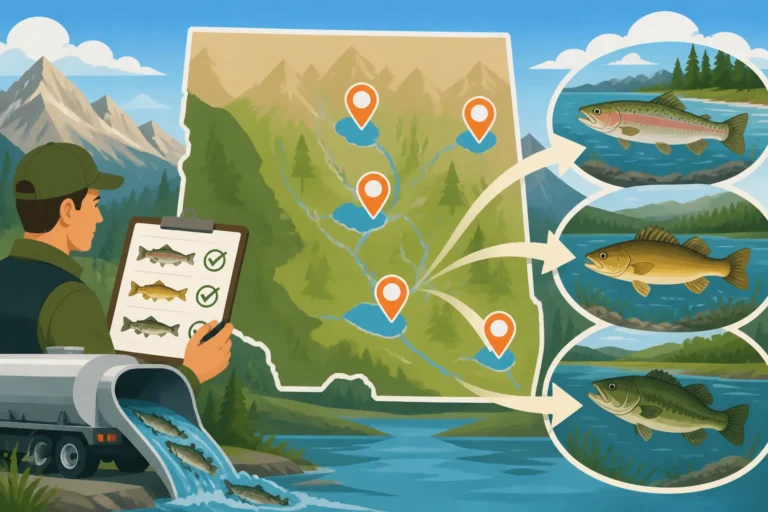
Perhaps the most famous and contentious invasive fish issue in Wyoming revolves around the presence of lake trout, often called Mackinaw, in waters critical for native cutthroat populations. While lake trout are prized game fish in many Wyoming reservoirs like Flaming Gorge, their introduction into certain waters has created a significant problem for our state's aquatic heritage.
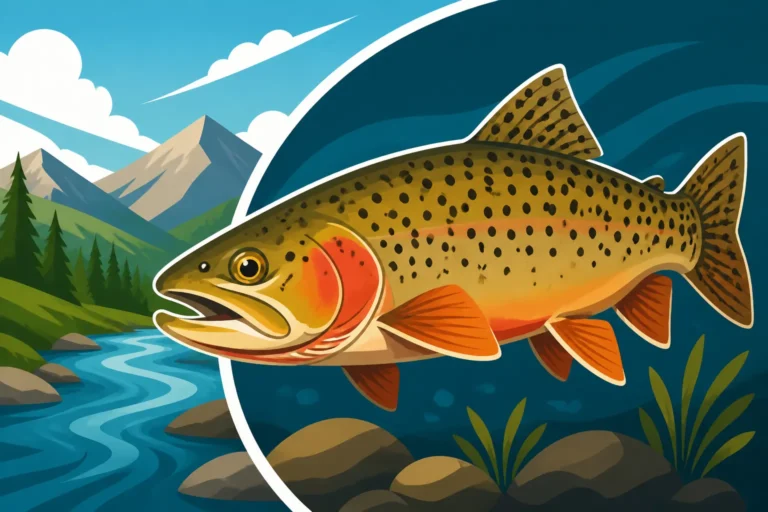
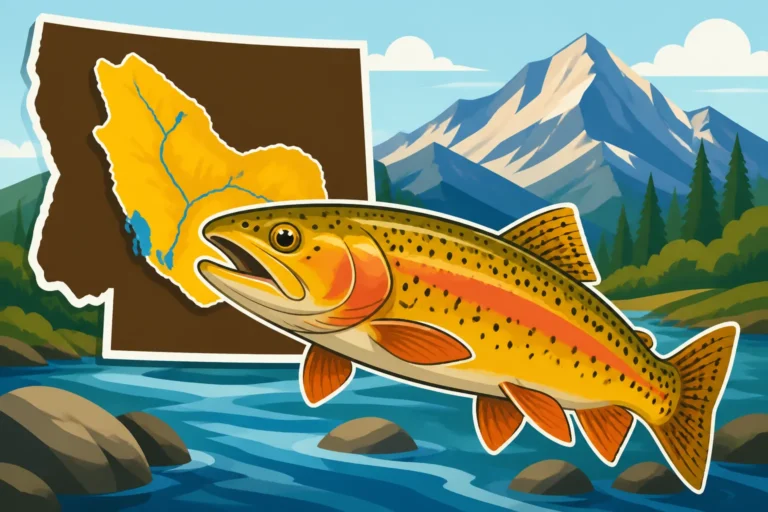
The prime example is Yellowstone Lake within Yellowstone National Park. This immense body of water was once a fortress for the Yellowstone cutthroat trout, Wyoming's state fish. Cutthroat trout are a foundational species here, feeding grizzly bears, eagles, and otters, and they are a vital part of the park's ecosystem. When lake trout were illegally introduced, they became apex predators, voraciously preying on the cutthroat. Lake trout grow large, live long, and spawn in deeper waters, making them incredibly difficult to remove and giving them a distinct advantage over the native cutthroat. This isn't just about fish; it's about the entire food web that depends on the Yellowstone cutthroat. Anglers here are actually encouraged to keep all lake trout they catch, and there are extensive Wyoming's Lake Trout Removal Efforts in Yellowstone Lake underway to try and restore balance. Understanding the difference between native fish like the Identifying a Yellowstone Cutthroat Trout and these invaders is crucial for conservation-minded anglers.
Walleye and Northern Pike: Predatory Powerhouses
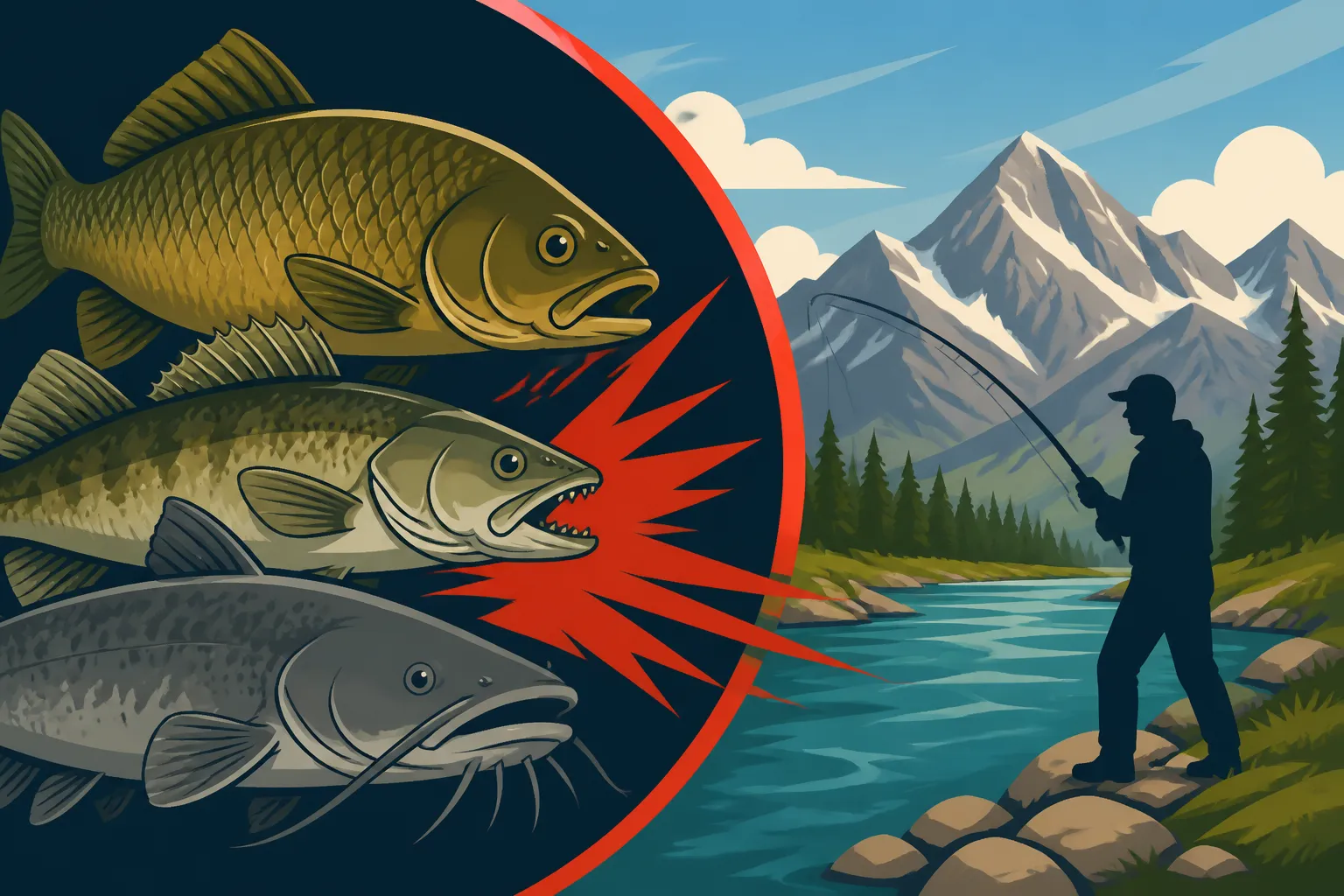
Walleye are another species that can be both a popular sport fish in designated reservoirs and a serious invasive threat if they find their way into unmanaged waters. Reservoirs like Boysen, Glendo, and Keyhole are celebrated for their fantastic walleye fishing, offering anglers exciting opportunities. However, walleye are highly efficient predators, and if they escape these managed systems into rivers or lakes with sensitive native fish populations, they can quickly decimate smaller, less aggressive species.
Northern pike, while not as widespread, are another significant concern. These aggressive, ambush predators are known for their voracious appetites and rapid growth. If northern pike establish themselves in waters with native trout or salmon, they can quickly decimate populations. Their presence often leads to dramatic changes in the fish community structure, favoring invasive species and reducing biodiversity. Anglers must be vigilant about not accidentally transporting any of these species to new waters, as even a few individuals can establish a breeding population with devastating results.
Smallmouth Bass and Other Warmwater Invaders
While Wyoming is famous for its coldwater trout fisheries, several reservoirs also hold warmwater species, some of which can become invasive if not carefully managed. Smallmouth bass, for example, are highly sought-after sport fish in certain areas, particularly in the lower Green River drainage and Flaming Gorge. However, these agile, aggressive fish can outcompete and prey upon native forage fish and trout in waters where they are not intended to be. They adapt well to different environments, making them a potent threat once established.
Yellow perch are another species that can become problematic. While they provide excellent panfishing opportunities in many lakes and reservoirs, their prolific breeding and schooling behavior mean they can quickly overpopulate, consuming vast quantities of food and outcompeting other species. When perch populations explode, they can stunt in size, creating an abundance of small fish but reducing the overall health and diversity of the fishery. These species, when introduced carelessly, can fundamentally alter the delicate balance of Wyoming's diverse aquatic ecosystems.
The Ecological and Angling Consequences of Invasive Fish
The presence of invasive fish species isn't just an interesting biological phenomenon; it has profound impacts on Wyoming's natural resources, from the intricate balance of aquatic ecosystems to the very experience of fishing that draws so many to the state. The long-term consequences can be severe and costly, affecting everything from food webs to fishing regulations.
Disrupting Delicate Ecosystems and Food Webs
The most immediate and critical impact of invasive fish is the disruption of established ecosystems. Native fish species have evolved over millennia to fit specific niches within their environment. When an aggressive, non-native predator or competitor is introduced, it throws this balance into disarray.
Consider the native Yellowstone cutthroat trout. They are a critical food source for numerous wildlife species, including grizzly bears, otters, ospreys, and bald eagles. When lake trout reduce cutthroat populations, this impact ripples through the entire ecosystem, potentially affecting the health and population dynamics of these other species. Invasive species can outcompete natives for food, like plankton or aquatic insects, or for critical spawning and rearing habitat. Some non-native trout, like rainbow trout, can even hybridize with native cutthroat trout, leading to "cutbows" which can dilute the genetic purity of native strains. It's a complex dance of life, and invasives often step on the toes of the original dancers. Understanding the nuances, like Cutthroat vs Rainbow Trout: Telling Them Apart, becomes important for conservation.
Economic Costs and Management Burdens
Managing invasive species is incredibly expensive and labor-intensive. The Wyoming Game and Fish Department, along with partners like the National Park Service, invests significant resources into monitoring, control, and eradication efforts. This includes everything from physical removal programs, like the gillnetting operations for lake trout in Yellowstone Lake, to public education campaigns aimed at prevention.
These costs are ultimately borne by taxpayers and license fee payers. If invasive species are left unchecked, they can degrade the quality of fisheries, potentially reducing angler visitation and impacting the state's tourism economy. A pristine fishery with robust native populations is a significant draw, and anything that diminishes that appeal has economic repercussions. Future generations of anglers and wildlife enthusiasts depend on our current efforts to manage these threats effectively.
Shifting Fishing Opportunities and Regulations
For anglers, the presence of invasive species can lead to changes in fishing opportunities and regulations. In some cases, like Yellowstone Lake, anglers are actively encouraged, or even required, to keep all invasive fish caught to aid in management efforts. This means that an angler's responsibility goes beyond just catching and releasing; it includes participating in conservation.
Conversely, some waters may see reduced bag limits or special regulations on native species if their populations are struggling due to invasive pressure. Certain areas might be closed to bait fishing or require specific tackle, such as Barbless Hook Requirements on the North Platte River, to minimize harm to sensitive native fish that might be present alongside invasives. These regulations, while sometimes frustrating, are put in place to protect the long-term health of the fishery. It's a constant balancing act between providing recreational opportunities and safeguarding native biodiversity. You can always check Wyoming Fishing Regulations Every Angler Should Know for the latest updates.
Your Role in the Fight: Preventing the Spread of Aquatic Invaders
As anglers and outdoor enthusiasts, we are on the front lines of defense against aquatic invasive species. Our actions have a direct impact, and adopting a few simple habits can make a huge difference in protecting Wyoming's pristine waters. This isn't just about following rules; it's about being a responsible steward of the environment.
The "Clean, Drain, Dry" Mantra: Your Most Powerful Tool
This three-step process is the single most effective way to prevent the spread of aquatic invasive species, whether it's fish, plants, or microscopic organisms. Every time you move your boat, waders, or fishing gear from one body of water to another, you must perform these steps thoroughly.
- Clean: Inspect all your equipment – boat hulls, motors, trailers, anchors, waders, boots, fishing nets, and lines – and remove any visible mud, plants, or animals. Be especially meticulous with wader soles and boot treads, as tiny plant fragments or larval organisms can hide in cleats. Many anglers find specialized gear brushes or decontamination sprays helpful, readily available on platforms like Amazon, for getting into those hard-to-reach spots.
- Drain: Completely drain all water from your boat, livewells, bilge, and bait buckets before leaving the access area. This includes pulling drain plugs. Even a small amount of water can harbor microscopic invaders. Never transport water from one lake or river to another.
- Dry: Allow all equipment to thoroughly dry for an extended period, preferably five days or more, before using it in another water body. If drying isn't possible, a thorough wash with hot, high-pressure water (140°F or hotter) can kill many organisms. Portable drying racks or boot dryers, easily found on Amazon, can speed up this process for smaller items like waders and boots. Remember, even if something looks dry, it might still have hidden moisture where microscopic threats can survive.
Never Transport Live Fish or Aquatic Organisms
This might seem obvious, but "bucket biology" — the illegal practice of moving live fish from one water body to another – is one of the primary ways invasive species are introduced. Never use live fish from one water as bait in another, and certainly never release unused baitfish into a new body of water.
This includes species caught in designated Best Wyoming Reservoirs for Walleye or other species that might seem harmless. The repercussions of such actions can be severe, both for the environment and for the individual, as What Happens If You Catch an Invasive Species in Wyoming or illegally introduce them can lead to significant fines and penalties. If you're using bait, make sure it's legally obtained and properly disposed of in the trash, not released.
Reporting Suspected Sightings and Mandatory Boat Inspections
Vigilance is key. If you spot a fish species that seems out of place, or observe unusual aquatic vegetation, report it to the Wyoming Game and Fish Department. You can find information on How to Report an Invasive Fish Species in Wyoming through their official channels. Early detection is crucial for effective management and control.
Wyoming also has mandatory boat inspection stations for aquatic invasive species, especially at key entry points into the state or near popular waterways. These inspections are a vital line of defense, designed to catch and decontaminate boats that might be carrying invasives. While they might add a few minutes to your travel time, these stops are absolutely essential for protecting our waters. Why Wyoming Requires Boat Inspections for Invasive Species is a testament to the state's commitment to preventing ecological damage. Cooperating fully with these inspections is a non-negotiable part of responsible angling in Wyoming.
Gear Maintenance and Disposal
Beyond the big "Clean, Drain, Dry" steps, think about your smaller gear. Your tackle box, fishing vests, and even fishing lures can harbor hitchhikers. Before packing up for your next trip, take a moment to:
- Scrub Your Waders and Boots: Invest in a good stiff-bristled brush, perhaps one you picked up from Amazon, specifically for scrubbing your wader soles and boot treads, paying extra attention to any mud or debris. If you've been in waters known for invasive mussels or plants, consider a mild bleach solution (following safety guidelines) or a specialized gear wash.
- Inspect Your Tackle: Lures, lines, and nets can pick up plant fragments or tiny organisms. Give them a good rinse and thorough inspection.
- Clean Your Boat Thoroughly: Beyond just draining, take the time to wash your boat hull, trailer, and motor. Specialized non-toxic hull cleaners or pressure washers, some of which are sold on Amazon, are also excellent tools for this. Ensure your bilge areas are clean and dry, too.
- Proper Bait Disposal: Never dump leftover live bait or dead baitfish into any water body. Dispose of it in a trash receptacle far from the water's edge. This prevents the introduction of non-native species, diseases, or parasites.
| Invasive Fish Species | Primary Threat to Wyoming Waters | Key Waters of Concern (Examples) | Angler's Role |
|---|---|---|---|
| Lake Trout | Predation on native cutthroat trout; competition for food. | Yellowstone Lake, certain high-alpine lakes where cutthroat are native | Report sightings, keep all caught in Yellowstone Lake, never move live fish. |
| Walleye | Predation on native forage fish; outcompetition of native species. | If introduced outside designated reservoirs (e.g., Boysen, Glendo) | Never move live fish, proper bait disposal, "Clean, Drain, Dry" gear. |
| Northern Pike | Aggressive predation on native fish, including trout and salmon. | Waters where introduced (e.g., lower Shoshone River, some ponds) | Report sightings, never move live fish, "Clean, Drain, Dry" gear. |
| Smallmouth Bass | Competition with native fish for food; predation on smaller natives. | If introduced outside designated areas (e.g., Flaming Gorge, lower Green River) | Never move live fish, "Clean, Drain, Dry" gear. |
| Yellow Perch | Overpopulation leading to stunting and competition for food. | If introduced outside designated reservoirs and ponds | Never move live fish, "Clean, Drain, Dry" gear. |
In conclusion, the health of Wyoming's fisheries depends on every angler taking responsibility. By understanding the threats posed by invasive species and diligently practicing prevention measures like "Clean, Drain, Dry," we can all contribute to preserving the wild beauty and exceptional fishing experiences that make Wyoming so special. Let's work together to ensure these waters remain vibrant for generations to come.
Disclaimer
This article is for general informational purposes only and does not constitute professional advice. Laws, prices and regulations vary by location and change over time. Consult a qualified professional for guidance on your specific situation.