How Wyoming Chooses Which Species to Stock Where
Ever wondered why you can catch beautiful Yellowstone cutthroat trout in one river, but only rainbow trout in a nearby lake? Or why certain reservoirs seem to churn out massive lake trout while others are known for their abundant walleye? It's not just a happy accident; a tremendous amount of thought, science, and strategic planning goes into how Wyoming Game and Fish decides which species to stock where. It's a complex puzzle, balancing ecological health with angler expectations, and frankly, it's something many of us ponder when planning our next fishing trip. This guide will pull back the curtain on that process, explaining the methods and reasoning behind Wyoming's fish stocking decisions.
The Guiding Principles Behind Wyoming's Stocking Program
When it comes to putting fish into the vast and varied waters of Wyoming, the Game and Fish Department doesn't just randomly dump a truckload of whatever's available. Far from it! Their decisions are rooted in a set of core principles that prioritize the long-term health of the ecosystem, the conservation of native species, and of course, providing exceptional fishing opportunities for residents and visitors alike. It's a delicate dance, often requiring compromise and careful consideration of many factors.
Ecological Harmony and Habitat Suitability
One of the absolute foundational principles is ensuring that any fish stocked into a particular water body can actually thrive there without causing harm to existing populations or the environment. This means a deep dive into the specific characteristics of each lake, reservoir, or stream. Think about it: a species that loves cold, oxygen-rich mountain streams won't do well in a warmer, turbid prairie reservoir. It's like trying to grow a cactus in a rainforest – it just won't work.
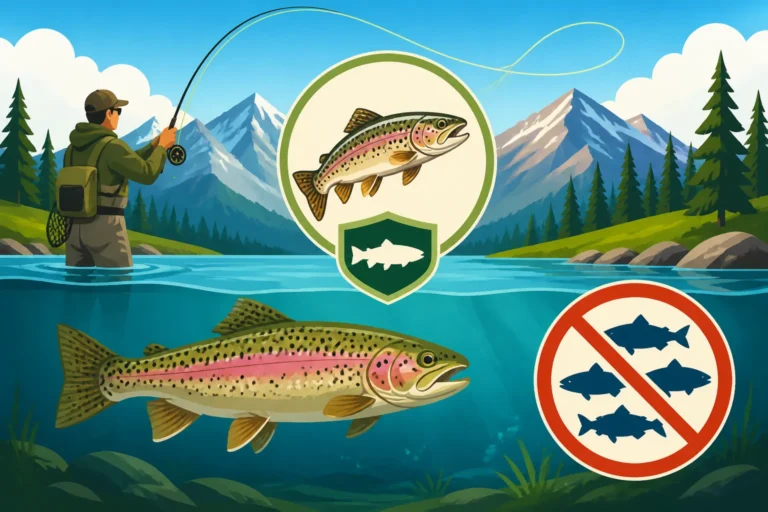
Game and Fish biologists meticulously assess water temperature, dissolved oxygen levels, water chemistry (pH, alkalinity), flow rates, and the type of substrate (rock, gravel, silt). They consider what other fish species are already present and what kind of forage is available. Introducing a species that outcompetes native fish for food, or preys on them without natural checks, could devastate an ecosystem. For example, What Fish Are Illegal to Keep in Wyoming often includes invasive species that have caused ecological problems in other regions. This ecological suitability isn't just about survival; it's about making sure the fish stocked can reproduce naturally if that's the goal, or at least survive long enough to provide a good recreational experience for anglers.
Balancing Native Species Conservation with Angler Demand
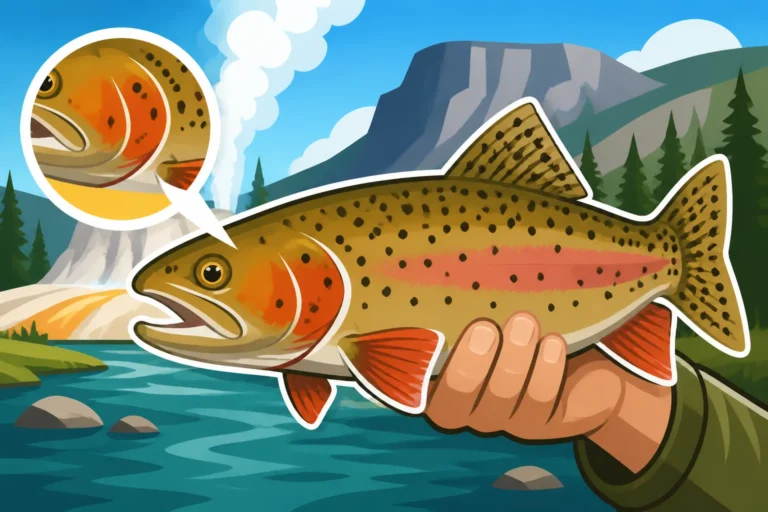
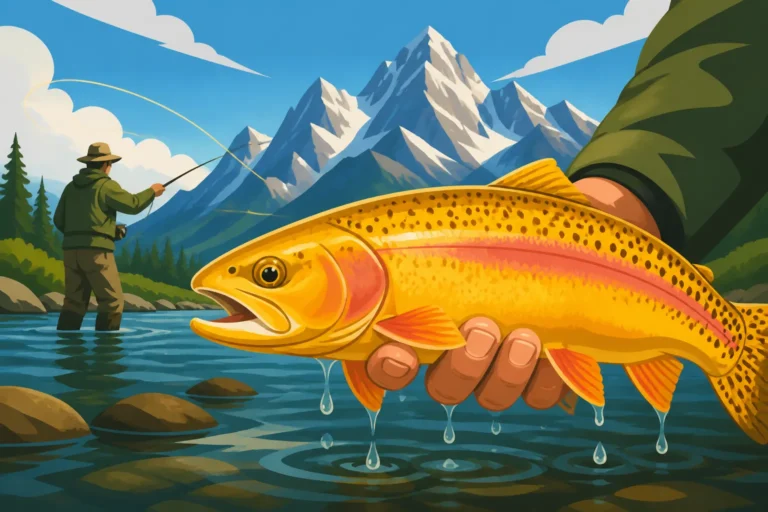
Wyoming boasts several incredible native fish species, none more iconic than the various subspecies of cutthroat trout, including the state fish, the Yellowstone cutthroat. A huge part of the WGFD's mission is to conserve and restore these native populations. This means stocking decisions often involve careful consideration of where native populations exist and how stocked fish might impact them. For instance, in areas where native cutthroat are struggling, stocking non-native rainbow trout might be avoided due to the risk of hybridization and competition. Understanding Cutthroat vs Rainbow Trout: Telling Them Apart is important for anglers as well as biologists.
However, the department also recognizes the immense recreational value of sport fishing. Anglers love catching rainbow trout, brown trout, walleye, and lake trout, many of which are introduced species that have found a happy home in Wyoming's waters. So, a significant part of the stocking strategy involves creating diverse fisheries that cater to different angler preferences while still protecting the precious native species. This balance means some waters are managed specifically for native fish recovery, while others are managed for high-volume recreational fishing, often with a mix of stocked and wild populations. It's about finding that sweet spot where everyone wins – healthy ecosystems and happy anglers.
Factors Influencing Species Selection for Specific Waters
Once the guiding principles are established, the next layer of complexity comes into play: the nitty-gritty details of each individual water body. Every lake, river, and reservoir in Wyoming has its own unique personality and set of conditions, all of which heavily influence what fish species will thrive there, or even survive.
Water Body Type and Characteristics
This is perhaps the most obvious factor, but it's incredibly important.
- Rivers and Streams: These are dynamic environments with varying flow rates, depths, and temperatures.
- Cold, clear mountain streams: Often ideal for native cutthroat, brook trout, and sometimes rainbow trout. Species like brown trout can also thrive, especially in larger river systems like parts of the North Platte or the Snake River. The presence of insect hatches and overhead cover are key considerations.
- Larger, slower rivers (tailwaters below dams): These often have more stable temperatures and rich invertebrate life, making them prime habitat for trophy brown and rainbow trout. Think about the famous What Makes Gray Reef Famous for Trout section of the North Platte, which benefits from consistent cold water from the bottom of a reservoir.
- Lakes and Reservoirs: These stillwater bodies offer different challenges and opportunities.
- High-alpine lakes: These are typically cold, clear, and can be relatively nutrient-poor, making them excellent candidates for golden trout, cutthroat, and brook trout. Access can be difficult, often requiring stocking by air. Knowing How to Fish Wyoming's High-Alpine Lakes is crucial.
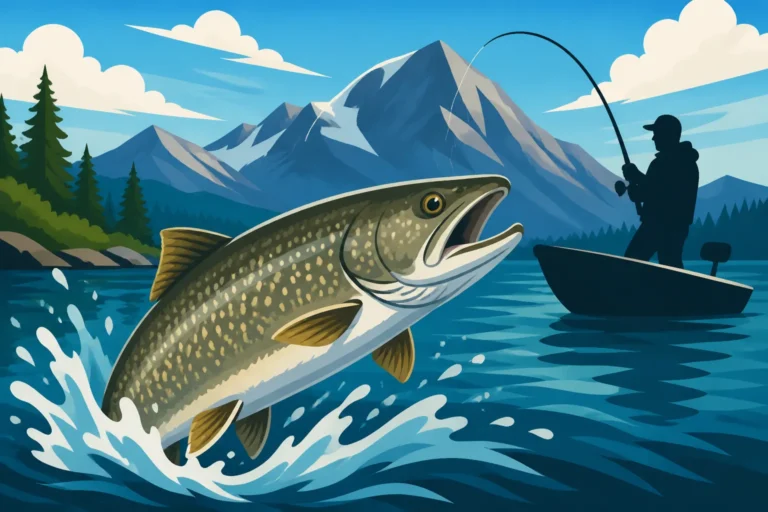
- Large, deep reservoirs (e.g., Flaming Gorge, Jackson Lake): These vast waters can support coldwater species like lake trout (Mackinaw) that need deep, oxygenated water. They also might hold kokanee salmon, rainbow trout, and even brown trout.
- Warmer, shallower reservoirs (e.g., Boysen, Glendo): These are often prime walleye habitat, as these fish prefer warmer, more turbid waters and rely on abundant forage fish like perch or suckers. Best Wyoming Reservoirs for Walleye are generally those with these characteristics. They might also support smallmouth bass or crappie.
- Small Ponds and Community Fisheries: These are often "put-and-take" fisheries, usually stocked with catchable-sized rainbow trout to provide easy access for families and beginners. The focus here is on immediate recreational success rather than long-term natural reproduction. These are often easy to find near towns.
Beyond the type of water, characteristics like depth, the presence of suitable spawning habitat, vegetation, and natural cover all play a role. A lake without good spawning grounds for a particular species might still be stocked, but often with sterile fish or at a "put-and-take" level, knowing that natural reproduction won't sustain the fishery.
Predation, Competition, and Food Sources
It’s not just about if a fish can survive; it's about if it can thrive in the presence of other species.
- Existing Predators: If a lake is already teeming with large predatory lake trout, stocking smaller, vulnerable fingerling cutthroat might just be feeding the resident population, not creating a new fishery. The WGFD must consider the food chain dynamics. In Yellowstone Lake, for instance, efforts are ongoing to reduce the non-native lake trout population because they prey heavily on the native Yellowstone cutthroat, a prime example of Why Lake Trout Are Considered a Problem in Yellowstone Lake.
- Competition for Resources: Introducing a new species that directly competes with an existing desirable population for the same limited food source can harm both. Biologists aim to fill ecological niches, rather than create overcrowding or resource wars.
- Food Availability: Fish need to eat! Stocking a large number of fish into a water body with insufficient forage (insects, smaller baitfish, crustaceans) is a recipe for stunted growth and poor fishing. The WGFD studies the abundance of invertebrate life and forage fish to ensure there's enough food to support the stocked populations. This means a lake rich in freshwater shrimp might get more trout, while one with abundant shiners might be a good fit for walleye. Sometimes, if a water body is too productive with undesirable species (like carp or suckers), stocking a predator like a tiger muskie can help control those populations, though this is a very specialized approach.
The Different Goals of Fish Stocking
Stocking isn't a one-size-fits-all solution; it's a tool used for a variety of management objectives. The Wyoming Game and Fish Department utilizes different stocking strategies depending on the specific goals for a particular fishery. Understanding these goals helps explain why certain fish end up in certain places.
Enhancing Recreational Fishing Opportunities
This is perhaps the most visible and widely appreciated goal of fish stocking. Many anglers, myself included, head out hoping for a good day of catching, and stocking helps make that a reality, especially in easily accessible areas.
- Put-and-Take Fisheries: Many smaller lakes and community ponds are stocked with "catchable-sized" rainbow trout. These fish are typically raised to a size where they can be immediately caught, providing instant gratification for anglers, particularly families and beginners. These fisheries often have high angler use and are designed to provide consistent action without relying on natural reproduction. Knowing Best Fishing Spots for Families Near Casper or other towns usually points to these types of stocked waters. These don't require the fish to survive for years; they just need to be there for the season.
- Supplementing Wild Populations: In some waters, natural reproduction might be present but not quite sufficient to support the desired level of fishing pressure. Here, stocking can supplement the wild population, boosting numbers without completely replacing the natural ecological processes. This often involves stocking smaller fingerlings, allowing them to grow naturally in the wild environment before they are caught. This is common in many of Wyoming's larger reservoirs and rivers, where a mix of wild and stocked trout can create a robust fishery.
- Creating Trophy Fisheries: In select waters, the goal might be to produce exceptionally large fish. This usually involves stocking species with high growth potential and ensuring ample forage. For example, some lake trout fisheries at Flaming Gorge Reservoir are managed with this goal in mind, hoping to grow fish that can reach truly massive sizes. These waters often have specific regulations, like size limits, to protect the larger fish and allow them to grow.
Restoring and Maintaining Native Populations
Conservation is a cornerstone of fisheries management in Wyoming. Stocking plays a critical role in bringing back or bolstering native fish species that have suffered due to habitat loss, competition from introduced species, or other environmental factors.
- Reintroduction Programs: In areas where native species like certain cutthroat subspecies have been extirpated (locally extinct), stocking can be used to reintroduce them. This is a meticulous process, often involving removing non-native fish, restoring habitat, and then carefully introducing genetically pure native stock. This work is happening in various parts of Wyoming to restore populations of Bonneville cutthroat trout or other localized native strains.
- Genetic Preservation: Sometimes, stocking isn't about numbers, but about genetics. Hatcheries might raise and stock native fish from specific genetic lineages to maintain diversity and prevent hybridization with non-native species. These "pure strain" fish are vital for the long-term health and resilience of the native populations.
- Habitat Restoration Support: Stocking often goes hand-in-hand with habitat restoration projects. Once stream banks are stabilized, water quality improved, or fish passage restored, stocking can accelerate the recovery of fish populations, giving them a head start in their improved environment.
Managing Invasive Species and Fisheries Imbalances
While stocking is usually about adding desirable fish, it can also be a tool to manage existing problems, particularly those caused by undesirable or invasive species.
- Biocontrol: In some rare instances, a predatory fish might be stocked to help control an overpopulation of an undesirable species. For example, tiger muskie (a sterile hybrid) might be introduced into a lake with an abundance of stunted perch or carp to help reduce their numbers, thereby freeing up resources for other desired sport fish. This is a delicate balance, as any introduced predator has the potential for unintended consequences.
- Correcting Imbalances: If a fishery becomes unbalanced, perhaps due to an overabundance of one species leading to stunted growth, stocking can sometimes introduce a new dynamic. For instance, if a lake has too many small, stunted trout, stocking a predatory species (if ecologically appropriate) or introducing a different forage species could help create a healthier, more balanced system. This is often part of a broader management plan that might include special regulations or habitat improvements.
The Process: From Hatchery to Hook
So, how does all this decision-making actually translate into fish in the water? It's a continuous, cyclical process involving science, hard work, and constant evaluation. The journey from a tiny egg in a hatchery to a fish on an angler's line is a fascinating one, all orchestrated by the dedicated folks at the Wyoming Game and Fish Department.
The Role of Wyoming's Hatcheries
Wyoming operates a network of fish hatcheries across the state, which are the unsung heroes of many of our fishing opportunities. These facilities are where the vast majority of stocked fish begin their lives.
- Raising Fish for Stocking: Hatcheries are responsible for spawning adult fish, incubating eggs, and raising fry and fingerlings (young fish) to various sizes, from tiny, just-hatched fish to larger, catchable-sized trout. The species raised depend on the stocking needs determined by fisheries biologists. This could include rainbow trout, brown trout, various cutthroat subspecies, kokanee salmon, and sometimes even walleye or other warm water species.
- Disease Prevention and Biosecurity: Hatcheries maintain strict biosecurity protocols to prevent the spread of diseases. Before any fish leave a hatchery, they undergo health inspections to ensure they are free of pathogens that could harm wild populations. This is absolutely critical; introducing a diseased fish could decimate an entire wild fishery.
- Genetic Management: Hatcheries also play a role in genetic management, especially for native species. They might raise fish from specific wild populations to maintain genetic diversity or to provide genetically pure stock for restoration efforts. For example, the Daniel Fish Hatchery is deeply involved in raising genetically pure strains of Snake River cutthroat trout for stocking into suitable waters.
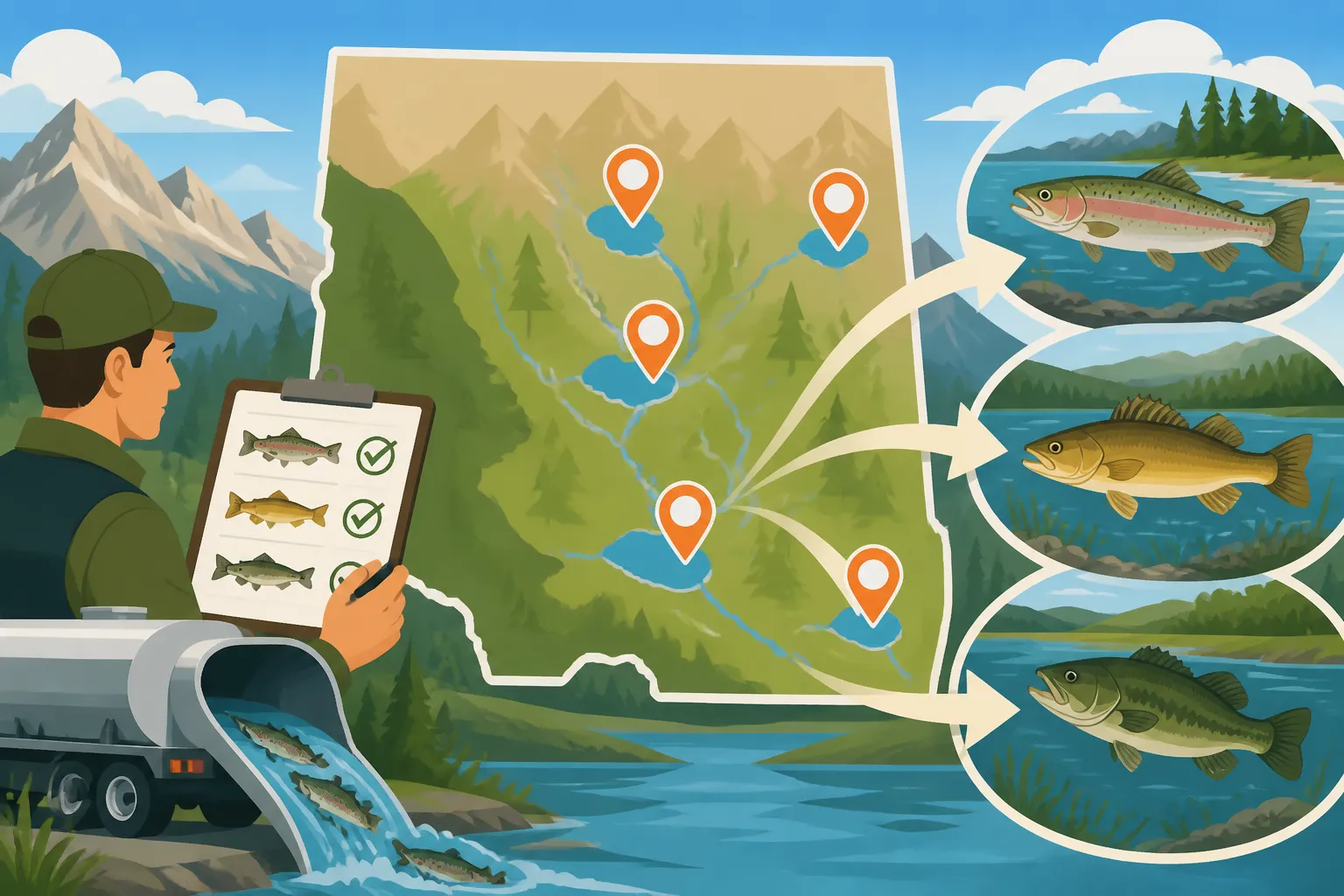
- Distribution: Once the fish reach the appropriate size and health, they are loaded into specialized trucks equipped with aerated tanks and transported to their designated stocking locations. This can involve driving to remote lakes, accessing rivers at specific points, or even air-dropping fish into high-alpine lakes from planes or helicopters, as highlighted in the process of reaching How to Reach the Helicopter-Stocked Lakes Near Dubois. The timing of stocking is also crucial, often planned to coincide with optimal water temperatures and conditions for the fish's survival.
Monitoring, Evaluation, and Adaptation
The work doesn't stop once the fish are released. The WGFD continually monitors the success of its stocking programs.
- Post-Stocking Surveys: Biologists conduct electrofishing surveys, netting, and creel surveys (interviewing anglers about their catch) to assess how well the stocked fish are surviving, growing, and contributing to the fishery. They're looking for things like catch rates, fish health, and signs of natural reproduction.
- Angler Feedback: Anglers themselves are a valuable source of information. Reports from the fishing community about what they're catching (or not catching) help inform management decisions. Many anglers will head to sources like Amazon to pick up new gear or regional fishing guides based on what fish are biting where.
- Adapting Strategies: Based on this ongoing monitoring and feedback, the stocking plans are constantly evaluated and adapted. If a particular stocking effort isn't yielding the desired results, the WGFD might change the species, the size of fish stocked, the number of fish, or even the timing and location of the release. For example, if a specific strain of trout is not doing well in a particular lake, they might try a different strain that is more resilient to local conditions. If a lake shows signs of sufficient natural reproduction, stocking might be reduced or ceased entirely to allow the wild population to thrive on its own.
- Responding to Environmental Changes: Wyoming's environment is dynamic. Droughts, floods, and changes in water temperature can all impact fisheries. The WGFD must be flexible and adapt its stocking plans to respond to these environmental changes, sometimes even implementing How Wyoming Game and Fish Announces Emergency Closures in extreme situations.
This constant cycle of planning, stocking, monitoring, and adapting ensures that Wyoming's fisheries remain healthy, vibrant, and continue to provide world-class fishing experiences for generations to come. It’s a testament to the blend of scientific rigor and practical experience that guides fisheries management in the Cowboy State.
| Factor | Consideration for Stocking | Example Species |
|---|---|---|
| Water Temperature | Cold (under 65°F) vs. Warm (over 65°F) | Trout (cold), Walleye (warm) |
| Dissolved Oxygen | High oxygen preferred for most game fish | Trout require high levels, some tolerant of less |
| Water Body Type | River, Stream, High-Alpine Lake, Reservoir, Pond | Cutthroat (streams/alpine), Lake Trout (deep reservoirs) |
| Forage Availability | Plankton, Insects, Small Baitfish, Crayfish | Walleye (baitfish), Trout (insects, small fish) |
| Spawning Habitat | Gravel beds, clean flowing water, or no natural spawning expected | Native Trout (requires good gravel), Rainbow (often hatchery-reliant) |
| Existing Fish Species | Predation risk, competition for food, risk of hybridization | Avoid stocking Rainbows with pure Cutthroat |
| Angler Access | Easy access for "put-and-take" vs. remote trophy fishery | Catchable Rainbows (ponds), Golden Trout (alpine lakes) |
| Management Goal | Native restoration, recreational "put-and-take," trophy fishery | Yellowstone Cutthroat (restoration), Walleye (sport) |
| Disease Status | Must be disease-free before stocking to protect wild populations | All hatchery fish are health-certified |
Disclaimer
This article is for general informational purposes only and does not constitute professional advice. Laws, prices and regulations vary by location and change over time. Consult a qualified professional for guidance on your specific situation.