What a Guided Wyoming Fishing Trip Costs
Planning a guided fishing trip in Wyoming sounds like a dream, doesn't it? Picture yourself on a pristine river, casting to hungry trout with a knowledgeable expert by your side, or perhaps trolling a vast reservoir for a trophy lake trout. But before you can fully immerse yourself in that vision, a big question often pops up: "What's this going to cost me?" It's a completely fair concern, and one that can feel a bit opaque when you're first looking into options. This guide aims to shed some light on the various factors that influence the price of a guided fishing trip in the Cowboy State, helping you budget wisely and find the perfect experience without any unpleasant surprises.
Understanding the Factors That Influence Trip Costs
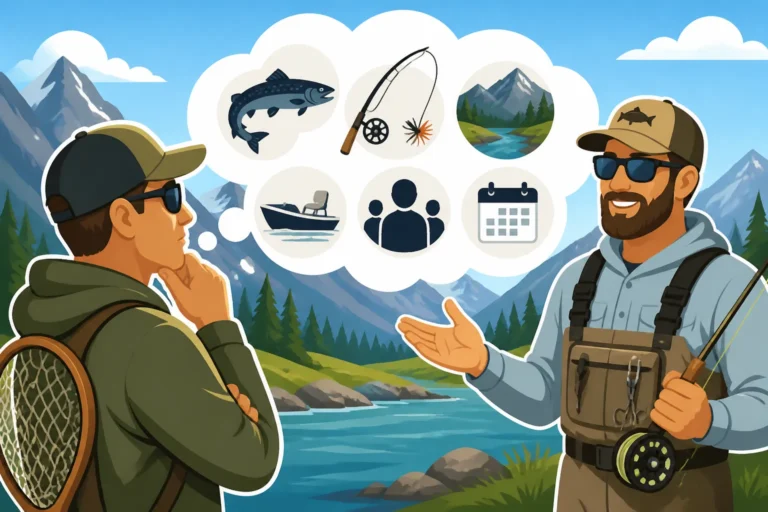
The price tag on a guided fishing trip isn't just pulled out of thin air; it's a complex equation based on several key variables. Think of it like booking a vacation – the destination, duration, and level of luxury all play a part. Similarly, with fishing guides, everything from how long you're out on the water to the specific type of fishing you're doing, and even the guide's reputation, can swing the cost considerably. It's not about being cheap, but about understanding where your money is going and what kind of value you're receiving for your investment in a memorable outdoor adventure.
Trip Duration: Half-Day vs. Full-Day Adventures
One of the most immediate factors affecting cost is the length of your trip. Most outfitters offer a choice between half-day and full-day excursions. A half-day trip typically runs for about four to five hours, perfect if you're looking for a taste of guided fishing, have other activities planned, or are introducing kids to the sport. These shorter trips are naturally going to be less expensive than their full-day counterparts because they involve less time and resources from the guide and outfitter. They're a fantastic entry point for many anglers.
On the other hand, a full-day trip generally spans anywhere from eight to ten hours, sometimes even more depending on travel time to remote locations or the intensity of the fishing. These longer trips allow for deeper exploration of a river or lake, more time to hone your skills with the guide, and often include lunch and beverages. While the upfront cost is higher, you're getting significantly more time on the water and a much more comprehensive fishing experience. It's often where the real magic happens, as fish patterns can change throughout the day, and a full day allows you to adapt. For those truly looking to immerse themselves, a full-day trip often provides the best value per hour.
Type of Fishing: Fly Fishing vs. Spin/Bait Fishing
The method of fishing can also influence the cost, primarily due to the specialized equipment and expertise involved. Fly fishing, especially on Wyoming's renowned trout streams, often requires a guide with highly specific knowledge of entomology, casting techniques, and reading complex water. The gear itself – quality fly rods, reels, lines, and an extensive array of flies – can be more costly for the outfitter to maintain and replace. Therefore, guided fly fishing trips, particularly those on premier rivers like the North Platte or Snake River, can sometimes carry a slightly higher price point.
Spin fishing or bait fishing, while still incredibly effective and popular, might sometimes be offered at a slightly different price, especially on larger reservoirs targeting species like walleye or lake trout. This isn't universally true, as boat usage and specialized electronics for finding deep-water fish can balance the cost. However, the perception and reality of fly fishing as a highly skilled pursuit often mean that guides specializing in it command a certain rate. When researching your trip, always clarify what kind of fishing you're interested in, as some guides specialize in one over the other, or offer a blend. This will help you find the right match for your expectations and your budget.
Guide Experience and Reputation: Newer vs. Veteran Guides
Just like in any profession, experience and reputation play a significant role in pricing. A guide who has been working the waters of Wyoming for decades, has a proven track record of finding fish, and perhaps has a strong local following or specific expertise in a challenging fishery, will likely command a higher rate. These veteran guides have spent countless hours learning the nuances of various rivers and lakes, understanding seasonal patterns, and perfecting their client interaction skills. Their knowledge isn't just about fish; it's about safety, conservation, and making your day genuinely unforgettable.
Conversely, newer guides or those still building their client base might offer slightly more accessible rates. This doesn't mean they're not skilled, but they might be working to establish their reputation. If you're on a tighter budget, exploring options with up-and-coming guides can be a great way to save a bit without sacrificing the experience, as many are incredibly passionate and eager to prove themselves. When you're looking for guides, whether through a local outfitter's website or platforms like FishingBooker, pay attention to their bios and reviews. While a veteran guide might be pricier, the peace of mind and the depth of experience they bring can often be well worth the investment, especially if you're targeting a specific species or fishing a challenging location.
Types of Guided Fishing Trips and Their Cost Implications
Wyoming offers an incredible variety of fishing experiences, and just as the waters themselves differ, so do the formats of guided trips available. The specific type of outing you choose—whether you're wading, floating in a drift boat, or heading into the backcountry—will have a direct impact on the overall cost. Each format comes with its own set of logistical considerations, equipment needs, and guide expertise, all of which contribute to the final price. Understanding these differences can help you pick the adventure that best suits both your fishing aspirations and your wallet.
Wade Trips: Generally Less Expensive
Wade trips are often the most budget-friendly option for guided fishing in Wyoming. As the name suggests, these trips involve you and your guide walking the banks and wading into a river or stream. Because they don't require a drift boat, raft, or motorboat, the logistical overhead for the guide is significantly lower. There's no trailer to haul, no boat to maintain, and no fuel costs associated with motoring around. This directly translates to savings for the angler.
These trips are fantastic for getting intimate with a river. Your guide can point out subtle currents, teach you how to read the water up close, and help you improve your casting in various situations. They are particularly popular for fly fishing on smaller streams or specific sections of larger rivers where boat access isn't necessary or even permitted. While a wade trip might seem less "glamorous" than a float, the focused attention and the chance to truly explore a stretch of water on foot offer an incredibly rewarding and often more educational experience. They're a prime choice for anglers who want a hands-on learning opportunity without the higher price tag of a watercraft-based trip.
Float Trips: More Equipment, Usually Higher Cost
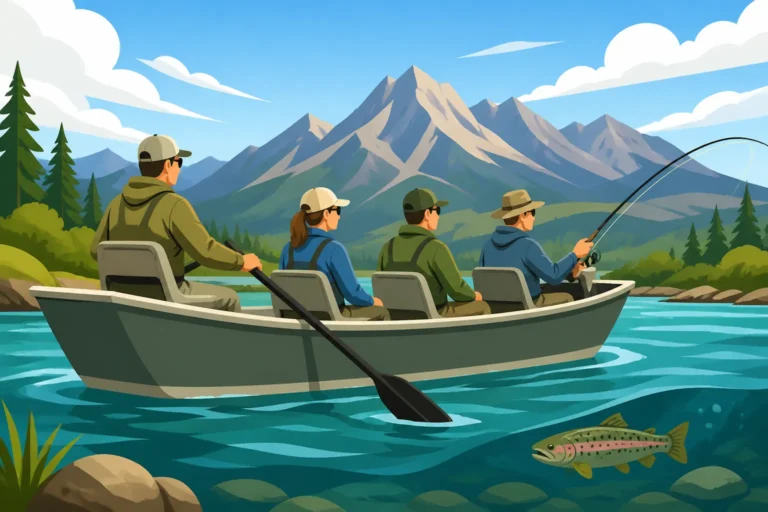
Float trips are perhaps the quintessential Wyoming guided fishing experience, especially on the larger, iconic rivers like the Snake, the Green, or the North Platte. These trips involve you and your guide drifting down a river in a specialized boat – typically a drift boat for fly fishing or sometimes a raft. The guide maneuvers the boat with oars, positioning you perfectly for casts and helping you cover miles of prime fishing water that would be inaccessible on foot. As you can imagine, this luxury comes with a higher cost.
The reasons for the increased expense are clear: the cost of purchasing, maintaining, insuring, and fueling a drift boat or raft is substantial. Plus, transporting the boat to and from the river requires a truck and trailer, adding to the guide's operational costs. However, the advantages are immense. Float trips allow you to cover vast amounts of water, experience diverse river sections, and often offer more comfortable fishing positions, especially for those who prefer not to wade extensively. They're also fantastic for covering ground and increasing your chances of finding actively feeding fish. When comparing float trip prices, consider what's included, such as Half-Day vs Full-Day Float Trips on Wyoming's Snake River to understand the options for duration and amenities.
Specialized Trips: Backcountry, Ice Fishing, Specific Species
Beyond the standard wade and float trips, Wyoming offers a range of specialized guided experiences, and these often come with their own unique cost structures.
-
Backcountry Trips: Imagine hiking or horseback riding into Wyoming's high-alpine lakes in the Wind River Range, chasing golden trout or cutthroat trout in pristine, untouched waters. These multi-day adventures involve significant logistical planning, pack animals, specialized camping gear, and guides with expert knowledge of wilderness navigation and survival. Naturally, the costs for such an immersive, multi-day experience are considerably higher than a single-day trip. However, the reward is an unparalleled connection to nature and truly wild fishing. If you're looking for something truly unique, these trips are an experience of a lifetime.
-
Ice Fishing: When winter blankets Wyoming in snow, a different kind of guided trip emerges. Ice fishing guides provide specialized equipment like ice augers, portable shelters, heaters, sonar units, and various ice-specific rods and baits. The guide's expertise here isn't just about finding fish, but also about safety on the ice and understanding winter fish behavior. These trips are typically more expensive than summer wade trips due to the gear and the expertise required to ensure a safe and productive day in extreme conditions. Many outfitters offer Guided Ice Fishing Trips in Wyoming, giving you a chance to chase walleye, lake trout, or perch through the hard water.
-
Targeting Specific Species or Techniques: Some guides specialize in particular fish or methods. For example, a guide renowned for putting clients on trophy lake trout at Flaming Gorge might use sophisticated electronics, downriggers, and custom-tuned trolling gear, warranting a higher fee. Similarly, a guide focused purely on advanced dry-fly techniques for picky brown trout on a specific technical river might charge based on their unique skill set and success rate. These highly specialized trips are for anglers with particular goals and are often willing to pay a premium for a guide who can deliver that specific experience.
Regional Cost Differences Across Wyoming
Wyoming is a vast state, and the cost of a guided fishing trip can vary significantly depending on where you choose to wet a line. Just like real estate, location is a huge factor in pricing, driven by demand, accessibility, and the overall cost of doing business in a particular area. Understanding these regional differences is crucial when you're trying to figure out what a guided Wyoming fishing trip costs, allowing you to align your expectations with your budget and chosen destination.
High-Demand Areas (e.g., Jackson Hole): Premium Pricing
When it comes to premium pricing, the Jackson Hole area – encompassing Jackson, Wilson, and Teton Village, along with access to the Snake River and parts of Grand Teton National Park – sits at the top. This region is a world-renowned destination for outdoor recreation, attracting tourists from across the globe who are often willing to pay a premium for experiences in such a stunning natural setting. The demand for quality fishing guides here is incredibly high, especially during peak summer months and the prime fall brown trout run.
The cost of living and operating a business in Jackson Hole is also significantly higher than in other parts of Wyoming. Guides and outfitters face steeper expenses for everything from housing and vehicle maintenance to permits and insurance. This increased overhead, coupled with high demand for expert services, naturally translates to higher prices for guided fishing trips in the area. Expect to pay more for a float trip on the Snake River here compared to a similar trip elsewhere in the state. However, the scenery and the quality of the fishing, often for the unique Snake River fine-spotted cutthroat, are unparalleled, making it a bucket-list destination for many anglers.
Front Range and Central Wyoming: Often More Accessible Pricing
Moving away from the tourism hub of Jackson Hole, you'll generally find more accessible pricing for guided fishing trips in regions like the Front Range (near Laramie and Cheyenne) and Central Wyoming (around Casper, Lander, and Riverton). These areas boast incredible fisheries, particularly the blue-ribbon sections of the North Platte River (like Gray Reef and the Miracle Mile) and the vast reservoirs such as Boysen and Pathfinder. While these waters are incredibly popular and guides are in high demand, the overall operational costs for outfitters tend to be lower than in Jackson Hole.
The slightly lower cost of living and doing business in these regions allows guides to offer competitive rates without sacrificing quality. You'll still find highly experienced and professional guides, but your dollar might stretch a bit further. For example, a full-day float trip on the North Platte River might be more affordable than a comparable trip on the Snake River in Jackson Hole, even though both offer world-class trout fishing. These areas are excellent choices for anglers seeking top-tier guided experiences with a potentially more favorable price point. You can often find a great selection of guides for these areas on platforms like FishingBooker, making it easier to compare options.
Remote or Less-Trafficked Regions: Can Vary
Then there are the more remote or less-trafficked regions of Wyoming, such as the Bighorn Basin, parts of the Wind River Range's eastern slopes, or the vast landscapes of southwestern Wyoming near Flaming Gorge. Pricing in these areas can vary widely. On one hand, the lower demand and operating costs might lead to more affordable rates, particularly for wade trips on lesser-known streams or smaller reservoirs. Guides here might be sole proprietors or part of smaller operations, keeping overhead low.
On the other hand, some trips in these remote areas, particularly those requiring significant travel, specialized equipment for accessing tough-to-reach spots, or multi-day backcountry excursions, could actually be quite expensive. The "remoteness factor" itself can add to the cost if it means extra logistics for the guide, longer driving distances, or specialized permits. For instance, a guided trip into a high-alpine lake that requires a long drive and a substantial hike with gear might be priced higher due to the effort involved. It's always best to inquire directly with outfitters in these specific regions to get a clear understanding of their pricing structure.
What's Typically Included (and Not Included) in a Guided Trip
When you're looking at what a guided Wyoming fishing trip costs, it's not just the sticker price that matters. Understanding what's actually included in that price, and perhaps more importantly, what isn't, is vital for managing your expectations and avoiding unexpected expenses. Reputable guides and outfitters are usually very clear about their inclusions, but it always pays to ask questions and confirm details before you book. This way, you can pack appropriately and budget accurately for a smooth and enjoyable experience on the water.
Standard Inclusions: Gear, Flies/Bait, Sometimes Lunch
Most guided fishing trips in Wyoming come with a set of standard inclusions designed to make your day on the water as hassle-free as possible. This typically includes:
- Rods, Reels, and Terminal Tackle: Your guide will almost certainly provide appropriate rods and reels for the target species and fishing method. For fly fishing, this means a range of fly rods and reels, and for spin fishing, suitable spinning or casting setups. They'll also supply all the necessary terminal tackle – leaders, tippets, weights, indicators, and a selection of flies, lures, or bait. This is a huge convenience, as you don't have to worry about bringing your own gear or trying to match the hatch with local flies.
- Expert Instruction: This is, of course, the core of a guided trip. Your guide will offer casting lessons, advice on reading water, instruction on presentation, and insights into fish behavior. Whether you're a beginner or an experienced angler looking to refine your skills, the guide's knowledge is invaluable.
- Transportation (on the water): For float trips, the boat and its operation are included. For wade trips, the guide will often drive you to the best access points.
- Food and Beverages: Many full-day trips, especially float trips, include a delicious streamside lunch and a cooler stocked with non-alcoholic beverages. For half-day trips, it's more common to just have drinks or maybe a snack. Always confirm if meals are part of the package, as this can be a significant bonus.
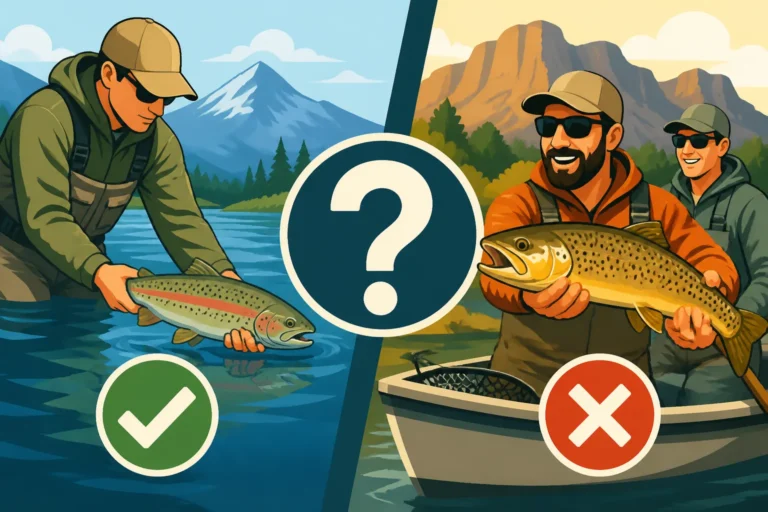
It's worth noting that guides are typically passionate about conservation, and will often emphasize Catch-and-Release Rules on Wyoming Waters for certain species or in specific areas, providing best practices for handling fish gently.
Common Exclusions: Licenses, Conservation Stamps, Gratuity
While guides provide a great deal, there are almost always a few essential items that are not included in the trip price, and you're responsible for purchasing them yourself. These are often regulatory requirements or customary practices in the guiding industry.
- Wyoming Fishing License: Every angler over a certain age needs a valid Wyoming fishing license. This is a non-negotiable requirement. Your guide cannot purchase this for you, and you absolutely must have it before you step foot on the water. The cost varies for residents versus nonresidents and depends on whether you opt for an annual, daily, or multi-day license. You'll definitely want to check out the Wyoming Fishing License Guide for Nonresidents if you're visiting from out of state, or Where and How to Buy a Wyoming Fishing License if you're unsure of the process.
- Wyoming Conservation Stamp: In addition to your fishing license, most anglers in Wyoming also need a conservation stamp. This stamp helps fund crucial wildlife management and conservation efforts across the state. Again, this is your responsibility to purchase. The cost is separate from your license. Familiarize yourself with The Wyoming Conservation Stamp and What It Covers to understand why it's required.
- Gratuity for Your Guide: Tipping your fishing guide is standard practice and highly appreciated. It's not typically included in the upfront trip price. Guides work incredibly hard, often putting in long, physically demanding days, not just on the water but also in preparation and cleanup. A good rule of thumb is to budget a percentage of the trip cost for gratuity, assuming your guide provided excellent service. You can learn more about Tipping Etiquette for Wyoming Fishing Guides to ensure you're prepared.
Optional Add-ons: Waders, Special Equipment
Sometimes, there are additional items you might need or want that are not standard inclusions but can be rented or arranged through your outfitter for an extra fee.
- Waders and Wading Boots: For wade trips, or even just getting in and out of a drift boat, waders and wading boots are often essential, especially in cooler weather or colder rivers. While some outfitters might include them, many offer them as a rental for an additional charge. If you don't own your own, it's much easier to rent locally than to travel with bulky waders. Always ask if they are provided or available for rent.
- Specialty Gear: For very specific types of fishing, like big game hunting for lake trout on deep reservoirs, there might be specialized equipment such as downriggers or specific sonar units that are part of the guide's standard boat setup, but if you have unique requests, clarify if there are any associated costs.
- Flies, Lures, or Bait beyond a certain quantity: While guides provide plenty of tackle for a normal day, if you lose an extraordinary amount of flies or lures, or require a specific type of expensive bait, there might be an understanding that excessive usage could incur an additional charge. This is rare but good to clarify if you're a notoriously "heavy" caster!
- Photography Services: Some guides or outfitters might offer professional photography packages to capture your day, which would be an additional cost.
By understanding these inclusions and exclusions, you can accurately calculate the total cost of your Wyoming guided fishing trip and ensure you have everything you need for a fantastic day on the water.
Navigating Additional Expenses and Hidden Costs
Beyond the base price of the guided trip itself, there are several other expenses that anglers often overlook, which can add up surprisingly quickly. These aren't necessarily "hidden" in a deceptive way, but they're not always front-and-center when you're comparing guide rates. Being aware of these additional costs beforehand will help you build a more realistic budget for your entire Wyoming fishing adventure, preventing any unwelcome surprises once you're on the ground. Think of it as accounting for all the small pieces that complete the big picture of your trip.
Licenses and Permits: Mandatory Purchases
We've touched on these already, but they bear repeating as they are absolutely mandatory and often forgotten when focusing solely on the guide's fee.
- Wyoming State Fishing License: This is the most critical item. Whether you're a resident or a nonresident, you need one. The cost varies significantly. A nonresident, for example, will pay more than a resident, and an annual license will cost more than a single-day or five-day option. Planning the duration of your trip and understanding the different options like Wyoming's Annual, Daily and Five-Day License Options is essential here. You can typically purchase these online through the Wyoming Game and Fish Department website, at authorized vendors (like many sporting goods stores), or sometimes at the outfitter's shop.
- Wyoming Conservation Stamp: For most adult anglers, this stamp is required in addition to your fishing license. It's a relatively small fee but an important one for supporting wildlife. Make sure to check Who Needs Wyoming's Conservation Stamp to see if it applies to you.
- National Park Permits: If your guided trip takes you into a national park, such as Grand Teton National Park or Yellowstone National Park, there might be additional park-specific fishing permits required, on top of your state license. For instance, Yellowstone National Park has its own fishing regulations and permits that supersede state law within park boundaries. These aren't typically handled by your Wyoming guide; you'd purchase them directly from the park service. Always confirm with your guide if your trip location requires any special park permits.
Failing to have the correct licenses and stamps can lead to hefty fines, so take care of these purchases well in advance of your trip.
Gratuity for Your Guide: Standard Practice
Tipping your guide is a deeply ingrained custom in the fishing industry, much like tipping service staff in restaurants. It's a way to show appreciation for their hard work, expertise, and dedication to making your trip successful and enjoyable. Many anglers consider it a significant part of the total trip cost, and it should definitely be factored into your budget.
As mentioned before, a common guideline is to tip a percentage of the trip's total cost. This varies, but often falls in the 15-25% range, depending on the level of service and how satisfied you were with the experience. If your guide went above and beyond, battled challenging weather, worked tirelessly to find fish, and provided excellent instruction and company, a more generous tip is appropriate and well-deserved. Always bring cash for tips, as it's the easiest and most direct way to show your gratitude at the end of the day. Guides rely on these tips as a significant part of their income, so budgeting for it is not just good manners, it's supporting their livelihood.
Travel and Accommodation: Don't Forget These Big Ones
While not directly part of the guided trip fee, travel and accommodation costs are often the largest "hidden" expenses of any fishing vacation in Wyoming. It's easy to get caught up in comparing guide rates and forget about how much it costs just to get to Wyoming and stay there.
- Transportation to Wyoming: This includes flights, car rentals, or fuel costs if you're driving. If you're flying into a major airport like Jackson Hole (JAC), Bozeman (BZN), or Salt Lake City (SLC) and then driving to your fishing destination, factor in the cost of airfare and a rental vehicle. Keep in mind that rental cars, especially SUVs or trucks, can be expensive, particularly during peak seasons.
- Local Transportation: Once you're in Wyoming, you'll need a way to get to your lodging and meet your guide. Unless you're staying at a lodge that provides transport, a rental car is usually necessary, especially for accessing various fishing spots or exploring local towns.
- Accommodation: Lodging options in Wyoming range from rustic campgrounds to luxurious resorts. The price will vary dramatically based on your preference and the location. High-demand areas like Jackson Hole or Grand Teton National Park will have significantly higher accommodation costs compared to towns like Casper or Pinedale. Booking well in advance, especially for peak seasons, is always a good idea to secure better rates and availability.
- Food and Drink (outside of included meals): Even if your guided trip includes lunch, you'll still need to budget for breakfast, dinner, and any other snacks or drinks you consume during your stay. Dining options range from casual diners to upscale restaurants, again with prices varying by location.
- Personal Gear: While guides typically provide fishing equipment, you'll still need appropriate clothing, rain gear, sunglasses, sunscreen, a hat, and potentially your own waders if they aren't provided or rented. While these might be items you already own, if you need to purchase new gear, add that to your overall trip budget. Consider looking up What to Bring on a Guided Wyoming Fishing Trip to make sure you're fully prepared.
By meticulously planning for these additional expenses, you'll have a much clearer picture of the total financial commitment for your guided Wyoming fishing adventure.
Maximizing Value and Saving Money on Your Guided Trip
A guided fishing trip in Wyoming is an investment in an unforgettable experience, but that doesn't mean you can't be smart about how you spend your money. There are definitely strategies you can employ to maximize the value you get for your dollar or even find opportunities to save a bit without compromising on the quality of your adventure. It's all about thoughtful planning, flexible timing, and sometimes, understanding the dynamics of group bookings.
Off-Season and Mid-Week Booking: Strategic Timing
One of the most effective ways to save money and often enhance your experience is to be flexible with your timing. Wyoming's peak fishing season typically runs from late spring through early fall, with specific "hot" windows for certain species or hatches. During these periods, demand for guides is at its highest, and so are the prices.
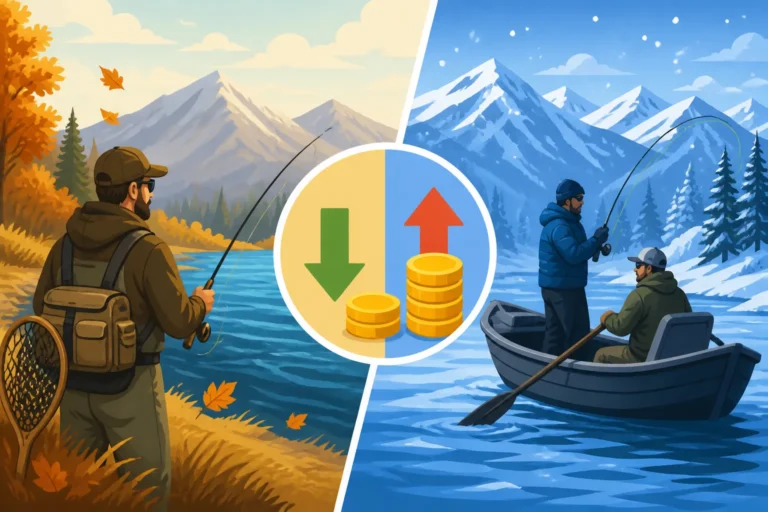
- Off-Season: Consider booking a trip during the "shoulder" seasons, such as early spring (before runoff fully hits or right after ice-out on lakes) or late fall (after the main summer rush but before winter ice). While the weather can be more unpredictable, these times often offer incredible fishing opportunities, fewer crowds, and potentially lower guide rates. For instance, some of the best brown trout fishing can be found in October and November. Similarly, if you're interested in Guided Ice Fishing Trips in Wyoming, winter rates might differ.
- Mid-Week: If you can avoid booking on weekends, you might find more availability and occasionally better rates. Weekend spots are almost always the first to fill up and are in highest demand. A Tuesday or Wednesday trip can sometimes be a more relaxed and cost-effective option. Less crowded rivers or lakes can also lead to a more peaceful and productive day, enhancing the overall value.
Group vs. Solo Rates: Sharing the Cost
The cost structure for guided trips often favors groups. Many guides charge a flat rate per boat or trip, up to a certain number of anglers (usually two or three). This means that if you go solo, you're paying the full boat rate yourself.
- Bring a Friend or Two: If you can split the cost with one or two other anglers, the per-person price drops significantly. This makes a guided trip much more affordable for everyone involved. For example, if a full-day float trip costs a certain amount for two anglers, splitting that cost makes it half as much per person. You can often find details about the maximum group size and associated costs by checking information like How Many People Fit in a Guide's Drift Boat from specific outfitters.
- Family Trips: Guided trips can be a fantastic way to introduce family members to fishing, and bringing kids often means you're already booking for a small group, which can optimize the per-person cost. Make sure to discuss age appropriateness with your outfitter, especially for younger anglers.
Bringing Your Own Gear: Minor Savings
While most guides provide all the necessary fishing gear, bringing some of your own equipment can sometimes result in minor savings or simply make you feel more comfortable.
- Waders and Boots: If you own a good pair of waders and wading boots, bringing them will save you the rental fee. This can be particularly appealing if you have specialized gear that fits you perfectly. However, if you don't own them or don't want the hassle of traveling with them, renting from the outfitter is a convenient option.
- Personal Rods and Reels: While your guide will have excellent gear, if you have a favorite fly rod or spinning setup you're comfortable with, ask if you can bring and use it. Some anglers prefer the familiarity of their own equipment. While this usually won't reduce the trip's cost, it enhances your personal enjoyment and sense of readiness.
- Flies and Lures: While your guide will provide flies and lures, many avid anglers enjoy tying or collecting their own. You can certainly bring your own box of flies or selection of lures. Again, this typically won't reduce the trip cost, but it can be satisfying to catch fish on your own offerings.
It's always a good idea to chat with your guide or outfitter beforehand about What to Bring on a Guided Wyoming Fishing Trip and what they provide, so you can make informed decisions about what to pack and what to leave at home. By implementing these strategies, you can make your Wyoming guided fishing trip both an incredible experience and a financially manageable one.
Booking Your Guided Trip: What to Know About Deposits and Cancellations
So, you've done your research, decided on the type of trip, and perhaps even narrowed down a few potential guides. The next step is to actually book your adventure! But before you hand over your credit card details, it's crucial to understand the financial commitments involved, particularly regarding deposits and cancellation policies. These policies protect both you and the outfitter, ensuring that expectations are clear and unforeseen circumstances don't lead to unnecessary financial strain or disappointment. Knowing the ins and outs of booking will help you finalize your plans with confidence.
Deposit Requirements: What to Expect
Almost all reputable fishing guides and outfitters in Wyoming will require a deposit to secure your booking. This is standard practice in the industry and serves several important purposes:
- Securing Your Date: A deposit reserves your specific date(s) on the guide's calendar. Good guides are often booked months, sometimes even a year, in advance, especially during peak season. The deposit ensures that date is held exclusively for you.
- Protecting the Guide: It compensates the guide for their time and the potential loss of other bookings if you cancel last minute. Guiding is a seasonal business, and every booked day is critical to their livelihood.
- Typical Deposit Amounts: Deposits can vary but often range from a fixed fee to a percentage of the total trip cost (e.g., 25-50%). Sometimes, especially for single-day trips booked far in advance, the full payment might be requested up front.
- Payment Methods: Deposits are usually paid via credit card online, over the phone, or sometimes through platforms like FishingBooker. Always ensure you receive a confirmation of your booking and deposit.
Make sure to clarify the exact deposit amount and when the remaining balance is due. Some outfitters require the full balance weeks or even months before the trip, while others collect it on the day of your trip.
Cancellation Policies: Understanding the Fine Print
Cancellation policies are perhaps the most important detail to review before booking. Life happens, and sometimes plans change. Understanding what happens if you need to cancel or reschedule is crucial.
- Varying Policies: Cancellation policies are unique to each outfitter. There's no one-size-fits-all rule in Wyoming. You might find some with very strict non-refundable deposit policies, especially for trips booked during high season, while others might offer more flexibility.
- Timeframes: Most policies operate on a tiered system based on how far in advance you cancel. For example:
- 30-60+ Days Notice: Often results in a full refund of your deposit, or sometimes the deposit is held as a credit for a future trip.
- 14-29 Days Notice: You might forfeit your deposit, or a percentage of it.
- Less Than 14 Days Notice: You could be responsible for the full trip cost, especially if the guide cannot rebook that date. This is because it's very difficult for guides to fill a last-minute cancellation.
- Guide-Initiated Cancellations (Weather, Unforeseen Circumstances): What happens if the guide has to cancel due to unsafe weather conditions (like lightning storms or dangerously high water), river closures, or an emergency on their end? In these cases, reputable outfitters will typically offer a full refund or the option to reschedule your trip at no additional cost. This protects you from situations beyond your control. Always clarify this specific scenario.
- Travel Insurance: For larger, more expensive trips, especially those involving flights and multiple days of guiding, considering travel insurance that covers trip cancellations can be a smart move. This can protect your investment if unexpected personal emergencies force you to cancel. You can learn more about general cancellation policies by checking resources like Cancellation Policy for Jackson Hole Guides to get a sense of what to expect in high-demand areas.
Always get the cancellation policy in writing and read it carefully before committing your deposit. Don't hesitate to ask clarifying questions if anything is unclear.
Last-Minute Bookings and Availability: Pros and Cons
While booking in advance is generally recommended, sometimes a spontaneous trip is possible, or you might find yourself in Wyoming with a sudden urge to fish with a guide.
- Limited Availability: The biggest challenge with last-minute bookings is availability. During peak season, good guides are often fully booked. You might have to be flexible with your dates, trip type, or even the guide you fish with. Weekdays often have better last-minute openings than weekends.
- Potential Discounts: Occasionally, a guide might offer a slight discount on a last-minute opening if they have a cancellation they need to fill quickly. However, this is not something to rely on, and it's far from common, especially for established guides. Don't expect to find fire-sale prices by waiting until the last minute.
- Flexibility is Key: If you're hoping for a last-minute trip, be prepared to be flexible. You might not get your first choice of river, guide, or even trip duration. However, if your main goal is simply to get out on the water with a pro, a last-minute opening can be a fantastic opportunity. It's always worth making a call or checking online platforms to see if there are any openings. FishingBooker, for example, often shows real-time availability.
Ultimately, booking your guided trip involves a balance of securing your preferred experience and understanding the financial commitments involved. By being informed about deposits, cancellation policies, and availability, you can approach the booking process with confidence and anticipation for your Wyoming fishing adventure.
Markdown Table: Comparing Trip Types and Inclusions
Here's a simple table to help visualize the general differences between common guided trip types and their cost implications. Remember, these are broad generalizations, and actual offerings will vary by outfitter and specific location.
| Feature | Wade Trip (Half-Day) | Float Trip (Full-Day) | Specialized (e.g., Backcountry) |
|---|---|---|---|
| Typical Duration | 4-5 hours | 8-10 hours | 1-5+ days |
| Cost Level | Most Accessible | Mid-Range | Higher-End |
| Primary Method | Fly or Spin/Bait | Fly or Spin/Bait | Fly (often) |
| Inclusions | Guide, gear, flies/bait | Guide, boat, gear, flies/bait, often lunch/drinks | Guide, specialized gear, food, lodging (tents), pack animals (for some) |
| Exclusions | License, stamp, tip | License, stamp, tip | License, stamp, tip, personal gear |
| Physical Effort | Moderate to High | Low to Moderate | High (hiking) |
| Crowd Level | Variable | Variable | Generally Low |
| Best For | Focused instruction, budget-conscious, intro to river | Covering water, comfort, comprehensive experience | Wilderness immersion, trophy fish in remote areas |
Disclaimer
This article is for general informational purposes only and does not constitute professional advice. Laws, prices and regulations vary by location and change over time. Consult a qualified professional for guidance on your specific situation.