Hiring a Guide for Yellowstone Lake in Wyoming
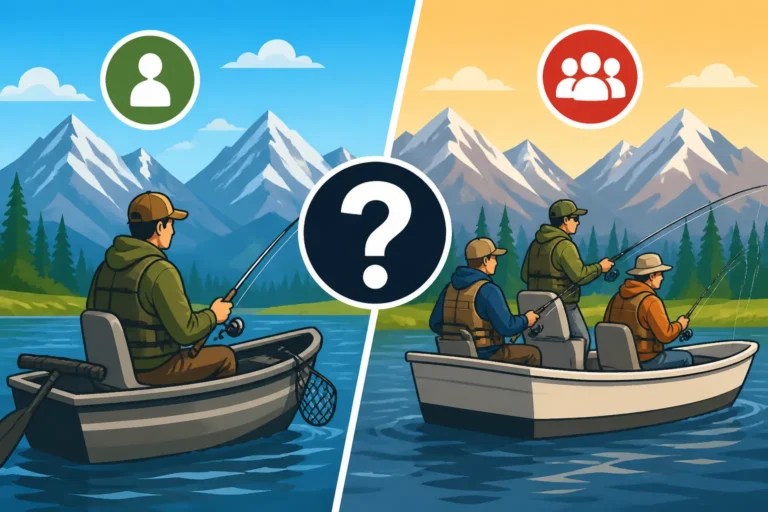
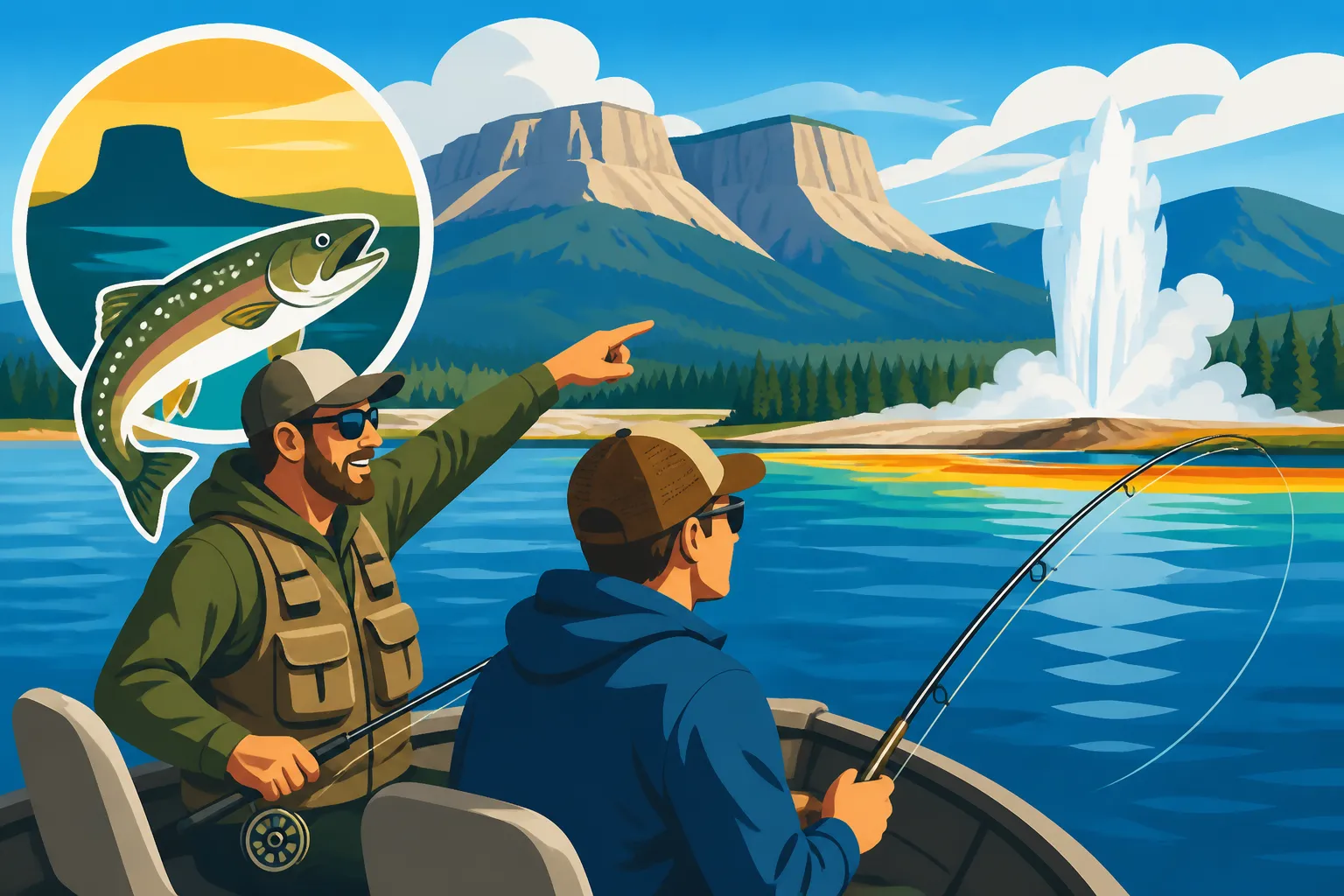
Yellowstone Lake, nestled in the heart of Yellowstone National Park, is a truly magnificent body of water, but its sheer size and unique ecosystem can make fishing here a daunting challenge for even experienced anglers. From navigating its vast expanses and unpredictable weather to understanding the very specific regulations aimed at protecting native species, it's easy to feel overwhelmed before you even cast a line. This guide is designed to walk you through the process of hiring a qualified fishing guide for Yellowstone Lake, helping you transform a potentially frustrating outing into a memorable and successful adventure.
Why Consider a Fishing Guide for Yellowstone Lake?
You might be an accomplished angler elsewhere, but Yellowstone Lake isn't just "elsewhere." It's a high-altitude, enormous freshwater lake with its own set of rules, ecological considerations, and unique fishing dynamics. Trying to tackle it solo, especially for the first time, can feel like trying to find a needle in a haystack – or, more accurately, a cutthroat trout in an ocean. A local guide brings an invaluable combination of expertise, equipment, and efficiency that can dramatically enhance your experience.
Navigating Unique Regulations and Conservation Efforts
One of the biggest reasons to consider a guide for Yellowstone Lake is the intricate web of regulations and conservation efforts in place. Unlike many other waters in Wyoming, Yellowstone Lake operates under the strict purview of the National Park Service, which has its own set of rules separate from the Wyoming Game and Fish Department. These rules are primarily focused on protecting the native Yellowstone Cutthroat Trout, which are vital to the park's ecosystem. Unfortunately, the lake also faces a significant challenge from the invasive Lake Trout, which prey on the native cutthroat.
This leads to a unique scenario where anglers are actively encouraged to keep all Lake Trout caught, and it's actually illegal to release them back into the water. This isn't your typical catch-and-release philosophy. A seasoned guide not only knows these regulations inside and out but also understands the nuances of the park's conservation goals. They can explain why these rules exist, help you correctly identify your catch, and ensure you're fishing legally and ethically. They're your walking, talking regulation handbook, saving you from potential fines or unknowingly harming the very ecosystem you came to appreciate. You can delve deeper into the specific park rules by reading about Fishing Rules Inside Yellowstone National Park.
Maximizing Your Chances and Saving Time
Yellowstone Lake is enormous, covering over 136 square miles with depths reaching over 400 feet. Imagine trying to find the best fishing spots on a lake that size without any prior knowledge. It's like wandering through a dense forest without a map or compass. Guides spend countless hours on the water, tracking fish movements, understanding seasonal patterns, and identifying prime habitats. They know where the Lake Trout are likely holding based on the time of year, water temperatures, and even recent weather patterns.
This local knowledge is priceless. Instead of spending half your day motoring around, trying different lures, and getting frustrated by empty lines, a guide will take you directly to the productive spots. They'll have the right gear, the right bait or lure, and the right technique dialed in. This efficiency translates directly into more fishing time and, hopefully, more fish in the boat. For many, a fishing trip to Yellowstone is a once-in-a-lifetime experience; hiring a guide ensures you make the most of every precious moment, rather than wasting it on trial and error. To understand more about the lake itself, check out Wyoming's Yellowstone Lake Fishing Guide.
Safety and Navigation on a Large, Dynamic Lake
Beyond finding fish, safety on a body of water the size of Yellowstone Lake is a serious consideration. Weather patterns can change rapidly in the mountains, turning a calm morning into a windy, choppy afternoon in a flash. The lake is also high in elevation, and if you're not accustomed to that, it can impact your stamina and judgment. Guides are experienced boat handlers who understand the lake's specific hazards, like submerged rocks, shallow areas, and sudden wind shifts.
They are equipped with appropriate safety gear, emergency communication, and the knowledge to navigate safely, even when conditions turn less than ideal. For instance, a guide knows how to read the clouds building over the Absaroka Mountains to the east or the Teton Range to the west, anticipating when to seek shelter or head back to the ramp. This allows you to focus solely on the fishing and the breathtaking scenery, rather than worrying about navigation or weather. It’s an investment in peace of mind, allowing you to fully immerse yourself in the natural wonder of the park.
Understanding Yellowstone Lake's Fishing Landscape
Before you even pick up the phone to book a guide, having a basic understanding of what fishing on Yellowstone Lake entails can help you articulate your goals and choose the right expert. It's not a typical trout stream experience; it's a large, cold, deep lake with specific challenges and rewards.
Target Species: Focusing on Lake Trout
While Yellowstone Lake is home to its native Yellowstone Cutthroat Trout, the primary target species when fishing with a guide, especially on the main body of the lake, will almost certainly be Lake Trout, also known as Mackinaw. As mentioned, these are an invasive species, and the National Park Service has an aggressive program to reduce their numbers and protect the native cutthroat. This means that if you hook a Lake Trout, it is mandatory to kill it and remove it from the lake.
Many anglers find this conservation-focused fishing to be incredibly rewarding. You're not just enjoying a day on the water; you're actively contributing to the ecological health of the park. Lake Trout can grow to impressive sizes in Yellowstone Lake, offering a formidable fight. While some native Cutthroat Trout might be caught incidentally, most guided trips will concentrate on targeting the Mackinaw. This might sound counterintuitive if you're used to strictly catch-and-release, but it's a critical part of the Yellowstone Lake experience. Learning about Why Lake Trout Are Considered a Problem in Yellowstone Lake will give you even more context.
Seasonal Considerations and Best Times to Fish
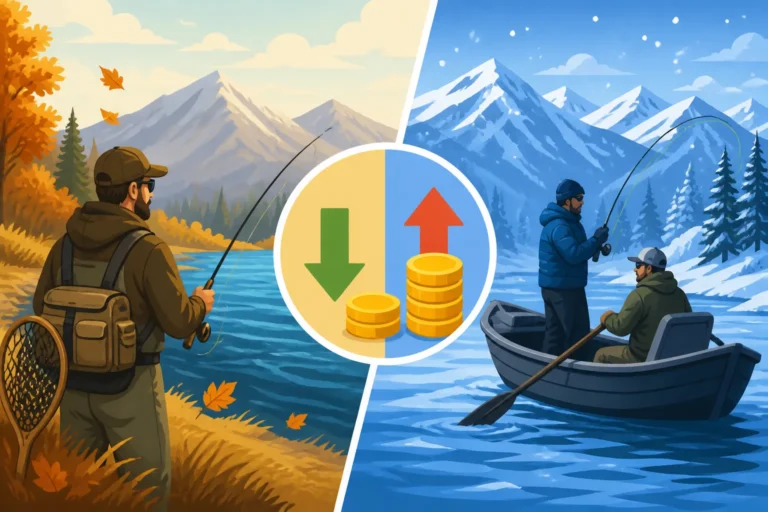
Yellowstone Lake has a relatively short fishing season compared to many other waters. The lake is typically frozen well into spring, with "ice-out" usually occurring in late May or early June. This event marks the true beginning of the fishing season. When Yellowstone Lake Ice Out Usually Happens can vary, so it's always good to check current conditions. The season generally runs through the end of October.
- Early Season (June-July): This can be a fantastic time for Lake Trout as they are often shallower after ice-out and actively feeding. Water temperatures are still cool, and the fish are typically quite active.
- Mid-Season (August): As surface waters warm, Lake Trout tend to move deeper, requiring specific trolling or jigging techniques to reach them. This is where a guide's knowledge of depth finders and downriggers becomes crucial.
- Late Season (September-October): Fall can be another excellent period. The crowds thin out, and Lake Trout may become more active again as water temperatures cool. This time of year often offers stunning scenery with fall foliage.
The best time to book a guide often depends on your specific goals (e.g., biggest fish, most fish, specific experience) and can also be influenced by weather patterns and fish behavior. Discussing these preferences with your guide when booking is highly recommended.
Boating and Access Challenges
Accessing Yellowstone Lake for fishing is more restricted than many other large lakes. There are only a few developed boat launches, primarily at Bridge Bay. All private boats require a permit from the National Park Service, and there are strict rules regarding motorized vs. non-motorized vessels, as well as mandatory aquatic invasive species inspections. These are additional hurdles that a guide inherently handles, as their commercial operations are already licensed and permitted to operate on the lake.
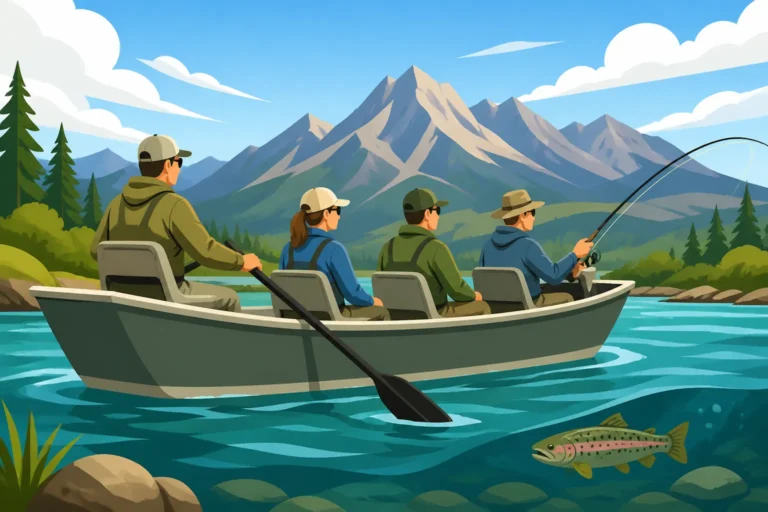
If you bring your own boat, expect a thorough inspection and specific requirements. By going with a guide, you completely bypass these logistical headaches. They'll have their fully inspected and permitted boat ready to go, often at the most convenient launch points. This convenience is a major advantage, especially if you're traveling from afar and don't want to deal with the bureaucracy of park permits and inspections. Plus, a guide's boat is typically rigged specifically for the deep-water trolling and jigging needed to target Lake Trout effectively.
What to Look for in a Yellowstone Lake Fishing Guide
Choosing the right guide is paramount to a successful trip on Yellowstone Lake. Not all guides are created equal, and some specialize in different techniques or waters. Knowing what questions to ask and what credentials to look for will ensure you find a professional who meets your expectations and prioritizes your safety and experience.
Essential Licenses, Permits, and Certifications
A legitimate Yellowstone Lake fishing guide will possess a specific set of licenses and permits that allow them to operate commercially within Yellowstone National Park. This is not just a Wyoming state fishing guide license; it's an additional layer of authorization.
- NPS Commercial Use Authorization (CUA): This is critical. Any guide operating a commercial fishing trip inside Yellowstone National Park must have a CUA issued by the National Park Service. This ensures they meet park standards for safety, insurance, and environmental responsibility. Don't be shy about asking to see proof of this. A guide operating without one is not only illegal but also potentially unsafe.
- US Coast Guard License (OUPV or Master): For motorized boats, guides should hold a valid US Coast Guard Captain's License, often an OUPV (Operator of Uninspected Passenger Vessels, sometimes called a "6-pack" license) or a higher Master's license. This certifies their knowledge of navigation, safety regulations, and emergency procedures.
- First Aid/CPR Certification: While not always a specific permit, any professional guide should be certified in First Aid and CPR, given the remote nature of fishing on a large lake.
- Aquatic Invasive Species (AIS) Compliance: Guides' boats will undergo rigorous AIS inspections by the park. They understand the importance of preventing the spread of species like zebra mussels.
When you're researching potential guides, look for these credentials explicitly mentioned on their websites or ask them directly. Reputable booking platforms like FishingBooker often vet their guides for these essential documents. It's a non-negotiable aspect of responsible guiding within a national park. To learn more about what makes a guide legitimate, read What Makes a Guide Legal to Operate in Wyoming and specifically What Permits Yellowstone Fishing Guides Need.
Experience and Expertise on Yellowstone Lake
Yellowstone Lake is a beast of its own, and a guide's general fishing experience isn't enough; they need specific, deep experience on this particular lake.
- Lake Trout Specialists: Since Lake Trout are the primary target and often require deep-water techniques, look for guides who openly advertise their expertise in targeting Mackinaw on Yellowstone Lake. They should be proficient with sonar, downriggers, and the specific lures or bait presentations that trigger bites.
- Local Knowledge: An experienced guide understands the unique currents, thermoclines, and underwater structures of Yellowstone Lake. They know which bays are productive in early summer, where the fish move in the heat of August, and where to find concentrations in the fall. This hyper-local knowledge is what you're paying for.
- Conservation Ethic: A good guide on Yellowstone Lake will also be passionate about the park's conservation efforts. They should be able to articulate the importance of Lake Trout removal and potentially even share information about the Yellowstone Cutthroat Trout's biology and recovery efforts. This adds a deeper, more educational layer to your trip.
Don't hesitate to ask a guide about their specific experience on Yellowstone Lake, how long they've been guiding there, and what their typical success rates are for Lake Trout. A good guide will be transparent and proud of their local expertise.
Guide Services and Inclusions
Understanding what's included in your guided trip is crucial to avoid surprises. While specifics vary, here's a general idea of what to expect:
| Inclusion | Standard on Most Guided Trips | May Be Extra or Varies |
|---|---|---|
| Licensed Boat | Yes | |
| Experienced Guide | Yes | |
| Fishing Gear & Tackle | Yes (rods, reels, lures, bait) | Specialty gear |
| Safety Equipment | Yes (life vests, first aid kit) | |
| Fish Cleaning | Yes (for legal, kept fish like Lake Trout) | |
| Cooler for Fish | Yes | |
| Fishing Licenses | No (anglers must purchase their own) | Guide may help facilitate purchase |
| Food/Drinks | Often provided for full-day trips; varies for half-day | Request dietary needs in advance |
| Rain Gear | Sometimes provided, but often recommended to bring your own | |
| Sunscreen/Bug Spray | Usually available, but bring personal preferences | |
| Transportation | Typically begins at a designated meeting point | Pickup services for an extra fee |
You will always need to purchase your own Wyoming Fishing License Guide for Nonresidents or resident license, and if applicable, a Yellowstone National Park fishing permit. Guides are not typically authorized to sell these to you directly, though they can advise you on where and how to obtain them. Many guides also offer insights into What Fish Are in Yellowstone Lake and the best techniques for catching them.
Booking Your Yellowstone Lake Guided Trip
Once you've decided on the "why" and "what" of a guided trip, it's time to tackle the "how." Booking a guide for Yellowstone Lake requires some foresight, especially during peak season, and understanding the financial aspects.
When and How to Book
Yellowstone National Park is one of the most popular destinations in the United States, and consequently, good fishing guides for Yellowstone Lake book up fast.
- Book Early: For peak season (July and August), it's highly recommended to book your guide several months in advance, ideally 6-12 months out if you have specific dates in mind. Spring and fall trips also fill quickly, so don't delay. If you're looking for last-minute availability, you might get lucky, but your options will be limited.
- Online Booking Platforms: Websites like FishingBooker are excellent resources for finding and booking guides. They allow you to compare different guides, read reviews, see what services are offered, and often check real-time availability. Using such a platform can streamline the process and offer a layer of security.
- Directly Contacting Outfitters: Many outfitters and independent guides have their own websites. You can contact them directly via phone or email to inquire about availability, ask specific questions, and book your trip. This direct communication can be beneficial for tailoring your experience.
- Ask About Cancellation Policies: Life happens. Before booking, always clarify the guide's or outfitter's cancellation policy. What if the weather turns bad? What if you need to reschedule? Understanding these terms upfront is important.
Don't underestimate the demand for quality guides on such an iconic body of water. Early planning is key to securing your preferred dates and guide.
Understanding Costs and Tipping Etiquette
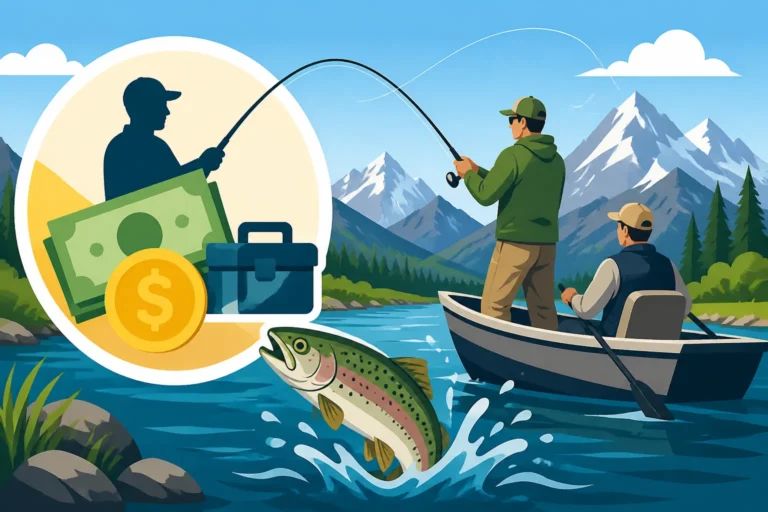
Guided fishing trips, especially those in national parks and on large, specialized waters like Yellowstone Lake, are an investment. The What a Guided Wyoming Fishing Trip Costs can vary widely based on the duration (half-day vs. full-day), the number of anglers, and the guide's reputation.
- Pricing Structure: Most guides will charge a flat rate for a half-day (typically 4-5 hours) or a full-day (8-9 hours) trip, which often includes a certain number of anglers, usually 1 or 2. There might be an additional charge for extra people up to the boat's capacity. Remember, this fee covers the guide's expertise, boat, fuel, all the gear, and the specialized permits required to operate in the park.
- What's Not Included: Always factor in the cost of your personal fishing license for Yellowstone National Park (which is separate from a Wyoming state license), any snacks or drinks not provided, and gratuity for your guide.
- Tipping Etiquette: Tipping is customary and greatly appreciated in the guiding industry. A general rule of thumb for a fishing guide is 15-20% of the trip's total cost if you had a good experience. If your guide went above and beyond, handled challenging conditions with grace, or was exceptionally helpful, a higher tip is certainly warranted. This gratuity acknowledges their hard work, long hours, and dedication to ensuring you have a great day. Don't forget to account for this in your budget.
Preparing for Your Day on the Water
A little preparation goes a long way in ensuring your guided trip is comfortable and enjoyable.
- Dress in Layers: Mountain weather is famously unpredictable. Even if it starts warm, conditions on the lake can change quickly. Bring layers you can easily add or shed: a moisture-wicking base layer, an insulating mid-layer (fleece or down), and a waterproof/windproof outer shell. Hat, gloves, and warm socks are also advisable, especially in spring and fall.
- Sun Protection: The sun at high altitude is intense, even on cloudy days. Bring a wide-brimmed hat, sunglasses (polarized are best for seeing into the water), and plenty of high SPF sunscreen.
- Snacks and Drinks: While some full-day trips may include lunch, always confirm. Even then, bring your own snacks and drinks to stay hydrated and energized throughout the day.
- Camera: The scenery on Yellowstone Lake is absolutely stunning. You'll want to capture the memories, whether it's a photo of a big Lake Trout or the incredible landscapes of the park.
- Personal Medications: Don't forget any necessary prescription medications, and consider bringing motion sickness medication if you're prone to it, as the lake can get choppy.
- Communication with Your Guide: Before your trip, confirm the meeting time and location. Feel free to ask any last-minute questions you might have. Good communication ensures everyone is on the same page.
Remember that you're fishing in a truly wild and spectacular place. Being prepared for varying conditions will allow you to relax and fully appreciate the experience.
Alternative Fishing Options Around Yellowstone National Park
While a guided trip on Yellowstone Lake for Lake Trout is an unforgettable experience, it's not the only fishing opportunity in or around the park. If your dates don't align, or you're looking for a different kind of angling adventure, there are plenty of other options.
Fishing Other Waters Within the Park
Yellowstone National Park is teeming with incredible fishing opportunities beyond the main lake, many of which focus on protecting and restoring native trout. These waters typically have strict catch-and-release regulations for native species.
- Yellowstone River: The Yellowstone River, both above and below the falls, offers spectacular fly fishing for cutthroat trout. Different sections open at different times of the year, and regulations are strictly enforced to protect these native fish. A guide here would focus more on wade-fishing or float-fishing smaller sections, a very different experience from deep-water trolling on the lake. You might even find opportunities for Fishing the Yellowstone River Near Gardiner.
- Smaller Lakes and Streams: There are numerous smaller lakes and streams throughout the park, each with its own character and regulations. Some are easily accessible, while others require a hike into the backcountry. These often hold native cutthroat, brook trout, or rainbow trout, and offer a more intimate angling experience away from the bigger crowds.
- West Thumb Geyser Basin Area: While not fishing in the geyser basin itself, the areas around West Thumb, where geothermal features meet the lake, can be very interesting to explore, and some surrounding streams flow into the lake.
Remember, even for these smaller waters within the park, you will still need a Yellowstone National Park fishing permit in addition to your state license. A local outfitter or park ranger can provide current regulations and advice on these specific areas.
Exploring Nearby Wyoming Waters
If you're already in Wyoming, or planning a trip to the area, there are world-class fishing destinations just outside the park's boundaries that offer different species and experiences.
- Snake River (Jackson Hole): Just south of Grand Teton National Park, the Snake River is famous for its native Fine-Spotted Cutthroat Trout. Guided float trips on the Snake River are incredibly popular, offering breathtaking scenery and fantastic dry fly fishing opportunities. This is a classic Western trout river experience.
- North Platte River (Near Casper): Further east, the North Platte River is renowned for its trophy rainbow and brown trout. Sections like the Miracle Mile and Gray Reef are famous tailwaters, offering consistent fishing year-round, including excellent winter opportunities. Guides here typically operate drift boats for fly fishing or spin fishing.
- Flaming Gorge Reservoir: Down in southwest Wyoming, straddling the Utah border, Flaming Gorge is a massive reservoir known for its trophy Lake Trout and Kokanee Salmon, as well as smallmouth bass. This offers deep-water trolling and jigging opportunities similar to Yellowstone Lake but with different regulations and a slightly longer fishing season. Guided Fishing on Wyoming's Flaming Gorge Reservoir can be a great option.
These areas provide excellent alternatives or additions to a Yellowstone Lake trip, allowing you to experience the incredible diversity of Wyoming's fishing scene. Each location often has its own specialized guides and outfitters ready to help you explore. Don't limit yourself to just one spot if you have the time and desire to explore! You can often find guides for these other waters through platforms like FishingBooker as well.
Disclaimer
This article is for general informational purposes only and does not constitute professional advice. Laws, prices and regulations vary by location and change over time. Consult a qualified professional for guidance on your specific situation.