Do Pack Trip Guides Provide Horses?
Planning a fishing trip into Wyoming's breathtaking backcountry can feel like a dream come true, but the logistics of getting yourself and all your gear into those remote, pristine high-alpine lakes often feels like a puzzle. One of the biggest questions that pops up, especially for those who aren't seasoned wilderness trekkers, is whether your pack trip guide will actually provide the horses to haul everything in. This guide is here to untangle that very question, making sure you know exactly what to expect when embarking on a guided pack trip for some truly spectacular Wyoming fishing.
Understanding Wyoming Fishing Pack Trips
When we talk about a "pack trip" in Wyoming's fishing world, we're not just discussing a casual hike with a daypack. These are serious wilderness excursions, often stretching for days, designed to get anglers deep into areas inaccessible by vehicle. The allure is undeniable: untouched waters teeming with native trout, solitude that refreshes the soul, and scenery that will stop you in your tracks. But getting to these remote havens requires significant planning and, more often than not, a reliable mode of transport for your camp and supplies.
What Defines a Pack Trip for Anglers?
A fishing pack trip in Wyoming is all about accessing those secret spots, those hidden gems high in the mountains or deep within national forests and wilderness areas where the fish haven't seen a fly in weeks – maybe even months. Think of the Wind River Range, the Gros Ventre Wilderness, or parts of the Absaroka-Beartooth. These aren't places you just drive to. They demand effort, usually involving miles of hiking over rugged terrain, sometimes crossing streams or navigating through dense timber.
The "pack" in pack trip refers to the act of packing in gear, provisions, and sometimes even people, typically on the backs of animals. For anglers, this means hauling in not just tents, sleeping bags, and food, but also specialized fishing gear, waders, and maybe even a float tube or lightweight raft. The goal is an immersive, multi-day experience away from the crowds, focusing on fishing opportunities that most people only dream about. You're trading creature comforts for unparalleled wilderness beauty and some of the best angling of your life. These are truly Overnight Pack Trips for Backcountry Fishing designed for adventurers.
Why Horses are Indispensable in Wyoming's Backcountry
Horses and mules aren't just a picturesque addition to a Wyoming wilderness scene; they are the backbone of almost all multi-day backcountry pack trips. Without these sturdy, sure-footed animals, accessing many of Wyoming's most remote fishing destinations would be practically impossible for the average angler, or at least incredibly grueling. Imagine trying to carry a week's worth of food, camping gear, and fishing tackle for multiple people over 10-15 miles of steep, rocky mountain trails at high elevations. It's a monumental task, especially if you're not an ultra-light backpacking expert.
Pack animals allow guides to transport heavier, more comfortable camping equipment, more diverse food options, and all the fishing gear needed for a successful extended stay. This means you can focus your energy on the hike itself and, more importantly, on the fishing, rather than being utterly exhausted by the burden of your pack. They navigate challenging terrain with an ease humans can only dream of, making steep ascents, rocky descents, and river crossings far safer and more efficient. For anyone heading into the vast wilderness to explore How to Fish Wyoming's High-Alpine Lakes, horses or mules are truly a game-changer.
The Role of Your Guide in Providing Equine Support
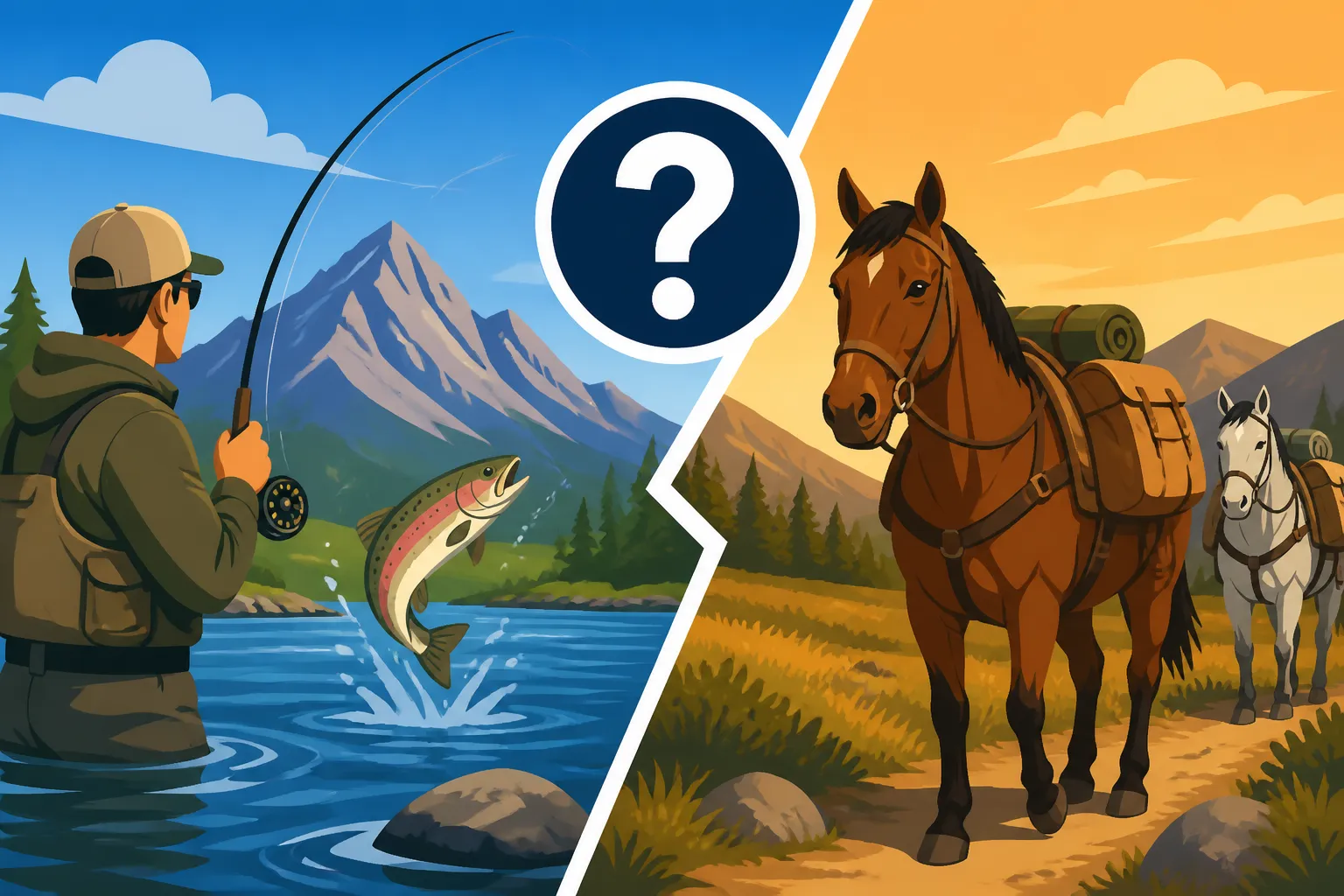
This brings us to the core question: will your pack trip guide provide the horses? The short answer, overwhelmingly, is yes. It's almost universally understood that when you book a guided fishing pack trip in Wyoming, the outfitter is responsible for supplying the necessary pack animals. This is part of the fundamental service you are paying for, as these animals are integral to the very nature of a "pack trip."
Standard Operating Procedure: When Guides Furnish the Horses
When you sign up for a guided fishing pack trip with a reputable outfitter in Wyoming, you should fully expect that the horses or mules required for the expedition will be provided by the guide service. This is their area of expertise, their equipment, and their responsibility. These outfitters own, lease, or have established relationships with stringers who provide well-trained, experienced pack animals accustomed to the demands of the Wyoming wilderness. They handle all aspects of animal care, feeding, saddling, and leading throughout the trip.
Your guide will typically meet you at a designated trailhead with the horses already saddled and ready to go. You'll pack your personal gear into duffel bags provided or specified by the outfitter, and the guide's team will expertly load these onto the pack saddles of the animals. This means less stress for you, as you don't have to worry about sourcing, transporting, or managing horses yourself. It allows you to concentrate on enjoying the journey and anticipating the incredible fishing ahead. This is a core component of reputable Hiring a Fishing Guide in Wyoming services for pack trips.
Rare Exceptions: Self-Supplied Pack Animals?
While it's highly uncommon for clients to provide their own pack animals on a guided fishing trip, there might be very niche circumstances or special arrangements where this could hypothetically occur. For instance, if an individual angler also happens to be an experienced packer with their own string of trusted animals, they might arrange a custom trip where they manage their own stock, sharing the trail with the guide's crew. However, this is far from the norm and would require explicit prior agreement and likely a different pricing structure, as the guide's responsibilities would shift dramatically.
For 99.9% of recreational anglers, the idea of bringing your own horse or mule for a guided trip is simply not practical or expected. Outfitters have insurance, permits, and expertise specifically tied to their own operations and animals. Introducing client-owned animals into their string would create numerous logistical, liability, and animal management challenges that most guides would not entertain. If you're pondering a backcountry fishing adventure, assume the guide brings the beasts of burden.
Mules vs. Horses: What to Expect
You might hear references to "pack horses" and "pack mules" interchangeably, but there are some distinctions you might encounter. Many outfitters utilize mules for their pack strings, and for good reason. Mules, a hybrid of a horse and a donkey, are renowned for their incredible strength, endurance, and sure-footedness on rugged terrain. They often handle steep, rocky trails with more agility and caution than many horses. Their smaller hooves and denser bone structure make them exceptionally stable.
Horses are also widely used, especially certain hardy breeds known for their calm demeanor and strength. Ultimately, whether your guide uses horses, mules, or a combination of both for their pack string largely depends on their personal preference, the specific terrain they frequent, and the individual animals they've trained. Both are highly capable for wilderness travel. As a client, you won't typically need to specify a preference; simply trust that your guide will deploy the best animals for the job of getting you and your What Gear to Pack for a Backcountry Fishing Trip safely into the backcountry.
Logistics and Expectations: What "Providing Horses" Really Means
Understanding that your guide provides the horses is just the first step. The next is to grasp the practical implications of what that means for you as an angler on the trip. It's not just about the animals showing up; it's about how they're used and what your role will be in making the most of this unique mode of travel.
Gear Transport vs. Riding: Clarifying Your Journey
One crucial clarification to make when booking your pack trip is whether the horses are solely for packing gear, or if they also include animals for you to ride. Many pack trips are indeed "ride-in" trips, meaning you'll be on horseback for the journey to and from the camp, with additional pack animals carrying the equipment. This is a fantastic option if you're not keen on hiking long distances with a heavy pack, or if the terrain is particularly challenging. Riding allows you to conserve your energy for fishing.
However, some outfitters might offer "hike-in, pack-out" trips or variations where guests hike, and only the gear is on horseback. It’s vital to confirm this detail with your outfitter beforehand. If you're not an experienced rider, or if you prefer to hike, knowing this detail can significantly influence your packing strategy and physical preparation. Always ask explicitly: "Will I be riding a horse, or will the horses only carry our gear?" This will prevent any surprises at the trailhead. Make sure to discuss your comfort level with riding during the booking process.
What You (and the Horses) Will Carry
The entire purpose of having pack animals is to lighten your load. Your personal gear—clothing, toiletries, fishing tackle, sleeping bag, and sleeping pad—will be loaded onto the pack horses or mules. The outfitter will provide specific guidelines on weight limits and types of bags (usually soft duffels) that are best suited for packing on an animal. Adhering to these guidelines is critical for the safety and comfort of the animals and the efficiency of the packing process. Overloaded or awkwardly shaped bags can be a real headache for the wranglers.
What you will carry is typically a smaller daypack with essentials you need access to during the day's travel: water, snacks, rain gear, camera, maybe a light lunch, and any crucial personal medications. This allows you to remain nimble on the trail. The horses, on the other hand, will carry the bulk of your camp: tents, cooking equipment, food coolers, extra water, firewood (if needed and permitted), and all the other comforts that make a backcountry camp enjoyable. This division of labor makes for a much more pleasant and sustainable journey into remote locations like those found in the Wind River Mountains.
Here’s a simplified breakdown of typical loads:
| Item Type | Carried By Angler (Daypack) | Carried By Pack Animals (Duffel/Packs) |
|---|---|---|
| Personal Gear | Water bottle, snacks, rain jacket | Sleeping bag, pad, clothes, toiletries |
| Fishing Gear | Rod in tube, small tackle box | Waders, boots, larger tackle, nets |
| Camp Gear | Minimal first aid, sun protection | Tents, cooking stove, food, chairs |
| Essentials | Medications, camera, map, compass | Extra layers, larger first aid kit |
Client Responsibilities: Prep and Packing
While the guide handles the animals, your responsibility lies in proper preparation and packing of your personal items. Outfit your gear in suitable soft-sided duffels or specialized waterproof bags that are easy to lash onto a pack saddle. Hard-sided luggage or rigid backpacks are generally not suitable as they don't conform well to the packs or the animals' backs and can cause discomfort or even injury.
Crucially, listen carefully to your outfitter's instructions regarding weight limits and the organization of your gear. They know what works best for their animals and their setup. Many outfitters will give you a detailed packing list and specific bag requirements weeks or months in advance. Follow these religiously! Not only does it make the packing process smoother for the guide, but it also ensures your gear arrives intact and accessible. Being well-prepared on your end contributes directly to a successful and enjoyable pack trip for everyone involved. Planning well for your gear is key to fully enjoying Fishing Wyoming's Wilderness and Backcountry Lakes.
Costs, Booking, and Confirmation
Understanding that horses are part of the deal is one thing, but knowing how that factors into the cost and what questions to ask when booking is equally important. These trips are an investment, and you want to ensure you're getting exactly what you expect.
How Horse Provision Impacts Trip Costs
The cost of a guided fishing pack trip is significantly influenced by the inclusion of pack animals. These animals represent a major operational expense for outfitters, encompassing purchase or lease costs, feed, veterinary care, specialized tack (saddles, panniers, ropes), and the wages for skilled wranglers who manage them. When you see the price for a multi-day pack trip, a substantial portion of that fee is directly attributable to the provision and logistical support of the horse or mule string.
Therefore, don't expect a pack trip that includes horses to be equivalent in price to a hike-in trip where you carry all your own gear. The added convenience, comfort, and access to remote areas afforded by pack animals come at a premium. When comparing different outfitters, remember that lower prices might sometimes indicate fewer amenities or a less robust pack operation. Always consider what's included in the price, specifically how many animals are dedicated to your group and if they are for riding or just packing. For a detailed breakdown of what to expect, check out How Much a Multi-Day Pack Trip Costs.
Asking the Right Questions Before You Book
To ensure there are no misunderstandings, always be proactive and ask detailed questions about the horses and packing logistics when you're inquiring about a trip. Don't assume anything. Here are some key questions to consider:
- Are horses provided for both riding and packing gear, or just for gear? This is perhaps the most important question.
- What kind of horses/mules do you use, and are they well-trained for inexperienced riders? If you plan to ride, comfort and safety are paramount.
- What are the weight limits per person for personal gear that goes on the pack animals? This helps you plan your packing.
- What type of bags are best for packing on horses? (e.g., soft duffels, waterproof bags).
- How many pack animals will be assigned to our group? More animals mean more capacity.
- What happens if someone in our group is uncomfortable riding or gets sore during the trip? Understand contingency plans.
- Do you have saddle bags for day use, or should we bring our own daypacks?
- What is the average riding/hiking distance per day to reach camp?
- Do you specialize in Best Outfitters for Wind River Range Backcountry Trips or other specific areas?
A good outfitter will be happy to answer all these questions thoroughly, demonstrating their professionalism and experience.
Finding the Right Pack Trip Guide
Finding the right guide for your Wyoming fishing pack trip is crucial, not just for the fishing but for the entire wilderness experience. Look for outfitters with a strong reputation, extensive experience in the specific regions you want to explore, and transparent communication about their services. Online platforms can be incredibly helpful resources for this. For example, sites like FishingBooker often list experienced outfitters who specialize in guided pack trips in Wyoming, complete with reviews from previous clients. You can filter by location, trip type, and even specific fish species you're hoping to target, like the cutthroat trout in the Best Backpacking Fishing Lakes in the Wind Rivers.
When browsing, pay close attention to the details of their trip descriptions. Do they explicitly mention pack horses or mules? Do they provide information on the duration of the trips, the areas they access, and what's included in the price? Websites like FishingBooker allow you to compare multiple guides, read about their expertise, and see if they offer the kind of remote, horse-supported fishing adventure you're dreaming of. Don't hesitate to reach out to outfitters directly through these platforms or their own websites to ask all your specific questions before making a booking decision. You're looking for someone who instills confidence and whose vision for a backcountry trip aligns with yours.
Disclaimer
This article is for general informational purposes only and does not constitute professional advice. Laws, prices and regulations vary by location and change over time. Consult a qualified professional for guidance on your specific situation.