Fishing the Yellowstone River Near Gardiner
Anglers often dream of fishing iconic Western rivers, but the reality of navigating regulations, finding public access, and knowing what techniques actually work can feel like trying to untangle a bird's nest of monofilament. If you're looking to cast a line on the legendary Yellowstone River near Gardiner, Wyoming, and want to avoid the guesswork and frustration, this comprehensive guide will equip you with all the local knowledge you need to make your trip a success.
Understanding the Yellowstone River Near Gardiner
The Yellowstone River is a true gem of the American West, and the section near Gardiner, Wyoming (which quickly flows into Montana just north of town), presents a unique and rewarding challenge for any angler. This isn't just a river; it's an experience that demands respect, knowledge, and a willingness to adapt. Understanding its character is the first step to unlocking its fishing potential.
Unique Characteristics of This Section
The Yellowstone River as it flows near Gardiner is a true marvel, distinct from its more famous stretches inside Yellowstone National Park itself. Here, you're looking at a river that transitions from high-mountain freestone waters to a broader, more accessible flow as it leaves the park boundaries. This particular section, especially once it dips into Montana just north of Gardiner, offers a fascinating blend of rugged canyon-like stretches and more open, meandering runs. The water clarity can vary wildly throughout the year; crystal clear in late summer and fall, but a chocolate milk torrent during spring runoff. This variability is a key characteristic, and understanding it is the first step to a successful outing. You'll encounter a mix of fast riffles, deep pools, and long, slow runs, each holding different fish and requiring specific approaches. It’s a dynamic environment that keeps you on your toes, which is part of its charm and challenge.
One of the most defining features of the Yellowstone near Gardiner is its position right on the cusp of the national park, yet mostly outside its strict regulations for guides and access. This means you can find a slightly different vibe here, often a bit less crowded than the highly-pressured waters deeper within the park, especially for float fishing. The ecosystem is incredibly robust, supported by healthy insect populations that fuel a fantastic fishery. However, its proximity to human activity, both from the town of Gardiner and the park entrance, means you'll also share the river with rafters, wildlife watchers, and other recreational users. Knowing when and where to go to find your solitude and best fishing opportunities is key to enjoying this unique stretch. The river is generally larger here than upstream, offering more water to explore and different types of structure for fish to hold in.
Why Gardiner is a Gateway to Great Fishing
Gardiner isn't just a town; it's a strategic hub for any angler serious about the Yellowstone River. Located right at the North Entrance of Yellowstone National Park, it serves as a critical jumping-off point for fishing adventures both inside the park and on the expansive waters north of the boundary. This means unparalleled access, whether you're planning a day trip into the park or focusing on the productive Montana sections of the river. The local infrastructure caters heavily to outdoor enthusiasts, offering a variety of fishing shops, guide services, and accommodations that understand an angler's needs. You can easily stock up on flies, pick up a last-minute leader, or get up-to-the-minute reports on hatches and water conditions from knowledgeable local staff. This convenience significantly reduces the logistical headaches that often come with fishing in remote Western landscapes.
Beyond the practicalities, Gardiner offers a unique atmosphere where the wildness of Yellowstone meets a welcoming community. After a long day on the water, you can find a good meal, swap stories with fellow anglers, and recharge for the next day. The town's proximity to various sections of the Yellowstone River means you have diverse options at your fingertips. You might decide to spend one day pursuing wild cutthroat inside the park and the next floating for large browns downstream. This versatility makes Gardiner an ideal base camp, allowing you to maximize your time fishing rather than driving. Many reputable guide services operate out of Gardiner, making it simple to arrange a trip with a local expert who knows the nuances of the river like the back of their hand.
Prime Fishing Spots and Access Points
Navigating any large river system effectively means knowing where to get in and out, and which sections offer the best opportunities for your preferred style of fishing. The Yellowstone River near Gardiner, with its unique blend of park and non-park waters, requires a bit of homework to maximize your time.
Public Access and Popular Wading Areas
Finding good public access along the Yellowstone River, especially outside the park near Gardiner, can sometimes feel like a treasure hunt, but there are several reliable spots that anglers frequent. Once you cross into Montana from Gardiner, the river opens up, and you'll find more opportunities for both wading and bank fishing. One of the most popular and easily accessible areas is around the Carbella fishing access site, a little ways north of town. This spot provides ample parking and relatively easy access to the river's edge, offering good wading opportunities depending on water levels. Here, you can target various runs, riffles, and pools, often with good success. Remember, even in seemingly easy spots, the Yellowstone is a powerful river, so always wade with caution and consider a wading staff for stability, especially during higher flows.
Further downstream from Carbella, heading towards Yankee Jim Canyon, you'll encounter a mix of private land and designated public access points. It's crucial to pay attention to signage and respect private property. The Yankee Jim Canyon fishing access is another excellent option, offering a different character of water with more rapids and challenging wading in certain sections, but also holding some fantastic fish in its deeper pockets and slower currents. These public access sites are well-marked, but it’s always a good idea to consult a current Montana FWP fishing access map or ask at a local fly shop in Gardiner for the most up-to-date information. They can guide you to spots that are fishing well and clarify any access nuances, saving you a lot of wasted time and frustration trying to figure it out on your own.
Floating Opportunities and Regulations
For many, the true magic of fishing the Yellowstone River, especially in the broader sections below Gardiner, comes alive from a drift boat or raft. Floating allows you to cover vast stretches of water, accessing prime holding lies that are often unreachable by foot and presenting flies or lures to undisturbed fish. While you can float inside Yellowstone National Park on specific waters, the Yellowstone River itself through the park is largely closed to floating for fishing. However, once the river exits the North Entrance and flows into Montana, a whole new world of floating possibilities opens up. Popular float trips often start near Gardiner and continue downstream, with various takeout points like Carbella or further down towards Emigrant. These trips require proper watercraft, shuttle arrangements, and a solid understanding of river safety, especially given the Yellowstone's dynamic nature.
Navigating the river by boat offers a unique perspective and often yields some of the best fishing experiences. You can drift through long, productive runs, expertly maneuvering to cast to specific seams, undercut banks, or rock gardens. Many anglers prefer hiring a guided float trip, especially if they're unfamiliar with the river or don't own a drift boat. These guides, easily found through local shops in Gardiner or platforms like FishingBooker, not only provide the boat and expert navigation but also share invaluable local knowledge on where the fish are holding, what flies are working, and how to present them effectively. When planning a float, be mindful of changing weather conditions and water levels, as the Yellowstone can become quite challenging during high flows. Always wear your personal flotation device (PFD) and ensure your boat is equipped with all necessary safety gear.
Targeting the Local Fish Species
The Yellowstone River is a diverse fishery, home to several species that offer different challenges and rewards. Knowing what you're likely to encounter, and what makes each species special, can greatly enhance your fishing strategy.
Yellowstone Cutthroat Trout: The Crown Jewel
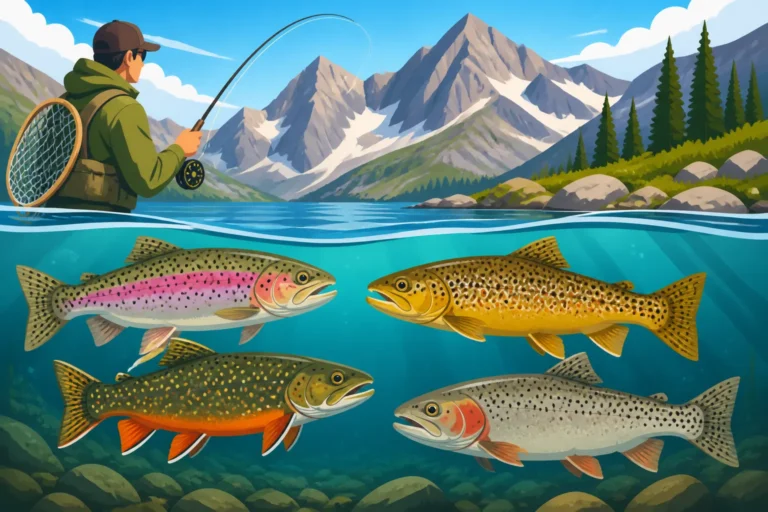
When you think of fishing the Yellowstone River, especially inside the national park boundaries near Gardiner, the first fish that often comes to mind is the iconic Yellowstone Cutthroat Trout. These beautiful, native trout are truly the crown jewel of the region's fisheries. Distinguished by the signature red or orange slash marks under their lower jaw (hence "cutthroat"), they are often found in the pristine, cold waters of the park. While you'll mainly encounter them in the upper stretches within Yellowstone National Park itself, some can still be found as the river exits the park and blends with other trout species. They are known for their willingness to rise to a well-presented dry fly, making them a favorite target for fly anglers. Their vibrant colors and strong fight on lighter tackle make every catch a memorable experience, deeply connecting you to the wild spirit of Wyoming.
Successfully targeting Yellowstone Cutthroat often means embracing a catch-and-release ethic, particularly within the park, where conservation efforts are paramount to protect this native species from hybridization and competition with introduced trout. They tend to be opportunistic feeders, responding well to various insect imitations, from prolific mayfly hatches to stoneflies and caddis. Understanding their preferred habitats – often slower runs, undercut banks, and the tails of riffles – is crucial. For an in-depth dive into these magnificent fish, you might want to read more about Cutthroat Trout Fishing in Wyoming. The experience of catching a wild Yellowstone Cutthroat is more than just landing a fish; it’s an encounter with a piece of living history, a testament to the incredible natural heritage of the Greater Yellowstone Ecosystem.
Rainbows, Browns, and Whitefish
As the Yellowstone River flows out of the national park and past Gardiner into Montana, the species mix changes, introducing a more diverse range of game fish that offer different angling challenges. Here, you'll encounter robust populations of Rainbow Trout, known for their acrobatic jumps and powerful runs. These fish thrive in the freestone nature of the Yellowstone and can grow to impressive sizes, particularly in the nutrient-rich waters downstream. They often interbreed with cutthroat, creating "cutbows," which combine the fighting spirit of a rainbow with the distinctive markings of a cutthroat. Targeting rainbows requires a versatile approach, as they'll take nymphs, streamers, and dry flies depending on the conditions and available forage. Their presence adds an exciting dynamic to the fishing, ensuring there's always something eager to bite.
Perhaps even more sought after by many anglers are the Brown Trout that inhabit the lower Yellowstone. These elusive and often larger trout are revered for their cunning and aggressive nature, particularly during the fall spawning migration. Brown trout are ambush predators, often holding in deeper pools, undercuts, and around large structure, waiting for an unsuspecting meal to drift by. Catching a large Yellowstone River brown can be the highlight of a trip, demanding skill, patience, and often larger flies or lures. In addition to these trout species, you'll also find Mountain Whitefish throughout the river. While not always the primary target, whitefish are a native species that provide excellent sport on light tackle, especially when trout are finicky. They are indicator species of healthy river ecosystems and can be a fun diversion, often caught on small nymphs or dry flies. Understanding What Fish Are in Yellowstone Lake might provide some context, even though we're talking about the river, as some species move between the two.
Best Techniques and Seasons for Success
Fishing the Yellowstone River is a year-round pursuit, but the tactics you employ and the success you find will vary dramatically with the seasons. Being prepared for these changes is what separates a good day from a truly great one.
Fly Fishing Strategies for Different Times of Year
The Yellowstone River near Gardiner is primarily a fly-fishing destination, and success often hinges on adapting your strategies to the changing seasons and insect hatches. In spring, as runoff subsides and the water begins to clear, large stonefly nymphs and emergers can be incredibly effective. As summer progresses, you'll see prolific hatches of caddisflies, mayflies (like Pale Morning Duns and Green Drakes), and eventually the famous Salmonflies and Golden Stones. During these periods, matching the hatch with dry flies can provide some truly spectacular fishing, with trout aggressively rising to the surface. Consider reading up on Best Wyoming Fly Patterns for Cutthroat Trout to get a head start on what flies to stock your box with. Later in summer, terrestrial patterns like hoppers, ants, and beetles become very effective, especially on sunny afternoons when fish are looking up.
Fall is often considered prime time on the Yellowstone, particularly for larger brown trout that begin their spawning runs. Streamer fishing becomes incredibly productive during this season, imitating baitfish that these aggressive trout are targeting. Nymphing, using various stonefly and caddis imitations, remains a consistent producer throughout much of the year, especially when fish aren't actively rising. When the water is high and off-color from spring runoff, heavier nymph rigs with attractor patterns or even large streamers can be your best bet, fished close to the banks. Knowing Wyoming Fishing Seasons Month by Month will certainly help you plan your trip accordingly, ensuring you hit the river during optimal conditions for your preferred technique. Don't forget, presentation is key – a drag-free drift is often more important than the exact fly pattern.
Gear Recommendations and General Tips
For most of your fly-fishing adventures on the Yellowstone River near Gardiner, a versatile 9-foot, 5-weight or 6-weight fly rod is an excellent all-around choice. This setup provides enough backbone to handle larger trout and cast a variety of fly sizes, from delicate dry flies to heavier nymph rigs and small streamers. Pairing it with a reliable reel spooled with a floating line and an appropriate leader (9-foot tapered leader, typically 3X to 5X depending on fly size and conditions) will serve you well. For those targeting larger brown trout with big streamers, especially during the fall, a 7-weight or even 8-weight rod might be preferred to cast heavier flies more effectively. Don't underestimate the importance of good waders and wading boots with felt or rubber soles for traction on slippery riverbeds; safety always comes first on a big river like the Yellowstone.
Beyond your primary rod and reel, a few other items are non-negotiable for a successful and comfortable day on the water. A good pair of polarized sunglasses is crucial for spotting fish and reading the water, reducing glare, and protecting your eyes. A wading staff is highly recommended, especially if you're venturing into unknown or faster currents. Pack layers of clothing, as weather in Wyoming can change rapidly, even during summer. A net is essential for safely landing and releasing fish, minimizing stress on them. And of course, a well-stocked fly box with a variety of patterns is key. Don't be afraid to try different flies throughout the day; what works in one run might not work in the next. If you're new to the sport, consider starting with a general guide like Spin Fishing Techniques for Beginners to get a feel for the basics, even if you eventually transition to fly fishing. Local fly shops in Gardiner are invaluable resources for up-to-the-minute reports and specific gear recommendations.
Navigating Regulations and Park Specifics
Fishing the Yellowstone River near Gardiner involves a unique set of circumstances due to its proximity to Yellowstone National Park. Understanding the difference between state and park regulations is absolutely critical to avoid potential legal issues and ensure a smooth, enjoyable trip.
Wyoming vs. Yellowstone National Park Rules
This is where things can get a little tricky for anglers visiting the Gardiner area, as you're literally on the border between two distinct regulatory environments: Wyoming state regulations and Yellowstone National Park regulations. While Gardiner itself is in Montana, the primary access point to Yellowstone National Park (which sits mostly in Wyoming) is right there. This means you need to be acutely aware of which set of rules applies to the water you're fishing. Inside Yellowstone National Park, you'll need a specific Yellowstone National Park fishing permit, which is separate from any state license. The park has unique regulations regarding fishing seasons, allowed tackle (often barbless hooks only, no lead weights), species-specific rules (like mandatory kill of lake trout in Yellowstone Lake), and catch-and-release requirements. It’s absolutely vital to thoroughly understand Fishing Rules Inside Yellowstone National Park before casting a single line within its boundaries.
Conversely, once the Yellowstone River leaves the park and flows into Montana, you are subject to Montana state fishing regulations. This requires a Montana fishing license, and the rules regarding tackle, bait (though still heavily restricted on many trout streams), and limits will differ. It's a common mistake for anglers to assume their Wyoming license covers them for park waters or vice-versa, leading to potential fines and frustration. Always clarify your location and the corresponding regulations. A good rule of thumb is: if you're inside the park gates, you need a park permit. If you're on the river flowing north of Gardiner in Montana, you need a Montana license. Knowing the difference is not just about avoiding a ticket; it's about respecting the specific conservation goals of each jurisdiction. For a broader understanding, consulting a guide like Wyoming Fishing Regulations Every Angler Should Know can provide a solid foundation, even though the immediate Gardiner area mostly falls under Montana rules once outside the park, and park rules inside the park.
Permits, Licenses, and Conservation
To legally fish the Yellowstone River near Gardiner, whether in the park or downstream in Montana, obtaining the correct permits and licenses is non-negotiable. For fishing within Yellowstone National Park, you purchase a special park-specific permit, which can be acquired online through the park's website, at visitor centers, or at various local sporting goods stores in gateway towns like Gardiner. These permits are typically available for 3-day, 7-day, or annual durations. This permit is unique to the park and contributes directly to its fisheries management and conservation efforts. It's not a state license, so don't confuse it with your home state's fishing authorization.
If you plan to fish the Yellowstone River outside the park, in the Montana waters north of Gardiner, you will need a valid Montana fishing license. These can be purchased online through the Montana Fish, Wildlife & Parks website, or in person at licensed vendors, including many local fly shops and general stores in Gardiner. Non-residents have several options, from daily to annual licenses. Regardless of where you fish, remember that ethical angling and conservation are paramount. This includes practicing proper catch-and-release techniques to minimize harm to fish, never littering, and understanding the importance of protecting sensitive riparian habitats. For instance, in Wyoming, there's also The Wyoming Conservation Stamp and What It Covers, which is a separate requirement for state licenses, illustrating how diverse and specific conservation rules can be across different regions and jurisdictions. Always carry your license or permit and a valid ID while fishing, as wardens frequently patrol these popular areas.
Planning Your Gardiner Fishing Adventure
A successful fishing trip is about more than just knowing where to cast; it’s about having a comfortable base, access to local expertise, and all the amenities that make your time off the water as enjoyable as your time on it. Gardiner is perfectly poised to be that ideal base.
Hiring a Local Guide
For many anglers visiting the Yellowstone River near Gardiner, especially first-timers or those looking to maximize their experience, hiring a local fishing guide is an absolute game-changer. These guides are intimately familiar with the river's ever-changing moods, knowing exactly where fish are holding, what insects are hatching, and the best techniques for success on any given day. They provide not just expertise, but also all the necessary equipment, from drift boats to rods, reels, and flies, taking the guesswork out of gear selection. This can be particularly beneficial if you're new to fly fishing or unfamiliar with the unique challenges of a large Western river. A guided trip allows you to relax, learn, and focus solely on fishing, often leading to more productive and enjoyable days.
You can find reputable guides through local fly shops in Gardiner, or by searching online platforms like FishingBooker, which lists many licensed and experienced outfitters for the region. When choosing a guide, consider their experience on the specific stretches of the Yellowstone you're interested in, their teaching style if you're looking to learn, and ensure they are properly licensed and insured. It's a fantastic way to unlock the river's secrets and learn invaluable skills that will serve you on future trips. A guide can also help you navigate the complex regulations, ensuring you stay compliant whether you're fishing in Montana or the park. For more on what to look for, check out Hiring a Fishing Guide in Wyoming. Keep in mind that prime season dates book up quickly, so plan to reserve your guide well in advance.
Accommodation and Amenities
Gardiner, being the North Entrance town to Yellowstone National Park, offers a wide array of accommodations and amenities designed to cater to tourists and outdoor enthusiasts, including anglers. You'll find everything from cozy cabins and rustic motels to larger hotels, all within easy reach of the Yellowstone River and the park entrance. During peak season (summer), booking your lodging well in advance is highly recommended, as the town can fill up quickly. Many establishments are accustomed to anglers, sometimes even offering early breakfast options or storage for waders and gear.
Beyond lodging, Gardiner provides essential services that make a fishing trip more comfortable and convenient. There are several excellent fly shops where you can purchase licenses, get up-to-the-minute fishing reports, buy flies, and even rent gear. You'll also find restaurants ranging from casual diners to more upscale options, grocery stores for packing lunches and snacks, and gas stations. The proximity to the park means you can combine your fishing adventure with wildlife viewing, hiking, or exploring the park's famous geysers and hot springs. This blend of amenities and access to world-class fishing makes Gardiner an ideal base camp for exploring the Yellowstone River and its surrounding natural wonders. Don't forget to check if your chosen accommodation offers Wi-Fi, which can be useful for checking weather forecasts and river flows each morning.
Yellowstone River Fishing at a Glance (Near Gardiner)
| Feature | Inside Yellowstone National Park (Near Gardiner) | Outside Yellowstone National Park (North of Gardiner, Montana) |
|---|---|---|
| Required License/Permit | Yellowstone National Park Fishing Permit | Montana State Fishing License |
| Primary Target Species | Yellowstone Cutthroat Trout | Rainbow Trout, Brown Trout, Cutthroat Trout, Mountain Whitefish |
| Allowed Tackle | Fly fishing only, barbless hooks, no lead weights | Fly fishing & spin fishing (with restrictions), barbless preferred for C&R |
| Bait Use | Strictly prohibited | Generally prohibited on trout streams, check regulations |
| Floating/Boating | Extremely restricted/prohibited for fishing | Generally allowed with appropriate craft and safety gear |
| Best Access Type | Wading from designated pull-offs | Wading from FWP access sites, floating by drift boat/raft |
| Conservation Focus | Protection of native Cutthroat, mandatory Lake Trout kill | Sustainable wild trout populations, habitat protection |
| Guide Availability | Limited by specific park regulations | Readily available from Gardiner-based outfitters (e.g., FishingBooker) |
Disclaimer
Please remember that fishing regulations, conditions, and access can change. Always consult the most current Wyoming Game and Fish Department, Montana Fish, Wildlife & Parks, or Yellowstone National Park regulations before heading out. Safety should always be your top priority when on the water.