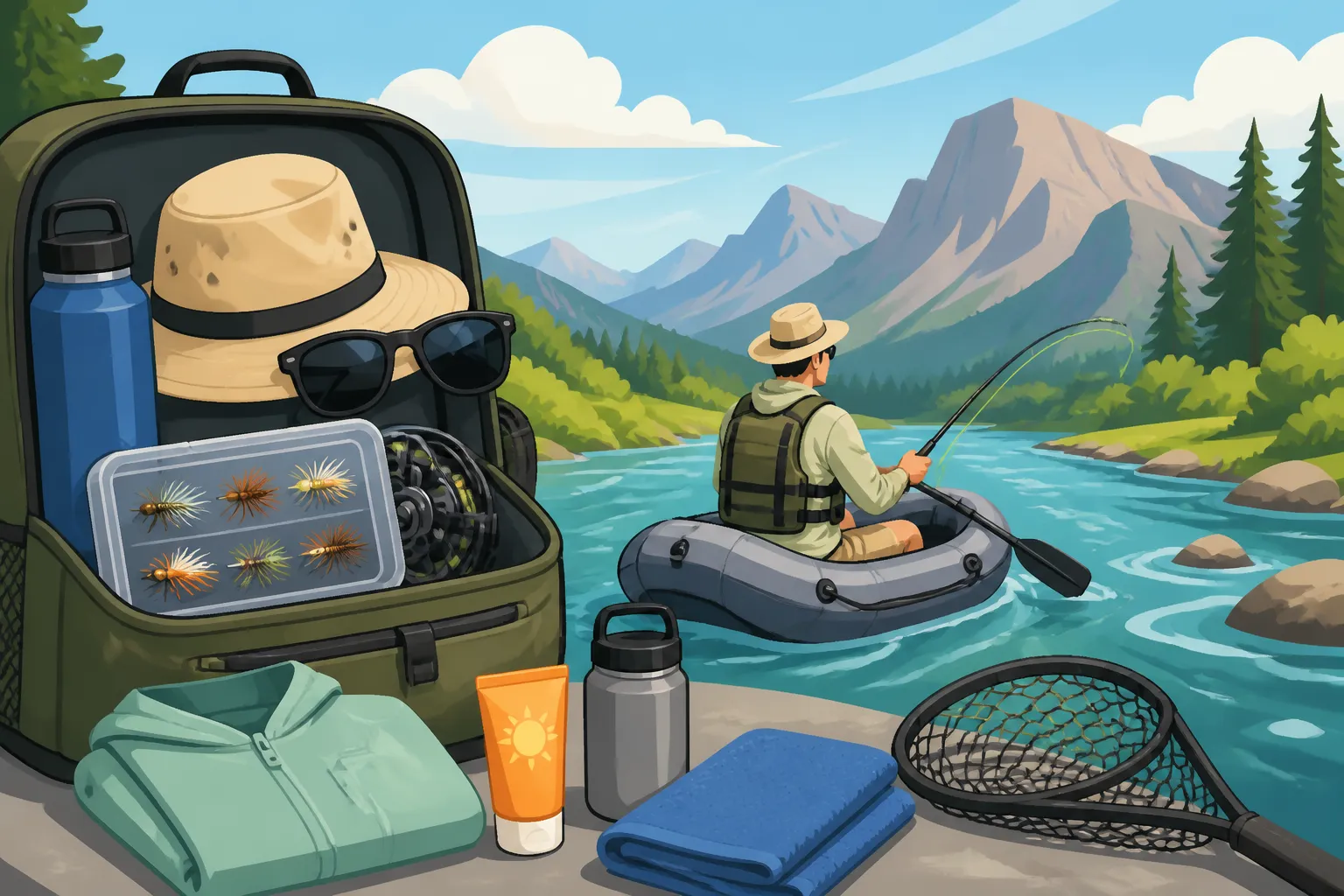
What to Pack for a Full-Day Float Trip
Planning a full-day float trip in Wyoming can feel a bit overwhelming, especially when you're trying to figure out exactly what to pack. You want to be prepared for everything the unpredictable Wyoming weather might throw at you, ensure you have all the necessary gear for a successful day of fishing, and still be comfortable enough to truly enjoy the breathtaking scenery and incredible angling opportunities. This guide is here to walk you through every essential, from crucial documents to comfort items, so you can focus on the fishing, not the packing list.
The Essentials: What You Absolutely Can't Forget
When you're out on a river or a large lake in Wyoming for a full day, there are some items that are non-negotiable. Forgetting these can either cut your trip short, lead to uncomfortable situations, or even land you in a bit of trouble with the authorities. Let's make sure your foundation is solid.
Your Fishing License and Conservation Stamp
First and foremost, you must have your Wyoming fishing license and the required Conservation Stamp. I know, it sounds obvious, but you'd be surprised how many folks get caught up in the excitement and leave it on the kitchen counter or forget to purchase one altogether. Wyoming Game and Fish Department wardens are diligent, and not having the proper documentation can result in hefty fines and a ruined day. It's not just about compliance; it's about supporting the incredible conservation efforts that make Wyoming such a premier fishing destination.
Think about it this way: your guide is expecting you to be legal, and they can't take you out if you're not. Some guides might have a way to help you purchase one on the spot if you're lucky and there's cell service, but don't count on it. It's always best to secure your license well in advance, whether online or at a local vendor. Ensure you have a physical copy or a digital copy on your phone that's easily accessible even without service. Remember to understand the differences between Wyoming Resident vs Nonresident License Rules to make sure you get the correct type. The Wyoming Conservation Stamp and What It Covers is another crucial component, often overlooked but just as important as the license itself.
Appropriate Clothing Layers for Wyoming's Weather
Wyoming weather is legendary for its unpredictability. You can start the day with clear skies and a comfortable chill, only to have a fierce wind pick up, clouds roll in, and a sudden downpour or even snow greet you by afternoon. Layering is not just a suggestion; it's a survival strategy. You'll want to pack items that can be easily added or removed as conditions change.
Start with a moisture-wicking base layer – something synthetic or merino wool that pulls sweat away from your skin. Over that, a mid-layer like a fleece jacket or a puffy vest provides warmth. Your outer layer should be a waterproof and windproof shell jacket. Don't skimp on this one; a cheap rain jacket will leave you soaked and miserable. Convertible pants, or even just quick-drying fishing pants, are a good choice for bottoms. Always bring a warm hat, even in summer, as well as a brimmed hat for sun protection. Trust me, you'll thank yourself when that afternoon squall hits. For more detailed advice, check out What to Wear on a Wyoming Guided Fishing Trip.
Sun Protection and Hydration Gear
Even on cloudy days, the Wyoming sun, especially at higher elevations, can be incredibly intense. Sunburn isn't just uncomfortable; it can be dangerous and certainly detracts from your fishing experience. Hydration is equally critical. You're out in the elements, exerting yourself, and often at altitudes you might not be accustomed to.
Pack a high-SPF sunscreen and apply it generously and often, especially to exposed skin like your face, neck, and hands. A wide-brimmed hat offers excellent protection for your face and ears, and polarized sunglasses are not only essential for seeing fish in the water but also protect your eyes from harmful UV rays. Many anglers also wear sun gloves and long-sleeved shirts with UPF protection. For hydration, bring at least two liters of water, more if it's a hot day. Many guides will have extra water, but it's always smart to have your own supply. A reusable water bottle that can be refilled is a great eco-friendly choice.
Gear for a Successful Day on the Water
Beyond the absolute necessities for your person, a successful float trip hinges on having the right fishing and personal gear. While many guides will provide some equipment, knowing what to bring yourself ensures you're comfortable with your setup and ready for whatever bites.
Rods, Reels, and Terminal Tackle
Even if your guide offers loaner gear, many anglers prefer to use their own rods and reels. Bring two rods if possible, rigged for different scenarios (e.g., one for dry flies, one for nymphs, or one for streamers if fly fishing; or different lure types if spin fishing). This saves valuable time on the water, allowing you to switch tactics quickly without having to re-tie everything. For instance, if you're planning a Fly Fishing Techniques for Wyoming Trout Streams trip, having a dedicated nymphing setup and a dry fly rod can be a game-changer.
When it comes to terminal tackle – flies, lures, leaders, tippets, weights – it's best to discuss this with your guide beforehand. They'll have up-to-date knowledge of what's currently working on the specific water you'll be fishing. However, having your own fly box or tackle box stocked with a good variety of local favorites is always a good idea. Brands like Orvis or Simms offer excellent gear, and many local fly shops across Wyoming can set you up with the hot patterns. Don't forget nippers, forceps, and an extra spool of tippet.
Wading Gear (Even for a Float Trip!)
"But I'm floating, why do I need waders?" This is a common question, and it's a valid one! While you might spend most of your day in the boat, there are many reasons you'll be glad to have waders and wading boots. Guides often pull over to fish productive stretches from the bank or to wade into shallower riffles that the boat can't access. You might also need to get out of the boat to help launch, land, or retrieve it, or simply to take a comfort break.
The river bottoms in Wyoming can be slippery, rocky, and the water is cold. A good pair of breathable chest waders and comfortable wading boots will keep you dry, warm, and stable. Even if you're not planning to wade extensively, having them as a protective layer against the elements and for quick forays into the water is invaluable. Trust me, a cold, wet angler is rarely a happy angler.
Photo and Personal Items
You're making memories out here, and you'll want to capture them! A camera (or your phone) is a must. If using your phone, ensure it's in a waterproof case or a dry bag. There's nothing worse than getting splashed and losing your device. Consider bringing a portable charger too, as snapping photos and checking the time can drain your battery faster than you think.
Beyond photography, a small dry bag for your wallet, keys, and any other personal electronics is highly recommended. Many guides will have a main dry box for larger items, but having your own small one for quick access is very convenient. Also, don't forget any personal medications you might need throughout the day. If you wear glasses, consider a retainer strap to keep them from accidentally falling into the water.
Comfort and Contingency: Making Your Trip Enjoyable
A full day on the water isn't just about catching fish; it's about the entire experience. Being comfortable, well-fed, and prepared for minor mishaps can elevate your trip from good to unforgettable.
Food, Snacks, and Beverages
Fishing makes you hungry! And thirsty! While many full-day guided trips will include lunch, it’s always a good idea to pack some extra snacks and drinks to keep your energy levels up. A morning of casting, rowing, or simply battling the elements can leave you surprisingly drained.
Think about easy-to-eat, non-messy snacks like granola bars, trail mix, fruit, or beef jerky. Pack them in individual bags or containers to keep them fresh and prevent them from getting crushed. For beverages, beyond your water, a thermos of coffee or hot tea on a chilly morning can be a real morale booster. In the warmer months, a sports drink can help replenish electrolytes. Again, check with your guide about what they provide for lunch and drinks so you can supplement accordingly. Many anglers find their guides through platforms like FishingBooker, where details about what's included are usually clearly listed.
Here's a quick packing checklist to help visualize:
| Category | Essential Items | Recommended Add-ons |
|---|---|---|
| Documents | Fishing License & Conservation Stamp, ID | Fishing Regulations Booklet |
| Clothing | Layered clothing (base, mid, outer shell), Hat (brimmed & warm), Socks | Sun gloves, Buff/neck gaiter, Waders, Wading Boots |
| Sun/Hydration | Sunscreen (high SPF), Polarized Sunglasses, Water Bottle (2L+) | Lip balm with SPF, Electrolyte drink |
| Fishing Gear | Rods (2 recommended), Reels, Fly box/Tackle box, Nippers, Forceps, Tippet, Leaders | Net (if not provided), Wading staff |
| Personal | Waterproof camera/phone, Dry bag, Personal meds, Wallet, Keys | Portable charger, Reading glasses, Small towel |
| Food/Drink | Snacks (bars, fruit, jerky), Extra water/drinks | Thermos for hot beverages, Cooler (if guide allows) |
| Contingency | Small First Aid Kit, Headlamp | Bug spray, Ziploc bags, Hand warmers |
First Aid and Emergency Preparedness
Even on a smooth float trip, minor cuts, scrapes, or headaches can happen. Having a basic personal first aid kit is a smart move. It doesn't need to be elaborate, but band-aids, antiseptic wipes, pain relievers, and any personal medications (like an EpiPen if you have severe allergies) are invaluable. Your guide will certainly have a more comprehensive kit, but it's always good to be self-sufficient for small issues.
Beyond minor injuries, consider how you might navigate an unexpected delay or if your trip extends longer than planned. A small headlamp or flashlight can be incredibly useful if you end up on the water after dark. While it’s rare for a guided trip to encounter serious emergencies, being prepared with a small whistle or a way to signal for help in a worst-case scenario is a testament to being a responsible outdoor enthusiast. You might even brush up on Fines and Penalties for Common Fishing Violations in case you witness something amiss.
Optional Comfort Items
These are the items that aren't strictly necessary but can significantly enhance your comfort and enjoyment. A small, lightweight camp chair or cushion can be a blessing if you plan on stopping for streamside lunch and want a comfy perch. A good pair of binoculars can add to the experience, allowing you to spot wildlife or distant fishing spots – Wyoming offers incredible opportunities for birdwatching and observing elk, deer, and other animals.
For those who are particular about their coffee or tea, bringing a small thermos filled with your favorite brew can start the day off right. Some anglers even bring a small, foldable net if they prefer their own, especially if practicing Catch-and-Release Best Practices for Trout. While most guides on platforms like FishingBooker will specify what they provide, it never hurts to bring those little extras that make your day truly yours. Just be mindful of space in the boat; guides appreciate clients who pack efficiently.
This comprehensive packing list should prepare you for an incredible and comfortable full-day float trip in Wyoming. Don't forget, when in doubt, call your guide and ask! They are the experts on the water you'll be fishing and can offer tailored advice to ensure you have everything you need for an unforgettable adventure. Whether you're targeting big browns on the North Platte or cutthroat in the Snake, being well-prepared is the first step to a successful day.
Disclaimer
This article is for general informational purposes only and does not constitute professional advice. Laws, prices and regulations vary by location and change over time. Consult a qualified professional for guidance on your specific situation.