Cost Difference Between a Scenic Float and a Fishing Float
Deciding between a serene float trip to soak in Wyoming's breathtaking natural beauty and an active, rod-bending fishing excursion can be tough, especially when you're also trying to manage your budget. Many folks assume a float is a float, but the reality on the waters of the Snake River or other scenic Wyoming waterways is that a fishing float trip often comes with a different price tag than a purely scenic one. This guide will help you understand the core differences that lead to varying costs, so you can make an informed choice for your next adventure.
Understanding the Core Differences: Scenic vs. Fishing Floats
It's easy to look at two different boats floating down the same river and wonder why the experiences, and their costs, aren't the same. But the distinction between a scenic float and a fishing float in Wyoming is significant, impacting everything from the equipment on board to the guide's expertise and the overall pace of your day. Each type of trip caters to a distinct desire, and the pricing reflects that specialization.
What Defines a Scenic Float Trip?
A scenic float trip is all about immersion in the landscape, a peaceful journey through some of Wyoming's most iconic natural settings. Think about drifting gently down the Snake River, gazing up at the majestic Tetons, spotting eagles soaring overhead, or watching moose graze along the riverbanks. The primary goal here is sightseeing, photography, and relaxation.
Guides on scenic floats are typically naturalists and storytellers, deeply knowledgeable about the local ecology, geology, and history. They're there to point out wildlife, share fascinating facts about the environment, and navigate the river safely. The boats themselves are often larger, designed for comfort and unobstructed views, sometimes accommodating more passengers than a fishing boat. You're typically not equipped with fishing gear, and the pace is dictated by the desire to observe and absorb, not to stop and cast. These trips are fantastic for families with young children, those who aren't interested in fishing, or anyone looking for a tranquil outdoor experience. You can often find a variety of these trips listed on platforms like FishingBooker, offering different durations and amenities.
What Defines a Fishing Float Trip?
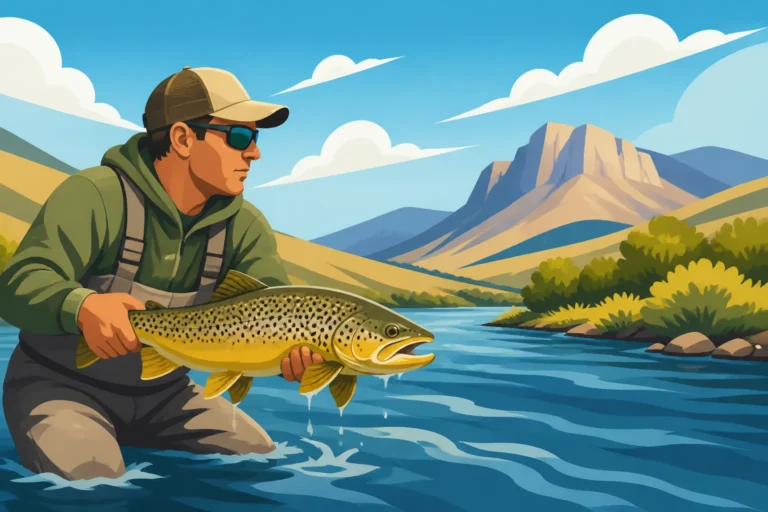
A fishing float trip, on the other hand, is a targeted expedition with one main objective: catching fish. While you'll still be surrounded by stunning scenery, your focus, and your guide's, will be squarely on the water and what's beneath it. This means the trip is designed around finding fish, putting you in the best possible position to cast, and offering expert instruction to help you land a catch.
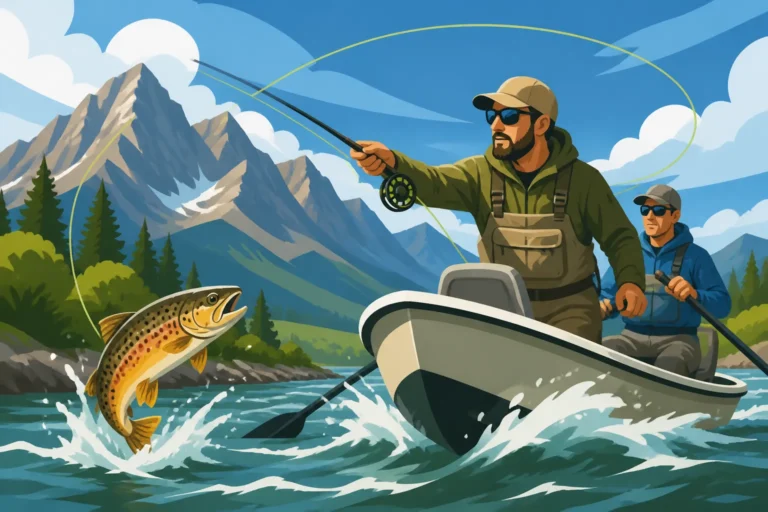
The guide for a fishing float is usually a seasoned angler with an encyclopedic knowledge of the local fish species – like the elusive Snake River Fine-Spotted Cutthroat Trout – their habits, the best flies or lures to use, and how to "read" the water to identify prime fishing spots. They're not just rowing; they're actively spotting fish, adjusting drifts, tying knots, and providing hands-on coaching. The boat is typically smaller, like a drift boat, optimized for maneuverability and often carrying fewer passengers to ensure ample casting room and personalized attention. All the necessary fishing gear, from rods and reels to flies, waders, and sometimes even a packed lunch, is usually provided. The entire flow of the day is structured around the fishing experience. For a deeper dive into the overall experience, check out What's Included in a Wyoming Snake River Guided Float Trip.
Delving into the Cost Factors: Why the Price Difference?
It’s natural to wonder why these two seemingly similar river experiences come with different price tags. The cost disparity isn't arbitrary; it's a direct reflection of the resources, expertise, and specialized services required for each type of outing. When you pay for a guided trip in Wyoming, you're not just paying for a boat ride; you're investing in an experience curated by professionals.
Specialized Equipment and Supplies
One of the most immediate differentiators in cost comes down to the gear.
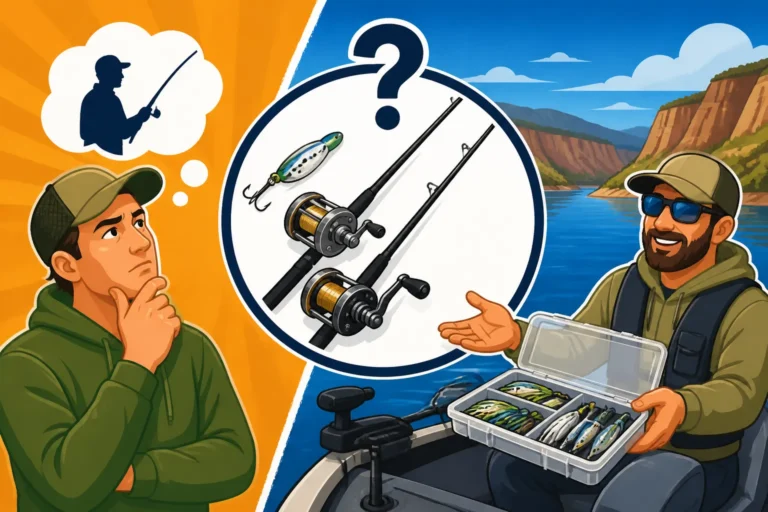
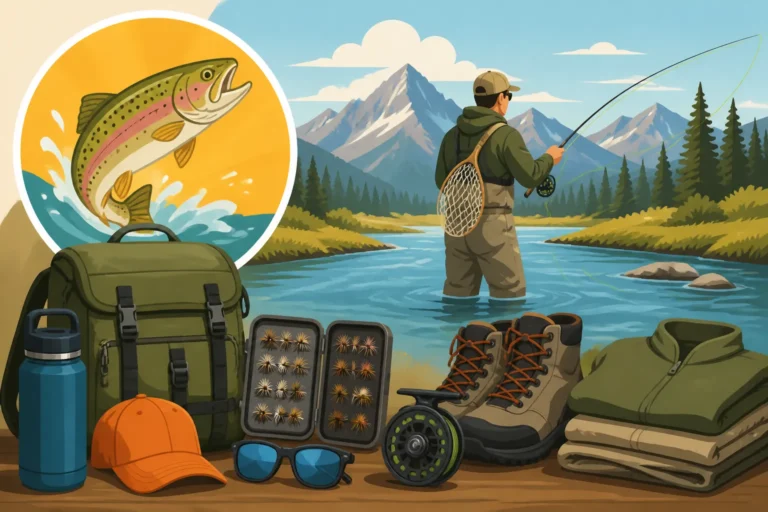
- Fishing Gear: A fishing float trip requires a substantial investment in specialized equipment. This includes high-quality rods and reels suitable for the target species (like fly fishing setups for trout), an extensive array of flies, lures, and terminal tackle, waders, and sometimes even specialty items like drift socks or depth finders. All of this gear needs to be maintained, repaired, and replaced regularly. Imagine the guide's fly box alone, stocked with hundreds of patterns to "match the hatch" – that's a significant inventory. Providing each client with a complete setup incurs a cost that a scenic float doesn't.
- Boat Configuration: While both types of trips use boats, a fishing drift boat is often configured differently. It might have casting braces, specialized storage for rods, and comfortable seating positioned for angling, not just viewing. These boats can be more expensive to purchase and maintain given their specific design and heavy use in various river conditions.
- Additional Provisions: Fishing trips might include more robust provisions, such as heavier-duty coolers for drinks and snacks, and often a more substantial lunch. Sometimes, your guide might even bring along a camera to capture your trophy catch, adding another layer of service.
In contrast, a scenic float boat prioritizes comfort and space for viewing, perhaps with cushioned seats and binoculars, but generally, less specialized equipment is needed onboard beyond safety gear.
Guide Expertise and Certifications
The skill set and certifications required for a fishing guide are generally more extensive and specialized than for a scenic float guide, which impacts their compensation and, by extension, the trip cost.
- Angling Acumen: A fishing guide isn't just navigating the river; they're intimately familiar with the river's currents, hatches, fish migration patterns, and the subtle art of presenting a fly or lure. They've spent years honing their craft, learning every riffle, run, and pool. This deep, practical knowledge is invaluable and commands a higher professional rate. They are essentially instructors and strategists on the water, tailoring their approach to your skill level and the day's conditions.
- Teaching Skills: Beyond knowing how to fish, a good fishing guide knows how to teach fishing. They can patiently instruct beginners on casting techniques, knot tying, and fish handling, or offer advanced tips to experienced anglers. This pedagogical skill adds significant value to the experience.
- Licensing and Insurance: Both types of guides require commercial operating licenses and insurance. However, fishing guides may need additional endorsements or permits, especially if operating in specific areas or national parks where regulations are stricter. The rigorous process of becoming a licensed fishing outfitter and guide, often involving extensive training and examinations, contributes to the overhead costs. This can also apply to specific waters like Fishing Rules Inside Grand Teton National Park.
A scenic guide, while also highly skilled in river navigation and safety, focuses more on interpretive skills and a broader knowledge of the environment rather than the highly specialized art of fishing.
Group Size and Personalized Attention
The number of participants per boat is another key factor in pricing.
- Intimate Fishing Experience: Fishing float trips are almost always more intimate, often limited to one or two anglers per guide. This allows for personalized instruction, dedicated attention to each angler's needs, and ample room to cast without interference. With fewer people splitting the guide's time and expertise, the per-person cost naturally increases to cover the guide's professional fee. You'll find that for Snake River Full-Day Float Trip Cost, a fishing trip often implies a smaller group.
- Larger Scenic Groups: Scenic floats, conversely, can often accommodate larger groups, sometimes up to 8-10 passengers, depending on the boat size and regulations. With more people on board, the cost per individual can be lower, as the guide's fee and operational expenses are distributed among more participants.
This difference in group size directly affects the level of individual attention you receive and the overall cost structure of the trip. For those considering Half-Day vs Full-Day Float Trips on Wyoming's Snake River, remember that both types of trips can be found in various durations, but the group size differential remains.
What Your Money Buys: Value Proposition of Each Trip
Understanding the cost difference isn't just about the numbers; it's about recognizing the value proposition each type of trip offers. Both scenic and fishing floats provide incredible experiences, but they deliver different forms of enrichment and adventure. It's about aligning your investment with your priorities for the day.
The Value of a Scenic Float
When you book a scenic float, you're paying for unparalleled access to Wyoming's natural wonders from a unique vantage point – floating on its pristine rivers. The value here is in the sensory experience: the quiet glide, the crisp mountain air, the awe-inspiring vistas, and the chance to observe wildlife in its natural habitat without the pressure of catching anything.
- Relaxation and Immersion: It’s an opportunity to completely unplug, relax, and let the beauty of places like Grand Teton National Park wash over you. The guide enhances this experience with ecological insights and local stories, turning a simple boat ride into an educational and meditative journey.
- Accessibility for All: Scenic floats are incredibly inclusive. They require no special skills or prior experience, making them perfect for multi-generational families, individuals with limited mobility, or anyone who simply wants to enjoy the outdoors comfortably.
- Memories Beyond the Catch: The photographs you'll capture, the stories of wildlife encounters, and the sheer tranquility of the river often become cherished memories. It's an investment in a peaceful retreat and a profound connection with nature.
Many outfitters, easily found through resources like FishingBooker, specialize in these types of serene excursions, highlighting specific natural attractions and wildlife viewing opportunities.
The Value of a Fishing Float
A fishing float offers a more active, hands-on adventure, where the value is found in the challenge of the chase, the thrill of the catch, and the satisfaction of improving your angling skills.
- Guided Expertise and Skill Development: You're not just fishing; you're learning from a professional. This includes instruction on casting, fly selection, reading water, and ethical catch-and-release practices. For many, the growth in their fishing abilities is as valuable as the fish they land. If you're a beginner, this education is invaluable, and even experienced anglers learn new tricks. Learn more about choosing the right guide in How to Choose a Wyoming Fishing Guide.
- The Thrill of the Catch: There’s an undeniable adrenaline rush when a fish strikes your line. Whether you're targeting trophy brown trout on the Miracle Mile or native cutthroat in a pristine mountain stream, the anticipation and success of landing a fish are deeply rewarding.
- Exclusive Access and Knowledge: Guides often have permits for specific stretches of river or private access points that might otherwise be unavailable to the public. They know the secret spots, the best times, and the subtle nuances that can make or break a fishing day. This "insider knowledge" is a significant part of what you're paying for.
- All-Inclusive Convenience: Most fishing float trips are all-inclusive regarding gear, bait, and often meals. This means you just show up ready to fish, without worrying about packing equipment or planning logistics. It removes many barriers to entry, especially for out-of-state visitors.
Both types of trips promise an unforgettable day on Wyoming's waters, but they cater to different aspirations. Your choice, and the associated cost, will hinge on whether your ideal day involves peaceful contemplation of nature or the focused pursuit of a fish.
Making Your Decision: Considerations and Practical Advice
Now that we've broken down the cost differences and the value each trip offers, how do you decide which one is right for you? It really comes down to your personal priorities, budget, and what kind of experience you're truly seeking. Don't rush into a decision; think about what will make your day on the water truly memorable.
Assess Your Goals and Group Dynamics
Before looking at prices, consider what you want out of the day.
- Relaxation vs. Activity: Are you hoping for a tranquil, passive experience where you can simply enjoy the views and snap photos? A scenic float is likely your best bet. Are you an active participant who thrives on the challenge of fishing, learning new techniques, and getting hands-on with the sport? Then a fishing float is calling your name.
- Group Makeup: Who are you going with? A large family with diverse interests, including young children or non-anglers, might find a scenic float more accommodating and cost-effective per person. If your group is primarily made up of avid anglers, or individuals keen to learn to fish, then a fishing float, despite its higher individual cost, will provide more tailored satisfaction. For families, consider Family-Friendly Guided Fishing Trips in Wyoming.
- Skill Level: If you're a seasoned angler, you might be looking for a guide to put you on trophy fish. If you're a complete beginner, you'll want a guide who is patient and adept at teaching. Scenic floats require no skill, while fishing floats can cater to all levels, with the guide providing instruction as needed.
Budgeting for Your Wyoming River Adventure
While specific prices aren't discussed here, understanding the general cost structure will help you budget.
- Scenic Float Expectation: Typically, scenic floats will have a lower per-person cost. This is due to larger group sizes, less specialized gear, and a focus on interpretation rather than intensive, personalized angling instruction. They often represent a more economical way to experience Wyoming's stunning rivers.
- Fishing Float Expectation: Fishing floats will generally carry a higher per-person rate. This accounts for the specialized gear provided, the intensive, one-on-one or one-on-two guiding, and the deeper angling expertise required of the guide.
- What's Included: Always clarify what's included in the price for both types of trips. Are drinks, snacks, or lunch provided? Is all gear included? Are licenses extra? (Spoiler: Your fishing license and Conservation Stamp will always be an additional cost for fishing trips!) This information is crucial for comparing "apples to apples" when looking at different outfitter offerings. Don't forget to factor in Wyoming Nonresident Fishing License Cost or Wyoming Resident Fishing License Cost, plus Wyoming Conservation Stamp Cost.
- Tipping: Remember that gratuity for your guide is customary for both types of trips and should be factored into your total budget. Your guide works hard to make your day enjoyable and safe, and a tip is a great way to show your appreciation. For more on this, check out Tipping Etiquette for Wyoming Fishing Guides.
Where to Find and Book Your Trip
Once you've decided on the type of trip, it's time to find an outfitter.
- Local Outfitters: Many local guide services throughout Wyoming, especially in popular areas like Jackson Hole and Cody, offer both scenic and fishing floats. A quick search will reveal many options.
- Online Platforms: Websites like FishingBooker are excellent resources. You can filter by location, trip type (scenic, fly fishing, spin fishing), duration, and read reviews from other travelers. This allows you to easily compare offerings and see what's typically included in each package. You can find options for Float Trips on Wyoming's Snake River or Guided Fly Fishing Trips in Jackson Hole, Wyoming with ease.
- Word of Mouth: Don't underestimate the power of recommendations. Ask friends, fellow travelers, or consult online forums for advice on reputable outfitters and guides.
Ultimately, the best value isn't always the cheapest option. It's the experience that best fulfills your expectations and creates the memories you're hoping for. Whether you choose to peacefully float or actively fish, Wyoming's rivers promise an unforgettable adventure.
Comparative Overview: Scenic vs. Fishing Float Trips
To help you visualize the key distinctions that influence cost and experience, here's a brief comparison of typical characteristics for both scenic and fishing float trips in Wyoming. Remember, these are general trends, and individual outfitters might offer variations.
| Feature | Scenic Float Trip (General) | Fishing Float Trip (General) |
|---|---|---|
| Primary Objective | Wildlife viewing, photography, relaxation, nature immersion | Catching fish, learning angling techniques, active participation |
| Guide Focus | Naturalist, storyteller, safe navigation | Expert angler, casting coach, fish finder, safe navigation |
| Typical Group Size | Larger (4-10+ people per boat) | Smaller (1-2 anglers per boat, occasionally 3) |
| Gear Provided | Life vests, binoculars, comfortable seating | Life vests, rods, reels, flies/lures, waders, sometimes lunch |
| Pace of Trip | Relaxed, leisurely, frequent stops for viewing | Dynamic, focused on fishing spots, active casting and drifting |
| Required Skills | None (passive experience) | Basic casting (beginners instructed), active participation |
| Cost Per Person | Generally lower | Generally higher |
| Focus on Fish | Incidental sightings, no active pursuit | Targeted pursuit of specific species (e.g., trout, salmon) |
| Best For | Families, non-anglers, photographers, relaxation seekers | Anglers of all levels, skill development, active adventurers |
This table highlights why the cost difference exists: fishing trips involve more specialized equipment, more intensive guide expertise, and a lower guide-to-client ratio, all of which contribute to a higher investment for the outfitter and, consequently, a higher price for the consumer. It's about paying for a dedicated, hands-on angling experience versus a guided sightseeing tour.
Disclaimer
This article is for general informational purposes only and does not constitute professional advice. Laws, prices and regulations vary by location and change over time. Consult a qualified professional for guidance on your specific situation.