How Much to Tip a Wyoming Fishing Guide
Alright, let's talk about something that often leaves even seasoned anglers a little stumped: how much to tip your Wyoming fishing guide. It's an unspoken rule, a common courtesy, but also a source of real anxiety for many. You want to show your appreciation for their hard work, their knowledge, and for making your trip unforgettable, but you also don't want to overdo it or, worse, undershoot it. This guide is here to demystify the art of tipping your Wyoming fishing guide, ensuring you can end your adventure feeling confident and grateful.
Understanding the Unspoken Rule of Guide Gratuity in Wyoming
Tipping culture in the guiding world, especially in a place like Wyoming where fishing is a way of life, is a deeply ingrained tradition. It's not just about paying for the service; it's about acknowledging the guide's expertise, effort, and dedication that often extends far beyond simply putting you on fish. Many guides rely heavily on these gratuities to supplement their income, particularly given the seasonal nature of much of the work.
Think about it: your guide isn't just steering the boat or pointing out rising trout. They're often up before dawn, scouting conditions, rigging rods, packing lunches, and ensuring all the gear is in top shape. They navigate challenging waters, brave unpredictable Wyoming weather, and patiently teach you new techniques. They share their deep knowledge of local ecosystems, fish behavior, and secret spots gleaned from years on the water. All this effort, combined with their passion for the sport, is what makes a good trip truly great. It's a demanding job that requires skill, patience, and a genuine love for the outdoors and for sharing that experience with others. When you consider the full scope of their day, the tip becomes a crucial part of recognizing that dedication.
Standard Tipping Percentages and Why They Vary
So, what's the magic number? While there's no official rulebook, the industry standard for tipping a fishing guide typically falls within a range. Most anglers aim for 15% to 25% of the total trip cost. This range allows for flexibility based on your experience and the guide's performance.
Let's break down why it's a range and not a fixed amount:
- 15%: This is generally considered a good, solid tip for a guide who did a fine job. They were professional, put in the effort, and you had a pleasant day on the water. Perhaps the fishing wasn't red-hot, but it wasn't due to a lack of trying on their part. They met expectations, and you felt well taken care of.
- 20%: This is often seen as the benchmark for an excellent experience. Your guide was exceptional – knowledgeable, enthusiastic, patient, and went above and beyond to make your trip successful and enjoyable. Maybe they worked tirelessly to find fish in tough conditions, shared incredible stories, or helped you land that personal best. This is the sweet spot for acknowledging outstanding service.
- 25% or More: This higher percentage is reserved for truly extraordinary experiences. Perhaps your guide defied all odds and put you on fish when no one else was catching anything, or they went to extreme lengths to accommodate a special request or handle an unexpected challenge. Maybe they taught you something profound that changed your entire approach to fishing. This level of tip signifies profound gratitude for an unforgettable and superior outing.
It’s important to remember that this percentage is based on the total cost of the trip, whether it was a Snake River Full-Day Float Trip Cost or a Snake River Half-Day Float Trip Cost. If the trip cost $500, a 20% tip would be $100. If it was $800, 20% would be $160. This keeps it fair and proportional to the service provided and the financial commitment you've already made.
Factors That Influence Your Tipping Decision
While the standard percentages provide a good starting point, several factors can (and should) influence where you land within or even outside that range. Tipping isn't just a blind calculation; it's a personal expression of your satisfaction.
The Guide's Effort and Professionalism
This is arguably the most crucial factor. Did your guide work hard all day? Were they actively scouting, changing flies or lures, moving to new spots, and trying different techniques to get you on fish? A guide who is constantly engaged, offering instruction, and genuinely invested in your success, even on a slow day, deserves a good tip.
Consider their professionalism: Were they on time? Organized? Did they maintain a positive attitude despite challenging weather or slow fishing? A great guide makes you feel comfortable, safe, and excited to be there, regardless of the catch. They anticipate your needs, offer encouragement, and share their passion. A guide's demeanor can truly make or break a trip, and their commitment to providing a top-notch experience is always worth recognizing. When you're Hiring a Fishing Guide in Wyoming, you're hiring for expertise and service.
Fishing Success (or Lack Thereof)
This is where it gets tricky. It’s natural to feel more generous after a banner day, but it’s crucial to separate the guide’s effort from the fish’s willingness to bite. Fish are wild creatures, and even the best guide can't guarantee a full net.
- Plenty of Fish: If you caught a ton of fish, especially Best Wyoming Fishing Months for Trophy Trout, and had an epic day, a higher tip (20-25%+) is absolutely warranted. Your guide likely worked hard to put you on them and deserves extra recognition for their skill and knowledge of the waters and Wyoming Fishing Seasons Month by Month.
- Slow Fishing, High Effort: If the fishing was tough, but your guide never stopped trying – continually moving, changing strategies, keeping your spirits up – they still deserve a solid tip, likely in the 15-20% range. They put in the work; the fish just weren't cooperating. This is where validating their effort despite nature's whims is key.
- Slow Fishing, Low Effort: If the fishing was bad and your guide seemed disengaged, bored, or just didn't put in the effort, you might consider tipping on the lower end, or even below the typical range. However, this is rare for professional guides in Wyoming. If you find yourself in this situation, a direct conversation with the outfitter might be more appropriate than just a low tip, as it could signal a larger issue with the guide's performance.
Condition of Gear and Boat
Did your guide provide well-maintained, high-quality gear? Was the boat clean, organized, and safe? A guide who takes pride in their equipment and ensures your comfort speaks volumes about their professionalism. This also contributes to your safety and enjoyment on the water. A good guide might even have different Fly Fishing Techniques for Wyoming Trout Streams setups ready for various conditions or species.
Knowledge and Instruction Provided
Beyond catching fish, did your guide teach you something new? Did they offer valuable insights into How to Read Water When Trout Fishing, local ecology, or specific Fly Fishing Techniques for Wyoming Trout Streams? Guides who patiently instruct beginners or help experienced anglers refine their skills add immense value to the trip. Their ability to educate and engage makes the experience richer and more memorable.
Added Services and Hospitality
Did your guide provide a fantastic lunch? Offer drinks and snacks? Help with photos? Share interesting stories about the area or the fish species you were targeting, like Wyoming's State Fish: The Yellowstone Cutthroat? These small touches significantly enhance the overall experience and should be considered when deciding on your tip.
Here’s a quick summary to help you gauge your tip:
| Factor | Lower End of Tip (10-15%) | Standard Tip (15-20%) | Higher End of Tip (20-25%+) |
|---|---|---|---|
| Guide's Effort | Minimal effort, disengaged, seemed bored | Consistent effort, professional, good attitude | Extraordinary effort, went above and beyond |
| Fishing Success | Very slow day, few fish, despite effort | Decent fishing, some success | Excellent fishing, many fish, trophy catches |
| Instruction/Knowledge | Basic answers, limited teaching | Helpful tips, shared local knowledge | Patient, thorough instruction, deep insights |
| Gear/Boat Condition | Poorly maintained, messy | Clean, well-maintained, safe | Immaculate, top-of-the-line, perfectly organized |
| Hospitality | Met basic needs | Good conversationalist, provided water/snacks | Excellent host, great food/drinks, memorable stories |
| Overall Experience | Disappointing, felt like just a transaction | Solid, enjoyable day, met expectations | Unforgettable, exceeded all expectations |
Beyond the Cash: Other Ways to Show Appreciation
While cash is king and always appreciated, there are other meaningful ways to show your gratitude, especially if your budget for tipping is stretched or you simply want to add an extra layer of appreciation.
Writing a Positive Review
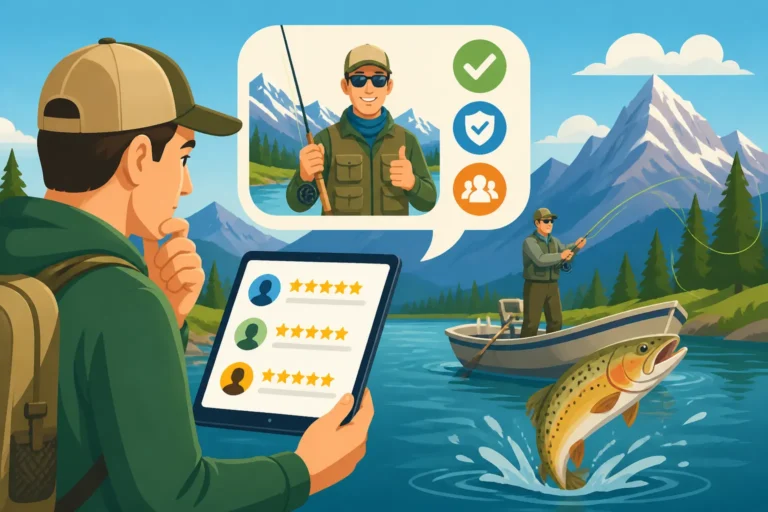
In today's digital age, online reviews are gold for guides and outfitters. Taking the time to write a detailed, positive review on platforms like Google, Yelp, or dedicated fishing booking sites like FishingBooker can significantly boost a guide's reputation and business. Mention specific things you appreciated about your guide – their patience, their humor, their ability to find fish. This costs you nothing but a few minutes of your time and can have a lasting impact on their career. Many guides depend on these reviews to attract new clients.
Spreading the Word
Word-of-mouth referrals are incredibly powerful. If you had a fantastic experience, tell your friends, family, and fellow anglers! Share your photos and stories on social media, tagging the guide or outfitter. A personal recommendation from a satisfied client is often more effective than any paid advertising. This is another way to support your guide long after your trip is over.
Offering Food or Drink
Sometimes, a thoughtful gesture can be just as impactful as cash. If you know your guide enjoys a particular local craft beer, coffee, or a good meal after a long day, offering to treat them can be a kind touch. This should always be in addition to a cash tip, not a replacement, unless explicitly discussed and agreed upon. It’s a way to personalize your thanks and show you were paying attention.
Sending Photos from Your Trip
Guides love to see their clients happy and often enjoy having photos of their successes. If you captured some great shots of your guide, the fish, or memorable moments, offer to send them copies. They might use them for their own portfolio or social media, and it's a nice way to share the memories.
Tipping When Booking Through an Outfitter or Service
Often, you'll book your Guided Fishing Trips in Grand Teton National Park, Wyoming or Guided Fly Fishing Trips in Jackson Hole, Wyoming through a larger outfitter or a platform like FishingBooker. This doesn't change the tipping etiquette. Your tip still goes directly to your individual guide, not the outfitter.
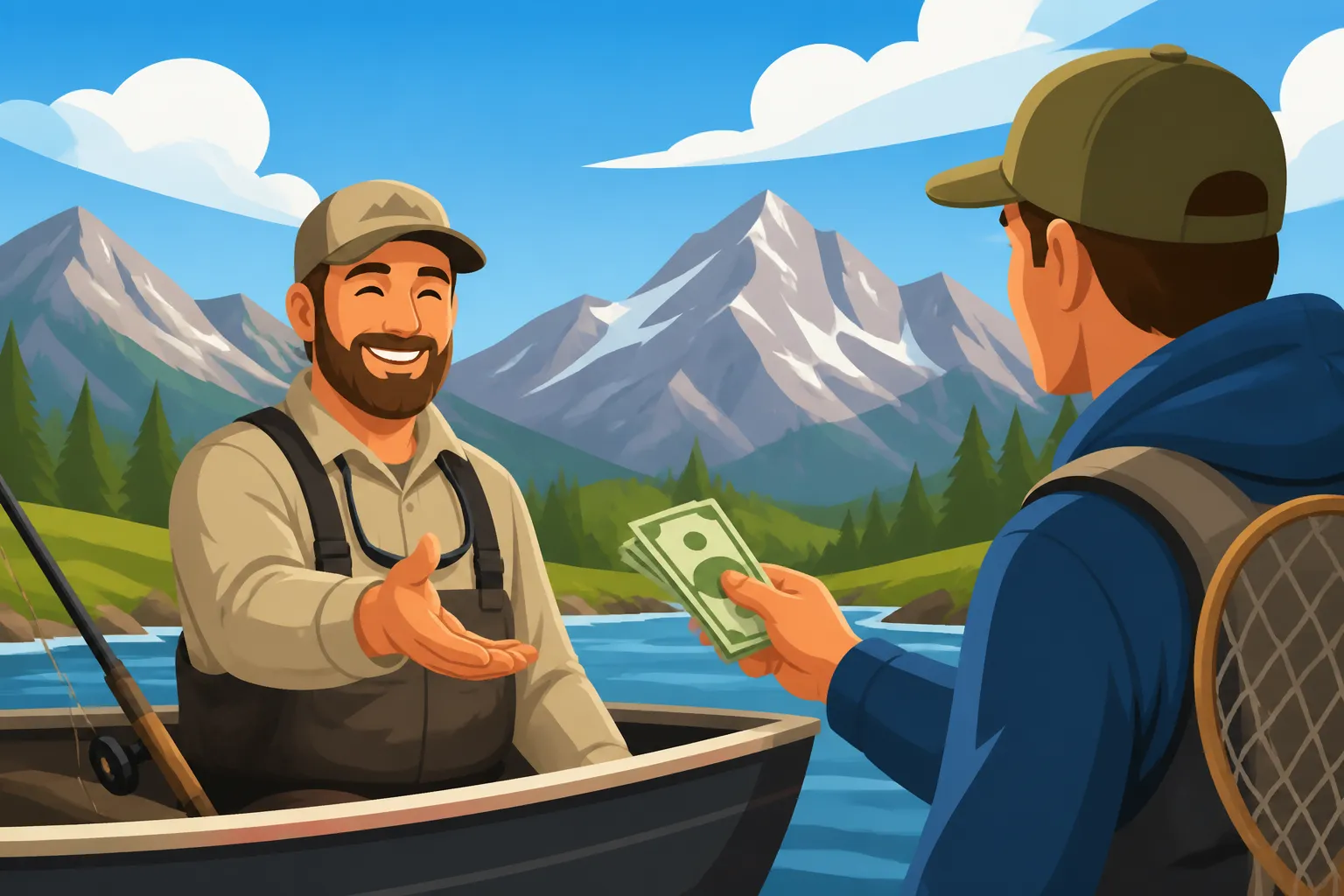
Sometimes, the outfitter might collect the tip on behalf of the guide, especially if you're paying by card at the end of the day. However, it's always best practice to have cash on hand to give directly to your guide. This ensures they receive the full amount immediately and allows for that personal exchange of gratitude. Before your trip, it's a good idea to confirm with the outfitter their preferred method for handling gratuities, or simply ask "Do most clients tip the guide directly in cash, or do you handle that here?" You can also read reviews on sites like FishingBooker to gauge common practices for a particular guide or outfitter.
Remember, the goal is to show genuine appreciation for the hard work and memorable experience your guide provided. A thoughtful tip, coupled with a sincere thank you, goes a long way in building positive relationships within the Wyoming fishing community.
Disclaimer
This article is for general informational purposes only and does not constitute professional advice. Laws, prices and regulations vary by location and change over time. Consult a qualified professional for guidance on your specific situation.