Do Ice Fishing Guides Provide Shelters and Augers?
One of the biggest hurdles for folks new to ice fishing, or even experienced anglers visiting a new state like Wyoming, is the sheer amount of specialized gear involved. You look at those fancy ice shacks, the buzzing augers, and all the high-tech fish finders, and it's easy to feel overwhelmed, wondering if you need to buy it all just for one trip. The good news is that if you're considering a guided ice fishing trip in Wyoming, your guide often provides much of that intimidating, bulky equipment, making the experience accessible and enjoyable from the start.
The Essential Gear for Wyoming Ice Fishing: What You'll Need Anyway
Even with a fantastic guide providing the heavy-duty equipment, there are still some personal items you'll absolutely need to bring to ensure your comfort and safety on the ice. Wyoming winters are no joke, and being unprepared for the cold can quickly turn a fun day into a miserable one.
The Absolute Must-Haves for Safety and Comfort
Think layers, layers, layers! The temperature on a Wyoming lake can fluctuate wildly, and what starts as a calm, chilly morning might turn into a windy, frigid afternoon. Insulated, waterproof boots are non-negotiable – your feet are the first to get cold when sitting on the ice. A good pair of wool or synthetic socks, followed by thick boot socks, will make a huge difference. Don't forget a warm hat that covers your ears, waterproof gloves or mittens (and maybe an extra pair!), and a neck gaiter or scarf. Hand warmers and foot warmers are also highly recommended.
For safety, especially if you're venturing out early in the season or on unfamiliar ice, a spud bar can be a lifesaver. While your guide will assess ice conditions, carrying one yourself can provide extra peace of mind. Ice picks, worn around your neck, are also smart to have. These little tools can help you pull yourself out if you accidentally break through the ice. Your guide will emphasize safety, but being personally equipped adds an extra layer of readiness.
Personal Fishing Tackle Considerations
When it comes to the actual fishing tackle, like your rod and reel, many guides will provide these. However, if you have a favorite ice fishing rod or a lucky reel you prefer, you might want to bring it along. Most ice fishing rods are quite short, so they're not difficult to transport. Discuss this with your guide beforehand. They usually have a variety of setups, from ultra-light for panfish to heavier gear for targeting larger species like lake trout or walleye.
Regarding lures and bait, your guide will typically have a well-stocked arsenal of what's currently working best on the specific body of water you'll be fishing. This local knowledge is invaluable! They'll know if the fish are hitting tiny tungsten jigs tipped with a maggot or if they're preferring a larger spoon for lake trout. Still, if you have a "secret weapon" lure that's always produced for you, there's no harm in bringing it. Just be prepared to defer to your guide's expertise, as their job is to put you on fish.
What Most Wyoming Ice Fishing Guides Provide: The Big Ticket Items
This is where hiring a guide really pays off! The cost and hassle of acquiring, transporting, and maintaining the core ice fishing equipment can be significant. Guides invest heavily in high-quality gear to ensure their clients have a comfortable, productive, and safe trip.
Shelters: Your Sanctuary on the Ice
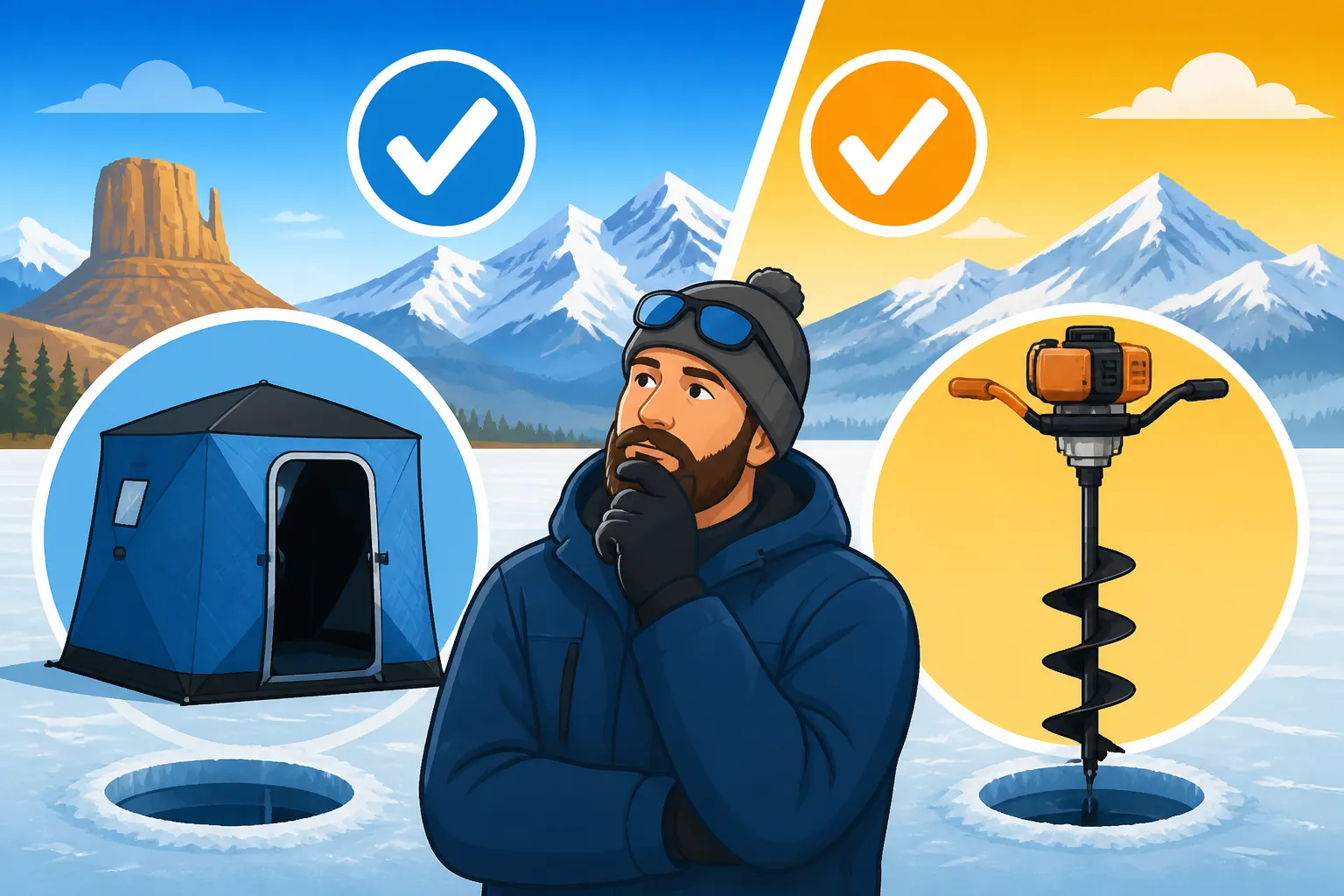
Imagine sitting in the wide-open expanse of a frozen Wyoming lake, exposed to biting winds and snow. That's why shelters are so crucial. Most Wyoming ice fishing guides will absolutely provide a shelter, or multiple shelters, for your trip. These typically range from portable hub-style shelters that set up quickly to more robust, semi-permanent shacks that offer a bit more space and comfort. The type of shelter often depends on the guide's setup and the specific lake you're fishing.
These shelters aren't just for blocking the wind; they're your warm oasis on the ice. They retain heat, often provided by a portable propane heater, allowing you to shed some layers and truly enjoy the experience even when temperatures plummet outside. The best part? Your guide will handle the setup and tear-down, so you don't have to wrestle with frozen fabric or poles. When you're searching for a guide, platforms like FishingBooker often allow guides to detail the amenities they offer, including the type and size of shelters.
Augers: Making the Hole to the Fish
Drilling holes through thick Wyoming ice is hard work, and doing it manually with a hand auger can be exhausting, especially if you need to drill multiple holes to find active fish. This is another area where guides shine! They nearly always provide the auger, and more often than not, it will be a power auger – either gas, propane, or electric.
Power augers make quick work of even two feet of ice, allowing your guide to efficiently punch a grid of holes to locate fish. They can drill new holes if the fish move or if you want to try different depths or areas. You might even get a chance to operate one yourself, under their supervision, which can be a fun experience! Having your guide handle the augering means you conserve energy for fishing and enjoying the stunning Wyoming scenery.
Sonar and Locators: The Eyes Under the Ice
In the world of ice fishing, being able to see what's happening beneath your hole is a game-changer. Modern sonar units, often called flashers or fish finders, provide real-time information about the depth, the bottom structure, your lure, and most importantly, any fish that swim into view.
Your guide will undoubtedly bring these sophisticated electronics. They are experts at interpreting the signals, telling you exactly when a fish is approaching your bait, how it's reacting, and when to set the hook. This technology not only increases your chances of catching fish but also transforms the experience into an engaging video game-like interaction. Some guides might even have advanced units that give a live view of the underwater world, making it incredibly exciting to watch a fish approach and strike your lure.
Beyond the Basics: Additional Guide Services and Amenities
While shelters and augers are key, a good Wyoming ice fishing guide offers a much more comprehensive experience, turning a cold outing into a comfortable and memorable adventure.
Heating, Seating, and Warmth Essentials
It's not enough to just have a shelter; it needs to be comfortable. Beyond the structure itself, guides will usually equip their shelters with portable propane heaters to keep the interior toasty. They'll also provide comfortable seating, whether that's specialized ice fishing chairs, insulated bucket seats, or even small benches. Nobody wants to stand on ice all day! They'll also typically have extra propane tanks on hand, so you don't have to worry about running out of heat.
Think of it as your portable living room on the ice, complete with everything you need to relax between bites. This attention to detail in creating a warm, inviting space allows you to focus on the fishing rather than fighting the elements.
Bait, Tackle, and Expert Advice
As mentioned earlier, guides almost always provide the bait and tackle. This includes live bait like minnows, wax worms, or mealworms, which can be incredibly effective on the ice. They'll also have a selection of jigs, spoons, and other artificial lures specifically chosen for the local species and conditions. This saves you the headache of trying to figure out what to buy and where, and ensures you're using what works best.
More importantly, you're not just getting gear; you're getting a master class in ice fishing. Your guide knows the lake, the fish, and the patterns. They'll show you how to read your sonar, how to present your bait, and subtle techniques for enticing bites. They understand How Water Temperature Changes Wyoming Trout Behavior and What Happens to Fishing During a Low-Water Year. They can explain What Fish You Can Catch Ice Fishing in Wyoming on specific bodies of water, and help you land them. This expert advice is truly priceless for both beginners and experienced anglers looking to learn new tricks. Many guides specify their areas of expertise, such as targeting Walleye Fishing in Wyoming or chasing large Lake Trout (Mackinaw) Fishing in Wyoming, and you can often find these details on guide booking platforms like FishingBooker.
Transportation, Photography, and Fish Processing
The trip often starts well before you hit the ice. Many guides will pick you up at a designated meeting point. Once at the lake, they'll use snowmobiles, ATVs, or specially equipped trucks to transport you and all the gear across the frozen expanse to the prime fishing spots. This is a huge convenience, saving you from navigating potentially tricky ice conditions or hauling heavy equipment long distances.
Throughout the day, many guides are happy to snap photos of you with your catch, ensuring you have great memories to take home. And at the end of a successful day, a good guide will often offer to clean and fillet your fish for you, leaving you with ready-to-cook fillets and none of the messy cleanup. Some guides even provide a warm beverage or a packed lunch to keep you fueled, adding another layer of comfort to your adventure.
Planning Your Guided Wyoming Ice Fishing Adventure
Hiring a guide for ice fishing in Wyoming takes a lot of the logistical guesswork out of the equation, letting you enjoy the unique thrill of the sport. But a little preparation on your end will go a long way to ensure a seamless and unforgettable experience.
Asking the Right Questions Before You Book
Don't be shy about asking questions when you're booking your trip! A reputable guide will appreciate your proactive approach. Here are some key things to clarify:
- What's explicitly included? Confirm that shelters, augers, heaters, and seating are provided. Also, ask about tackle (rods/reels) and bait.
- What do I need to bring? Beyond personal clothing, ask if you need to bring anything specific, like snacks, drinks, or a cooler for your catch.
- Group size and personal space: If you're going with a group, inquire about the size of the shelters and how many people will comfortably fit in each.
- Fish cleaning: Confirm if the guide offers fish cleaning services at the end of the trip.
- Meeting point and transportation: Understand where and when you'll meet, and how you'll get to the fishing spot on the ice.
Platforms like FishingBooker are excellent resources for finding guides and comparing their offerings, as many will list exactly what they provide in their trip descriptions.
Licensing, Permits, and Other Regulations
Even with a guide, you are personally responsible for having the correct Wyoming fishing license and adhering to all state regulations. Your guide cannot purchase a license for you on the spot, so make sure this is handled well in advance. Depending on whether you're a resident or nonresident, and how long you plan to fish, your options might vary. You can find detailed information on topics such as Wyoming Resident vs Nonresident License Rules and Wyoming's Annual, Daily and Five-Day License Options. Don't forget the Wyoming Conservation Stamp Cost which is usually required in addition to your license.
Be sure to familiarize yourself with Wyoming Fishing Regulations Every Angler Should Know, including Understanding Wyoming's Daily Bag Limits by Species for the fish you plan to target. Some waters, especially those within national parks like Fishing Rules Inside Grand Teton National Park or Fishing Rules Inside Yellowstone National Park, have specific additional rules or permit requirements. Your guide will be knowledgeable about the local rules, but ultimately, it's up to you to be compliant.
Maximizing Your Guided Experience
To make the most of your day on the ice, here are a few final tips:
- Listen to your guide: They are the experts in these waters and conditions. Follow their instructions on bait presentation, hook sets, and where to focus your efforts.
- Dress appropriately: I can't stress this enough. Even with a heated shelter, you'll be moving in and out, and the wind can be brutal. Overdressing is always better than underdressing.
- Communicate: If you're cold, uncomfortable, or have questions, speak up! Your guide wants you to have a great time.
- Tipping: While not mandatory, it's customary to tip your guide for a job well done. Generally, 15-20% of the trip cost is a good guideline, especially if they went above and beyond. For more specific details, check out How Much to Tip a Wyoming Fishing Guide.
- Embrace the adventure: Ice fishing is a unique experience. Enjoy the quiet solitude, the camaraderie, and the thrill of pulling a fish through a hole in the ice in the incredible Wyoming landscape.
Guide Provided Gear Breakdown
Here's a quick look at what you can generally expect your ice fishing guide to provide versus what you'll typically need to bring yourself:
| Category | Angler Typically Provides | Guide Typically Provides |
|---|---|---|
| Personal Comfort | Warm clothing, insulated boots, hat, gloves, neck gaiter, sunglasses, sunscreen, snacks, drinks | Heated shelter, comfortable seating, extra propane |
| Safety | Personal ice picks (recommended), spud bar (if desired) | Ice condition assessment, first aid kit, safety ropes |
| Fishing Gear | Personal lucky lures (optional), specific preferred rod/reel (optional) | Rods, reels, line, a variety of effective lures, live bait, tackle box |
| Equipment | None | Power augers, sonar/fish finders (flashers/graphs), GPS, snowmobiles/ATVs for transport |
| Services | Your valid fishing license and conservation stamp | Expert guidance, fish locating, hole drilling, fish cleaning, photography |
Disclaimer
This article is for general informational purposes only and does not constitute professional advice. Laws, prices and regulations vary by location and change over time. Consult a qualified professional for guidance on your specific situation.