Best Time of Year to Book a Boysen Walleye Guide
Planning a trip to fish for walleye at Boysen Reservoir can be incredibly exciting, but also a little daunting. So many folks get frustrated trying to figure out the "perfect" time to go, wondering when those elusive walleye are most active or when the big ones decide to bite. You want to maximize your chances, especially when you're investing in a guided trip. This guide is here to break down the best times of year to book a walleye guide for Boysen Reservoir, helping you understand the seasonal patterns and what to expect from each period, so you can make an informed decision for your dream fishing adventure.
Understanding Boysen Walleye Behavior Throughout the Year
To really get a handle on when to book a guide for Boysen Reservoir, it helps to think like a walleye. Their behavior, much like ours, is heavily influenced by the seasons, especially water temperature and food availability. Boysen is a fantastic walleye fishery, known for both numbers and some truly impressive trophy fish, but they don't just bite indiscriminately all year long. Knowing what the walleye are up to can give you a serious edge in timing your trip perfectly.
The Spring Spawning Frenzy
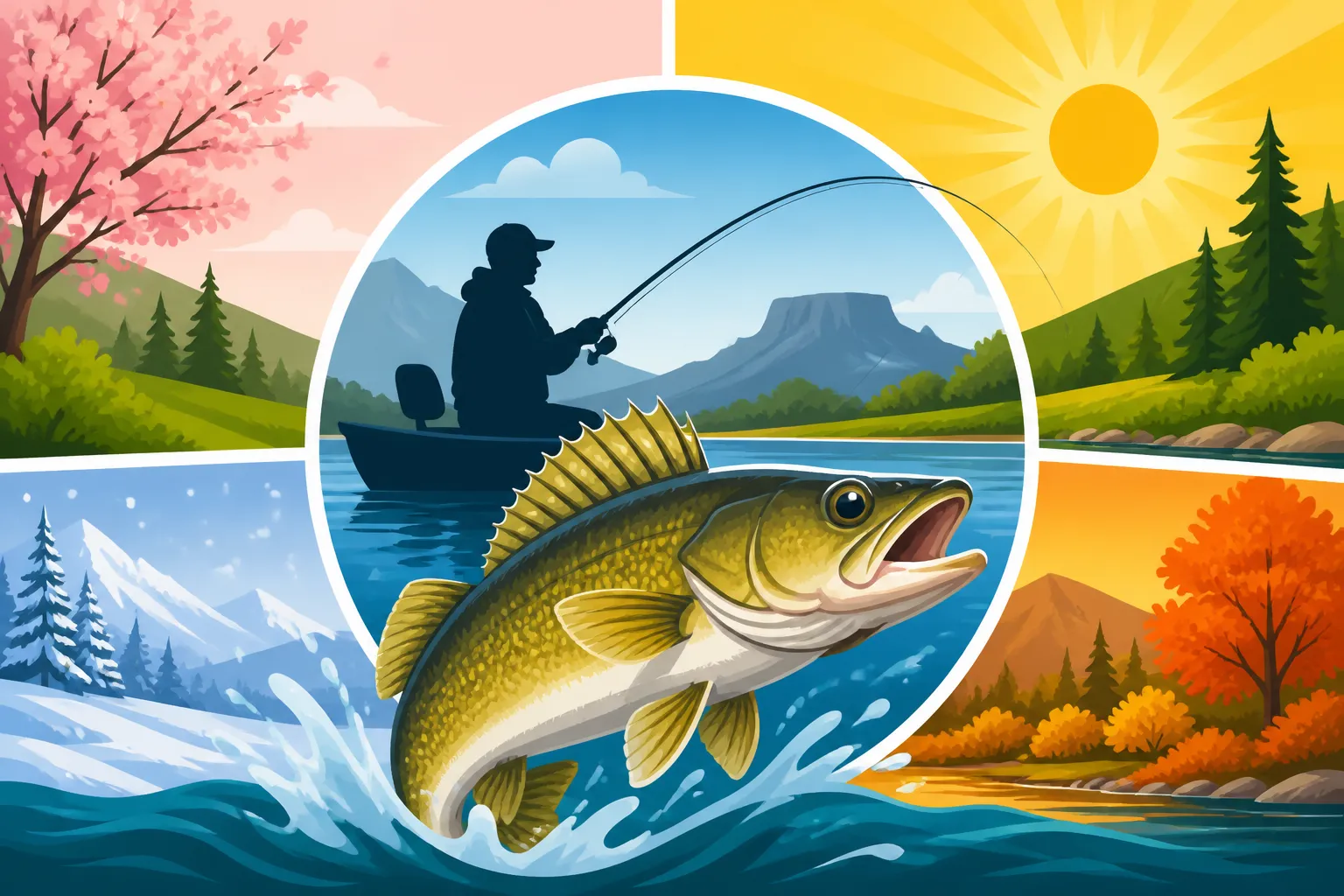
Spring at Boysen Reservoir is a period of intense activity, both for the fish and for eager anglers. As the ice finally recedes, usually around April or early May, the walleye start to get active. Their primary drive at this time is reproduction. They'll move into shallower, rocky areas, points, and tributary mouths, preparing to spawn. This pre-spawn and spawn period can be absolutely fantastic for catching good numbers of fish, including some big females full of roe.
Think about it from their perspective: they've been relatively dormant under the ice all winter, and now the water is warming, prompting them to feed heavily to build up energy for spawning. They become more aggressive, making them more susceptible to lures and baits presented by a skilled guide. Post-spawn, the fish are often exhausted but quickly resume feeding to recover, scattering a bit more but still very catchable. A good guide knows exactly where these fish are staging and how to target them effectively during this crucial transition.
Summer's Deep-Water Patterns
Once the spring spawning is done and the water temperatures continue to climb, Boysen's walleye typically transition to deeper, cooler waters. This doesn't mean they stop biting, but their patterns shift dramatically. During the warmer summer months, from late June through August, walleye often relate to structure such as humps, ledges, submerged islands, and deep points. They'll follow schools of baitfish, often hanging out just above the thermocline (that distinct layer where warm surface water meets cooler, deeper water).
Fishing during summer often involves different techniques than spring, such as trolling with crankbaits or spinner rigs, or jigging vertically over deep structure. It can still be very productive, especially during low light hours like dawn and dusk, or on overcast days. While you might not find the same "frenzy" as during the spawn, summer can produce consistent action and give you a chance at those big, well-fed walleye that have been packing on weight all season. Plus, the weather is usually more stable and pleasant for a full day out on the water.
Fall's Feeding Frenzy
Many seasoned walleye anglers will tell you that fall is arguably the best time of year for trophy walleye at Boysen Reservoir. As summer heat fades and the water temperatures begin to drop in September and October, walleye enter a massive feeding frenzy. They know winter is coming, and they need to bulk up. This often means they become incredibly aggressive, chasing down larger baitfish and expending more energy in pursuit of a meal.
During this period, walleye will often move back to shallower depths during certain times of the day, particularly on cloudy days or when baitfish are pushed shallow. They'll also remain active on deep structure. Guides during the fall will employ a variety of tactics, from trolling large crankbaits to jigging heavier spoons or soft plastics. The cooler air can be brisk, but the potential for catching a true Boysen monster is incredibly high. If you're after that picture-perfect trophy walleye, fall should definitely be on your radar. Best Month for Walleye at Boysen Reservoir dives deeper into this specific timing.
Peak Seasons for Walleye Fishing at Boysen Reservoir
While Boysen Reservoir offers walleye fishing opportunities throughout the open water season, certain times truly stand out for consistent action and the chance at trophy fish. These peak seasons are when most guides are busiest, and for good reason – the fish are often more predictable and aggressive.
Spring (April to Early June): Numbers and Pre-Spawn Giants
The spring season, from roughly April to early June, is a prime window for walleye fishing at Boysen. As the ice melts, usually sometime in April, the water temperatures begin to rise. This triggers the walleye to move into their pre-spawn and spawning areas. You'll find fish in shallower bays, along rocky shorelines, and near the mouths of any inflowing tributaries.
- Pre-Spawn (Late April/Early May): This is often the time when big female walleye are staging, full of eggs, and feeding aggressively. They're looking for protein to fuel the spawn, making them vulnerable to presentations like jigs tipped with minnows or soft plastics, and slow-trolled crankbaits. A good guide knows the exact subtle temperature changes that initiate this movement and can position you right where the fish are holding. The excitement of catching a plump walleye before it drops its eggs is a unique thrill.
- Spawn and Post-Spawn (May/Early June): The actual spawning period can be tricky, as fish are focused solely on reproduction and may not bite as readily. However, immediately after the spawn, the fish become incredibly hungry, seeking to replenish lost energy. They might be a bit more scattered, but they are still catchable and will readily strike a variety of baits. This can be a fantastic time for sheer numbers, with many actively feeding fish. The weather can be unpredictable in spring, from calm, warm days to blustery, snowy mornings, so come prepared for anything.
Fall (September to October): Trophy Hunt Season
If your goal is to land a true trophy walleye – one of those absolute beasts Boysen is famous for – then booking a guide in the fall, particularly September and October, is often your best bet. As mentioned, walleye are driven by instinct to feed heavily before the lean winter months. They are focused on putting on as much weight as possible, and they aren't shy about it.
- Aggressive Feeders: Fall walleye are often more aggressive than at any other time of year. They'll chase down larger lures, and their strikes can be absolutely savage. This is when you're likely to connect with a genuine leviathan. Guides will often use larger presentations and cover more water, as the fish are actively roaming and hunting.
- Location, Location, Location: While some fish might still be found shallow, many of the biggest walleye will be relating to deeper structures, sometimes moving shallower to feed and then retreating. A guide's intimate knowledge of Boysen's underwater topography and how baitfish are behaving is invaluable. They'll know which ledges, humps, or points are holding the most active fish.
- Weather Considerations: Fall weather in Wyoming can be stunning, with crisp air and golden cottonwoods along the reservoir. However, it can also bring sudden cold snaps or strong winds. Dress in layers! While the air might be chilly, the fishing can be red-hot. For specific guidance on what to target, check out What Size Boysen Reservoir Walleye Are Averaging.
Other Times: Don't Count Them Out!
While spring and fall are often highlighted as prime, don't completely discount other times. Summer (June-August) can be excellent for consistent action, especially for smaller to mid-sized walleye, and can offer pleasant weather for family trips. Even early winter, before thick ice sets in, can see some good pre-ice fishing if conditions allow. However, if you're traveling specifically for a guided walleye experience, spring and fall generally offer the highest likelihood of success for both quantity and quality.
Factors Influencing Your Booking Decision
Deciding the "best" time isn't just about fish behavior; it's also about practical considerations. You're looking for a guided trip, which means working with a professional who has limited availability. Timing, therefore, also involves what works best for you and securing that spot.
Guide Availability: Book Early, Especially for Peak Seasons
This is perhaps the single most crucial factor once you've decided on a general timeframe. The best walleye guides at Boysen Reservoir are incredibly popular, and their prime dates in spring and fall book up fast. I've seen it firsthand—anglers waiting until a month or two before their desired trip only to find their preferred guide fully booked.
- Plan Ahead: If you have a specific guide in mind or a non-negotiable window for your trip, I strongly recommend booking 6-12 months in advance. Yes, that far out! This ensures you get the dates you want and your choice of guide. Many guides open their books for the following year in late fall or early winter.
- Flexibility Helps: If your schedule is more flexible, you might find openings closer to your trip, especially on weekdays or during slightly less "peak" weeks. However, don't rely on last-minute availability for a prime weekend in May or October.
- Utilize Booking Platforms: Websites like FishingBooker are excellent resources for checking guide availability across multiple outfitters simultaneously. You can filter by species, location, and desired dates, making it much easier to see who's open and compare options. It’s a real time-saver. Guided Walleye Trips at Wyoming's Boysen Reservoir can also offer insights into finding and booking these specific types of trips.
Weather and Water Conditions
Wyoming weather is famously unpredictable. A beautiful, calm spring day can turn into a windy, snowy squall in hours. Similarly, glorious fall weather can quickly shift.
- Spring Variability: Early spring can bring cold, windy days and even snow. Water levels might be lower pre-runoff, or muddy during early runoff events. Guides are adept at navigating these conditions, but anglers should be prepared with appropriate clothing layers.
- Summer Stability: Summer generally offers the most stable and pleasant weather, though afternoon thunderstorms are common. Water levels are typically higher, and clarity is usually good. The downside is warmer surface temps, which push walleye deeper.
- Fall Extremes: Fall can offer crisp, beautiful days perfect for fishing, but it can also usher in significant cold fronts, high winds, and early season snow. These weather changes can sometimes trigger a hot bite, but also make for challenging fishing conditions.
- Impact on Fishing: Weather directly impacts fishing. High winds can make boat control difficult, reducing bite detection. Cold fronts can shut down fish for a day or two. Trust your guide's expertise; they'll adjust tactics based on the conditions, but being flexible with your expectations is key.
Crowds and Pressure
Boysen Reservoir is popular, and during peak fishing seasons, especially on weekends, you will see more boats.
- Peak Season Traffic: Weekends in May, June, September, and early October can see significant angler traffic, both from locals and out-of-state visitors. While Boysen is a large reservoir, popular areas can get crowded.
- Mid-Week Advantage: If you prefer less crowded waters, consider booking a guided trip on a weekday. You'll often have more space to yourself and potentially less competition on prime fishing spots.
- Guide Strategies: A good guide will often have strategies to avoid the worst of the crowds, taking you to less pressured areas or knowing how to work popular spots effectively even with other boats present.
Cost and Trip Duration
While specific costs vary, guided trips are an investment. You'll want to ensure you're getting the most value.
- Half-Day vs. Full-Day: Most Boysen walleye guides offer both half-day and full-day trips. Full-day trips allow more time to cover different spots, adapt to changing conditions, and learn various techniques. For serious walleye anglers, a full day is usually recommended.
- Value of Expertise: Remember that you're paying for a guide's local knowledge, specialized equipment, boat, and their ability to put you on fish, regardless of conditions. This expertise is invaluable at a diverse fishery like Boysen.
| Season | Primary Target | Pros | Cons | Best For | Booking Lead Time |
|---|---|---|---|---|---|
| Spring | Numbers, Big Pre-Spawn | High potential for large numbers; chance at trophy females; aggressive bites | Unpredictable weather (cold, windy, snow possible) | Anglers seeking high volume and pre-spawn giants | 6-12 months |
| Summer | Consistent action, relaxed trips | Stable weather; pleasant conditions; consistent mid-size fish | Walleye often deeper; can be slower during midday | Family trips; consistent action; comfortable weather | 3-6 months |
| Fall | Trophy Walleye | High potential for true trophy fish; aggressive feeding frenzy | Cooler, potentially windy weather; shorter days | Serious anglers targeting the largest walleye | 6-12 months |
Making the Most of Your Guided Boysen Walleye Trip
Once you've picked your season and booked your guide, there are a few things you can do to ensure you have the best possible experience chasing those Boysen walleye. Your guide is there to help, but your preparation and attitude can make a huge difference.
Communicate with Your Guide
Before your trip, have an honest conversation with your guide.
- Set Expectations: Discuss what you hope to achieve. Are you after a trophy, or do you want to catch as many fish as possible? Are you hoping to learn new techniques? This helps your guide tailor the trip to your preferences.
- Ask About Gear: Inquire about what tackle and gear they provide and what, if anything, you should bring. Most guides provide rods, reels, and bait, but clarify if there's anything specific you're particular about.
- Discuss Conditions: Ask about recent fishing conditions and what techniques they've been using. This gives you a realistic idea of what to expect on the water. How to Jig for Walleye in Cold Water could be a topic to discuss for fall or late spring trips.
Be Prepared for Wyoming Weather
I cannot stress this enough: Wyoming weather is its own beast! Layers are your best friend, no matter the season.
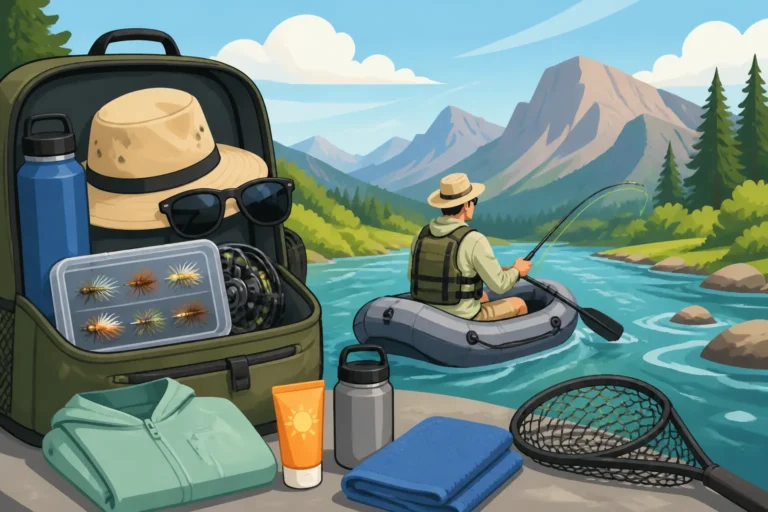
- Dress in Layers: Even on a seemingly warm day, temperatures can drop quickly, especially on the water. Bring rain gear (even if the forecast is clear!), a warm hat, gloves (even light ones for sun protection), and waterproof shoes.
- Sun Protection: The sun at Wyoming's elevation can be intense. Sunscreen, sunglasses, and a wide-brimmed hat are non-negotiable.
- Hydration and Snacks: A day of fishing burns energy. Bring plenty of water and some snacks. Your guide might provide some, but it's always good to have your own.
Listen and Learn
Your guide is a professional for a reason. They spend countless hours on Boysen Reservoir, learning its nuances.
- Pay Attention: Listen to their instructions on casting, jigging, or detecting bites. They're telling you this because it works for the conditions you're in.
- Ask Questions: Don't be afraid to ask "why" they're doing something or how a particular technique works. This is a fantastic opportunity to learn and improve your own fishing skills. You might learn about Walleye Behavior in Wyoming Reservoirs firsthand!
- Enjoy the Experience: While catching fish is the goal, remember to enjoy the beauty of Boysen Reservoir and the entire experience. Good company, stunning scenery, and the thrill of the chase are all part of a guided trip. Many anglers use resources like FishingBooker not just to find a guide, but to ensure they have a memorable, well-planned adventure.
Booking a walleye guide for Boysen Reservoir is an investment in a memorable fishing experience. By understanding the seasonal movements of walleye, planning ahead for guide availability, and preparing for the unique conditions Wyoming offers, you'll greatly increase your chances of a successful and rewarding trip. Whether you're after the sheer numbers of spring or the trophy potential of fall, Boysen's walleye fishery, coupled with an expert guide, promises an unforgettable adventure.
Disclaimer
This article is for general informational purposes only and does not constitute professional advice. Laws, prices and regulations vary by location and change over time. Consult a qualified professional for guidance on your specific situation.