What Size Boysen Reservoir Walleye Are Averaging
There's nothing quite like the thrill of chasing walleye, and for many anglers heading to Boysen Reservoir, that excitement often comes with a burning question: "What size walleye am I actually going to catch?" It’s a common frustration to plan a trip hoping for big fish, only to be unsure if you're targeting realistic expectations or just wishful thinking. This guide is all about giving you a realistic picture of the average walleye size you can expect to encounter at Boysen Reservoir, delving into what influences their growth, and how to approach your fishing trip with confidence.
The Allure of Boysen Reservoir Walleye
Boysen Reservoir, nestled in central Wyoming, isn't just a pretty face; it's renowned as one of the state's premier walleye fisheries. Anglers from all over make the pilgrimage, drawn by the promise of good numbers and the potential for truly impressive fish. But what exactly makes this vast body of water such a walleye magnet, and what does that mean for the average size of the fish swimming within its depths?
What Makes Boysen Ideal for Walleye?
Boysen Reservoir offers a fantastic habitat for walleye, ticking many of the boxes these predatory fish look for. First, it's a large, relatively shallow to moderately deep reservoir with plenty of varying structure—from rocky points and submerged humps to gradual sandy flats and deep channels. This diverse topography provides ample ambush points for walleye to hunt their prey, and different depths offer refuge during various seasons and weather patterns.
Secondly, and perhaps most crucially, Boysen boasts a robust and diverse forage base. Walleye are opportunistic predators, and a healthy food supply is paramount for them to grow large and robust. Boysen is home to abundant populations of prey species like yellow perch, various shiners, and even some young trout. This consistent buffet ensures that walleye have plenty to eat, translating directly into faster growth rates and better overall fish health. The availability of What Walleye Eat in Wyoming Lakes is a critical factor in their size.
General Expectations for Boysen Walleye Size
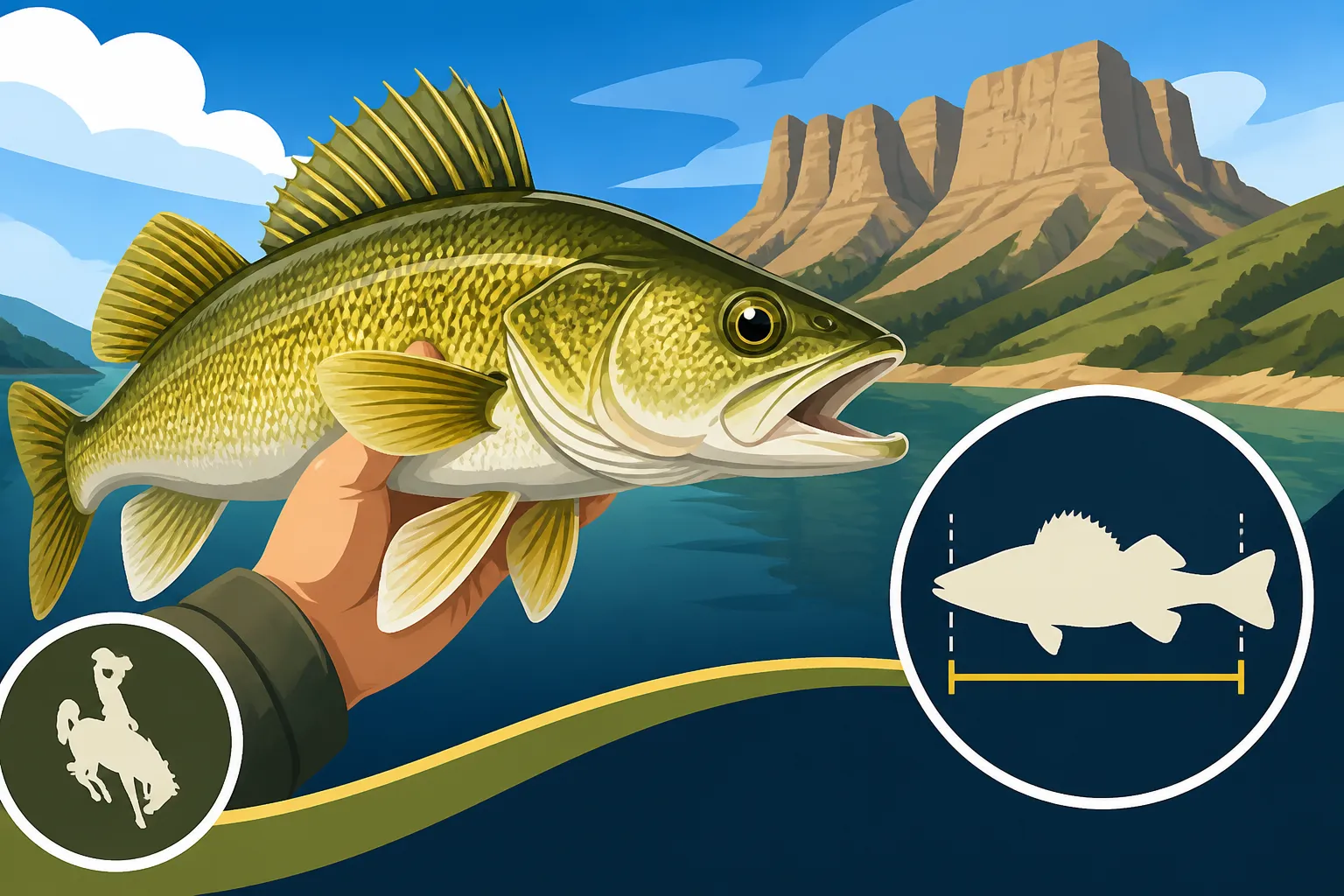
When you ask about "average" size, it's important to remember that it's a spectrum. You'll catch a range of fish, from smaller "eaters" to respectable mid-sized walleye, and of course, there's always the chance for a true trophy. For many, a "keeper" walleye at Boysen is often in the 15- to 20-inch range, providing a perfect fillet size for a delicious meal. These are healthy, plump fish that are a joy to catch and put in the livewell.
However, Boysen is celebrated for its ability to produce fish well beyond that. Anglers frequently report catching walleye in the 22- to 26-inch range, which are considered excellent fish by any standard. And for those who dream big, walleye pushing or exceeding 28 inches are absolutely present and caught each season. These larger fish are often older, battle-hardened individuals that have taken full advantage of Boysen's rich ecosystem. It’s truly a special place where the average experience is already quite good, but the potential for a personal best is always lurking.
Understanding Walleye Growth Factors at Boysen
The size of a walleye isn't just random; it's a complex interplay of environmental conditions, food availability, and the fish's own biology. Understanding these factors can help you appreciate why Boysen Reservoir consistently produces such healthy fish, and what contributes to those impressive average sizes.
Forage Base and Diet
As mentioned, the variety and abundance of forage fish in Boysen Reservoir are key drivers of walleye growth. Think of it like this: if you have an endless supply of healthy, easy-to-catch food, you're going to grow bigger and faster. Walleye in Boysen thrive on a diet rich in species like yellow perch, which are plentiful and provide excellent nutrition. They also prey on various minnows and shiners, offering a diverse menu that supports growth throughout the year.
The presence of a strong perch population, in particular, is a boon for walleye. Perch mature relatively quickly and reproduce in large numbers, providing a consistent food source for walleye of all sizes. When smaller walleye start out, they target smaller insects and minnows, but as they grow, they shift to larger prey like perch. This progression up the food chain ensures that even the biggest walleye have ample sustenance to pack on the pounds. A good fish finder can sometimes help you locate these baitfish schools, and thus, the walleye. You can find a range of reliable fish finders and other essential gear on Amazon.
Age, Genetics, and Water Conditions
Just like any species, walleye growth is also influenced by their age and genetic potential. Older walleye naturally have more time to grow, and Boysen's environment allows many fish to reach considerable ages. A 28-inch walleye from Boysen could easily be eight to ten years old, or even older, having survived multiple seasons and spawning cycles.
Water conditions also play a significant role. Boysen Reservoir generally has good water quality and consistent temperatures that are suitable for walleye. Warm summer temperatures stimulate their metabolism, leading to active feeding and rapid growth, provided there's enough food. In contrast, colder water periods in fall and winter slow their metabolism, but they still feed, albeit less aggressively, conserving energy. The reservoir's overall health and the balance of its aquatic ecosystem are critical for sustaining this growth.
Fishing Pressure and Management
While Boysen offers fantastic fishing, it also experiences considerable fishing pressure, especially during peak seasons. However, the Wyoming Game and Fish Department (WGFD) works diligently to manage the fishery for long-term sustainability. This includes stocking programs, creel surveys, and setting appropriate Wyoming Fishing Regulations Every Angler Should Know, including Best Size Walleye to Keep at Boysen Reservoir. These regulations often aim to protect specific size classes, ensuring that enough fish reach maturity to spawn and contribute to the next generation.
For instance, limits on the number of fish an angler can keep, or specific slot limits (though less common for walleye in Boysen compared to some other species or waters), can help maintain a healthy age structure in the population. By encouraging the release of larger, older fish that are often prime breeders, management efforts indirectly support the average size of walleye over time. This approach helps balance angler opportunity with conservation.
Practical Insights for Anglers: What You'll Likely Catch
So, knowing all this, what can you realistically expect to put in your boat or on the bank when you hit Boysen? While every day is different, there are definite patterns and probabilities that can guide your expectations.
The "Keeper" Size vs. Trophy Potential
When most folks talk about "keepers" at Boysen, they're often referring to those perfect eating-size walleye. These fish, typically ranging from 15 to 20 inches, are abundant and readily caught with a variety of techniques. They're fat, healthy, and yield excellent fillets. You'll likely encounter many fish in this size bracket on a productive day. These are the workhorses of the fishery, providing consistent action and a great meal.
Then there's the trophy potential. Boysen is a fantastic place to target larger fish. Walleye in the 22- to 26-inch range are not uncommon and represent a truly impressive catch. To land one of these, you might need to dedicate a bit more time, try specific deep-water tactics, or focus on periods when larger fish are more active, such as during the pre-spawn bite. Fish over 26 inches are the true giants, less frequent but absolutely achievable for persistent anglers.
Here’s a quick overview of what you might expect:
| Walleye Size Category | Typical Length (inches) | General Weight (lbs) | Notes |
|---|---|---|---|
| "Eater" Walleye | 15 – 20 | 1 – 2.5 | Most common keepers, excellent for the frying pan. |
| Respectable Walleye | 20 – 24 | 2.5 – 4 | Great fish, provides a strong fight and a significant meal. |
| Trophy Walleye | 24+ | 4+ | Less frequent, often older and require specific targeting. Can exceed 10 lbs! |
Seasonal Variations in Size and Condition
The time of year can certainly influence the condition of the walleye you catch, and by extension, their effective weight for a given length. For instance, in the spring, especially pre-spawn, female walleye will be full of roe and can weigh considerably more for their length than they would in late summer or fall. This is a prime time for targeting a heavy fish.
After the spawn, in late spring and early summer, walleye are often a bit thinner as they recover from the energy expenditure. They'll actively feed throughout the summer, gradually regaining condition. By fall, as they gorge themselves in preparation for winter, they'll again be plump and healthy. If you're looking for Best Month for Walleye at Boysen Reservoir, consider these seasonal variations in fish condition. This is also a great time to check online at places like Amazon for any end-of-season deals on fishing apparel to keep you comfortable during those cooler fall days.
Gear and Techniques for Different Size Walleye
While many general walleye techniques will catch fish of all sizes, you can tailor your approach if you're specifically hunting for bigger fish. Larger walleye often prefer larger baits or lures. For instance, if you're jigging, a slightly bigger jig and plastic or a larger live bait presentation might entice a more substantial bite. Trolling deeper diving crankbaits or larger spinner rigs can also be effective for reaching those deeper, older walleye.
For the everyday "eaters," a medium-light to medium action rod with 6-10 lb test line is often perfect. But for trophy hunters, bumping up to a medium-heavy rod and slightly heavier line can give you more control over a powerful fish and the confidence to wrestle it out of snags. A reliable tackle box, easily ordered from Amazon, to organize your various lure sizes is always a good idea. Jigging for Walleye at Boysen Reservoir or Trolling Techniques for Wyoming Reservoirs will give you more specific ideas on how to target them.
Setting Realistic Expectations and Enjoying the Catch
Ultimately, fishing at Boysen Reservoir, like anywhere in Wyoming, is about more than just the numbers on a tape measure. It's about the experience, the challenge, and the connection to the wild.
The Thrill of the Hunt, Regardless of Inches
While it’s natural to hope for a monster, try to embrace every catch, big or small. A feisty 16-inch walleye on light tackle can be just as much fun to fight as a larger one, and it's certainly delicious on the plate! The thrill of the bite, the skill of the retrieve, and the beauty of the Wyoming landscape are all part of the equation. Sometimes, the most memorable trips aren't about the biggest fish, but the shared laughter, the unexpected sunset, or the bald eagle soaring overhead. Remember to carry your Carrying Your Wyoming Fishing License in the Field at all times.
Responsible Angling and Future Sizes
To ensure that Boysen Reservoir continues to be a fantastic walleye fishery for years to come, responsible angling practices are crucial. If you're catching those big, gravid female walleye, consider practicing catch and release, especially during the spring spawn. These larger fish are vital for the breeding population and releasing them allows them to contribute to future generations of Boysen walleye. For tips on how to properly handle and release fish, check out our guide on Catch-and-Release Rules on Wyoming Waters. Every fish you safely release is an investment in the future of the fishery, helping maintain those impressive average sizes that draw us all back to Boysen again and again.
When planning your trip to Boysen Reservoir's Best Walleye Water, make sure you're up to date on all regulations and consider hiring a guide. A local guide who understands Best Time of Year to Book a Boysen Walleye Guide can significantly increase your chances of not only finding fish, but finding the size you're looking for, while also helping you fish ethically.
Disclaimer
This article is for general informational purposes only and does not constitute professional advice. Laws, prices and regulations vary by location and change over time. Consult a qualified professional for guidance on your specific situation.