Wyoming’s High-Alpine Lakes Worth the Hike
There’s a special kind of angler out there, one who looks at a map and sees not just a lake, but a journey. You know the feeling – that itch to escape the crowds, to leave the pavement behind, and earn your catch with sweat and determination. But let's be honest, dreaming of those pristine, high-alpine lakes is one thing; actually planning and executing a trip to them can feel incredibly daunting. This comprehensive guide is here to demystify the adventure, leading you through everything you need to know to successfully fish Wyoming's most breathtaking, and often hardest-to-reach, mountain waters.
The Allure and Challenge of Wyoming's Alpine Lakes
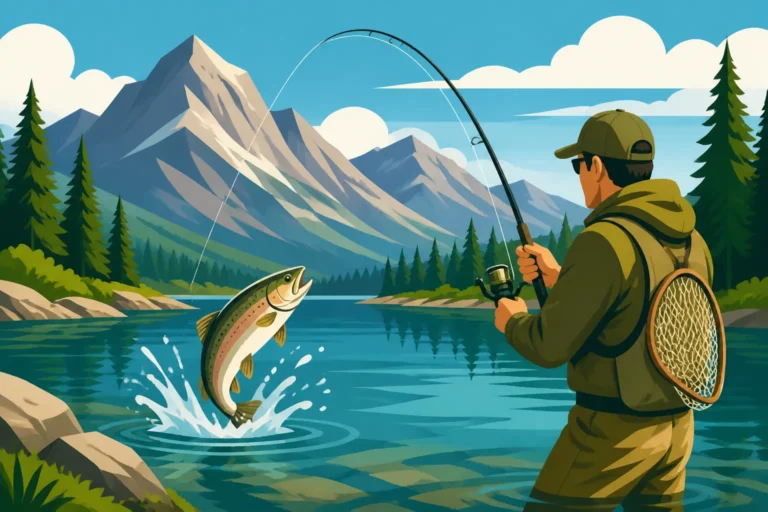
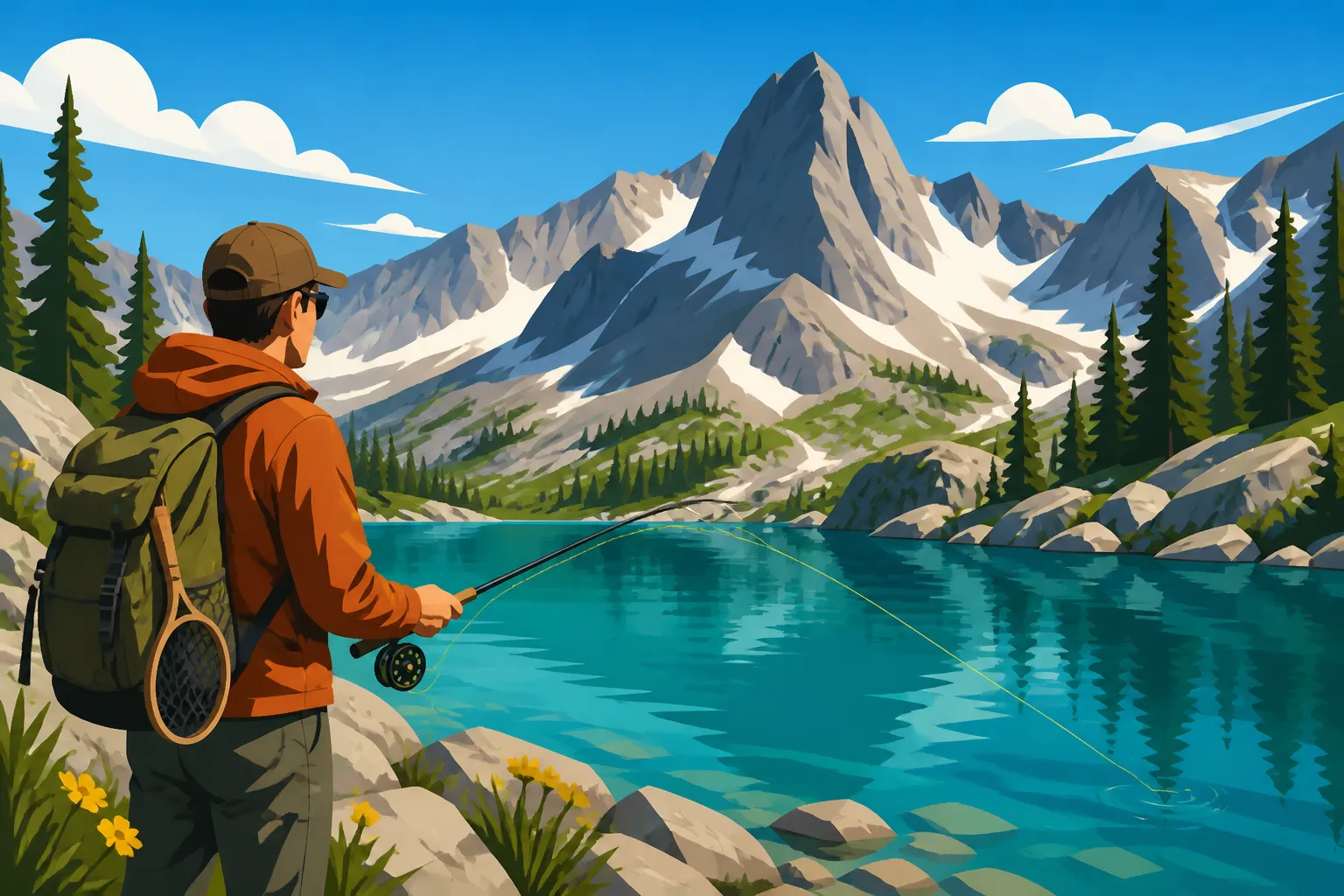
There's an undeniable magic to fishing Wyoming's high-alpine lakes. It's not just about catching fish; it's about the entire experience: the crisp mountain air, the panoramic views, the profound quiet broken only by the whisper of the wind and the splash of a rising trout. These aren't your easily accessible roadside ponds; they demand effort, preparation, and respect. But the rewards, both in terms of angling and soul-stirring scenery, are absolutely unparalleled.
Why High-Altitude Fishing is Unique
Fishing at elevations typically above 9,000 feet brings a whole new set of considerations that lowland anglers rarely encounter. For starters, the ecosystem is dramatically different. The water is often crystal clear, fed by snowmelt, and incredibly cold, even in the height of summer. This affects everything from fish behavior to insect hatches. Trout in these environments tend to be wilder, more wary, and often smaller but incredibly vibrant and robust, having adapted to harsh conditions.
You're also dealing with thinner air, which can make even moderate exertion feel like a marathon, especially if you're not acclimatized. The weather is notoriously unpredictable, capable of shifting from sunny skies to hailstorms in minutes. This means your gear, your planning, and your mindset need to be dialed in for a true wilderness experience. The fish might be less pressured, but reaching them and successfully enticing a bite requires a unique blend of wilderness savvy and angling skill.
Common Misconceptions and Realities
Many people imagine high-alpine lakes as teeming with huge, naive trout just waiting to be caught, a pristine paradise untouched by human hand. The reality is a bit more nuanced. While many alpine lakes do hold abundant fish, especially where they've been regularly stocked by the Wyoming Game and Fish Department, trophy-sized fish are less common than in richer, lower-elevation waters. The short growing season, limited food sources, and colder temperatures mean fish grow slower.
Another misconception is that the remote nature means you'll have the place entirely to yourself. While you'll certainly encounter fewer people than on popular rivers like the North Platte, many of the more accessible high-country lakes, especially those in designated wilderness areas, see a fair amount of foot traffic, particularly during peak summer weekends. You might still share a shoreline or a campsite, so always practice good trail etiquette and Leave No Trace principles. The beauty of it, though, is that even sharing a remote vista often feels different, more communal, than jostling for space on a crowded river.
Essential Gear for Your High-Alpine Trek and Fish
Embarking on a high-alpine fishing trip isn't like heading to your local pond. You're combining backpacking with fishing, and that means every ounce in your pack counts. The gear you choose needs to be multi-functional, durable, and suited for rapidly changing mountain conditions. Skimping on essentials or overpacking can quickly turn a dream trip into a miserable slog.
Packing Smart: Ultralight vs. Prepared
The eternal dilemma of backcountry travel is balancing weight with safety and comfort. For high-alpine fishing, you absolutely need to prioritize preparedness without overburdening yourself. "Ultralight" isn't just about carrying less; it's about carrying smart. This means choosing lightweight versions of crucial items and making sure every piece of gear serves a purpose.
Think about your shelter: a lightweight tent or even a sturdy tarp can save significant weight over a bulky family camping tent. Your sleeping system needs to be appropriate for potential freezing temperatures, even in August. A good sleeping bag (rated to 20-30 degrees Fahrenheit, depending on the season and elevation) and an insulated sleeping pad are non-negotiable for a restful night. Clothing should be layers of synthetic or wool materials, designed to wick moisture and insulate even when wet. Cotton is a definite no-go in the mountains; it absorbs moisture and can lead to hypothermia. Beyond personal comfort, you'll need navigation tools – a detailed map and compass (and knowing how to use them!), plus a GPS device or smartphone app for backup – as trails can be faint or non-existent in some areas. Don't forget a first-aid kit, a water filter or purification tablets, and enough high-energy food for your entire trip, plus an extra day's worth for emergencies. When considering what to bring, remember our comprehensive guide on "What Gear to Pack for a Backcountry Fishing Trip" provides an excellent checklist.
Fishing Tackle Tailored for Mountain Waters
For fishing gear, the same principles apply: keep it light and versatile. You won't be hauling a tackle box full of every lure imaginable up a mountain pass. A lightweight 3- or 4-weight fly rod, often a multi-piece travel rod, is ideal for most high-alpine trout, allowing for delicate presentations. If you prefer spin fishing, a light-action rod and reel combo with 4-6 pound test line will suffice.
Focus your lure selection on compact, effective options. Small spinners like Mepps or Panther Martins in sizes #00 to #1, tiny spoons, and micro jigs are excellent choices. For fly anglers, a small selection of dry flies (Parachute Adams, Royal Wulff, ants, beetles), nymphs (Pheasant Tail, Hare's Ear, Prince Nymph), and a few small streamers (Woolly Buggers) will cover most situations. Don't forget extra leader and tippet, a few split shot, and a pair of forceps for unhooking fish. A small, collapsible net can also be a lifesaver for safely landing and releasing fish. Remember, the fish here are often wild and easily spooked, so lighter lines and subtle presentations tend to be more effective.
Top High-Alpine Lakes in the Wind River Range
When we talk about Wyoming's high-alpine lakes, the Wind River Range often takes center stage. This vast, rugged wilderness area in west-central Wyoming is home to literally thousands of lakes and ponds, many of which hold incredible fishing opportunities. It's a true backpacker's paradise, offering some of the most remote and spectacular scenery in the lower 48.
Lonesome Lake: A Classic Wind River Destination
Lonesome Lake, nestled high in the Cirque of the Towers, is arguably one of the most iconic high-alpine fishing destinations in the Wind Rivers. It's not an easy hike – typically a multi-day backpacking trip covering 10-12 miles with significant elevation gain from the Big Sandy Opening trailhead. But the payoff? A stunning lake framed by granite spires, holding robust populations of cutthroat trout and occasionally some brook trout.
The trout here can be feisty, eager to rise to dry flies on calm evenings or during insect hatches. During the day, nymphing or small spinners often produce well. Imagine casting to rising fish with a backdrop that looks straight out of a postcard – that’s Lonesome Lake. Access is through designated wilderness, so strict Leave No Trace principles are crucial, and wilderness permits may be required depending on your entry point and overnight plans. This entire region is truly what we mean when we talk about "High-Elevation Lakes in the Wind River Mountains."
Deep Lake and Its Golden Trout Treasures
For many anglers, the ultimate prize in Wyoming's high country is the elusive golden trout. Deep Lake, also within the Wind River Range, is a legendary destination for these stunning, brilliantly colored fish. Reaching Deep Lake usually involves an even longer and more arduous journey than Lonesome, often requiring multiple days and considerable navigation skills to reach its remote basin.
Golden trout are notoriously finicky and thrive in the coldest, most oxygen-rich waters. They are often found in relatively sparse numbers, making each catch a truly special event. Small, subtle presentations are key here – tiny dry flies, emergers, or microscopic nymphs are your best bet. Because of their remote habitat and unique beauty, golden trout are often managed as catch-and-release only in many areas, or with very strict limits. If you're passionate about "Golden Trout Fishing in Wyoming," Deep Lake should be on your bucket list, but be prepared for a serious backcountry expedition. These lakes are truly the domain of the dedicated high-country angler.
Exploring the Titcomb Basin Lakes
The Titcomb Basin, situated just north of the Cirque of the Towers, is another gem within the Wind River Range, offering a proliferation of smaller lakes and tarns, many of which are home to eager brook and cutthroat trout. The hike into Titcomb is demanding, often starting from the Elkhart Park trailhead and covering significant mileage and elevation, but it opens up a vast playground for the adventurous angler.
Here, you'll find a labyrinth of interconnected waters, ranging from large, deep lakes to small, shallow tarns. This variety allows for incredible exploration; you can spend days hopping from one lake to another, discovering new pockets of fish. The brook trout are often plentiful and aggressive, making them a great target for both fly and spin anglers, while the cutthroat provide a more challenging, but equally rewarding, pursuit. The sheer number of waters in Titcomb Basin makes it one of the "Best Backpacking Fishing Lakes in the Wind Rivers" for extended trips, giving you ample opportunity to fish different environments and target various species. Many of these lakes receive periodic stocking, which helps sustain healthy populations of "What Trout Species Are Stocked in Wind River High Lakes" for future generations of anglers.
Other Notable High-Alpine Lakes Across Wyoming
While the Wind River Range might hog the spotlight for high-alpine fishing, Wyoming boasts numerous other mountain ranges with their own hidden lake treasures. From the dramatic peaks of the Tetons to the rugged expanse of the Absaroka-Beartooth Wilderness, opportunities for remote angling abound, each offering a distinct flavor of the Wyoming wilderness experience.
Cirque of the Towers Lakes: Beauty and Challenge
Beyond Lonesome Lake, the broader Cirque of the Towers area in the Wind Rivers presents a constellation of other high-alpine lakes, each with its own character and charm. Lakes like Big Sandy Lake (a more accessible option at the base of the Cirque), North Lake, and Arrowhead Lake, all nestled amidst the towering granite peaks, offer phenomenal fishing for various trout species. The common thread here is the breathtaking scenery combined with challenging access.
These lakes are typically deep and clear, requiring careful stealth and presentation. Anglers often find success using small nymphs or midge patterns during the day, or switching to dry flies during the brief but intense insect hatches common in the summer. Some of these lakes are managed for wild trout populations, while others may receive occasional stocking to bolster numbers. The sheer verticality of the Cirque of the Towers makes for spectacular photographs, but also means steep, rocky trails. It’s an area where true wilderness skills are paramount, and checking local regulations for specific lake limits and species is always a must. If you're seeking true solitude and a fishing challenge against an epic backdrop, this region is hard to beat.
Lakes of the Absaroka-Beartooth Wilderness (Shoshone National Forest)
Moving north, the Absaroka-Beartooth Wilderness, particularly the sections within the Shoshone National Forest near Cody, offers another incredible array of high-alpine lakes. These mountains are geologically distinct from the granite Winds, characterized by volcanic and sedimentary formations, often giving the landscape a more rugged, broken appearance. Lakes here, like those found in the Beartooth Plateau area, are often remnants of glacial activity and can hold thriving populations of Yellowstone cutthroat, brook, and rainbow trout. Many of these waters are also excellent for "Brook Trout Fishing in Wyoming."
Access to these lakes varies widely. Some are reached via relatively well-maintained trails from trailheads along the Beartooth Highway or near Sunlight Basin, while others require serious bushwhacking and navigation skills. The fishing can be phenomenal, especially for energetic brook trout in the smaller tarns, and larger cutthroat in the deeper lakes. Before heading into this wilderness, make sure to verify any specific permits required and be aware of grizzly bear activity, which is prevalent in this area. It's also wise to check if "Is a Permit Needed to Fish Shoshone National Forest Lakes?" as regulations can vary. While guides aren't strictly necessary, sometimes consulting local experts, perhaps even through a service like FishingBooker, can provide invaluable insights into the best access points and current conditions for these more challenging areas.
Table: Select High-Alpine Lakes in Wyoming
| Lake Name | Primary Range | Primary Fish Species | Typical Hike Difficulty | Notable Features |
|---|---|---|---|---|
| Lonesome Lake | Wind River Range | Cutthroat Trout, Brook Trout | Difficult (Multi-day) | Iconic Cirque of the Towers views, granite spires |
| Deep Lake | Wind River Range | Golden Trout | Very Difficult | Legendary Golden Trout habitat, extreme solitude |
| Titcomb Basin Lakes | Wind River Range | Brook Trout, Cutthroat Trout | Difficult (Multi-day) | Numerous interconnected lakes, diverse fishing |
| Shoshone Lake | Yellowstone NP | Lake Trout, Yellowstone Cutthroat | Moderate (Boat/Hike) | Largest backcountry lake in lower 48, unique access |
| Island Lake | Wind River Range | Cutthroat Trout, Rainbow Trout | Moderate | Accessible by vehicle (trailhead), popular |
| Leigh Lake | Grand Teton NP | Cutthroat Trout | Easy (Short hike/paddle) | Stunning Teton views, paddling access |
| Christina Lake | Popo Agie Wilderness | Brook Trout, Rainbow Trout | Moderate | Closer to Lander, good for a long day trip |
Note: Hike difficulty is subjective and depends on fitness level, weather, and pack weight. Always research current trail conditions and weather forecasts.
Mastering High-Alpine Fishing Techniques
Fishing high-alpine lakes is often a game of finesse and observation. The fish live in clear, cold water and have adapted to a sparse environment, making them highly attuned to their surroundings. Loud noises, heavy footfalls, or clumsy casts can easily spook them, especially in shallower areas. Developing specific techniques for these conditions will significantly increase your success.
Reading the Water: Where Trout Hide
In clear mountain lakes, trout are often less concentrated in specific "runs" or "holes" as they might be in a river. Instead, they patrol shorelines, drop-offs, and submerged structures. Your first task upon arriving at a lake is to spend time observing. Look for signs of life: rising fish, insect activity, or even shadows moving in the shallows.
Focus your efforts on areas where there's a change in depth or structure. This includes rocky points, fallen timber, submerged boulders, or the edges of weed beds. Trout will use these features for cover from predators, as ambush points for prey, and as thermal refuges. Pay particular attention to the "seam" where shallow water abruptly drops into deeper water. This is a classic trout holding area. In very deep lakes, fish might suspend in the water column or hug the bottom, requiring sinking lines or heavier lures to reach them. Understanding "How to Read Water When Trout Fishing" is invaluable, even in seemingly still lake environments.
Best Baits and Lures for Mountain Trout
For spin anglers, simple yet effective lures are king in the high country. Small spinners, like the classic Mepps Aglia or Panther Martin, in silver, gold, or copper finishes, are consistently productive. Sizes #00 to #1 are usually perfect for the smaller trout often found in alpine lakes. Cast them out, let them sink a bit, and retrieve steadily. Small spoons, like the Kastmaster or Little Cleo, can also be deadly, especially when trying to cast further or get deeper. Their erratic action often triggers a strike.
Micro jigs, tipped with a small piece of worm, PowerBait, or even a tiny synthetic grub, can be incredibly effective, especially when jigged vertically off a boat or a steep bank. Live bait, where permitted, can also work wonders. Small worms or crickets are natural food sources for these trout. Always check local regulations, as live bait is often prohibited in wilderness areas or on specific waters to prevent the introduction of invasive species. It’s also important to remember that for these remote waters, you often need to consider options for "How to Fish Wyoming's High-Alpine Lakes" that are easy to pack in and out.
Fly Fishing Strategies for Clear, Cold Waters
Fly fishing in alpine lakes demands precision and stealth. The crystal-clear water means trout have excellent visibility, so long, fine leaders and tippets (5x or 6x) are often necessary. When fish are rising, matching the hatch is key, but often a general attractor pattern like a Parachute Adams or a small Royal Wulff will elicit strikes. Terrestrial patterns, such as ant or beetle imitations, can be very effective, especially on windy days when insects might be blown onto the water.
When fish aren't rising, nymphing under an indicator or stripping small streamers can be productive. Try patterns like a Pheasant Tail Nymph, Hare's Ear Nymph, or a Prince Nymph. For streamers, a small black or olive Woolly Bugger, fished slowly along drop-offs or near structure, can imitate a leeches or minnows, enticing larger trout. A delicate presentation is crucial; avoid slapping your line on the water. A quiet approach from the bank, using natural cover, will improve your chances dramatically. Don't be afraid to experiment with retrieve speeds and depths until you find what the fish are looking for.
Planning Your Trip: Permits, Safety, and Logistics
A successful high-alpine fishing trip isn't just about the gear or the techniques; it's about meticulous planning. These are serious wilderness excursions, and neglecting critical details can quickly lead to dangerous situations. Thinking through every aspect of your trip, from permits to emergency plans, is essential for a safe and enjoyable adventure.
Wilderness Permits and Leave No Trace Principles
Many of Wyoming's high-alpine lakes are located within designated wilderness areas, which means specific regulations apply. Most wilderness areas, especially for overnight stays, require a permit. For example, some entry points into the Wind River Range, like the popular Big Sandy Opening, use a self-registration system at the trailhead, while others might require advance reservations. It's imperative to research the specific requirements for your chosen trailhead and route well in advance. Ignorance of the rules is not an excuse, and fines can be steep.
Beyond permits, adhering to Leave No Trace (LNT) principles is absolutely non-negotiable. This means packing out everything you pack in, including all trash and food scraps. Camp at least 200 feet from water sources. Bury human waste in a cathole 6-8 inches deep and at least 200 feet from water, camp, and trails. Wash yourself and your dishes well away from lakes and streams, using biodegradable soap if necessary. Leave rocks, plants, and other natural objects as you find them. Respect wildlife and minimize campfire impacts (or opt for a stove). These ecosystems are incredibly fragile, and our collective responsibility is to preserve them. More information on "Wilderness Permits and Leave No Trace Principles" can be found through official forest service and park websites.
Navigating Weather and Wildlife Hazards
Mountain weather is famously fickle. A sunny morning can quickly turn into a raging thunderstorm with lightning, hail, and freezing temperatures. Always check the forecast before you go, but be prepared for anything. Pack rain gear, extra warm layers, and a reliable shelter. If a storm rolls in, seek cover immediately, avoid ridgelines and isolated tall trees, and get off the water.
Wyoming's high country is also home to abundant wildlife, including black bears and grizzly bears in many areas, particularly in the northern ranges like the Absarokas and the Greater Yellowstone Ecosystem. Carrying bear spray and knowing how to use it is a must. Store all food, scented items, and garbage in bear-resistant containers or hung from a bear bag system well away from your camp. Make noise while hiking to avoid surprising animals. Other potential hazards include rattlesnakes (at lower elevations), mountain lions, and moose. Always give wildlife plenty of space and never approach them. Understanding how to handle various wildlife encounters is a crucial part of wilderness safety. For those seeking help with trip planning, sometimes looking at services like FishingBooker can reveal guides specializing in backcountry safety and navigation.
Finding Access Points and Trailheads
Reaching these remote lakes requires careful planning of your route. Many popular high-alpine areas, like parts of the Wind River Range, have well-known trailheads such as Big Sandy Opening, Elkhart Park, or Green River Lakes. However, even these can be reached via long, sometimes rough, dirt roads that require a high-clearance vehicle. Always research road conditions before you go, especially early in the season when snow might still be present or late in the season when mud becomes an issue.
Detailed topographic maps (like USGS quadrangles or those found on apps like Gaia GPS or AllTrails) are essential for route planning and navigation in the field. Identify your starting trailhead, your intended route, potential camping spots, and emergency bailout options. Know your capabilities and choose a hike that matches your fitness level. Some lakes, especially those reached by "Helicopter-Stocked Backcountry Lakes Near Dubois," might have less defined trails or require advanced navigational skills. Always tell someone your itinerary and expected return date, and consider carrying a satellite communication device (like a Garmin InReach or Spot device) for emergencies, as cell service is non-existent in most of these areas.
Species You'll Encounter: The Resilient Mountain Trout
The trout found in Wyoming's high-alpine lakes are a testament to nature's resilience. These fish thrive in cold, nutrient-poor waters, often relying on small insect hatches and the occasional terrestrial falling into the lake. While they may not always reach gargantuan sizes, they are incredibly beautiful, hard-fighting, and embody the spirit of the wild places they inhabit.
Golden Trout: The High-Altitude Jewels
For many, the golden trout (Oncorhynchus mykiss aguabonita) is the crown jewel of high-alpine fishing. Native to California's Sierra Nevada, these stunning fish have been introduced into many high-elevation lakes across Wyoming, thriving in the coldest, most pristine environments. Their iridescent golden flanks, often adorned with crimson lateral stripes and parr marks, make them instantly recognizable and incredibly sought after.
Golden trout are typically found in extremely remote, high-elevation lakes, often above 10,000 feet. They grow slowly due to the short growing season and limited food availability, so a 12-inch golden is considered a very respectable catch. They can be incredibly wary, requiring stealthy approaches and delicate presentations with small flies or lures. Their beauty and rarity make them a prime target for catch-and-release, ensuring these populations persist for future generations. If you’re targeting "Golden Trout Fishing in Wyoming," you're not just fishing; you're on a quest.
Cutthroat and Brook Trout in Alpine Environments
While golden trout are legendary, you're much more likely to encounter cutthroat trout (various subspecies, including Yellowstone and Snake River fine-spotted) and brook trout (Salvelinus fontinalis) in Wyoming's alpine lakes. Cutthroat are Wyoming's native trout and are widely distributed. In high-country lakes, they often exhibit vibrant colors, particularly the Yellowstone cutthroat with its distinctive red slash marks under the jaw. They can be found in a wide range of sizes, from eager pan-sized fish to occasionally larger individuals in more productive lakes. They respond well to both dry flies and nymphs. For more detailed information on these incredible native fish, check out our guide on "Cutthroat Trout Fishing in Wyoming."
Brook trout, an introduced species from the Eastern U.S., have found a strong foothold in many of Wyoming's high-alpine waters. They are often incredibly abundant, particularly in smaller lakes and tarns, and are known for their aggressive nature and beautiful coloration – dark green backs with worm-like markings, red spots with blue halos, and white-edged fins. While often smaller, they make up for it in sheer numbers and willingness to bite, making them a fantastic target for beginners and seasoned anglers alike. It’s not uncommon to find "Brook Trout Fishing in Wyoming" to be quite productive in these colder waters, making for a fun day on the water.
Identifying High-Country Hybrids
In some high-alpine lakes where different trout species have been introduced or naturally coexist, you might occasionally encounter hybrid trout. The most common hybrid in Wyoming is the "cutbow," a cross between a rainbow trout and a cutthroat trout. These hybrids often exhibit characteristics of both parents, sometimes making identification tricky. They might have the cutthroat's distinctive red slash but with the more torpedo-shaped body and smaller scales of a rainbow.
Similarly, in lakes where brook trout and brown trout coexist (less common in the highest alpine lakes but possible at slightly lower elevations), you might find brook x brown hybrids, though these are less common and often less distinct. When you catch a fish that doesn't quite fit the mold, it's a good reminder of the complex ecological interactions happening in these waters. While identifying them can be fun, the important thing is to understand the regulations for the specific waters you are fishing, as limits might differ by species or for hybrids.
Responsible Angling in Fragile Ecosystems
The very reason Wyoming's high-alpine lakes are so special is their pristine nature. These are fragile ecosystems, often with short growing seasons and limited resources. As anglers, we have a profound responsibility to ensure our actions don't compromise the health and beauty of these waters for future generations. Responsible angling goes beyond just following regulations; it's about a mindset of stewardship.
Catch and Release Best Practices
While keeping a few fish for a fresh campfire meal is a cherished part of the high-country experience (where regulations allow), many anglers practice catch and release, especially for rare species like golden trout or larger, wild cutthroat. If you're going to release fish, proper handling is paramount to ensure their survival.
Minimize the time the fish is out of the water. Handle the fish gently with wet hands, supporting its body weight. Avoid squeezing it or touching its gills. Use needle-nose pliers or forceps to quickly remove the hook. If the fish is deeply hooked, it's often best to cut the line as close to the hook as possible rather than tearing delicate internal organs. Revive the fish by holding it gently in the water, facing upstream into a current if possible, until it swims away under its own power. Avoid dragging it through the water backward. Barbless hooks can also significantly reduce stress and injury to fish, making releases much easier and safer.
Invasive Species Prevention in Pristine Waters
One of the biggest threats to Wyoming's native fish populations and aquatic ecosystems is the introduction and spread of aquatic invasive species (AIS). This includes everything from microscopic organisms to undesirable fish species. Once established, these invaders can decimate native populations, alter habitats, and clog waterways.
As a high-alpine angler, you play a critical role in preventing their spread. The mantra is "Clean, Drain, Dry."
- Clean: Inspect all gear (boats, waders, boots, fishing lines, nets) and remove all mud, plants, and debris before leaving a water access.
- Drain: Drain all water from your gear (kayaks, waders, bait buckets) before transporting it to another body of water.
- Dry: Allow all equipment to thoroughly dry for at least 5 days, or longer in cold, wet weather, before using it in another water body. If drying isn't possible, consider high-pressure washing or hot water treatment.
Never transport live fish or bait from one water body to another unless explicitly allowed by regulation. This is especially critical in the high country, where a single introduction could have devastating, irreversible consequences. Be vigilant, and if you spot anything suspicious, report it to the Wyoming Game and Fish Department. By taking these simple steps, you're protecting the very waters you cherish.
Disclaimer
The information provided in this guide is for general informational purposes only and is not intended as legal advice or a substitute for official regulations. Fishing regulations, wilderness permit requirements, and safety guidelines can change frequently. Always consult the most current Wyoming Game and Fish Department regulations, U.S. Forest Service, or National Park Service official websites, and local authorities before planning and embarking on any fishing trip. Safety in the backcountry is your responsibility; be prepared, exercise caution, and know your limits.