Guernsey Reservoir Fishing Access in Wyoming
Heading out to a new fishing spot can feel like a puzzle, especially when you're dreaming of those big catches but aren't quite sure where to drop a line or launch your boat. Wyoming's Guernsey Reservoir is a fantastic spot with diverse fishing opportunities, but knowing the ins and outs of its many access points can be tricky. This comprehensive guide is here to unravel all those mysteries, helping you discover the best places to fish, launch, and enjoy a successful day on the water at Guernsey, whether you're a seasoned angler or just starting out.
Understanding Guernsey Reservoir's Angling Appeal
Guernsey Reservoir, nestled in southeastern Wyoming near the town of Guernsey, is much more than just a body of water; it’s a vibrant ecosystem that offers a unique fishing experience. Unlike some of Wyoming’s more famous high-country trout streams, Guernsey provides a fantastic mix of warm water and cold water species, making it a versatile destination for almost any angler. The reservoir itself is a part of the North Platte River drainage, playing a critical role in irrigation and flood control, which means its water levels can fluctuate significantly throughout the year. These fluctuations, while sometimes challenging, also create dynamic fishing conditions and expose diverse structures that hold fish.
The reservoir is surrounded by the rugged beauty of Guernsey State Park, a historic park known for its Civilian Conservation Corps (CCC) era structures, stunning cliffs, and expansive views. This natural backdrop adds to the overall experience, providing opportunities for camping, hiking, and wildlife viewing alongside your fishing adventures. The mix of deep channels, rocky shorelines, submerged timber, and shallower coves creates a varied habitat that appeals to a wide range of fish species, ensuring there's always something biting if you know where to look.
What Makes Guernsey Unique for Anglers
Guernsey Reservoir's allure for anglers stems from its distinct characteristics. First and foremost is its multi-species fishery. While many Wyoming waters are celebrated almost exclusively for trout, Guernsey offers a fantastic opportunity to chase walleye, perch, and even channel catfish. This diversity means you can tailor your fishing trip to your preferred species or simply enjoy the thrill of catching whatever bites. For instance, in the spring, the shallow coves warm up quickly, drawing in crappie and bass, while the deeper main channel remains prime for trout.
Another unique aspect is the dramatic landscape. The reservoir is carved into ancient rock formations, creating steep cliffs and numerous coves that can be explored. The scenic beauty, especially during sunrise or sunset, is truly breathtaking. However, this also means understanding the terrain is crucial for safe and effective fishing. The frequent drawdown cycles, particularly in late summer and fall, can expose vast mud flats and reveal submerged structures that are normally hidden, providing valuable insights for future trips at different water levels. You can often find excellent opportunities for Fishing Wyoming's Warmwater Fish Species here.
Fish Species You'll Find Here
Guernsey Reservoir is home to a robust population of several popular game fish, catering to various angling tastes and techniques. The most sought-after species are often the walleye and yellow perch, which draw anglers from across the region. Walleye here can grow to impressive sizes, offering a thrilling fight and a delicious meal. Perch are abundant and provide consistent action, especially for family fishing trips or during the ice fishing season.
Beyond these two, you'll also find healthy populations of rainbow trout and brown trout, particularly in the deeper, cooler sections of the reservoir and near the North Platte River inlet. These trout are often stocked by the Wyoming Game and Fish Department to supplement wild populations and provide additional angling opportunities. Channel catfish are also present, thriving in the reservoir's warmer, murkier areas and offering a strong, spirited fight, especially during the summer months. Anglers can also encounter crappie and both largemouth and smallmouth bass, adding even more variety to the catch. This diverse roster means that no matter your preferred method or target, Guernsey likely has something for you.
Key Access Points and Boat Ramps
Getting onto Guernsey Reservoir, whether by boat or for shoreline fishing, requires knowing where the access points are. Guernsey State Park is the primary gateway to the reservoir, offering well-maintained facilities and numerous options. However, water levels can significantly impact ramp usability, so it's always a good idea to check current conditions before heading out, especially during later summer or fall drawdowns. Remember, a Wyoming State Parks day-use or annual pass is required for entry into Guernsey State Park.
The park is designed with anglers and boaters in mind, providing ample parking and facilities at its main access points. Even during busy weekends, you can often find a spot, though early arrival is always a smart move. For those planning a multi-day trip, the park also offers several campgrounds, allowing you to stay close to the action and maximize your time on the water.
Guernsey State Park Main Boat Ramp
The most popular and generally reliable boat ramp is located within Guernsey State Park itself, often simply referred to as the main boat ramp or the "Spillway Ramp" due to its proximity to the dam and spillway. This paved ramp is suitable for nearly all types of trailered boats, from small fishing boats to larger recreational craft. It offers multiple lanes, making launching and retrieving more efficient, even when busy. You’ll find restrooms, picnic areas, and plenty of parking for vehicles with trailers nearby.
This ramp provides direct access to the deeper, central and eastern portions of the reservoir, which are often prime areas for trolling for trout or targeting walleye. However, because of its popularity, it can get crowded, especially on weekends and holidays during peak season. Always exercise caution and courtesy when launching here. Its central location also makes it a good starting point for exploring the various coves and points that dot the reservoir's complex shoreline.
North Shore Access Points
Moving along the northern shore of Guernsey Reservoir, you’ll find a few other access points that can be excellent, particularly for smaller boats, kayaks, or those looking for less congested entry. The North Shore Marina area, while perhaps less formal than the main state park ramp, often provides launching opportunities and sometimes offers services like fuel or bait during peak season. This area is less developed but gives quick access to the northern coves and points, which can hold good numbers of fish depending on the time of year and water levels.
Further west along the north shore, there are often informal pull-offs and dirt tracks that lead to the water's edge. These spots are typically only suitable for hand-launched boats like canoes, kayaks, or paddleboards, or for bank anglers willing to navigate a bit of rougher terrain. They offer a sense of solitude that you won't find at the main ramp and can be fantastic for targeting cruising fish in quieter waters. Be mindful of private property signs and always respect the land when using these less formal access points. These spots can offer prime access for Shoreline Fishing Opportunities.
Sandy Beach and Cottonwood Areas
Within Guernsey State Park, the Sandy Beach and Cottonwood areas offer additional distinct access points, although they are primarily geared towards recreational use, they also provide excellent fishing opportunities, especially for bank anglers or those launching small, non-motorized craft. Sandy Beach, as its name suggests, provides a soft entry point to the water, making it ideal for families or those who prefer to wade out a bit. The shallower waters here can be great for targeting panfish like perch or smaller trout, particularly in the spring and early summer.
The Cottonwood area, characterized by its mature trees, offers shaded picnic spots and multiple points of access to the shoreline. These areas are fantastic for setting up a comfortable base camp for a day of fishing. While not formal boat ramps, you can easily launch a kayak or float tube from many spots along these sections. The protected coves in these areas can be particularly productive during windy conditions when the main lake becomes too choppy for comfortable fishing. Always be aware of other park users, as these areas are popular for swimming and picnicking.
Shoreline Fishing Opportunities
For many anglers, the appeal of Guernsey Reservoir lies in its accessibility from shore. You don’t always need a boat to have a successful and enjoyable day. The diverse shoreline, with its mix of rocky outcrops, sandy beaches, and protected coves, provides countless places to cast a line. This is great news for those who don't own a boat, are visiting from out of state without one, or simply prefer the simplicity and connection to nature that bank fishing offers. The varied depths and structures near the shore can hold an impressive number of fish, often surprising those who stick exclusively to deeper waters.
One of the great advantages of shoreline fishing at Guernsey is the ability to easily move from one spot to another, adapting to changing conditions or fish activity. You can quickly explore different coves or points without the hassle of launching and retrieving a boat. Plus, the scenic backdrop of Guernsey State Park makes every cast a pleasant experience, even if the fish aren't always biting. Just be sure to wear appropriate footwear, as some sections of the shoreline can be rocky or uneven.
Accessibility for Bank Anglers
Guernsey Reservoir stands out for its fantastic accessibility for bank anglers. Within Guernsey State Park, several areas have developed trails and easy access points, making it simple to get to the water's edge. Areas near the main boat ramp, the dam, and the spillway are popular because of their easy access and proximity to deeper water. You can often find paved paths or well-worn dirt trails leading right to prime casting locations.
Beyond the developed park areas, there are numerous pull-offs along the perimeter roads where you can park and hike down to the shoreline. These more secluded spots offer a chance for solitude and can be incredibly rewarding. Just remember to be mindful of private property boundaries and respect any posted signs. Even when the water levels fluctuate, anglers can often find new, exposed banks or channels that become fishable. The key is to explore and not be afraid to walk a bit to find that perfect, untouched fishing hole. Before you go, it's wise to check Where to Find Current Wyoming Fishing Regulations to ensure you're fishing legally.
Popular Shore Fishing Spots
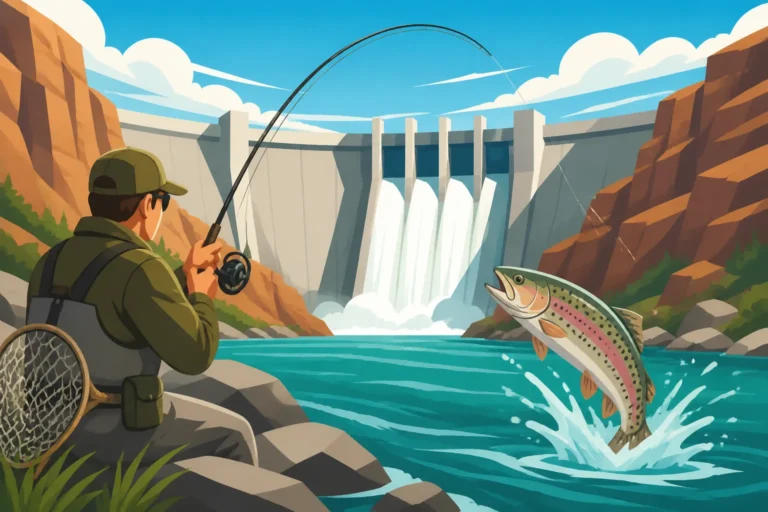
When it comes to shore fishing, some spots at Guernsey have a well-earned reputation for productivity. The immediate area around the Spillway and Dam is a perennial favorite. The churning water below the spillway can concentrate baitfish and, consequently, hungry game fish like trout and walleye. Anglers often line the banks here, especially during prime seasons. Another excellent spot is the series of rocky points and coves along the main park road on the south side of the reservoir. These areas offer varied depths and structure, providing cover for fish.
The Cottonwood and Sandy Beach areas, as mentioned earlier, also provide excellent bank fishing, particularly for panfish and smaller trout. These spots are family-friendly, with shallower water and easier access. For those willing to venture a bit further, the western arm of the reservoir towards the inlet of the North Platte River can be very productive. Here, you might find more submerged vegetation and slower currents, which are ideal for bass and catfish. Sometimes, fishing platforms or designated shoreline fishing areas are developed, which you can find marked on official park maps, or by asking at the park office.
Tips for Successful Shore Fishing
To maximize your success while fishing from shore at Guernsey, consider a few key strategies. First, observe the water. Look for signs of baitfish, rising fish, or changes in water color and depth. Fish often congregate around structure, so target areas with rocks, submerged timber, or drop-offs. A pair of polarized sunglasses can be invaluable for seeing into the water.
Second, adapt your bait and lure choice. PowerBait or worms are classics for stocked trout, while jigs tipped with a grub or a minnow imitation can be very effective for walleye and perch. For catfish, stink baits or cut bait fished on the bottom can yield excellent results, especially in warmer months. Third, consider your timing. Early mornings and late evenings often provide the best bite, as fish move into shallower water to feed. Overcast days can also extend the prime fishing window. Finally, travel light but smart. A small backpack with essential tackle, water, and snacks will make moving between spots much easier. And always, always pack out everything you pack in.
Fishing from Boats: Strategies and Considerations
For many serious anglers, a boat is the ultimate tool for unlocking Guernsey Reservoir's full potential. A boat allows you to reach remote coves, explore deep water structures, and cover vast amounts of water that are simply inaccessible from shore. Whether you prefer a small Jon boat, a fishing kayak, or a fully equipped bass or walleye rig, having a boat dramatically expands your options. With a boat, you can target specific depths, troll expansive flats, or anchor over promising submerged features, offering a level of control and versatility that bank fishing can't match.
However, boating on Guernsey comes with its own set of considerations. Water levels can be a significant factor, potentially revealing hazards or limiting access at certain ramps, especially during periods of heavy irrigation draw-down. Wind can also pick up quickly, turning calm waters into choppy conditions that require cautious navigation. Always prioritize safety, understand the capabilities of your vessel, and be prepared for changing conditions.
Trolling and Drifting Techniques
When fishing from a boat at Guernsey Reservoir, trolling is an incredibly effective technique, especially for covering large areas and locating schools of walleye or cruising trout. For walleye, crankbaits in various depths and colors are popular choices, often trolled along contour lines, across points, or over submerged humps. Experiment with different speeds and lure presentations until you find what the fish are keying in on. Downriggers can be useful for targeting specific depths, particularly for deeper-holding trout or large walleye. Many anglers find success with these methods, similar to general Trolling Techniques for Wyoming Reservoirs.
Drifting is another highly productive method, particularly for walleye and perch. This involves allowing your boat to drift with the wind or current while presenting baits or jigs. A popular tactic is to use live bait (like nightcrawlers or minnows, where legal) on a bottom bouncer or a slip bobber rig. Drifting over known structure, along drop-offs, or across flats can be incredibly effective. A drift sock can help control your speed and direction, allowing for a more precise presentation. Always pay attention to your depth finder to identify promising underwater features.
Navigating the Reservoir by Boat
Navigating Guernsey Reservoir requires a good understanding of its layout and awareness of fluctuating water levels. The main body of the reservoir can get quite deep, but there are numerous submerged humps, rock piles, and old river channels that can hold fish – and also pose navigational hazards, particularly during low water. A reliable depth finder/fish finder and a GPS unit with up-to-date mapping are invaluable tools for both finding fish and staying safe.
Always be aware of other boat traffic, especially near ramps and popular fishing areas. Maintain safe speeds and always give way to smaller, less maneuverable craft. When the water level is low, pay extra attention to navigation markers and use caution in areas you’re unfamiliar with. Strong winds can quickly whip up significant waves, making the reservoir choppy and challenging, especially for smaller boats. It's always a good practice to share your float plan with someone on shore before heading out for the day.
Safety on the Water
Safety should always be your top priority when boating on Guernsey Reservoir. Before every outing, ensure your boat is in good working order, including checking the motor, fuel levels, and all safety equipment. Every person on board should have a properly fitting Coast Guard-approved life jacket, and children under 13 must wear one at all times when the boat is underway. You should also carry a throw cushion or ring buoy, a sound-producing device (like a horn or whistle), navigation lights if you'll be out after dark, and a fire extinguisher.
Weather conditions in Wyoming can change rapidly. Always check the forecast before you launch, and be prepared for sudden storms, strong winds, or temperature drops. If conditions deteriorate, head for shore immediately. Inform someone on land of your plans, including where you're going and when you expect to return. Consider carrying a marine radio or a fully charged cell phone in a waterproof bag for emergencies. Fishing responsibly means fishing safely.
Best Times and Species to Target
Understanding the seasonal patterns and preferred habitats of Guernsey Reservoir's fish species is key to consistently successful outings. Just like in any dynamic fishery, what works in spring might not in summer, and the best spots can shift dramatically throughout the year. The reservoir's unique mix of cold-water and warm-water species means there's almost always something to target, but knowing when and where to focus your efforts will drastically improve your catch rates.
From the pre-spawn frenzy of walleye in the spring to the hard-fighting catfish of summer nights, or the abundant perch under the ice, Guernsey offers a diverse angling calendar. By aligning your visit with the peak activity periods for your target species, you'll not only have more success but also a more enjoyable and rewarding experience. This section dives into the optimal timing and specific strategies for pursuing Guernsey's most popular fish.
Seasonal Hotspots and Timing
Spring (April-May): This is often the prime time for many species at Guernsey. As ice melts and water temperatures rise, fish become very active. Walleye move into shallower areas to spawn, making them more accessible to both boat and shore anglers. Target rocky points, submerged humps, and the dam area. Rainbow trout are also very active, especially after spring stockings. The shallow coves and warmer waters also bring out crappie and bass. This is also a good time for Wyoming Spring Fishing What to Expect.
Summer (June-August): As water temperatures climb, many fish move deeper to find cooler, more oxygenated water. This is when a boat becomes essential for targeting walleye and larger trout in deeper channels or around submerged structure. Channel catfish thrive in the warmer summer months and can be caught throughout the day, but often feed most actively in the evenings and at night in shallower, muddier areas. Perch can be found in schools over flats and weed beds.
Fall (September-November): Autumn brings cooler temperatures, and fish become active again as they feed heavily in preparation for winter. Walleye fishing can be excellent, particularly in the mid-depth ranges, as they aggressively chase baitfish. Trout fishing also picks up, especially in the clearer, cooler waters. This is a beautiful time to fish, with fewer crowds and stunning fall foliage around the reservoir.
Winter (December-March): When the reservoir freezes over, Guernsey becomes a popular destination for ice fishing. Walleye and yellow perch are the primary targets, with anglers drilling holes over known structure or flats. The ice fishing season can be incredibly productive and offers a unique angling experience. Always check ice thickness and conditions before venturing out.
Targeting Walleye and Perch
Walleye are perhaps the most prized fish in Guernsey Reservoir, known for their elusive nature and delicious fillets. In spring, focus on casting jigs tipped with plastic grubs or live minnows (where legal) around rocky points and shallow flats as they prepare to spawn. As summer progresses, switch to trolling crankbaits or bottom bouncers with nightcrawlers or leeches in deeper areas, often 15-30 feet. Look for schools on your fish finder over submerged humps or along old river channels. Fall sees them becoming more aggressive again, often hitting crankbaits or larger jigs. Ice fishing for walleye at Guernsey involves jigging spoons or small lipless crankbaits near the bottom, often tipped with a piece of minnow. You can learn more about Walleye Fishing in Wyoming in depth.
Yellow perch are abundant in Guernsey and provide consistent action, making them a fantastic target for anglers of all skill levels. They often school in large numbers, so if you find one, you've likely found many. They prefer areas with some weed cover or soft bottom structure. Small jigs tipped with a grub, a piece of worm, or a minnow are highly effective. For bank anglers, a simple bobber rig with a worm can yield excellent results. During ice fishing, tiny jigs or spoons tipped with mealworms or waxworms are deadly for perch, which are often found shallower than walleye, typically in 5-15 feet of water over flats. Perch Fishing in Wyoming is a popular pastime here.
Pursuing Trout and Catfish
While walleye and perch steal much of the spotlight, rainbow trout and brown trout offer fantastic cold-water fishing at Guernsey. Trout are regularly stocked and thrive in the cooler waters, especially in the spring and fall. For trout, consider casting spoons, spinners, or small crankbaits from shore, particularly near the dam or inlet areas. From a boat, trolling spoons, spinners, or Rapalas at varying depths can be very productive. PowerBait, salmon eggs, or worms fished on a slip sinker rig near the bottom are classic and highly effective baits for bank anglers. Look for trout in areas with good current or cooler, deeper water, especially during the warmer summer months.
Channel catfish provide a powerful fight and are a great warm-water option, especially during summer. They prefer the shallower, muddier coves and flats, and are often most active from late afternoon through the night. Unlike trout or walleye, catfish are not picky eaters. Stink baits, cut bait (like pieces of sucker or shad), chicken livers, or even simple nightcrawlers fished on the bottom are all excellent choices. Use a heavy enough sinker to hold your bait in place and a sturdy rod and reel to handle their strong runs. Many anglers will set multiple rods with different baits to see what the catfish are biting on.
Navigating Regulations and Essential Gear
Before you even think about dropping a line into Guernsey Reservoir, it’s absolutely critical to understand the rules and have the right equipment. Wyoming’s fishing regulations are designed to protect the state's incredible fisheries and ensure sustainable angling for everyone. Ignoring these rules, even unintentionally, can lead to fines and a ruined fishing trip. The good news is that understanding them isn't overly complicated, and there are plenty of resources to help you stay compliant.
Beyond the regulations, having the right gear is equally important. Guernsey's diverse fishery means that a "one-size-fits-all" approach to tackle might limit your success. Being prepared with appropriate rods, reels, lines, and lures for the species you intend to target will make your trip far more enjoyable and productive. Think of your gear as an extension of your strategy; the better matched it is to the task, the better your chances of success.
Wyoming Fishing License Requirements
Anyone aged 14 and older needs a valid Wyoming fishing license to fish in Guernsey Reservoir. This applies to both residents and non-residents, though the costs and specific options differ. For non-residents, you can choose from an annual license, a 5-consecutive-day license, or a daily license, depending on the length of your stay. For residents, annual licenses are the most common. Children under 14 can fish without a license, but they must adhere to all bag and possession limits.
In addition to your fishing license, most adult anglers will also need a Wyoming Conservation Stamp. This stamp helps fund crucial conservation efforts across the state and is a mandatory purchase for most license types. However, there are some exceptions, such as for those holding a 1-day license. It's vital to know if you need one. You can purchase licenses and stamps online through the Wyoming Game and Fish Department website, from license vendors (like sporting goods stores or some convenience stores), or at state park offices. For more details, check out the Wyoming Fishing License Guide for Nonresidents or Resident vs Nonresident Fishing Licenses in Wyoming. If you’re unsure, a quick check on the official Wyoming Game & Fish website or a call to their local office is always a good idea. Before your trip, sites like FishingBooker can sometimes offer useful tips on local requirements, though direct WGFD resources are always the official source.
Specific Guernsey Reservoir Regulations
While general statewide regulations apply to Guernsey Reservoir, it’s essential to always consult the current Wyoming Fishing Regulations booklet for any water-specific rules that might be in place. Fisheries management can change, and special regulations for certain species or areas are common. For example, some reservoirs might have different bag limits for walleye or specific size restrictions (slot limits) to help manage fish populations. While typically Guernsey adheres to general limits, always verify.
One common rule to be aware of statewide that applies here is the allowance for a Two-Pole Fishing Permit. If you wish to fish with more than one rod (up to two), you’ll need to purchase this additional permit. It's a small fee but can significantly increase your chances of catching fish, especially when still-fishing from a boat or bank. Additionally, be mindful of bait restrictions. While live minnows are generally legal in many Wyoming waters, there can be exceptions. Always double-check what baits are permitted to avoid violations. The Wyoming Game and Fish Department (WGFD) website is your best friend for the most up-to-date and specific regulations for Guernsey Reservoir.
Recommended Gear for Guernsey Success
Having the right gear will make a world of difference for your Guernsey adventure. For walleye and perch, a medium-light to medium power spinning rod (6'6" to 7' long) paired with a 2500 or 3000 series reel spooled with 6-10 lb test monofilament or braided line is a versatile setup. Bring an assortment of jigs (1/8 to 1/2 oz), crankbaits (diving and lipless), and bottom bouncers. Don't forget swivels, hooks (size 4-8), and sinkers.
For trout, a lighter spinning rod (5'6" to 6'6" ultra-light to light power) with a smaller reel (1000-2000 series) and 4-6 lb test line is ideal. Pack PowerBait, worms, and an array of spinners and spoons. For channel catfish, you'll want a heavier medium-heavy to heavy action rod (7-9 feet) and a durable spinning or baitcasting reel spooled with 15-30 lb test line. A variety of weights, large hooks (size 2/0-4/0), and sturdy swivels are essential for holding bottom and handling bigger fish.
Beyond species-specific gear, always bring a landing net, pliers/forceps for hook removal, a cooler with ice if you plan to keep fish, sunscreen, sunglasses, and appropriate clothing for changing Wyoming weather. A depth finder/fish finder is invaluable for boat anglers. And if you're hitting the shore, comfortable walking shoes are a must. Before you go, a quick browse on sites like FishingBooker might give you ideas for gear used by local guides, though personal preference always plays a role.
Disclaimer
The information provided in this guide is for general informational purposes only and is subject to change. Fishing regulations, conditions, and access points can vary. Always consult the most current Wyoming Game and Fish Department regulations booklet and local advisories before planning your trip to Guernsey Reservoir.