Wyoming Spring Fishing: What to Expect
There's nothing quite like the hopeful promise of spring in Wyoming, especially if you're an angler. After a long, cold winter, the idea of open water and active fish is incredibly exciting. But let's be real: spring fishing here is a wild card. You might find glorious, mild days, or you could be battling snow, wind, and muddy runoff all in the same week. This guide is here to help you navigate those unpredictable conditions, set realistic expectations, and equip you with the knowledge to make the most of Wyoming's challenging, yet often incredibly rewarding, spring fishing season.
Understanding Wyoming's Spring Weather Whims
Wyoming's spring isn't a gentle transition; it's more like a series of dramatic shifts. One day you're shedding layers, the next you're pulling out your heaviest winter gear. This rollercoaster weather directly impacts everything from water temperatures to fish behavior, making preparedness not just a good idea, but an absolute necessity.
The Volatile Nature of Early Spring Conditions
Early spring in Wyoming, typically March and April, is a chaotic mix. You'll often find yourself driving past snow-covered fields while the air feels crisp but hints at warmth. Lakes might be shedding their ice cover, or holding onto it with stubborn determination. Rivers, especially at lower elevations, are usually the first to open up, but even they can be impacted by sudden cold snaps. It's not uncommon to start a day with sunshine and end it with an unexpected snow squall. This unpredictability can be frustrating when you're trying to plan a trip, but it's part of the charm (and challenge) of fishing in the Cowboy State. You really need to be ready for anything, from slushy banks to bright, clear skies. Knowing How Cold Is Too Cold to Fish in Wyoming? can help you decide if it's even worth bundling up and heading out on those truly frigid days.
Temperature Swings and Their Impact on Fish
These dramatic temperature swings, both in the air and in the water, play a huge role in how fish behave. When the water is still cold from winter, fish are generally sluggish. Their metabolism slows down, and they're less likely to chase down fast-moving lures. As the sun warms shallower areas, even by a few degrees, it can trigger short bursts of feeding activity. Conversely, a sudden cold front can shut them down instantly, sending them back to deeper, more stable water. Understanding How Water Temperature Changes Wyoming Trout Behavior is crucial for spring success, as even minor fluctuations can dictate whether fish are actively feeding or hunkered down, conserving energy. Keep an eye on water thermometers if you have them, and pay attention to recent weather patterns – a few consecutive warm days can really make a difference.
Navigating the Challenges of Spring Runoff
Ask any angler about spring fishing in Wyoming, and eventually, the conversation will turn to runoff. It's the annual surge of snowmelt that can turn pristine rivers into muddy torrents, making fishing nearly impossible in many areas. Yet, with the right approach, even runoff can present unique opportunities.
Identifying and Adapting to Peak Runoff
Runoff generally kicks into high gear from late April through June, but the exact timing and severity depend entirely on the previous winter's snowpack and the speed of spring warming. A quick melt means a fast, furious runoff, while a slow, gradual warming can lead to a prolonged but less intense event. The key signs are obvious: rivers swell, the water becomes milky brown with sediment, and debris (like branches and grass) floats downstream. This is when rivers become difficult, if not dangerous, to fish. However, not all rivers experience peak runoff at the same time, and some clear faster than others. Checking streamflow gauges and calling local fly shops are excellent ways to stay informed. It's worth noting that even when rivers are raging, lakes and reservoirs are often less affected, sometimes even improving as snowmelt brings in nutrients and raises water levels. Knowing When Runoff Usually Ends on Wyoming Rivers can help you time your trips for when conditions begin to improve.
Strategies for Fishing High and Murky Waters
When rivers are high and off-color due to runoff, direct approaches often fail. Instead of trying to fish the main current, focus on softer water. Look for eddies, slow pockets behind obstructions, and the calmer inside bends of a river. These are places where fish can escape the powerful current and where dislodged insects and worms get washed into their feeding zones. Using larger, more visible baits or lures becomes essential. Think big streamers in dark colors (black, purple, olive) that create a strong silhouette, or chunky stonefly nymphs. For spin anglers, larger spoons, spinners, or even bait like worms or PowerBait can be highly effective. The key is visibility and scent. Fish rely more on lateral line detection and smell in murky water. Don't be afraid to add some weight to get your presentation down quickly in faster currents near those slower pockets. If you're looking for gear that can handle these conditions, checking out selection on Amazon for robust lines and heavy sinkers can be a good start. Understanding How to Fish Muddy Water During Runoff is truly an art form, but with a few adjustments, it can still yield impressive results.
Key Fish Behavior Changes in Spring
Just like us, fish are affected by the changing seasons. Spring brings about significant shifts in their behavior, primarily driven by water temperature and the biological imperative to spawn. Understanding these changes is critical to putting more fish in your net.
Pre-Spawn and Early Spawn Movements
As water temperatures begin to tick upwards, many fish species start to prepare for spawning. For trout, this means brown trout might be recovering from their fall spawn, while rainbow trout and cutthroat trout are gearing up for their spring spawn. They'll start to move out of their deeper wintering holes and into shallower areas, seeking out gravel beds in rivers and streams, or sandy flats in lakes. Walleye, a popular sport fish in Wyoming reservoirs, will migrate to rocky areas or dam faces as water approaches their preferred spawning temperatures, often in the mid-40s to low-50s Fahrenheit. These pre-spawn staging areas can offer fantastic fishing opportunities, as fish are often concentrated and actively feeding to build energy reserves. If you're targeting specific species, researching their spawning habits, such as Walleye Behavior in Wyoming Reservoirs, will give you a significant advantage in finding them during this crucial time.
Post-Spawn Recovery and Feeding
Once the spawn is complete, many fish enter a recovery phase. They're often lean and hungry, needing to replenish energy after the exhaustive process of reproduction. This post-spawn period can be another golden opportunity for anglers. Fish, especially trout, will often move to areas where food is abundant, like riffles and runs where nymphs and small aquatic insects are drifting, or shallow bays where baitfish are congregating. They're typically less wary and more aggressive during this time, making them more susceptible to a wider range of presentations. For species like rainbow trout, which are often heavily stocked in Wyoming, these post-spawn (or recently stocked) fish are particularly eager to bite. Being aware of these distinct phases of their annual cycle helps you predict where fish will be and what they'll be willing to eat.
Essential Gear and Techniques for Spring Success
Having the right tools and knowing how to use them effectively can make all the difference when tackling Wyoming's spring conditions. Versatility is your friend, allowing you to adapt to the day's ever-changing challenges.
Recommended Rods, Reels, and Line for Spring
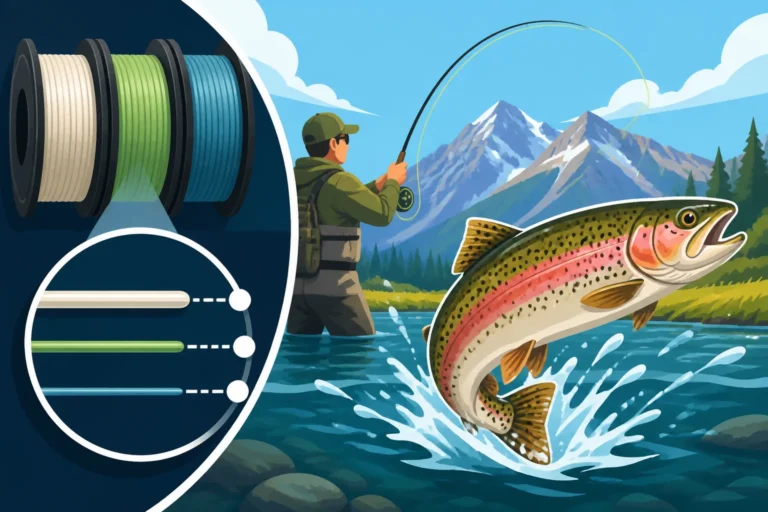
Given the variability of spring conditions, a versatile rod and reel setup is key. For trout streams and rivers, a 9-foot, 5 or 6-weight fly rod is a solid all-around choice for fly anglers. It has enough backbone to handle larger flies and fight bigger fish, yet is sensitive enough for delicate presentations. Pair it with a reliable reel and a weight-forward floating line, perhaps with a sink-tip option for deeper nymphing or streamer fishing. For spin anglers, a 6'6" to 7' medium-light or medium action rod with a fast tip is ideal. Spool your spinning reel with 6-10 lb test monofilament or fluorocarbon. Braided line, with a fluorocarbon leader, is also an excellent choice, offering sensitivity and strength. For lake fishing, especially when targeting larger species like lake trout or walleye, you might want to bump up to a medium-heavy rod. No matter your preference, always ensure your gear is in good working order after its winter hibernation. You can find a wide range of options on Amazon, often with helpful reviews to guide your purchase. If you're just starting, looking into Best Rod and Reel Combo for a Beginner can provide great insights into practical, affordable setups.
Go-To Baits, Lures, and Flies for Spring
Spring fishing calls for a variety of presentations. When waters are still cold or murky, go with larger, more colorful, or scent-enhanced options.
- For Trout:
- Bait: Worms (nightcrawlers, red wigglers), PowerBait, salmon eggs. These are classic for a reason, especially for recently stocked trout.
- Spinning Lures: Inline spinners (like Mepps or Panther Martins) in brighter colors (chartreuse, orange), small spoons (Kastmasters, Daredevils), and Rapala-style crankbaits that mimic baitfish.
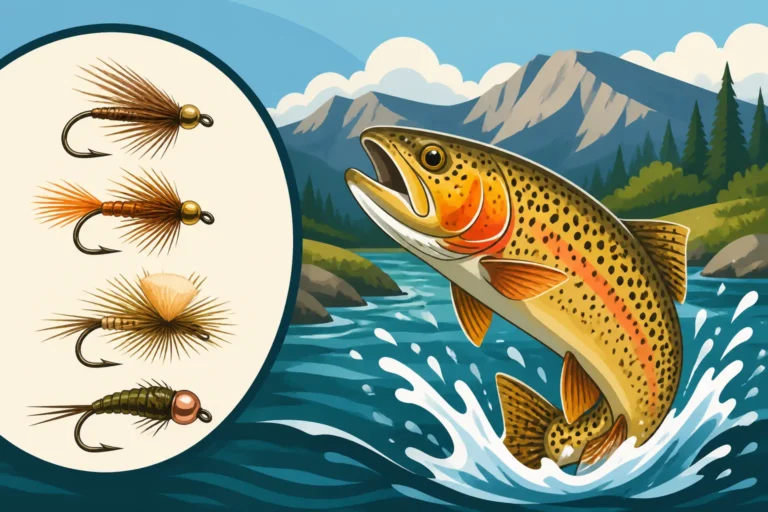
- Flies: Big, dark stonefly nymphs (Pat's Rubber Legs, Girdle Bugs), San Juan Worms, Squirmy Worms, larger Pheasant Tail Nymphs, and Woolly Buggers (black, olive, brown) for streamer fishing. As the water clears and warms, smaller nymphs and even early dry flies (Midges, Blue Winged Olives) can become effective. These are often great finds on Amazon for quick restocking before a trip.
- For Walleye/Perch:
- Jigs: Tipped with a minnow or a soft plastic grub, jigging spoons.
- Crawler Harnesses: Especially effective when trolling.
- Blade Baits: For vertical jigging over structure.
- For Bass:
- Jigs: With craw trailers.
- Crankbaits: Medium diving, in crawfish or baitfish patterns.
- Spinnerbaits: Especially in stained water.
Always check local regulations for bait restrictions, especially on specific trout streams. Knowing Best Lures for Wyoming Rainbow Trout can give you a head start on what to pack in your tackle box for those eager spring rainbows.
Spring Fishing Conditions and Techniques Table
| Condition | Water Clarity | Water Temperature | Best Location | Recommended Technique |
|---|---|---|---|---|
| Early Spring/Ice Out | Clear – Stained | Very Cold (30s-40s°F) | Deeper sections, lake points, tailwaters | Slow retrieved jigs/spoons, bait (PowerBait, worms), heavy nymph rigs, slow streamers |
| Moderate Runoff | Murky | Cold (40s°F) | Eddies, slow pockets, river banks, feeder creeks | Large, dark streamers, big stonefly nymphs, worms, brightly colored spinners/spoons |
| Clearing/Warming | Stained – Clear | Cool (40s-50s°F) | Runs, riffles, shallower lake bays, spawning flats | Nymphing, smaller streamers, small crankbaits, jigs, early dry flies (Midges, BWO) |
| Post-Spawn Surge | Clear | Cool (50s-60s°F) | Feeding lanes, structure, weed lines | Dry-dropper rigs, diverse nymphs, baitfish imitations, topwater lures (bass) |
Best Wyoming Waters for Early Spring Action
While many waters are still locked in winter's grip or exploding with runoff, some specific types of fisheries offer excellent early spring opportunities. Knowing where to go can save you a lot of frustration and lead to some fantastic fishing.
Tailwaters and Low-Elevation Lakes
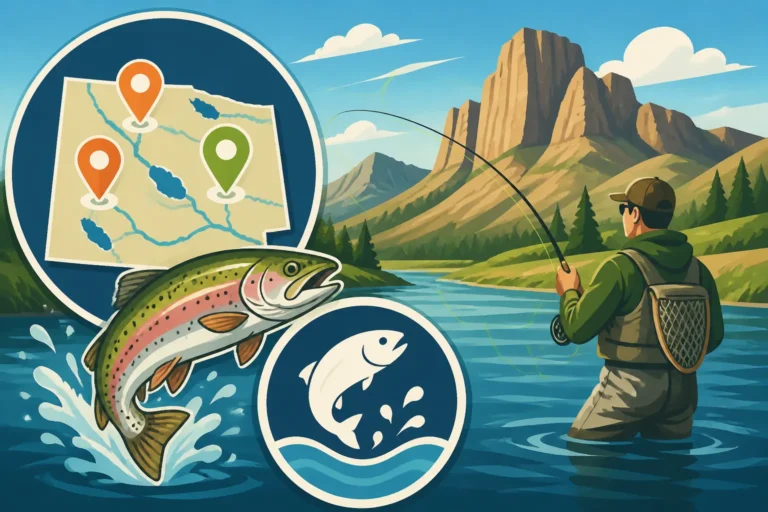
When major rivers are blown out by runoff, tailwaters – the sections of river immediately below dams – often remain clear and fishable. This is because the water released from the bottom of reservoirs is relatively stable in temperature and free of sediment. Wyoming boasts several famous tailwaters, including stretches of the North Platte River like the "Miracle Mile" and Gray Reef, which offer some of the best early-season trout fishing anywhere. These waters tend to warm up quicker and provide a consistent environment, drawing anglers from all over. Similarly, larger, lower-elevation reservoirs and lakes like Glendo Reservoir, Boysen Reservoir, and Pathfinder Reservoir can thaw and become fishable earlier than their higher-altitude counterparts. These larger bodies of water are less susceptible to sudden runoff events and can hold diverse populations of trout, walleye, and bass. Exploring The Miracle Mile Stretch of Wyoming's North Platte River can give you a detailed look at why this particular tailwater is a spring hotspot.
Urban Ponds and Stocked Waters
For families, beginners, or those just looking for a quick and easy fishing fix in early spring, Wyoming's urban ponds and regularly stocked waters are a fantastic option. The Wyoming Game and Fish Department does an excellent job of stocking these community waters with rainbow trout, often starting in April and continuing through the spring. These ponds, found near cities like Casper, Cheyenne, and Laramie, warm up faster than larger lakes and rivers, making the stocked trout eager to bite. They offer accessible fishing from banks, often with amenities like picnic tables and restrooms, making them perfect for a casual outing. While not offering the wild adventure of a backcountry stream, they guarantee action and are an excellent way to introduce kids to fishing. Keep an eye on the Game and Fish stocking reports to find out How to Find Recently Stocked Wyoming Waters near you, or consult guides on Best Kids' Fishing Ponds in Wyoming for family-friendly options.
Transitioning to Summer: Late Spring Opportunities
As spring progresses into late May and early June, Wyoming's fishing landscape begins its transformation into the peak summer season. The formidable challenges of early spring start to diminish, opening up a whole new world of angling possibilities.
Mountain Lakes and Tributaries Opening Up
The true gems of Wyoming's high country, the alpine lakes and their feeder streams, remain locked under ice and snow for much of the early spring. But as late spring warmth finally penetrates the mountains, these waters begin to thaw and become accessible. This period, often from late May through June, marks the gradual opening of vast, pristine wilderness fisheries. The meltwater, while still cold, provides a fresh influx of nutrients, and resident trout (cutthroat, brook, golden) become incredibly active, feeding aggressively after their long winter under the ice. Access often requires hiking or even backpacking into these remote areas, but the reward is unparalleled solitude and eager fish in breathtaking surroundings. It's truly a special time to experience the wild side of Wyoming fishing. Understanding When Wyoming's High Lakes Become Fishable is key to planning these adventurous trips, and knowing How to Fish Wyoming's High-Alpine Lakes will ensure you're prepared for the unique challenges and rewards they offer.
The Promise of May and Early June Fishing
By late May and early June, the worst of the runoff is typically receding in many areas, and river levels start to stabilize. Water temperatures become more consistent, and insect hatches begin to emerge with greater frequency and diversity. This is often when dry fly fishing truly comes alive on Wyoming's trout streams, with species like caddis and various mayflies making an appearance. Fish become more aggressive, willing to chase streamers, rise to dry flies, and actively seek out nymphs. Lake fishing also hits its stride, with all species becoming active across various depths. The longer, warmer days make for more comfortable fishing, and the landscape is lush and vibrant. It's a fantastic time to explore different techniques and target a wider array of species, offering a taste of the abundant fishing that summer will bring. For a broader overview of what to expect throughout the year, checking out a general guide on Wyoming Fishing Seasons Month by Month can provide helpful context.
Disclaimer
Fishing conditions in Wyoming are subject to rapid change due to weather, water levels, and fish migration. Always consult the most current Wyoming Game and Fish Department regulations before heading out, as rules and conditions can change unexpectedly. This guide provides general information and recommendations, but anglers are responsible for their own safety and adherence to all applicable laws.