Fishing the Antelope Flat Area of Flaming Gorge
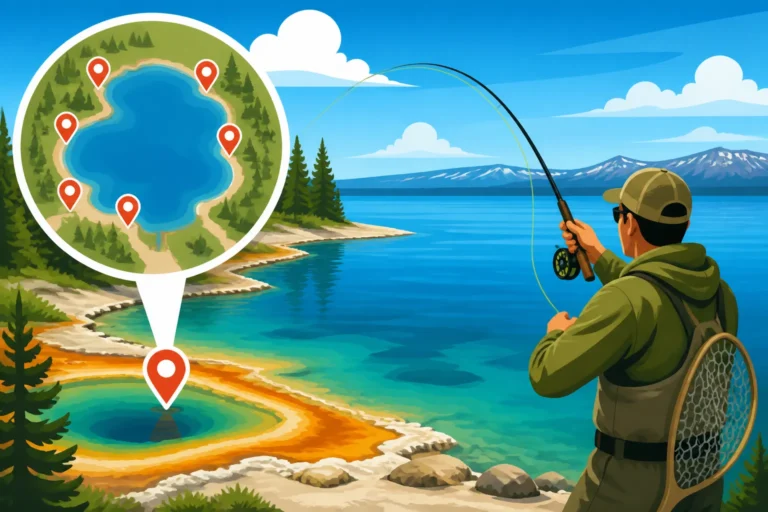
Navigating a massive reservoir like Flaming Gorge can feel like trying to find a needle in a haystack, especially when you're looking for prime fishing spots. Many anglers get overwhelmed by its sheer size and don't know where to start, often sticking to the most popular areas. This guide is designed to cut through that confusion, focusing specifically on the Antelope Flat area, revealing its unique opportunities and helping you pinpoint where and how to fish this productive part of Flaming Gorge in Wyoming.
Why Antelope Flat Area Stands Out for Anglers
The sheer scale of Flaming Gorge Reservoir can be intimidating. Spanning over 91 miles with more than 360 miles of shoreline, it’s easy to feel lost, even for seasoned anglers. But nestled within this vast landscape, the Antelope Flat area emerges as a consistent hotspot, offering distinct advantages that make it a perennial favorite. Its unique geography and the way it interacts with the broader reservoir environment create a micro-habitat that attracts and holds a variety of popular game fish. This isn't just another section of the lake; it's a strategically important zone that savvy anglers learn to appreciate.
Geographical Advantages and Structure
Antelope Flat, situated on the Wyoming side of Flaming Gorge, is characterized by its expansive but relatively shallower bays and numerous fingers that extend into the main channel. Unlike some of the deeper, sheer-walled sections of the Gorge, Antelope Flat offers a more gradual slope, punctuated by underwater points, humps, and submerged timber. This varied topography is a magnet for fish, providing ample hiding spots, ambush points, and feeding grounds. The shallower depths in some areas allow sunlight to penetrate more effectively, encouraging the growth of aquatic vegetation, which in turn supports a robust insect and baitfish population. This rich food source is precisely what draws in larger predatory fish. The intricate shoreline, with its many coves and rock formations, also offers excellent opportunities for shore anglers or those in smaller boats looking to explore away from the main boat traffic. Understanding these contours, even with basic sonar, is key to unlocking the area's potential.
Unique Habitat for Key Species
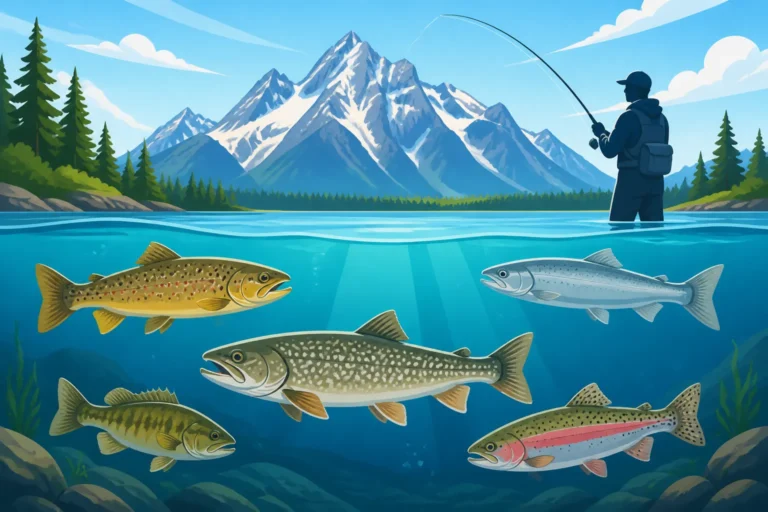
What truly makes Antelope Flat shine is its ability to support a diverse fishery, especially when compared to other parts of Flaming Gorge. While the entire reservoir is famous for its massive Lake Trout (Mackinaw), Antelope Flat often provides more consistent action for these deep-water giants, particularly during certain seasons. Beyond the Mackinaw, this area is also a prime location for targeting Kokanee Salmon, which thrive in its nutrient-rich waters. The presence of submerged structure and varying depths creates ideal conditions for these salmon to feed on zooplankton. Furthermore, the rocky shorelines and warmer, shallower pockets of Antelope Flat are excellent for smallmouth bass, providing them with perfect ambush cover and spawning habitat. This variety means that no matter your preferred target, Antelope Flat likely holds an opportunity. It’s a testament to the diverse ecosystem created by the unique blend of geography and water conditions.
Targeting Key Species and Techniques at Antelope Flat
Now that we understand why Antelope Flat is such a prime location, let's talk about how to actually catch fish there. Each species has its own quirks and preferences, and tailoring your approach to them is what separates a good day from a truly great one. Many anglers get frustrated trying a one-size-fits-all approach on a reservoir this diverse, but with a little strategic thinking, you can significantly increase your chances of success.
Pursuing Lake Trout (Mackinaw)
Flaming Gorge is legendary for its Lake Trout, and Antelope Flat is no exception. These powerful fish can grow to impressive sizes, with the current state record for Wyoming Lake Trout weighing a whopping 50 pounds! While they generally prefer deep, cold water, their behavior changes with the seasons and baitfish movements. In the Antelope Flat area, you'll often find them patrolling depths ranging from 60 to 150 feet, especially near underwater humps and drop-offs.
- Trolling is King: For covering vast areas and finding actively feeding fish, trolling is incredibly effective. You'll want to employ downriggers to get your lures to the precise depth where the Lakers are holding. Popular lures include large spoons, stickbaits like Rapalas, and tube jigs trolled behind dodgers or flashers. Experiment with different colors, but silver, blue, white, and chartreuse are often reliable. Remember to vary your speed; sometimes a slow, almost jerky troll triggers a strike. For more details on this, check out our guide on Trolling Tube Jigs for Lake Trout at Flaming Gorge.
- Deep Jigging: When you locate schools of baitfish or see large arcs on your sonar, vertical jigging can be incredibly productive. Heavy tube jigs (often 4-8 inches long), large spoons, or even specialized soft plastic swimbaits are excellent choices. Drop your lure to the bottom and work it with an aggressive lift-and-drop motion, pausing occasionally to let the lure flutter. Many strikes occur on the fall. This is a more active method that can yield big rewards, especially if you can pinpoint structure where fish are congregating.
- Bait Fishing: While not as common for actively searching, setting out a dead baitfish (like a herring or sucker) on a three-way swivel rig near the bottom can entice sluggish giants. Be sure to check Wyoming Fishing Regulations Every Angler Should Know for bait restrictions.
Chasing Kokanee Salmon
These smaller, feisty salmon are a blast to catch and offer excellent table fare. Antelope Flat often sees good numbers of Kokanee, particularly during their feeding cycles. They are filter feeders, primarily consuming zooplankton, which means traditional lures need to imitate this food source or trigger an aggressive response.
- Downrigger Trolling: Like Lake Trout, Kokanee are often found suspended in the water column, making downriggers essential. Small hoochies, wedding rings, or mini-spoons tipped with a kernel of Shoepeg corn are incredibly effective. The corn adds scent and a visual attractant that these salmon love. Troll at slower speeds (1-1.5 mph) and keep your gear relatively close to the boat, often within 10-30 feet of the surface in prime feeding lanes. Many anglers find success using brightly colored dodgers or flashers ahead of their lures to attract attention. Consider reading about Trolling Techniques for Wyoming Reservoirs for general tips.
- Spotting Schools: Keep an eye on your fish finder for dense schools of fish suspended at specific depths. Kokanee often school tightly, and once you find them, you can often make multiple passes through the school. Their bite can be subtle, so pay close attention to your rod tip.
- Seasonal Movements: Kokanee move shallower in the spring and fall, especially as they approach their spawning cycle, often in the late summer/early fall. During this time, they become much more aggressive and can be targeted with different methods, even from shore in specific areas.
Smallmouth Bass and Other Warmwater Opportunities
While Lake Trout and Kokanee often get the headlines, Antelope Flat also provides excellent opportunities for smallmouth bass, especially during the warmer months. These hard-fighting fish love rocky shorelines, submerged timber, and any kind of structure they can ambush prey from.
- Shoreline and Structure Fishing: Target points, rocky outcroppings, and submerged brush piles. Smallmouth are aggressive predators and will readily hit a variety of lures.
- Lure Selection: Crankbaits that mimic baitfish, soft plastic tubes, grubs, and finesse worms rigged on a jig head are all excellent choices. For topwater excitement, try walking baits or poppers during low-light conditions. These fish are known for their acrobatic jumps, making them a thrilling catch.
- Versatility: Don't be afraid to switch up your retrieve speed or lure color. Sometimes a slow, deliberate presentation is key, while other times a fast, erratic retrieve will trigger a strike. Early morning and late evening are often prime times for smallmouth, as they move into shallower water to feed.
- Perch and Walleye: While less prominent than in other parts of Flaming Gorge, you might encounter yellow perch in the shallower bays and occasionally walleye, especially closer to the main channel edges. For perch, small jigs tipped with bait or tiny spinners work well. Walleye might respond to jigging with a minnow or slow-trolling crankbaits near the bottom.
Essential Gear, Access, and Angler Know-How
A successful day on the water at Antelope Flat, or any part of Flaming Gorge, isn't just about knowing what fish are there; it's also about being prepared. The reservoir is vast and conditions can change quickly, so having the right gear and understanding access points are crucial. Plus, adhering to local regulations is paramount for a responsible and enjoyable trip.
Recommended Gear for Antelope Flat
Bringing the right equipment can make all the difference, especially when you're targeting specific species in varied depths. Don't let underpreparedness ruin your adventure.
- For Lake Trout and Kokanee:
- Rods: Medium-heavy to heavy action rods (7-9 feet) are ideal for trolling and jigging, capable of handling heavy weights and strong fish.
- Reels: High-capacity baitcasting reels or stout spinning reels are necessary for holding enough line (200+ yards of 20-30 lb braided line with a fluorocarbon leader) and handling the strain of deep-water fish.
- Line: Braided line is popular for its sensitivity and strength, often paired with a 15-20 lb fluorocarbon leader for stealth.
- Terminal Tackle: A good selection of downrigger releases, trolling dodgers/flashers, heavy jigging spoons (1-4 oz), tube jigs (3-6 inches), and various spoons and stickbaits are essential.
- For Smallmouth Bass and Other Warmwater Species:
- Rods: Medium-light to medium action spinning rods (6-7 feet) offer versatility for casting various lures.
- Reels: Matching spinning reels spooled with 6-10 lb fluorocarbon or monofilament line.
- Lures: A tackle box stocked with crankbaits, soft plastic tubes, grubs, worms, and topwater lures will cover most situations.
- General Essentials: Always carry a sturdy net, long-nose pliers for hook removal, a good pair of polarized sunglasses to cut glare, and plenty of sunscreen. A reliable fish finder with GPS is invaluable for locating structure and marking productive spots. Don't forget your fishing license and conservation stamp! You can learn more about The Wyoming Conservation Stamp and What It Covers to ensure you're compliant.
Access Points and Facilities
Antelope Flat is one of the more accessible areas on the Wyoming side of Flaming Gorge, making it a popular choice for both boaters and shore anglers. Knowing where to launch your boat or find a good spot on the bank is key.
- Antelope Flat Boat Ramp: This is the primary access point for boaters looking to fish the area. It's a well-maintained ramp, typically accessible for most boat sizes. There are usually ample parking spaces, but it can get busy during peak season. From here, you can easily access the deep water for Lake Trout or work the shallower bays for Kokanee and smallmouth.
- Shoreline Access: Several sections of Antelope Flat offer good bank fishing opportunities, particularly around the campgrounds and picnic areas. Look for points or coves with rocky structure where smallmouth bass often congregate. Always be mindful of private property signs and respect designated access points.
- Camping: The Antelope Flat Campground, managed by the U.S. Forest Service, is right on the reservoir. It offers developed campsites with amenities, making it a fantastic option for multi-day fishing trips. Having your camp close to the water means more time fishing and less time driving. Check the Forest Service website or recreation.gov for reservation details and current conditions.
- Other Nearby Access: While Antelope Flat is a great hub, don't forget that Flaming Gorge is massive. Exploring other nearby spots, perhaps just a short boat ride away, can diversify your trip. You can find more comprehensive details on Best Access Points on Wyoming's Flaming Gorge Reservoir.
Here's a quick overview of facilities:
| Feature | Antelope Flat Area |
|---|---|
| Boat Ramps | Antelope Flat Boat Ramp (main access) |
| Shore Fishing | Numerous rocky points, coves, and campground areas |
| Camping | Antelope Flat Campground (reservations recommended) |
| Restrooms | Available at campground and boat ramp |
| Water | Potable water available at campground |
| Fish Cleaning | Limited facilities, best to bring your own setup |
| Fuel/Supplies | Not available directly; nearest services in Manila, UT |
Navigating Regulations and Best Practices
Wyoming has specific regulations to protect its fisheries, and Flaming Gorge, being an interstate reservoir (partially in Utah), can have nuanced rules. It's vital to stay informed.
- Wyoming Game and Fish Department: Always consult the most current Wyoming Game and Fish Department (WGFD) fishing regulations booklet before you head out. These can be found online or at license vendors. This will provide up-to-date information on bag limits, possession limits, tackle restrictions, and any water-specific rules. For example, understanding Wyoming's Combined Possession Limit Explained is crucial for multi-species trips.
- Conservation and Invasive Species: Flaming Gorge is a pristine fishery, and keeping it that way is everyone's responsibility. Always clean, drain, and dry your boat and gear to prevent the spread of aquatic invasive species. Zebra mussels, for instance, are a significant threat. Learn about What Invasive Fish Species Threaten Wyoming Waters to do your part.
- Hiring a Guide: If you're new to Flaming Gorge or want to maximize your chances, consider hiring a local guide. They know the area intimately, have the right gear, and can quickly put you on fish. Platforms like FishingBooker are excellent resources for finding experienced and licensed guides who specialize in Flaming Gorge. A quick search on FishingBooker for "Flaming Gorge fishing guides" will show you a range of options, from Lake Trout specialists to guides focusing on Kokanee. This can save you a lot of trial and error, ensuring you're fishing effectively and safely.
Seasonal Strategies and Local Insights for Antelope Flat
Fishing success in Antelope Flat, like anywhere in Wyoming, is heavily influenced by the seasons. The behavior of fish changes dramatically with water temperature, light conditions, and spawning cycles. Understanding these shifts is paramount to consistently finding fish. Don't make the mistake of using summer tactics in spring; a little seasonal foresight goes a long way.
Spring and Early Summer Success
As the ice melts (typically late March to April, though ice-out varies yearly), the spring season ushers in a period of renewed activity. The water temperatures begin to rise, and fish become more active after a long winter under the ice.
- Post-Spawn Feeding Frenzy: Many fish species, particularly rainbow trout and some brown trout, will be finishing their spring spawns and looking to aggressively feed to regain energy. These fish might be found shallower than usual, making them accessible to both boat and shore anglers. Casting spoons, small crankbaits, or even using powerbait or worms can be highly effective.
- Kokanee Moving Up: Kokanee Salmon often move into shallower areas during spring as zooplankton blooms. Trolling small kokanee gear at shallower depths (10-40 feet) can produce excellent results. Pay close attention to your fish finder for suspended schools.
- Lake Trout Transition: While deep-water giants are still present, some Lake Trout may cruise shallower edges, especially during low light, looking for easy meals. Early morning trolling close to structure can yield unexpected strikes from larger fish. This is a great time to experiment with different depths around the underwater points of Antelope Flat.
- Water Levels and Clarity: Spring often brings runoff, which can impact water clarity. While this might make some areas murky, it can concentrate fish near clearer water pockets or inflows. Always check current conditions before heading out.
Fall and Winter Tactics
As the vibrant colors of autumn sweep across the landscape, the fishing at Antelope Flat shifts dramatically. The cooling water temperatures signal major changes in fish behavior, making it a prime time for certain species, while winter offers unique opportunities for ice anglers.
- Fall Brown Trout and Lake Trout Movements: October and November are legendary months for Brown Trout in Flaming Gorge, as they move towards shallower spawning grounds. While Antelope Flat might not be a primary spawning tributary, the adjacent main channel and its depths will see increased activity. Larger Lake Trout also become more active as water temperatures drop, often venturing shallower to feed on kokanee and other baitfish. This is a fantastic time for aggressive trolling with larger lures or jigging big tubes for trophy fish. If you're considering a guided trip during this prime season, remember that services found on FishingBooker often book up months in advance, so plan ahead.
- Winter Ice Fishing: Once the reservoir freezes over, Antelope Flat often provides safe and productive ice fishing opportunities. While the main channel remains open, many of the shallower bays and coves can offer solid ice.
- Target Species: Lake Trout, Rainbow Trout, and Kokanee are commonly caught through the ice. Walleye and perch can also be found in certain areas.
- Techniques: For Lake Trout, jigging heavy spoons (like Daredevils or Northland Buck-Shot Spoons) or large tube jigs (4-6 inches) near the bottom is effective. For Kokanee and Rainbows, smaller jigs tipped with mealworms, wax worms, or PowerBait are excellent.
- Safety First: Always prioritize ice safety. Check local conditions with the WGFD or bait shops, and never venture onto unsafe ice. An auger, ice fishing shelter, and portable heater can make your winter experience much more comfortable. When planning your trip, consider that many local outfitters offering guided ice fishing trips can be found through platforms like FishingBooker, providing all necessary gear and expertise.
Knowing these seasonal patterns and adapting your strategies accordingly will vastly improve your success rate at Antelope Flat. Whether it's the post-spawn feast of spring, the deep-water trolling of summer, the trophy hunting of fall, or the serene calm of winter ice fishing, this area of Flaming Gorge offers year-round opportunities for the prepared angler.
Disclaimer
Fishing conditions and regulations in Wyoming can change frequently. Always consult the official Wyoming Game and Fish Department regulations before heading out on any fishing trip. This guide is for informational purposes only and does not constitute legal advice or guarantee fishing success. Be aware of weather conditions, practice safe boating, and always respect private property and the environment.