Best Access Points on Wyoming’s Flaming Gorge Reservoir
Flaming Gorge Reservoir, a true behemoth of a fishing destination, can feel incredibly overwhelming when you're planning a trip. It's so vast, straddling the Wyoming-Utah border, that just figuring out where to start can be half the battle. Don't worry, friend! This guide is going to walk you through the very best and most accessible spots on the Wyoming side of Flaming Gorge, ensuring your fishing adventure is productive and stress-free.
Getting Your Bearings on Flaming Gorge Reservoir's Wyoming Side
Stepping onto the shores of Flaming Gorge, or even just looking at a map, you quickly realize you're dealing with an immense body of water. It stretches over 91 miles long and boasts more than 350 miles of shoreline. This isn't just a big lake; it's a diverse aquatic ecosystem carved by the Green River, offering a different experience depending on where you drop your line.
Understanding the Reservoir's Scale and Geography
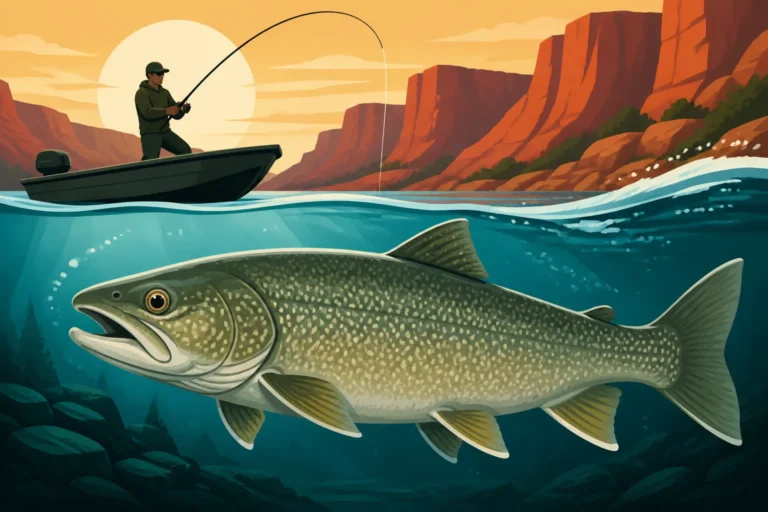
Imagine a serpentine lake, with deep, clear blue waters contrasting against vibrant red rock canyons and high desert scenery. That's Flaming Gorge for you. On the Wyoming side, the reservoir generally extends from the dam area near Dutch John, Utah, north towards the town of Green River, Wyoming. The northern sections tend to be shallower, with more coves and bays, eventually narrowing into the Green River arm. As you move south towards the dam, the canyons deepen, and the water becomes significantly colder and clearer, creating ideal habitat for different species. This vastness means that conditions and fishing opportunities can vary dramatically from one access point to another, even within a few miles. It’s crucial to pick a spot that aligns with the kind of fishing experience you're after, whether it's trolling for lake trout in deep water or casting for smallmouth bass in a quiet cove.
Why Flaming Gorge is a Premier Wyoming Fishing Destination
What draws anglers from all over to Flaming Gorge? Simple: variety and the chance for trophy fish. This reservoir is a renowned fishery for a diverse range of species, including massive Lake Trout (Mackinaw), feisty Kokanee Salmon, hard-fighting Rainbow Trout, aggressive Brown Trout, and an impressive population of Smallmouth Bass. It's not uncommon to hear tales of anglers battling 20, 30, or even 40-pound Lake Trout here, a testament to the rich forage base and deep, cold waters. Beyond the impressive fish, the scenery is unparalleled. The Flaming Gorge National Recreation Area offers stunning red cliff backdrops, abundant wildlife, and a sense of solitude that's hard to find at more crowded fisheries. Whether you're a seasoned fly-fisher, a trolling enthusiast, or simply looking for a relaxing day of bait fishing, Flaming Gorge offers something truly special. For a deeper dive into the species you might encounter, check out our guide on Lake Trout Mackinaw Fishing in Wyoming or perhaps Kokanee Salmon Fishing in Wyoming.
The Northern Gateway: Lucerne and Buckboard
As you approach Flaming Gorge from the north on the Wyoming side, two major access points often come up first: Lucerne and Buckboard. These areas are quite popular, and for good reason, offering a fantastic mix of amenities and fishing opportunities.
Lucerne Marina Area: Convenience and Variety
Lucerne Marina is arguably the most developed access point on the Wyoming side of Flaming Gorge and often the first stop for many anglers heading south from Green River. It's located just off Highway 530 and offers a full-service marina, boat ramps, fuel, a store, and camping facilities. This makes it incredibly convenient, especially if you're bringing a boat or planning an extended stay.
The fishing around Lucerne is incredibly varied. The shallower bays and points near the marina are prime real estate for Smallmouth Bass, especially during the warmer months. These aggressive fighters love rocky structure and can be caught on a variety of lures, from crankbaits to jigs. For those chasing trout, the deeper waters just outside the marina area hold good numbers of Rainbows and some respectable Brown Trout. Trolling with spoons or Rapalas is a popular and effective method here. Lucerne also provides excellent access for those looking to explore the main channel of the reservoir. The ample parking and multiple launch lanes mean less waiting, even on busy weekends. If you're looking to launch a larger boat, this is often your best bet for ease of access. When planning your trip, consider that Lucerne can get quite busy during peak summer weekends, so arriving early is always a good strategy.
The Buckboard Area of Flaming Gorge, Wyoming: Seclusion and Shoreline Opportunities
Just a short drive south from Lucerne, you'll find the Buckboard Crossing area. This spot offers a slightly more rustic and often less crowded experience, making it a favorite for those seeking a bit more solitude without sacrificing good access. Buckboard features a well-maintained boat ramp, several campgrounds, and plenty of shoreline access.
What makes Buckboard truly shine are its diverse fishing prospects, particularly for shore anglers. The expansive shoreline provides ample opportunities to cast for Rainbow Trout, which are often stocked in this part of the reservoir. PowerBait, worms, or small spinners cast from the bank can be very effective here, making it a great spot for families or beginners. The deeper waters accessible by boat from Buckboard are excellent for targeting Kokanee Salmon, especially during their feeding cycles when they cruise at specific depths. If you're wondering Where to Find Kokanee Salmon at Flaming Gorge, the open water off Buckboard is a solid starting point. Moreover, the rocky outcrops and submerged structure in Buckboard Bay are fantastic for Smallmouth Bass, offering both casting and jigging opportunities. The camping at Buckboard ranges from developed sites to more primitive options, providing flexibility for different preferences. The area's relative quietness compared to Lucerne makes it ideal for those wanting a more peaceful fishing outing.
Mid-Reservoir Gems: Firehole and Conklin Point
Moving further south into the heart of the Wyoming portion of Flaming Gorge, you'll encounter a few more access points that offer distinct advantages, particularly for those seeking stunning scenery and specific fishing challenges.
Firehole Canyon: Scenic Beauty and Diverse Fishing
Firehole Canyon, located off Highway 530 even further south from Buckboard, is a truly spectacular access point, renowned for its dramatic red rock formations and serene waters. It's often considered one of the most picturesque areas of Flaming Gorge. The canyon provides a launch ramp, a campground, and various day-use areas perfect for picnicking or simply soaking in the views.
Fishing at Firehole is as diverse as its scenery. The deeper waters around the canyon walls are excellent for targeting larger Lake Trout and Brown Trout. Anglers often employ downriggers and deep-diving lures here to reach fish holding in the thermocline. The steep rock walls create deep drop-offs very close to shore in many places, meaning shore anglers can sometimes reach deeper water more easily than at other locations. The calmer coves within Firehole Canyon also offer good opportunities for Smallmouth Bass. These fish will often be found near submerged rocks and ledges, ambushing prey. For those keen on Trolling Techniques for Wyoming Reservoirs, the expansive, relatively straight stretches of water in and near Firehole Canyon provide ideal conditions for covering ground and finding actively feeding fish. The sheer beauty of Firehole adds an extra layer of enjoyment to any fishing trip; it's a place where even if the fish aren't biting, the views alone are worth the drive.
Conklin Point: A Hidden Gem for Dedicated Anglers
Conklin Point is less developed than Lucerne or Firehole, making it a favorite for anglers who appreciate a more rugged and less trafficked experience. While it does have a gravel boat launch suitable for smaller boats or hand launching, it’s primarily known for its extensive shoreline access and the opportunities it presents for walk-in fishing. You'll find Conklin Point a bit off the beaten path, requiring a short drive on a gravel road from Highway 530, which often deters casual visitors.
The reward for this effort is often outstanding fishing. Conklin Point's shoreline offers excellent bank fishing for Rainbow Trout and some nice Brown Trout, particularly during the cooler months of spring and fall. The diverse underwater structure, including rocky points and small coves, also makes it a productive area for Smallmouth Bass. Because it sees less pressure, the fish here can sometimes be less wary. This spot is perfect for anglers who enjoy exploring and finding their own secluded stretch of water. It's worth noting that amenities are minimal, so you'll need to pack in everything you need, including water and any tackle. The rugged beauty and quiet atmosphere make Conklin Point a fantastic option for a truly immersive Flaming Gorge fishing experience, away from the crowds.
Accessing the Upper Green River Arm
As you travel further north and west from the main body of Flaming Gorge Reservoir, the vast expanse of the lake gradually narrows into the Green River arm, eventually becoming the Green River itself. This transition zone offers a unique fishing environment, blending reservoir characteristics with riverine influences.
Bridger Bay and Green River Overlook: Entry to the River Arm
Bridger Bay is one of the key access points to this northern, river-influenced section of Flaming Gorge. Located further west and north from Lucerne, it provides a boat ramp that's particularly useful for those wanting to explore the shallower, more winding sections of the reservoir that lead into the Green River. This area is characterized by more submerged vegetation and a more defined current compared to the main reservoir body.
The Green River arm is a fantastic area for targeting a variety of species that thrive in both river and reservoir conditions. Northern Pike, though not as widespread as in some other Wyoming waters, can occasionally be found in the weedy bays of the river arm, especially in spring. More commonly, you'll find Rainbow Trout and Cutthroat Trout making their way up the river from the reservoir, particularly during spawning runs. The shallower, warmer waters also provide excellent habitat for Smallmouth Bass and various panfish. The Green River Overlook, a scenic pull-off, gives you a bird's-eye view of this narrowing section, helping you identify potential fishing spots from above. This area requires a different approach than the main lake; lighter tackle and techniques suited for river systems or shallow bays often yield the best results.
Exploring the Tributary Inflows: Potential Hotspots
Beyond the main access points, the Green River arm is fed by several smaller tributaries that can become significant fishing hotspots, especially during certain times of the year. While direct boat access to these smaller creeks is rarely possible, the areas where they flow into the reservoir arm can concentrate fish.
These inflows often bring cooler, oxygenated water and vital nutrients into the system, attracting baitfish and, subsequently, larger game fish. In the spring, as snowmelt begins, these areas can be particularly productive for various trout species that move into the warmer, nutrient-rich waters. Smallmouth Bass will also stage near these inflows, ambushing prey. Exploring these smaller feeder creeks and their confluences requires a more adventurous spirit and often some walking or wading. Always check specific regulations for these smaller waters, as they might differ from the main reservoir rules. Fishing around these tributary mouths with small spinners, worms, or fly patterns mimicking local insects can be incredibly rewarding. Remember that conditions can change rapidly based on water levels and recent precipitation, so local knowledge or a quick check of conditions is always a good idea before venturing out.
Navigating Flaming Gorge: Boat vs. Shoreline Strategies
Flaming Gorge is immense, and how you choose to access its waters significantly impacts your fishing strategy. Whether you're in a high-powered boat or casting from the bank, understanding the nuances of each approach is key to a successful outing.
Mastering Boat Access: Ramps, Marinas, and On-Water Navigation
For many, a boat is the ultimate tool for unlocking the full potential of Flaming Gorge. The ability to cover vast distances, reach secluded coves, and troll deep waters opens up incredible opportunities. The Wyoming side offers several excellent boat ramps, notably at Lucerne, Buckboard, and Firehole Canyon. These ramps are generally well-maintained and provide ample parking, though they can get busy on peak weekends.
When boating on Flaming Gorge, a few things are paramount. First, safety. This is a big body of water prone to sudden winds and choppy conditions. Always check the weather forecast before heading out, wear life jackets, and inform someone of your float plan. Second, navigation. While the main channel is generally deep, there are numerous submerged hazards, especially in shallower bays and near points. A good GPS/fishfinder combo is invaluable for marking structure and navigating safely. Third, trolling strategy. For targeting Lake Trout and Kokanee Salmon, understanding depth and speed is critical. Many anglers use downriggers to present lures at precise depths. If you're interested in really dialing this in, consider looking up guides on Best Depth for Trolling Lake Trout at Flaming Gorge or Trolling Tube Jigs for Lake Trout at Flaming Gorge. Finally, remember the importance of invasive species prevention. Wyoming takes this very seriously, so make sure your boat is clean, drained, and dry before launching. You can find more information on this with our article on Why Wyoming Requires Boat Inspections for Invasive Species.
Productive Shoreline Fishing: Where to Set Up Without a Boat
Don't have a boat? No problem! Flaming Gorge offers fantastic opportunities for shoreline anglers, provided you know where to go. The key is finding access points where the shore drops off quickly or where there's good submerged structure within casting distance.
The Buckboard Area of Flaming Gorge, Wyoming is a prime example, offering miles of accessible shoreline perfect for casting bait or lures. Here, you can target Rainbow Trout with PowerBait or worms, and Smallmouth Bass with spinners, jigs, or soft plastics. Focus your efforts around rocky points, submerged timber, and any visible current breaks. Conklin Point is another excellent choice for shore anglers, especially those willing to hike a bit to find quieter spots. The varied shoreline here provides diverse habitats, from shallow flats to deeper drop-offs. Even at Lucerne Marina, there are designated fishing piers and accessible shoreline areas where you can set up. For a more adventurous experience, exploring the numerous pull-offs and primitive camping spots along Highway 530 can reveal hidden gems. These often require a short hike down to the water, but the reward can be less pressured fish. Always remember to practice "leave no trace" principles when fishing from shore, packing out all your trash and respecting the natural environment.
Essential Preparations for Your Flaming Gorge Fishing Trip
A successful fishing trip to Flaming Gorge isn't just about knowing where to go; it's also about being properly prepared. Wyoming has specific rules and environmental considerations that every angler should be aware of.
Licenses, Permits, and Regulations: What You Need to Know
Before you even think about wetting a line in Flaming Gorge, ensuring you have the correct licensing is paramount. For the Wyoming side of the reservoir, you'll need a valid Wyoming fishing license. This isn't just a suggestion; it's a legal requirement, and game wardens do patrol the area. You can purchase these licenses online through the Wyoming Game and Fish Department website, at authorized vendors like many tackle shops or even some larger retailers such as Walmart, or even local gas stations near the reservoir. For non-residents, there are various options, including annual, daily, and 5-day licenses. Our guide on the Wyoming Fishing License Guide for Nonresidents can help you navigate these choices, or if you're a resident, our Wyoming Resident Fishing License Cost breaks down the local options.
It's also crucial to understand the specific regulations for Flaming Gorge. While generally covered by statewide rules, large bodies of water often have unique limits or restrictions. For instance, possession limits for certain species like Lake Trout or Kokanee Salmon might be different than for stream trout. Pay close attention to size limits and bag limits, which are detailed in the official Wyoming Fishing Regulations booklet. You can also explore our article Wyoming Fishing Regulations Every Angler Should Know for a general overview. Always carry your license with you (either physical or digital proof) and have a copy of the current regulations handy. Remember, ignorance of the law is no excuse, and fines for violations can be significant.
Here's a quick reference table for common Wyoming fishing license options (costs are approximate and subject to change by WGFD):
| License Type | Resident Annual | Nonresident Annual | Nonresident 5-Day | Nonresident Daily |
|---|---|---|---|---|
| Fishing License Cost | ~$27 | ~$100 | ~$57 | ~$14 |
| Conservation Stamp (Required for most annual/5-day) | ~$12.50 | ~$12.50 | ~$12.50 | Not required |
| Total Approximate Cost | ~$39.50 | ~$112.50 | ~$69.50 | ~$14 |
| Validity Period | Calendar Year (Jan 1 – Dec 31) | Calendar Year (Jan 1 – Dec 31) | 5 Consecutive Days | 1 Day |
| Best For | Frequent local anglers | Extended trips | Shorter trips | Quick day trips |
Note: Costs are approximate and subject to change. Always verify current prices and regulations with the Wyoming Game and Fish Department.
Safety and Respecting the Environment: Staying Prepared
Fishing on Flaming Gorge, while incredibly rewarding, demands respect for its environment and an emphasis on safety. The sheer size of the reservoir means weather can change rapidly. What starts as a calm morning can quickly turn into a windy, choppy afternoon, making boating hazardous. Always bring extra layers of clothing, rain gear, plenty of water, and a first-aid kit. Cell service can be spotty in some remote areas, so don't rely solely on your phone for emergencies.
Beyond personal safety, environmental stewardship is critical. Flaming Gorge is a pristine environment, and it's up to all of us to keep it that way. This includes:
- Preventing Aquatic Invasive Species (AIS): This is non-negotiable. Inspect your boat, trailer, and all fishing gear for any plant fragments or mussels. Drain all water from your boat and live wells, and dry everything thoroughly before launching. Wyoming has mandatory boat inspections for AIS, and you'll encounter inspection stations near the reservoir. Don't skip this step; it's vital for protecting the fishery.
- Pack it in, Pack it out: Leave no trace. Take all your trash with you, including fishing line, bait containers, and food wrappers.
- Respect Wildlife: You're in a wild place. Observe wildlife from a distance and never feed animals.
- Fire Safety: If you're camping, adhere strictly to fire restrictions, especially during dry periods.
- Know Your Limits: Adhere to bag and possession limits to ensure sustainable fishing for future generations.
Finally, if you're not familiar with the area, consider consulting local resources. Bait shops, visitor centers, and even online platforms like FishingBooker can provide valuable real-time information on fishing conditions, guide services, and any current advisories. Being prepared allows you to focus on the joy of fishing and the breathtaking beauty of Flaming Gorge.
Disclaimer
Please be aware that fishing regulations, license costs, and environmental conditions can change. Always consult the official Wyoming Game and Fish Department website and obtain the most current regulations booklet before planning your trip. The information provided here is for general guidance only.