Fishing Ocean Lake Near Riverton
It can sometimes feel like a real challenge to pinpoint those lesser-known, yet incredibly productive, fishing spots in Wyoming, especially when you're looking for something beyond the famed trout rivers. Many anglers struggle to find diverse opportunities that offer a shot at multiple species, requiring a comprehensive understanding of a lake's unique characteristics. This guide is dedicated to shedding light on the fantastic fishing opportunities at Ocean Lake near Riverton, offering detailed insights into its species, techniques, and how to make the most of your visit.
A Closer Look at Ocean Lake's Unique Fishery
Ocean Lake, nestled within the Riverton Wildlife Management Area, is a true gem for anglers seeking a different kind of Wyoming fishing experience. Unlike many of the state's cold-water havens, this lake offers a fantastic array of warm and cool-water species, making it a diverse and exciting destination.
What Makes Ocean Lake a Special Fishing Destination
Ocean Lake stands out primarily due to its shallower depths and fertile waters, which create an ideal habitat for a variety of fish species that thrive in warmer conditions. Covering over 6,000 surface acres at full pool, it's a significant body of water, yet much of it remains relatively shallow, allowing sunlight to penetrate and promote robust aquatic vegetation. This vegetation, in turn, provides cover and food sources for baitfish and invertebrates, forming a rich ecosystem that supports a healthy population of game fish. The lake's location, just a short drive from Riverton, makes it highly accessible for both local and visiting anglers. It's not uncommon to find thriving populations of walleye, crappie, yellow perch, channel catfish, and even some smallmouth bass here, offering a unique multi-species challenge. Its status within a wildlife management area also means that the surrounding landscape is preserved, offering a tranquil and scenic backdrop to your fishing adventures.
Key Fish Species You'll Encounter
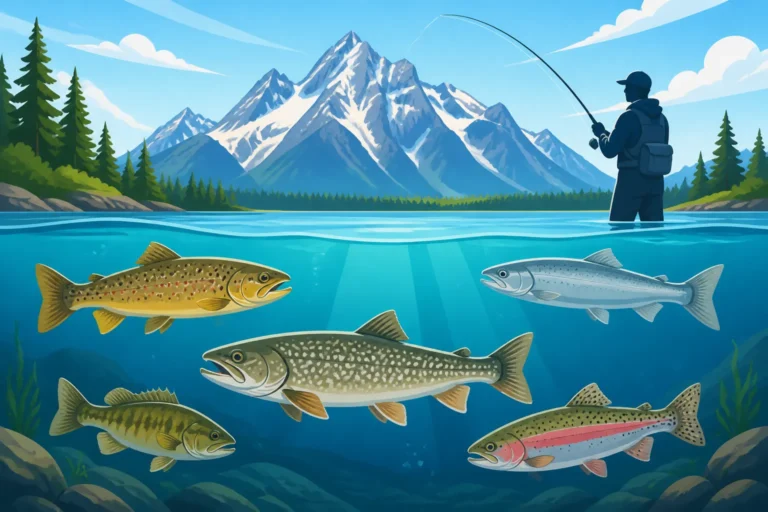
When you head out to Ocean Lake, you're not just targeting one or two species; it's a veritable smorgasbord of angling opportunities. The most sought-after fish here are often walleye, known for their delectable fillets and challenging bite. These predators lurk around structure and deeper flats, especially during dawn and dusk.
Next up are the abundant crappie, particularly black crappie, which are a blast to catch and equally tasty. They tend to school up around submerged brush, weed beds, and any available cover. Yellow perch are another popular target, especially for ice anglers, offering consistent action and mild-flavored meat. For those who enjoy a strong fight and excellent table fare, channel catfish are present in good numbers, often found in the muddier, deeper sections of the lake. While not as prevalent as the other species, smallmouth bass offer an exciting challenge, especially along rocky shorelines and points. Finally, don't be surprised if you hook into a burbot, also known as ling. These unique, eel-like bottom dwellers are primarily nocturnal and provide a fun, albeit different, angling experience, particularly during the colder months. To learn more about specific species, you might find this guide on Perch Fishing in Wyoming helpful, as many of the same principles apply.
Essential Gear and Techniques for Ocean Lake
To truly succeed on Ocean Lake, it helps to be prepared for the diverse species and conditions you might encounter. Having the right tackle and knowing a few key techniques can make all the difference.
Rods, Reels, and Line for Multi-Species Success
Given the variety of fish in Ocean Lake, a versatile rod and reel setup is your best bet. For walleye and bass, a medium to medium-heavy spinning rod, around 6'6" to 7 feet long, paired with a 2500-3000 series spinning reel, is a solid choice. This setup provides enough backbone for a strong hookset and the sensitivity to detect subtle bites. Spool your reel with 10-15 pound braided line, which offers superior sensitivity and casting distance, and add a fluorocarbon leader (8-12 lb) for stealth.
For crappie and perch, lighter tackle is far more effective. A light to ultra-light spinning rod, 5'6" to 6'6" in length, coupled with a smaller 1000-2000 series reel, will give you the finesse needed for these smaller fish. Four to six-pound monofilament or braided line with a light fluorocarbon leader (4-6 lb) is perfect. The lighter line allows for tiny jigs and baits to behave naturally in the water, which is often crucial for enticing crappie. You can find more specific advice on selecting appropriate gear in our comprehensive guide to Spin Fishing Techniques for Beginners.
Effective Lures and Baits for Different Species
Matching your bait or lure to your target species is key at Ocean Lake. For those elusive walleye, jigs tipped with minnows or nightcrawlers are highly effective, especially when fished near the bottom. Crankbaits that dive to different depths can also be deadly, particularly for trolling or casting over submerged humps. Bottom bouncers paired with spinner rigs or live bait are also popular choices.
Crappie, on the other hand, are often best targeted with small jigs (1/32 to 1/8 ounce) adorned with soft plastic grubs, tubes, or small minnows. Suspending these baits under a bobber near brush piles or weed edges can be incredibly productive. For yellow perch, tiny jigging spoons, small jigs tipped with a piece of worm, or even just a plain hook with a small minnow or grub will usually do the trick. If you're after channel catfish, go for cut bait, stink baits, or good old nightcrawlers fished on the bottom. Smallmouth bass will hit a variety of artificials, including soft plastic tubes, grubs, spinnerbaits, and small crankbaits. For more detailed insights into walleye tactics, you might want to read about Jigging for Walleye at Boysen Reservoir, as many of these techniques can be adapted for Ocean Lake's walleye population.
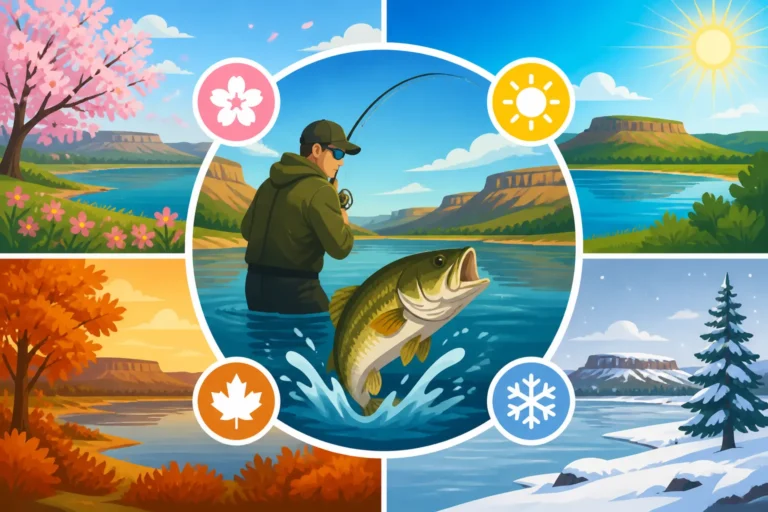
Seasonal Strategies and Best Times to Fish
Ocean Lake offers year-round fishing, but the best strategies shift with the seasons.
- Spring (April – May): This is prime time for walleye and crappie as they move into shallower waters for their pre-spawn and spawning activities. Look for walleye on rocky points and flats, while crappie will be around submerged brush and emergent vegetation. The water temperature will dictate how shallow they are.
- Summer (June – August): As water temperatures rise, fish tend to move deeper, seeking cooler, oxygenated water. Walleye will be found on main lake humps, points, and structural elements. Catfish become very active and can be caught throughout the day and into the night. Bass will hold near rocky cover. Early mornings and late evenings are often the most productive, though you can still find fish in deeper areas during the day.
- Fall (September – October): This is another fantastic time to fish Ocean Lake. As temperatures cool, fish become more active, feeding heavily in preparation for winter. Walleye and crappie often move back into shallower areas or suspend over structure. This can be a great time for trophy-sized fish.
- Winter (November – March): Ocean Lake typically freezes over, offering excellent ice fishing opportunities. Yellow perch are a primary target, often found schooling up. Walleye can also be caught through the ice, especially during low-light conditions. Ling (burbot) fishing picks up significantly in winter, as they become more active under the ice. If you're planning a winter trip, our guide to Ice Fishing in Wyoming: A Complete Guide has everything you need to know.
For up-to-the-minute reports and to gauge the bite before you go, checking online resources, including fishing reports from platforms like FishingBooker, can give you a real-time snapshot of the lake's current productivity.
Navigating Ocean Lake: Access, Facilities, and Tips
Getting onto Ocean Lake and having a comfortable day requires a little planning, especially when it comes to access and being prepared for the elements.
Public Access Points and Boat Ramps
Ocean Lake is primarily accessed through the Riverton Wildlife Management Area, which is managed by the Wyoming Game and Fish Department (WGFD). The main boat launch is located on the north side of the lake, offering a concrete ramp that typically accommodates most trailered boats. It's generally well-maintained, but as with any natural body of water, conditions can vary depending on water levels, particularly in drought years. Always check the current water levels and access reports before heading out, especially if you plan to launch a larger boat. There are also informal access points around the lake, though these might not have developed ramps and could require four-wheel drive, especially when the ground is soft. Knowing where to launch and land safely is crucial for a smooth fishing trip.
Shoreline Fishing Opportunities and Considerations
If you prefer to keep your feet on solid ground, Ocean Lake offers decent shoreline fishing opportunities, particularly along the northern and eastern edges where public access is more readily available. Anglers can target crappie and perch near submerged vegetation or try for catfish and walleye in slightly deeper pockets accessible from the bank. However, be aware that much of the shoreline can be shallow, particularly during periods of low water. Wading can expand your reach, but always be cautious of soft bottom conditions and submerged hazards. Remember, stealth is key when fishing from shore, as fish in shallower waters can be easily spooked. Choosing less crowded spots and moving quietly can increase your chances of success.
Practical Tips for a Successful Trip
Fishing Ocean Lake requires attention to a few practical details to ensure a safe and enjoyable outing. First and foremost, the Wyoming weather can be unpredictable, so dressing in layers is always a good idea, regardless of the season. Wind can be a significant factor on a large, open lake like Ocean, so be prepared for choppy conditions if you're boating. Always bring plenty of water, sunscreen, and insect repellent, especially during the warmer months.
A well-stocked tackle box with diverse lure and bait options will also serve you well, given the multi-species potential. And, of course, ensure you have a valid Wyoming fishing license. You can find comprehensive information on obtaining one in our Wyoming Fishing License Guide for Nonresidents or understand the specifics of different options in Wyoming's Annual, Daily and Five-Day License Options. It’s also wise to inform someone of your fishing plans, especially if you’re heading out alone, and keep an eye on weather forecasts. For those who prefer a guided experience, or just want to explore different options, platforms like FishingBooker provide a wealth of information on local outfitters specializing in walleye or crappie.
Understanding Regulations and Conservation at Ocean Lake
Responsible angling means not only knowing how to catch fish but also understanding the rules that protect our precious fisheries and ensure their sustainability for future generations.
Ocean Lake Specific Regulations and Limits
While general statewide fishing regulations apply to Ocean Lake, it's absolutely crucial to consult the most current Wyoming Fishing Regulations booklet for any specific rules or exceptions pertaining to this body of water. The WGFD frequently implements site-specific regulations, such as different bag and possession limits for certain species, or special restrictions on bait or fishing methods. For instance, walleye and crappie often have specific limits in Wyoming reservoirs, and these can vary from lake to lake. You need to know if there's a slot limit on walleye or a specific daily creel limit for perch or crappie that differs from the general statewide rule. Our guide on Reading the Wyoming Fishing Regulations Booklet can help you navigate this essential document.
It's your responsibility as an angler to be aware of these rules before you cast a line. The WGFD's website is the best place to find the most up-to-date information, and they also announce any How Wyoming Sets In-Season Emergency Closures or changes throughout the year. Always double-check bait restrictions too; while some baits are generally legal, certain waters may have restrictions to prevent the spread of disease or invasive species.
Conservation and Responsible Angling
Beyond simply following the rules, practicing good conservation habits is vital for maintaining the health of Ocean Lake's fishery. Catch-and-release is a powerful tool for sustaining healthy fish populations, especially for larger, older fish that contribute significantly to the gene pool. If you plan to release fish, handle them gently, minimize their time out of water, and use appropriate de-hooking tools.
Another critical aspect of conservation is preventing the spread of aquatic invasive species (AIS). Ocean Lake, like all Wyoming waters, is vulnerable to non-native plants and animals that can devastate ecosystems. Always Clean, Drain, and Dry your boat and gear after every fishing trip. This means removing all visible mud, plants, or debris, draining all water from your boat and equipment, and allowing everything to thoroughly dry before launching into another body of water. You can learn more about these efforts in our article Why Wyoming Requires Boat Inspections for Invasive Species. Finally, pack out everything you pack in – leave no trace behind. This ensures the natural beauty of Ocean Lake and its surrounding wildlife management area remains pristine for everyone to enjoy.
To ensure you have the most successful and compliant trip, considering resources like FishingBooker not only for finding guides but also for checking local conditions and species information, can add another layer of preparation.
Ocean Lake Species and Tactics Summary
Here's a quick overview of the main species you'll encounter at Ocean Lake, along with common techniques and prime seasons:
| Species | Prime Season | Best Lures/Bait | Typical Habitat | Notes |
|---|---|---|---|---|
| Walleye | Spring, Fall, Ice | Jigs (tipped w/ minnows/crawlers), Crankbaits, Bottom Bouncers | Rocky points, humps, deeper flats, weed lines | Delicious table fare, can be challenging to locate. |
| Crappie | Spring, Fall | Small Jigs (plastics, minnows), Bobber Rigs | Submerged brush, weed beds, standing timber | Excellent numbers, great for family fishing. |
| Yellow Perch | Winter (Ice), Spring | Small Jigs, Jigging Spoons, Worms, Minnows | Weed edges, drop-offs, open water (winter) | Abundant, especially good for ice fishing. Best Bait for Yellow Perch in Wyoming |
| Channel Catfish | Summer, Fall | Cut Bait, Stink Baits, Nightcrawlers, Dough Bait | Deeper channels, muddy bottoms, structure | Strong fighters, primarily nocturnal. |
| Smallmouth Bass | Summer, Fall | Soft Plastics, Spinnerbaits, Small Crankbaits | Rocky shorelines, points, submerged structure | Aggressive strikes, good sport fish. |
| Burbot (Ling) | Winter (Ice), Night | Cut Bait, Glow Jigs, Dead Minnows | Deeper muddy bottoms, rocky areas | Unique, nocturnal, often caught while ice fishing. |
Disclaimer
Fishing regulations and conditions in Wyoming can change. Always consult the official Wyoming Game and Fish Department (WGFD) website or their most current printed regulations booklet before you go fishing. This article is for informational purposes only and does not supersede official WGFD guidelines.