Best Bait for Yellow Perch in Wyoming
If you've ever spent a beautiful Wyoming day on the water, only to find yourself struggling to entice a bite, especially from those notoriously finicky yellow perch, you're not alone. It can be incredibly frustrating to see schools of fish on your sonar or even visually, only to have them ignore every offering you throw their way. This guide is all about demystifying the art of catching yellow perch in Wyoming, focusing specifically on the baits and lures that consistently get their attention and turn those frustrating days into memorable ones.
Understanding Yellow Perch: Key to Unlocking Their Bite
Before we even talk about specific baits, it's crucial to understand a little about yellow perch themselves. These feisty, delicious panfish are often overlooked in favor of their larger trout and walleye cousins, but they offer some incredible fishing opportunities, especially for families or those just looking for consistent action. The trick to catching them consistently, though, lies in understanding their behavior, preferred habitats, and diet.
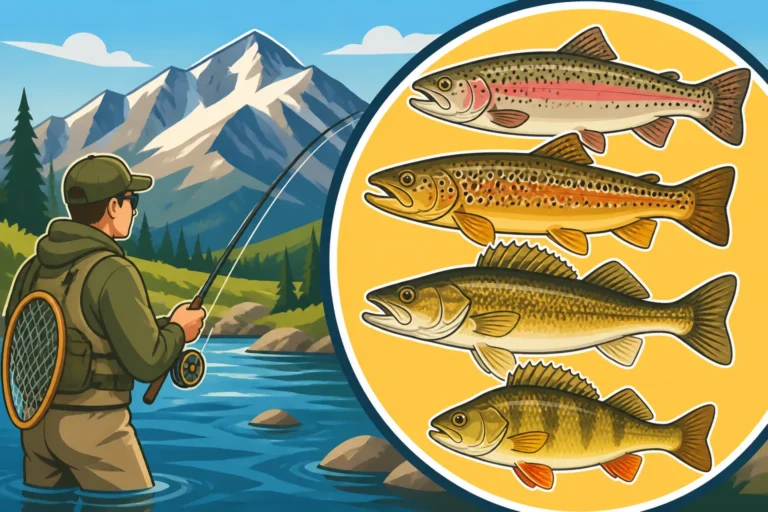
Yellow perch are schooling fish, meaning where you find one, you're likely to find many more. They tend to stick to relatively shallow, weedy areas or areas with submerged structures like old timber, rock piles, or even artificial fish habitats. These spots offer them cover from predators and ambush points for their prey. Their diet is quite varied, consisting mainly of aquatic insects, small crustaceans, minnows, and even the eggs of other fish. This diverse palate means they aren't overly picky, but they do have preferences that can change with the season and water conditions. Perch Fishing in Wyoming delves deeper into where you can find these prolific eaters.
Another critical factor is the time of year. Yellow perch are active year-round in Wyoming, making them a fantastic target for both open-water anglers and ice fishers. During the warmer months, they might spread out more, but still concentrate around structure. Come winter, they'll often stack up in deeper basins near drop-offs, making them a prime target through the ice. Understanding these seasonal movements helps you narrow down where to present your chosen bait.
Top Live Baits for Wyoming Yellow Perch
When it comes to yellow perch, it’s hard to beat the effectiveness of live bait. There's just something about the natural movement and scent that can trigger even the most sluggish perch into striking. The key is often to use small, lively baits that mimic what they naturally feed on.
Wiggling Worms and Grubs
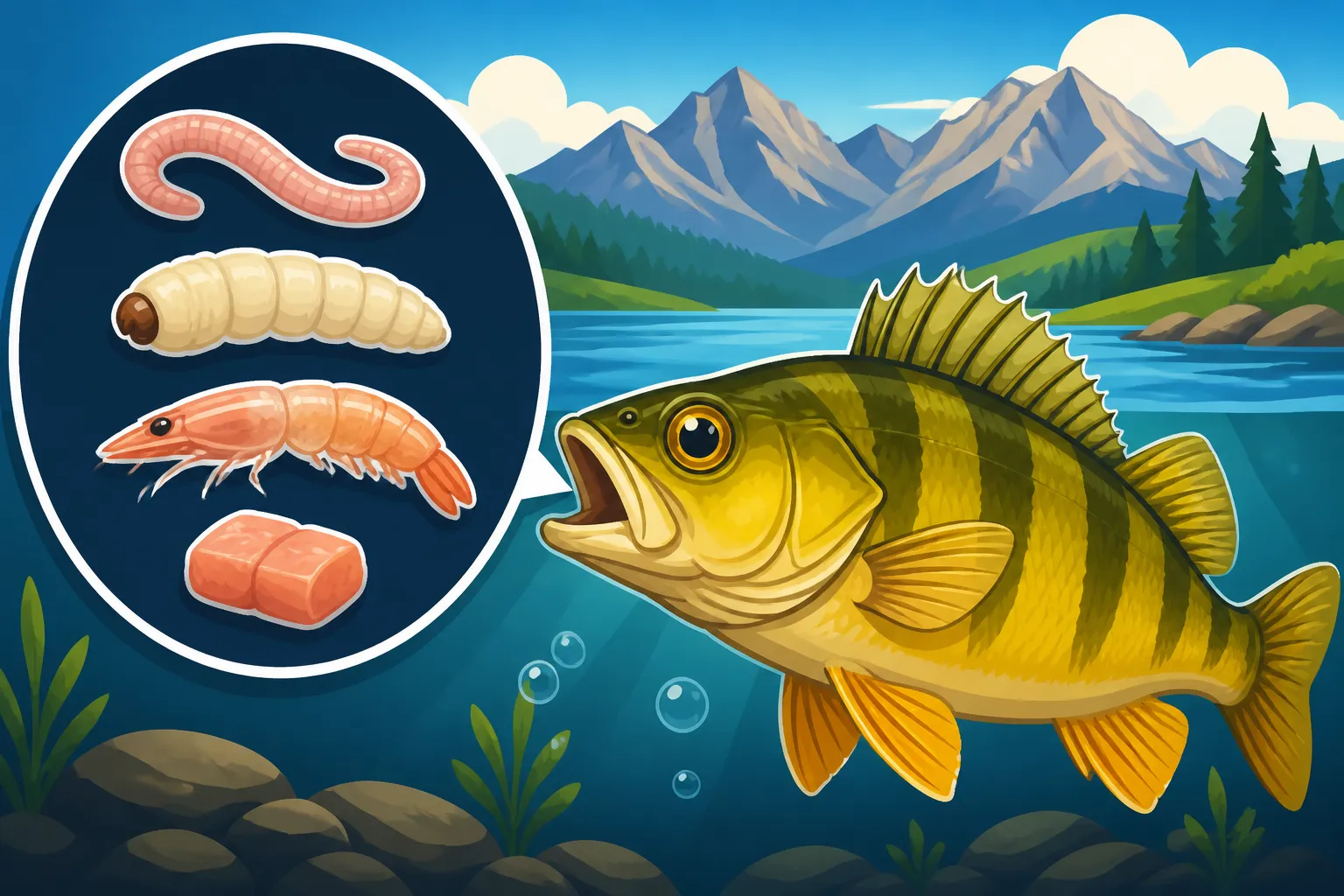
Hands down, the most consistently effective live bait for yellow perch, whether it's summer or winter, is a good old nightcrawler or a small piece of one. Perch absolutely love worms. They provide a strong scent trail and irresistible wiggling action. For perch, you don't need a whole nightcrawler; often, a piece about an inch or two long is perfect. Thread it onto a small, sharp hook (size 8 or 10 is usually ideal) to allow for maximum action.
- Small Worms (Red Wigglers, Garden Worms): These are fantastic choices, especially when perch are being a bit finicky. Their smaller size is perfect for perch mouths, and they stay lively on the hook. You can often find these at local bait shops or even in your own compost pile.
- Waxworms and Mealworms: These grubs are particularly deadly during ice fishing season but work well year-round. They're compact, have a good scent, and perch find them incredibly appealing. A single waxworm on a small jig or ice spoon can be a perch magnet. You can easily find these at most bait shops, and they're relatively easy to keep alive for an extended period. When fishing these, try to hook them so they can still wiggle a bit, presenting a natural, struggling insect profile.
- Maggots (Spikes): While not as commonly used by all anglers, maggots are tiny powerhouses for perch. Their small size makes them perfect for smaller perch or when fish are light biting. Often used in clusters of two or three on a tiny jig, they provide a visual attraction and scent that perch can't resist. If you're looking for micro-sized live bait, maggots are excellent, particularly for vertical jigging through the ice.
Rigging these baits is simple: a small split shot weight a foot or so above the hook, or simply tipping a small jig with a piece of worm or a grub. The goal is to present the bait naturally, allowing it to slowly drift or subtly bounce near the bottom where perch are often foraging. For storing your live bait, a breathable worm container is key, and you can even find various bait coolers on Amazon to keep your worms fresh and lively throughout your fishing trip.
Energetic Minnows
While worms might be king, small minnows are a close second, especially if you're targeting slightly larger perch or if the perch are particularly aggressive. Perch are opportunistic predators, and a struggling minnow is an easy meal they often can't pass up.
- Fathead Minnows: These are a common and readily available baitfish. They're hardy and stay alive well on the hook. For perch, look for the smallest fatheads you can find, usually 1-2 inches long. Hook them lightly through the lips or just behind the dorsal fin to keep them lively.
- Shiners: Similar to fatheads, small shiners can be incredibly effective. Their flash and erratic movements are a huge draw for predatory perch. Again, smaller is usually better.
- Other Small Baitfish: Depending on local regulations and availability, other small baitfish like dace can also be effective. Always check Wyoming Fishing Regulations Every Angler Should Know to ensure any baitfish you use are legal in the waters you're fishing.
When using minnows, a simple slip-bobber rig can be deadly. This allows you to suspend the minnow at a specific depth, right in the strike zone, whether that's near the bottom or hovering above a weed bed. The movement of the live minnow does all the work for you, drawing attention from a distance. You can also use minnows to tip small jigs or spoons, adding both scent and movement to an artificial presentation. For those exploring Are Perch Common in Wyoming Reservoirs?, minnows are a standard choice many successful anglers rely on.
Effective Artificial Lures for Yellow Perch
Sometimes, live bait isn't practical, or you just prefer the challenge and action of artificials. Good news! Yellow perch are often very receptive to a variety of small lures, especially those that mimic their natural prey or offer an irresistible flash and vibration.
Small Jigs and Soft Plastics
Jigging is arguably the most popular and effective artificial presentation for perch, especially during ice fishing, but it's equally potent in open water. The key is to use small jigs, often tipped with a piece of live bait or a small soft plastic.
- Marabou Jigs: These jigs, tied with soft, natural feathers, have incredible action in the water, even with the slightest movement. Colors like olive, black, brown, or even brighter hues like chartreuse can be very effective. Use sizes from 1/32 to 1/16 ounce.
- Small Bucktail Jigs: Similar to marabou, bucktail offers a different profile and movement. They are durable and can be fished aggressively.
- Soft Plastic Grubs and Tubes: Tiny plastic grubs (like a 1-inch Berkley Gulp! Minnow or PowerBait Grub) or micro-tube baits can be threaded onto small jig heads. The beauty of soft plastics is their incredible variety of colors and scents. For perch, natural colors like white, pearl, smoke, or watermelon can be great, but don't shy away from bright chartreuse or orange, especially in stained water. The scent-infused options from brands like Berkley (often found on Amazon) are particularly effective as they appeal to the perch's sense of smell.
- Ice Jigs: For ice fishing, specialized ice jigs come in countless shapes and sizes, often resembling small insects or minnows. Tungsten jigs are popular because they are denser and sink faster, getting you back to the fish quickly. Many ice jigs have small glow-in-the-dark eyes or bodies, which can be irresistible in deeper or darker water. Check out Ice Fishing in Wyoming: A Complete Guide for more details on winter setups.
When fishing jigs, whether open water or ice, the technique is key. A subtle lift-and-drop, quiver, or slow retrieve is usually best. Perch often hit on the fall or when the lure is paused. Pay close attention to your line for the slightest tap or unexpected slack – that's often a perch bite!
Spinnerbaits and Inline Spinners
While often associated with bass or pike, smaller versions of these lures can be surprisingly effective for active perch. They excel at covering water and attracting fish from a distance with their flash and vibration.
- Inline Spinners (e.g., Mepps, Rooster Tail): Sizes #0, #1, or #2 in silver, gold, or brass blades with a variety of dressing colors (white, yellow, black, chartreuse) can be deadly. Cast them out and retrieve them slowly, just fast enough to get the blade spinning. The flash and vibration can mimic a fleeing baitfish or insect, triggering aggressive strikes. These are especially good when perch are chasing bait in shallower areas.
- Tiny Spinnerbaits: While less common for perch, micro spinnerbaits (1/16 to 1/8 ounce) designed for panfish can also work. They offer a larger profile and more flash, which can be good for bigger perch or when you want to weed out smaller fish.
These lures are excellent for searching for active schools of perch in areas like reservoir points, weed lines, or along drop-offs. They're also a great option for Spin Fishing Techniques for Beginners as they are easy to cast and retrieve.
Spoons and Blade Baits
Spoons and blade baits are workhorses for vertical presentations, particularly effective when perch are holding tight to structure or schooled up deep.
- Small Jigging Spoons: Lures like the Kastmaster, Swedish Pimple, or various teardrop-shaped ice fishing spoons are fantastic. They flutter and flash on the drop, mimicking a dying baitfish. Common sizes for perch are 1/16 to 1/8 ounce. Colors can range from natural silver and gold to bright chartreuse, orange, or even glow patterns. A common tactic is to tip the treble hook with a waxworm or a piece of minnow for added scent and appeal.
- Blade Baits (e.g., Heddon Sonar, Sebile Vibrato): These metal lures vibrate intensely on the retrieve or lift, creating a lot of commotion. They're excellent for covering water quickly and drawing strikes from aggressive perch. Small blade baits (1/8 to 1/4 ounce) can be very effective. Jigging them vertically or making short casts and snapping them back creates a strong enticing action.
These lures are particularly good when you've located a school of fish, perhaps on your fish finder, and need something to drop quickly into the strike zone. The aggressive flash and vibration can trigger a reaction strike, especially from larger, more competitive perch.
Tips for Maximizing Your Perch Catch in Wyoming
Catching perch isn't just about the bait; it's about the entire approach. Here are some seasoned tips to help you fill your cooler with these tasty panfish.
Depth and Location are Key
Yellow perch are highly influenced by water temperature, available light, and the presence of food and cover. This means their preferred depth can change throughout the day and certainly throughout the seasons.
- Structure, Structure, Structure: Always look for structure. This includes weed beds, sunken timber, rock piles, sudden drop-offs, points, and even old submerged foundations. These areas provide cover, ambush points, and often hold baitfish or aquatic insects, making them perch magnets. Even small changes in the bottom contour can hold a school of perch.
- Seasonal Movements: In spring and fall, perch might be shallower, aggressively feeding. During the heat of summer, they often retreat to deeper, cooler water, or find refuge in the shade of dense weed beds. How Water Temperature Affects Trout Feeding has principles that apply to perch too; generally, cooler water means fish are less active, and you might need to slow down your presentation.
- Ice Fishing: When the ice sets in, perch often concentrate in deeper basins, sometimes near the deepest part of a lake or reservoir, but always close to a subtle depth change or a flat. Using a fish finder (flasher or sonar) is almost essential for ice fishing success, helping you pinpoint these schools and adjust your depth. Many Best Ice Fishing Lakes in Wyoming are known for their strong perch populations.
Presentation Matters: Finesse and Action
Even with the perfect bait, a poor presentation can lead to a slow day. Perch often respond best to a subtle, natural presentation.
- Slow and Subtle: Perch aren't usually chasing down fast-moving prey. A slow retrieve, a gentle lift-and-drop, or just letting your bait sit naturally are often the most effective approaches. Don't be afraid to let your bait sit still for 10-20 seconds. Many bites happen on the pause.
- Jigging Action: If you're using jigs or spoons, experiment with different jigging actions. Sometimes a gentle quiver is all it takes; other times, a sharper, more aggressive rip can draw a reaction strike. Watch your rod tip and line carefully for any unnatural movement – perch bites can be incredibly light.
- Light Line and Small Hooks: Perch have excellent eyesight, especially in clear Wyoming waters. Using a light monofilament or fluorocarbon line (2-4 lb test) will significantly increase your bites. Pair this with small, sharp hooks (size 8-12 for worms, size 6-10 for small minnows) to ensure a good hook set without spooking the fish. For those using soft plastics, having a variety of jig head sizes, easily organized in a tackle box found on Amazon, can make all the difference.
Timing and Environmental Factors
Just like any fish, perch fishing can be affected by the time of day and prevailing weather conditions.
- Dawn and Dusk: These low-light periods are often prime feeding times for many fish, including perch. They feel safer coming out of cover to feed. However, perch can be caught throughout the day, especially if they are schooled up and actively feeding.
- Overcast Days: Overcast or cloudy days can often provide excellent perch fishing, as the reduced light penetration encourages them to be more active in shallower water.
- Barometric Pressure: While often debated, some anglers swear by barometric pressure's effect on fish activity. Stable or rising pressure can often correlate with more active fish. You can learn more about how Does Moon Phase Affect Fishing in Wyoming? and other environmental factors play a role in fish behavior.
Gear Considerations for Perch Fishing
You don't need highly specialized gear to catch perch, but having the right tools can certainly make the experience more enjoyable and successful.
| Gear Item | Recommended Specifications | Why It's Important |
|---|---|---|
| Rod | Light to Ultra-Light action, 5-6.5 feet long | Provides sensitivity to detect light bites and flexibility for smaller fish. |
| Reel | Small spinning reel (500-1000 size) | Balances well with light rods, holds enough line for perch, and offers smooth drag. |
| Line | 2-6 lb test monofilament or fluorocarbon | Less visible to fish, allows for better lure action, and crucial for detecting subtle bites. |
| Hooks | Size 8-12 Aberdeen or Octopus hooks (for live bait) | Small enough for perch mouths, sharp for good penetration, light wire to minimize bait damage. |
| Jig Heads | 1/32 – 1/8 ounce, various colors | Matches different bait sizes and depths, allows for vertical presentation with soft plastics or grubs. |
| Bobbers | Small slip bobbers or clip-on bobbers | Helps suspend bait at precise depths, visually signals strikes. |
| Split Shot Weights | Small, removable sizes | Adds weight to sink bait, can be adjusted easily. |
| Tackle Box | Compact, organized for small lures and accessories | Keeps small items from getting lost, easy to carry. (Many great options available on Amazon.) |
Remember, perch fishing is meant to be fun and accessible. You don't need the most expensive gear to catch them. Focus on matching your bait and presentation to what the perch are feeding on and where they are holding, and you'll be well on your way to a successful day on the water. Whether you're targeting perch through the ice or during the summer, these tips and bait selections should give you a fantastic head start.
Disclaimer
This article is for general informational purposes only and does not constitute professional advice. Laws, prices and regulations vary by location and change over time. Consult a qualified professional for guidance on your specific situation.