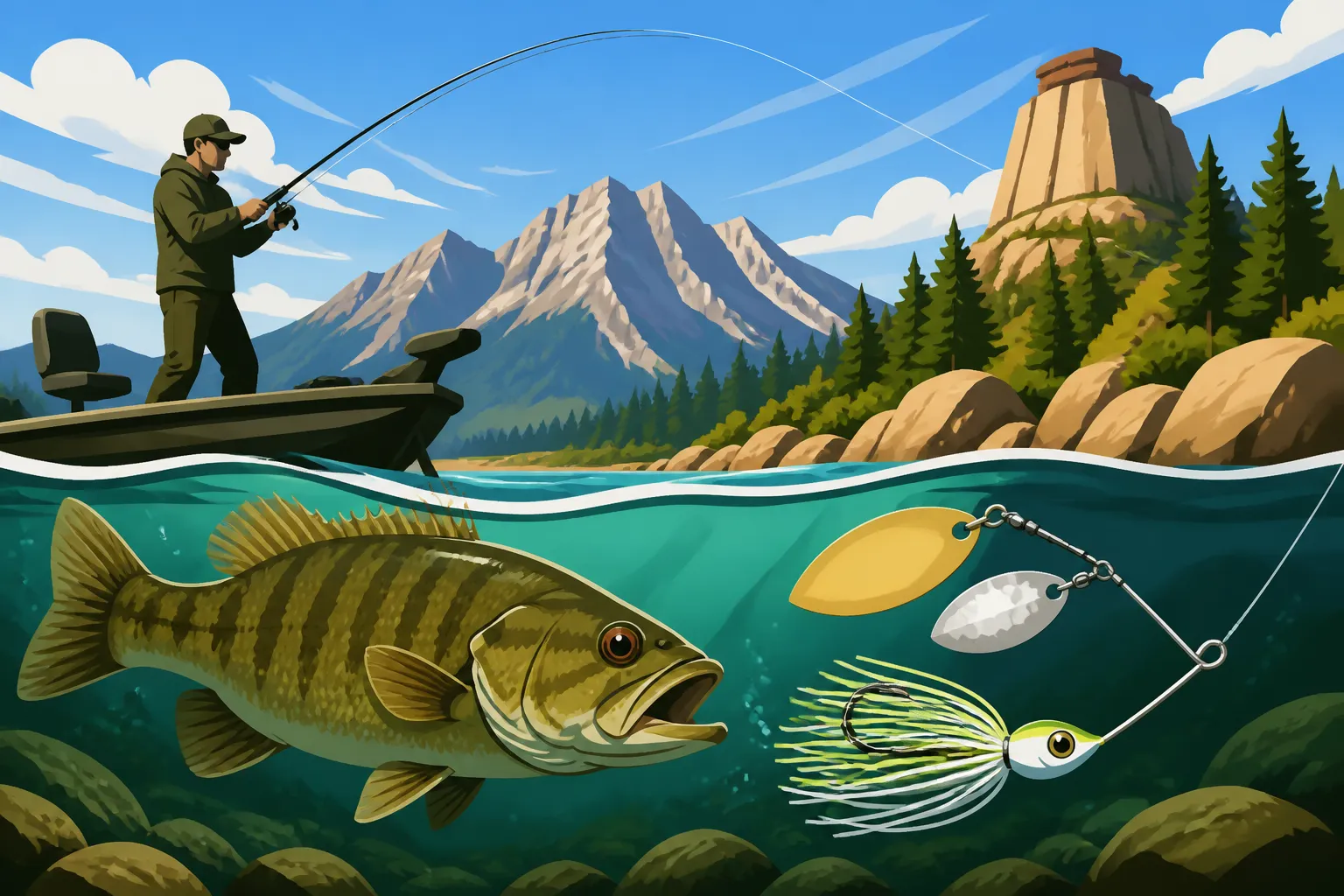
How to Fish a Spinnerbait for Smallmouth Bass
Few things are as frustrating as knowing smallmouth bass are in a body of water, but being unable to trigger a strike, especially when they're notorious for their aggressive nature. You’ve probably tried a few different lures, but if you’re overlooking the spinnerbait, you’re missing out on one of the most effective tools for coaxing those feisty fighters out of their rocky lairs in Wyoming. This guide will dive deep into how to fish a spinnerbait specifically for smallmouth bass, ensuring you have the knowledge to get those rods bending.
Why Spinnerbaits are a Smallmouth Bass Magnet in Wyoming
Smallmouth bass are incredible game fish, celebrated for their brute strength and acrobatic fights. In Wyoming's diverse aquatic environments, from its vast reservoirs to its winding rivers, spinnerbaits stand out as an exceptional choice because they tap directly into the smallmouth's predatory instincts. They offer a unique combination of visual flash, sensory vibration, and a lifelike profile that few other lures can replicate as effectively.
Understanding the Wyoming Smallmouth's Appetite
Wyoming's smallmouth bass thrive in clear, cool waters with plenty of rocky structure. They're opportunistic predators, constantly on the hunt for crayfish, baitfish like minnows and shiners, and even insects. Their diet dictates their behavior, and they often relate closely to structure such as ledges, boulders, and submerged timber, where they can ambush prey. Understanding this fundamental behavior is key to presenting a spinnerbait successfully. Unlike some fish that might prefer a subtle presentation, smallmouth often react strongly to a lure that mimics a frantic, injured, or fast-moving meal. Their keen eyesight, especially in clearer waters, means they quickly pick up on movement and flash, and their lateral line system is highly attuned to vibrations in the water.
The Irresistible Appeal of Flash, Vibration, and Profile
A spinnerbait is essentially a wireframe lure with one or more blades that spin, a weighted head, and a skirted body. It's this combination that makes it so potent. The spinning blades create visual flash, mimicking the scales of a fleeing baitfish, and also generate significant vibration that travels through the water. This vibration is a huge draw for smallmouth, allowing them to detect the lure from a distance, even in murkier conditions or low light. The skirted body, often made of silicone or rubber, pulses and breathes in the water, giving the impression of a living creature.
The profile of a spinnerbait is also incredibly versatile. It can imitate a single baitfish darting through the water, or with a larger skirt, it can appear as a bulkier meal like a crayfish. What’s more, spinnerbaits are incredibly weedless. Their "R" shaped wire frame means the hook rides upwards, protecting the point from snags as it glides through cover where smallmouth often hide. This allows you to fish right in the thick stuff – rocky outcrops, brush piles, and submerged wood – that other lures might get hung up in.
Demystifying Spinnerbait Selection for Wyoming's Diverse Waters
Walking into a tackle shop or browsing online for spinnerbaits can be overwhelming. There are so many choices in blade shape, color, weight, and skirt design. But for targeting smallmouth in Wyoming, simplifying your selection based on water conditions and the specific type of fishing you plan to do will save you time and increase your success.
Choosing the Right Blade Combination and Color Palette
The blades are the heart of the spinnerbait, responsible for both flash and vibration. There are three primary types:
- Colorado Blades: These are round, dish-shaped blades that create maximum vibration and flash at slower retrieve speeds. They're excellent for murky water, low light conditions, or when you need to "thump" the water to call fish in from a distance. If you're fishing a relatively turbid section of the Wind River Near Boysen Reservoir, a Colorado blade might be your best bet.
- Willowleaf Blades: Long and thin, these blades produce less vibration but offer maximum flash and minimal drag, allowing for faster retrieves and a more subtle presentation. They excel in clear water, high light, or when smallmouth are chasing fast-moving bait.
- Indiana Blades: A hybrid between Colorado and willowleaf, Indiana blades offer a good balance of flash and vibration, making them a versatile all-around choice.
Many spinnerbaits feature tandem blades – one large and one small – which create a complex action. A common setup for smallmouth is a small Colorado blade paired with a larger willowleaf blade, offering both strong vibration and abundant flash.
Color is another critical factor. For clear waters, like those often found in the high-alpine lakes worth the hike or many of Wyoming's reservoirs, natural colors that mimic local baitfish (silver, white, shad patterns, perch patterns, greens, browns) are typically best. When the water is stained or cloudy, or during low light, brighter colors like chartreuse, white, or firetiger can improve visibility. On a cloudy day at Glendo Reservoir Fishing Spots in Wyoming, a bright spinnerbait might draw more attention.
Here's a quick guide to blade types and their common uses:
| Blade Type | Shape | Vibration | Flash | Retrieve Speed | Best Conditions |
|---|---|---|---|---|---|
| Colorado | Round/Dish | High | Moderate | Slow | Murky water, low light, deep water, cover |
| Willowleaf | Long/Thin | Low | High | Fast | Clear water, bright light, open water, aggressive fish |
| Indiana | Oval/Teardrop | Medium | Medium | Medium | Versatile, good all-around, mixed conditions |
| Tandem | Mixed | Variable | Variable | Variable | Most versatile, combines benefits of different blades |
Weight, Size, and Adding Trailers: Fine-Tuning Your Presentation
The weight of your spinnerbait directly impacts how deep it runs and how fast you can retrieve it. For shallow water (1-5 feet), 1/4 or 3/8 ounce spinnerbaits are often ideal. For deeper water or when fishing in current, you'll want to move up to 1/2 ounce, 3/4 ounce, or even heavier models to get the lure down. The size of the skirt and blades should generally match the prevalent baitfish in the area you're fishing. If smallmouth are feeding on smaller minnows, a more compact spinnerbait is better; if they're targeting larger shiners, size up.
Adding a soft plastic trailer can significantly enhance your spinnerbait's appeal. Common trailers include:
- Grubs: Single or double-tail grubs add bulk, vibration, and a more lifelike profile. They're excellent for adding movement and making the lure appear larger.
- Swimbaits: Small paddle-tail swimbaits on the back can give the spinnerbait an incredibly realistic baitfish imitation, adding extra flash and swimming action.
- Craws/Creatures: When smallmouth are feeding heavily on crayfish, a small soft plastic craw trailer can be deadly, especially in brown or green pumpkin colors.
Always consider adding a trailer hook. Smallmouth bass are notorious for short-striking spinnerbaits, often nipping at the tail. A small, sharp trailer hook, threaded onto the main hook, drastically increases your hook-up ratio. You can find a wide variety of these additions on Amazon to customize your spinnerbaits for specific situations.
Mastering the Retrieve: Techniques for Every Smallmouth Scenario
The way you retrieve your spinnerbait is just as important as the lure itself. Smallmouth bass can be moody, and what works one day might not work the next. Having a repertoire of retrieve techniques allows you to adapt to their preferences and the prevailing conditions.
The Versatile Slow Roll for Deep Structure
The "slow roll" is a fundamental spinnerbait retrieve, and it's particularly effective for smallmouth bass holding deep or when they're less aggressive. This technique involves casting your spinnerbait out and letting it sink to the desired depth – often just above the bottom, where smallmouth might be lurking near ledges or drop-offs. Once it's at depth, you retrieve it very slowly, just fast enough to keep the blades spinning and the lure wobbling.
This slow, steady presentation mimics a lethargic or injured baitfish, making it an easy meal for a waiting smallmouth. It's especially effective around submerged cover like brush piles, rock gardens, or the base of prominent boulders. Pay close attention to your line, as strikes on a slow roll can often be subtle, feeling like a slight "thump" or sudden heaviness. This is a go-to method when you're fishing deeper areas of reservoirs or probing structure on colder days. You might even find this approach works well when targeting other species during periods of inactivity, much like how one might adjust techniques when fishing Wyoming lakes after a cold front.
Burning, Ripping, and Stop-and-Go: Provoking Aggressive Strikes
When smallmouth are active and aggressive, or when you want to cover water quickly, you need to turn up the speed and action.
- The Burn: As the name suggests, this involves reeling your spinnerbait back at a very high speed, keeping it just under the surface or even breaking the surface occasionally. This retrieve creates a tremendous amount of flash and vibration, simulating a fleeing baitfish. It often triggers reaction strikes from aggressive smallmouth who don't have time to inspect the lure. This works well in warmer water conditions or when you've spotted active fish chasing bait.
- Ripping/Yo-Yoing: This technique involves letting the spinnerbait sink to depth, then sharply "ripping" your rod tip upwards to make the lure dart and ascend quickly, followed by letting it fall back down on a semi-slack line. The sudden, erratic movement can be incredibly enticing, mimicking a dying or disoriented baitfish. This is excellent for targeting vertical structure, such as bluffs or steep drop-offs, or around bridge pilings.
- Stop-and-Go: A classic retrieve that often triggers strikes when other methods fail. Cast your spinnerbait out, reel it steadily for a few seconds, then pause briefly, allowing the lure to flutter or fall slightly. Then, start reeling again. The change in speed and direction can be just enough to make a hesitant smallmouth commit. Experiment with the length of your pauses; sometimes a short "kill" is all it takes.
These aggressive retrieves are fantastic when the fish are chasing or during periods when water temperature affects trout feeding, indicating active metabolism that applies to smallmouth as well.
Jigging and Yo-Yoing Around Cover
Spinnerbaits aren't just for horizontal retrieves. Their weedless nature and weight also make them surprisingly effective for vertical presentations, particularly when smallmouth are holding tight to dense cover. When you're fishing around thick submerged timber, deep weed lines, or dense rock piles, a precise vertical approach can be the ticket.
Cast your spinnerbait past the cover, let it sink to the level of the fish or the top of the cover, then use short, sharp lifts and drops of your rod tip. This "jigging" action keeps the lure in the strike zone longer and can imitate a crayfish scuttling along the bottom or a baitfish investigating the structure. You can also "yo-yo" the spinnerbait by lifting it quickly and letting it fall, similar to the ripping technique but with less horizontal travel. This is extremely effective for extracting smallmouth that are hunkered down deep within the structure. Remember to maintain line contact on the fall, as many strikes happen when the lure is descending.
Pinpointing Prime Smallmouth Habitat with Spinnerbaits
Understanding where smallmouth bass like to hide and hunt is paramount to success with spinnerbaits. Wyoming offers a variety of water bodies, each with its own unique characteristics, but smallmouth preference for certain types of habitat remains consistent.
Targeting Rocky Shorelines and Submerged Timber
Smallmouth bass are intrinsically tied to rocky environments. These structures provide everything they need: ambush points, shade, cooler water, and a haven for their preferred prey like crayfish. Look for:
- Rocky Points and Ledges: These are classic smallmouth hotspots. Cast your spinnerbait onto the shallow side of the point and work it down the slope, or cast parallel to ledges, letting the bait drop along the edge.
- Boulder Fields: Whether along a shoreline or submerged as a hump, boulder fields are prime smallmouth real estate. The irregular bottom creates current breaks and hiding spots. Slowly retrieve your spinnerbait through these areas, bumping off rocks if possible, as this often triggers a reaction strike.
- Bluffs and Steep Banks: Vertical rock faces that drop into deep water are excellent, especially when the sun is high, providing shade and access to deeper, cooler water. Burn your spinnerbait along these faces or yo-yo it down the drops.
- Submerged Timber and Brush Piles: While rocks are king, smallmouth won't pass up dense woody cover, especially if it's near deeper water or a current seam. The weedless design of spinnerbaits allows you to fish these snaggy areas effectively. Make short, accurate casts and slowly roll the spinnerbait through the branches, pausing and twitching it to elicit strikes. Remember to retrieve your spinnerbait from Amazon with sturdy hooks if you're planning to fish these gnarly spots.
When fishing larger bodies of water like Flaming Gorge Reservoir Fishing Guide, identify these key structural elements using your boat's electronics or by observing the shoreline. Even on rivers, you'll find smallmouth congregating around rocky banks and downed trees.
Adapting to Water Clarity, Wind, and Current
Wyoming's waters can vary greatly in clarity, and conditions can change rapidly with weather. Spinnerbaits are versatile enough to handle most scenarios, but knowing how to adapt is key.
- Clear Water: In crystal-clear lakes or rivers, smallmouth rely heavily on sight. Opt for natural baitfish colors (silver, white, subtle greens/browns) and willowleaf blades for maximum flash and a less intrusive profile. You might also want to increase your retrieve speed to prevent the fish from getting too good a look at the lure. This is where you want a realistic presentation.
- Stained/Murky Water: When the water is off-color, smallmouth rely more on vibration and profile. Go for brighter colors (chartreuse, white, firetiger) and Colorado blades, which create more "thump." Slow down your retrieve to give the fish more time to locate the lure.
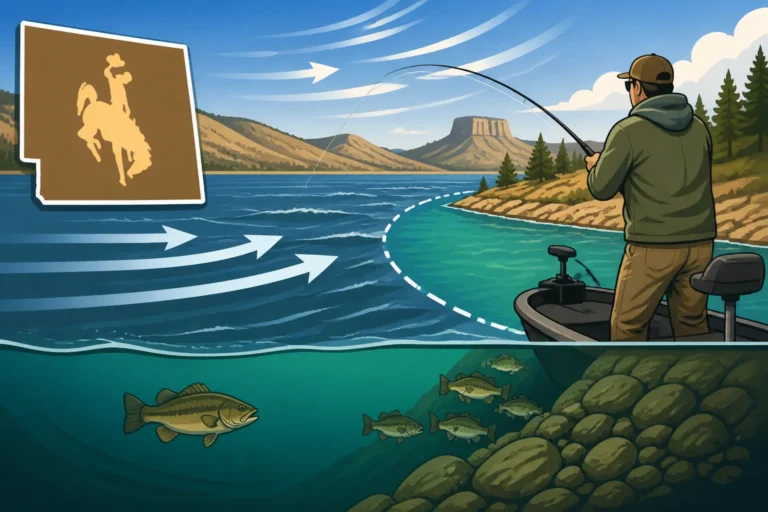
- Wind: Wind can be your friend! A choppy surface breaks up light penetration, making fish less spooky, and the wind-driven current can position baitfish, and thus smallmouth. Cast your spinnerbait into the wind or along windy shorelines. The chop on the water's surface can also add an erratic, natural action to your spinnerbait, making it even more enticing. However, too much wind can make boat control and casting difficult, so knowing how wind affects fishing on Wyoming reservoirs is crucial.
- Current: In rivers and riverine sections of reservoirs, current dictates fish position. Smallmouth will typically hold out of the main current, in eddies, behind boulders, or in slack water pockets, waiting to ambush prey. Cast your spinnerbait upstream and let it drift naturally into these holding areas, or cast across current and retrieve it to swing through the strike zone. Use heavier spinnerbaits in stronger currents to ensure your lure stays at the desired depth. For fishing smaller stretches, learning how to read water when trout fishing can provide valuable insights applicable to smallmouth behavior in current as well.
Being able to adjust your spinnerbait choice and retrieve based on these conditions will dramatically increase your success rate and make you a more well-rounded angler for Wyoming's smallmouth bass. Don't be afraid to experiment; sometimes the least expected combination or retrieve will be the one that produces.
Disclaimer
Fishing regulations can change frequently. Always consult the latest Wyoming Game and Fish Department regulations booklet before heading out on the water. This information is for educational purposes and should not be considered legal advice.