How to Dress for Winter Fishing in Wyoming
Venturing out to fish in Wyoming during the winter is an experience unlike any other, offering serene landscapes and the thrill of battling fish beneath the ice or in frigid tailwaters. But let's be real: the cold can be brutal, and nothing ruins a promising day quicker than being ill-prepared for the elements. Many anglers get frustrated trying to find the right balance between staying warm and still being able to move and cast. This guide is here to walk you through exactly how to dress for winter fishing in Wyoming, ensuring you stay comfortable, safe, and ready to reel in that next big catch, even when the thermometer dips way, way down.
Understanding Wyoming's Winter Conditions
Before we even talk about specific gear, it's crucial to acknowledge just how varied and intense Wyoming's winter weather can be. It's not just "cold"; it's a dynamic beast that changes by the hour and by elevation. You might start your day with calm, crisp air and end it fighting howling winds and blowing snow. Knowing what you're up against is the first step to dressing wisely.
The Dynamic Nature of Wyoming's Winter Weather
Wyoming winters are notorious for their variability. One day, you might have brilliant sunshine, still air, and temperatures in the 20s or 30s – almost balmy for the season. The next, a front can blow in, dropping temperatures into the single digits or even below zero, accompanied by fierce winds that make it feel exponentially colder. These sudden shifts are why a flexible layering system isn't just a good idea; it's absolutely essential. Think about fishing a clear, sunny morning on the Miracle Mile, only for a squall to roll in an hour later, turning blue skies to whiteout conditions. You need to be able to adapt.
Temperature, Wind Chill, and Precipitation
When we talk about "cold" for winter fishing, we're not just looking at the thermometer. Wind chill is a massive factor that can turn a 20-degree day into a painfully cold one. A gentle breeze over exposed skin can quickly lead to frostbite if you're not insulated properly. And then there's precipitation. While snow can be beautiful, wet snow or freezing rain can rapidly soak through inadequate outerwear, compromising your insulation and putting you at serious risk of hypothermia. Even on seemingly dry days, falling into slush or breaking through thin ice (which is why you should always check How Thick Ice Needs to Be to Fish Safely) is a real concern, making waterproof layers non-negotiable.
The Art of Layering: Your Winter Fishing Armor
The absolute cornerstone of dressing for winter fishing in Wyoming is the layering system. It's not about one big, bulky coat, but rather multiple thinner layers that trap air and allow you to adjust your insulation as conditions or your activity level change. This flexibility is key to staying comfortable and preventing both overheating and freezing.
Base Layers: Wicking Away Moisture
Your base layer is arguably the most critical component. Its primary job is to wick moisture (sweat) away from your skin, keeping you dry. Wet skin, even from sweat, loses heat significantly faster than dry skin, making you feel much colder. This is why cotton is an absolute no-go for base layers in winter; it absorbs moisture and holds it against your skin.
Instead, opt for synthetic materials like polyester or merino wool. Merino wool is fantastic because it's soft, warm, naturally odor-resistant, and continues to insulate even when damp. Synthetics are usually more budget-friendly, quick-drying, and durable. You'll want a form-fitting top and bottom that don't restrict movement. On a brutally cold day, I might even double up on thin merino wool layers from a brand like Smartwool or a quality synthetic option found on Amazon.
Mid-Layers: Insulation and Warmth
Once your base layer is set, it's time for the mid-layers, which provide the bulk of your insulation. These layers trap warm air close to your body. Fleece is a popular and effective choice, coming in various thicknesses (100-weight, 200-weight, 300-weight) to match the expected temperatures. A good fleece jacket or vest can make a huge difference.
Beyond fleece, consider down or synthetic puff jackets. Down offers incredible warmth-to-weight ratio but loses its insulating properties if it gets wet. Synthetic insulation, like PrimaLoft, is a fantastic alternative that still insulates even when damp, making it a reliable choice for the unpredictable conditions of a Wyoming winter. For extremely cold days, don't shy away from a heavier fleece jacket combined with a puffy vest or jacket. This allows you to add or subtract warmth easily without needing to completely redress.
Outer Layers: Protection from the Elements
Your outer layer, often called your shell, is your shield against wind, snow, and ice. This layer needs to be both windproof and waterproof (or highly water-resistant) while still being breathable enough to allow some moisture vapor to escape from your inner layers. Without a good shell, even the warmest mid-layers won't protect you from the biting Wyoming winds or a sudden snow squall.
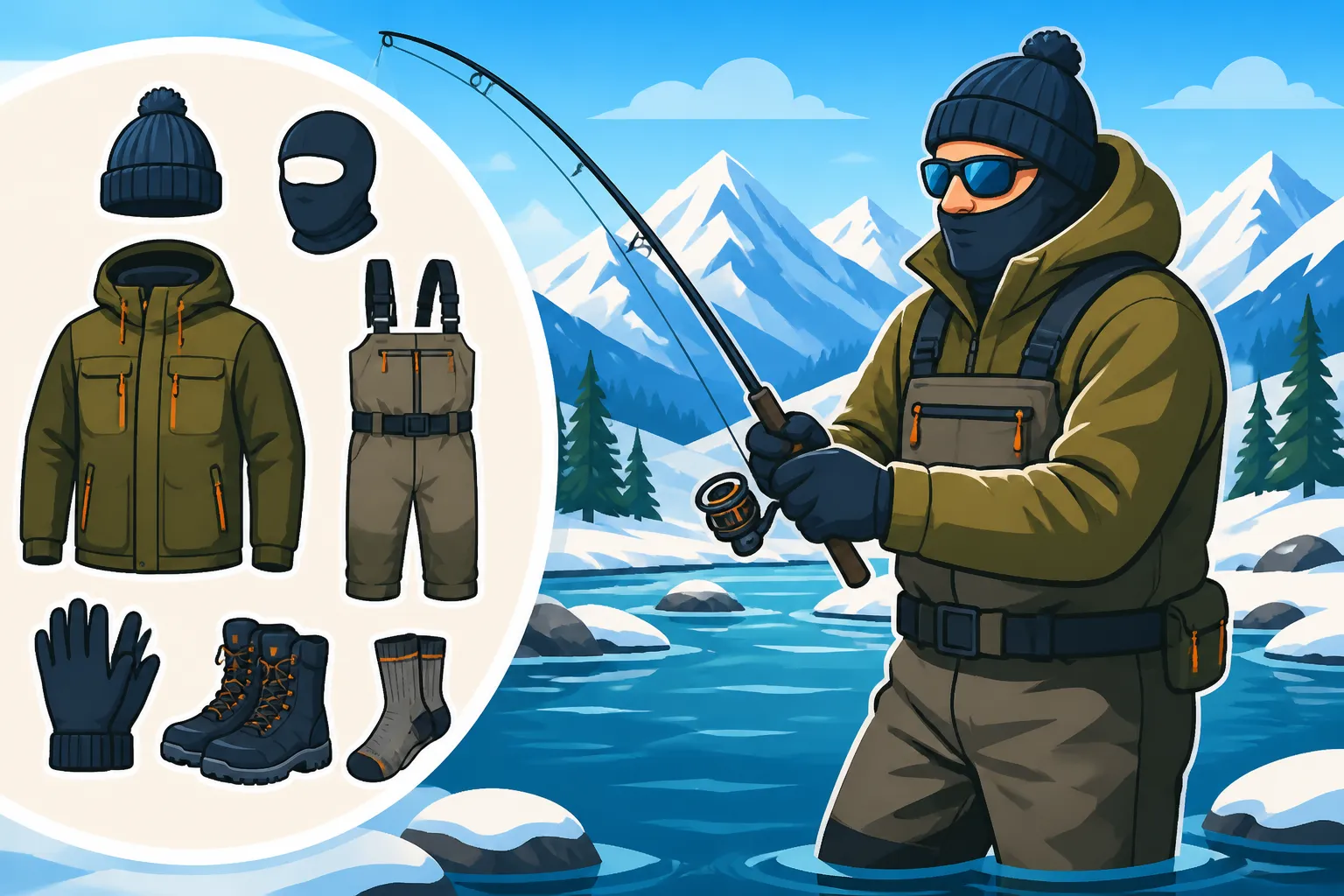
Look for jackets and pants made with technical fabrics like Gore-Tex or similar proprietary waterproof/breathable membranes. A good fishing-specific parka and bibs (overall-style pants) are ideal, as they provide full coverage and prevent snow or water from getting in when you're kneeling or bending over. Ensure your outer shell has adjustable cuffs, a sturdy hood that can fit over a hat, and a high collar to protect your neck and face. While a full fishing suit might be an investment, the comfort and safety it provides for a full day of winter fishing on a place like Flaming Gorge or a windswept lake are invaluable.
Essential Gear for Extreme Cold and Safety
Beyond your core layering system, several other pieces of gear are absolutely critical for staying warm and safe when winter fishing in Wyoming. These aren't optional; they're vital components for a successful and enjoyable outing.
Head, Hands, and Feet: Critical Warmth Zones
Your head, hands, and feet are often the first parts of your body to get cold, and they lose heat rapidly. Protecting them is paramount.
- Headwear: A warm, insulated beanie made of wool or fleece is a must. On truly bitter days, consider adding a balaclava or neck gaiter to cover your face and neck from wind and frostbite. Some anglers even use thin hood liners under their main beanie for extra protection.
- Gloves/Mittens: This is where many anglers struggle, balancing warmth with dexterity. Waterproof and insulated gloves are necessary, but you might want to bring a couple of pairs. Thicker mittens offer more warmth but less finger mobility. Many serious winter anglers opt for a system: thin, sensitive gloves for knot tying or handling fish, worn underneath larger, extremely warm, waterproof mittens that can be easily pulled off. You can find excellent options for both on Amazon that cater specifically to fishing, often with convertible finger designs.
- Footwear: Insulated, waterproof boots are non-negotiable. Look for boots rated for extremely cold temperatures (e.g., -40°F/-40°C). Good traction is also crucial for navigating icy conditions, so consider boots with aggressive tread or even adding ice cleats like Kahtoola MICROspikes to your boots, especially when walking across frozen lakes. Inside your boots, wear two layers of socks: a thin, moisture-wicking synthetic or merino wool liner sock underneath a thicker, insulated wool sock. This combination helps wick away sweat and provides superior warmth.
Eye Protection and Sunscreen
Even in winter, the sun can be surprisingly harsh, especially reflecting off snow and ice. Sunglasses are essential to prevent glare and protect your eyes from harmful UV rays. Polarized lenses are even better as they reduce glare from the water, helping you spot structure or fish. Don't forget sunscreen and lip balm, too. Sunburn and chapped lips are common winter ailments, and the reflection off snow can intensify their effects. Protecting your skin is just as important as protecting your body from the cold.
Ice Safety Gear and Emergency Preparedness
While not strictly "clothing," certain safety items are so intertwined with winter fishing attire that they bear mentioning. Ice picks (worn around your neck for easy access) can be a lifesaver if you break through the ice, allowing you to pull yourself out. A whistle can help you signal for help. Always carry a dry bag with a complete change of clothes, especially extra base layers and socks, in case you get wet. A thermos of hot coffee or soup can also do wonders for morale and core temperature. Knowing how to react in an emergency, like understanding what to do if Can You Fish in Wyoming During a Blizzard Warning? comes into effect, can save your life. Even if you're targeting specific species like those found in What Fish You Can Catch Ice Fishing in Wyoming, preparedness is key.
Practical Tips for Staying Warm and Dry
Dressing correctly is a great start, but there are also habits and little tricks that can make a big difference in your overall comfort and safety during a long day of winter fishing.
Avoid Cotton at All Costs
This cannot be stressed enough: cotton kills in cold, wet conditions. Once cotton gets wet (from sweat or external moisture), it loses all its insulating properties and takes forever to dry, drawing heat away from your body. This puts you at serious risk of hypothermia. Stick to wool or synthetics for all layers that touch your skin or are meant for insulation. This includes socks, underwear, and even casual shirts worn under your layers. You wouldn't want to compromise your warmth when trying to land a big one using the Best Winter Fishing Technique Below Flaming Gorge Dam.
The Importance of Adjustability
The beauty of a layering system is its adjustability. As you hike to your fishing spot or drill holes for ice fishing, your body temperature will rise, and you'll sweat. It's crucial to shed a layer before you start sweating heavily. Similarly, when you settle down to fish, and your activity level drops, you'll want to add layers back on quickly to retain warmth. Zippers on jackets and pants, and easily removable hats and gloves, facilitate these rapid adjustments. It’s all about maintaining a stable core temperature, which ties into understanding How Cold Is Too Cold to Fish in Wyoming?
Keeping Gear Dry and Accessible
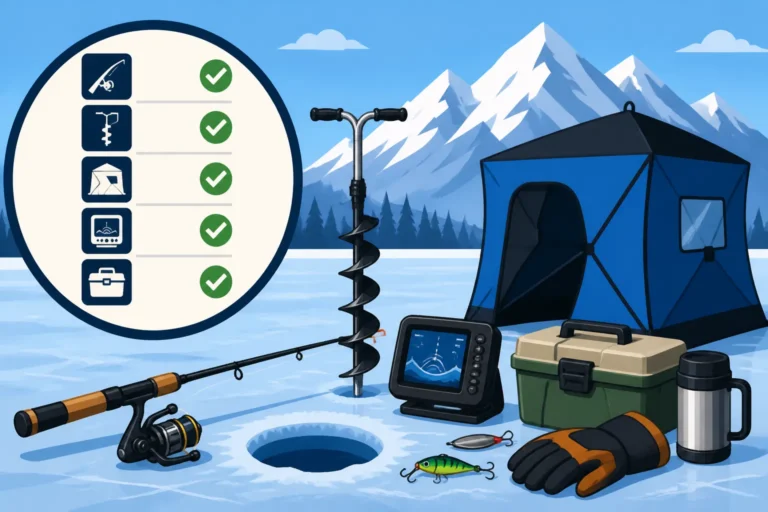
Wet gear is useless gear in winter. Store spare gloves, hats, and any extra layers in a waterproof dry bag within your backpack or sled. This protects them from snow, slush, or accidental spills. When you need to change a layer, having a dry one ready makes a huge difference. Consider a portable shelter or pop-up ice shanty for those really cold days or when the wind is relentless. Not only does it provide shelter from the elements, but it also gives you a warm, dry space to organize your gear, prepare food, and warm up without battling the wind. These are often easy to set up and take down, and many reputable brands offer them on Amazon. Remember that while an annual license covers you for most of the season, a separate Do You Need a Wyoming Fishing License to Ice Fish? is not usually required, but keeping your license dry and accessible is still important.
Nutrition and Hydration
While not clothing, what you put into your body is just as important as what you put on it. Eating calorie-dense foods provides your body with fuel to generate heat. Pack snacks like nuts, energy bars, and sandwiches. Staying hydrated is also crucial, as dehydration can impair your body's ability to regulate temperature. Bring a thermos of hot water, tea, or coffee, and plenty of regular water. Just be sure your water bottles are insulated to prevent freezing! Planning for your day means considering every aspect, right down to the food you bring, to maximize your comfort, especially on a long day of Ice Fishing in Wyoming: A Complete Guide.
By carefully selecting your layers, protecting your extremities, and prioritizing safety, you can truly enjoy the unique magic of winter fishing in Wyoming. Don't let the cold deter you from some of the most rewarding angling experiences the state has to offer.
Wyoming Winter Fishing Dress Code
| Layer Type | Purpose | Recommended Materials | Avoid At All Costs | Key Features for Fishing |
|---|---|---|---|---|
| Base Layer | Wicks moisture, light insulation | Merino Wool, Synthetic (Polyester) | Cotton | Snug fit, flat seams, extended back |
| Mid-Layer(s) | Primary insulation | Fleece (various weights), Synthetic Puff, Down (under waterproof) | Cotton | Full zip or half-zip, lightweight, compressible |
| Outer Shell | Windproof, Waterproof | Gore-Tex, eVent, other technical waterproof/breathable fabrics | None | Full coverage bibs/parka, adjustable cuffs/hood, high collar, durable |
| Headwear | Head/Ear warmth | Wool, Fleece, Windstopper | Cotton | Covers ears, balaclava/neck gaiter for face protection |
| Handwear | Hand warmth/dexterity | Insulated, Waterproof, Fleece/Wool liners | Cotton | Layered system (liner + mitten), convertible mitts, long cuffs |
| Footwear | Foot warmth/traction | Insulated, Waterproof Boots, Wool/Synthetic socks | Cotton socks | High ankle, aggressive tread, temperature rated, wide toe box |
| Accessories | Protection/Safety | Polarized Sunglasses, Sunscreen, Lip Balm, Ice Picks | None | UV protection, easy access for safety tools |
This table provides a quick reference to help you assemble your winter fishing wardrobe. Remember, investing in quality gear, especially for your outer layers and footwear, pays dividends in comfort and safety over many seasons. When you're bundling up for those prime winter bites, like When Ice Fishing Season Starts in Wyoming, knowing you're dressed for success makes all the difference.
Disclaimer
This article is for general informational purposes only and does not constitute professional advice. Laws, prices and regulations vary by location and change over time. Consult a qualified professional for guidance on your specific situation.