Best Wet Fly Patterns for Wyoming Cutthroat
It can be incredibly frustrating to stand on the banks of a beautiful Wyoming river, watching trout rise, or feeling that subtle tug, only to realize you’re using the wrong fly. Especially when targeting our beloved cutthroat, knowing which wet fly patterns to tie on can make all the difference between a memorable day and a blank. This guide aims to unravel the mystery, diving deep into the best wet fly patterns that consistently entice Wyoming's native cutthroat, and how to fish them effectively.
Understanding Wyoming Cutthroat and Their Foraging Habits
Before we even talk about specific fly patterns, it's crucial to understand the fish we're after. Wyoming's cutthroat trout – whether you're targeting the iconic Yellowstone cutthroat, the Snake River fine-spotted cutthroat, or other native subspecies – are opportunistic feeders. They are adapted to a rugged environment, often found in freestone rivers, high-alpine lakes, and pristine streams. Their diet isn't always about the flashy dry fly on the surface; a huge portion of their caloric intake comes from nymphs, pupae, and drowned insects drifting below the surface. This is precisely where wet flies shine.
Why Wet Flies Are So Effective for Cutthroat
Wet flies, in their essence, are designed to imitate aquatic insects, emerging pupae, or drowned terrestrial bugs beneath the water's surface. Unlike nymphs, which are often fished dead-drift along the bottom, wet flies are typically fished to suggest movement, emergence, or even a struggling insect. This presentation can be incredibly enticing to a cutthroat that's accustomed to scavenging for protein. They capitalize on the cutthroat's natural inclination to ambush prey that is vulnerable or attempting to escape.
Furthermore, cutthroat often hold in various water columns, not just glued to the bottom. They’re less wary than some other trout species, making them more susceptible to a well-presented wet fly. The slight swing or current-induced movement of a wet fly can trigger an aggressive strike that a static nymph might miss. Understanding this feeding behavior is key to why wet flies hold such a prominent place in a Wyoming angler’s fly box. For a deeper dive into this fascinating species, check out our guide on Cutthroat Trout Fishing in Wyoming.
Identifying Common Aquatic Food Sources
Wyoming's rivers and lakes teem with diverse aquatic insect life, and cutthroat are intimately familiar with these food sources. Key insects imitated by wet flies include caddis pupae, mayfly nymphs, stonefly nymphs (especially smaller ones or drowned adults), and even drowned terrestrial insects like ants or beetles. The beauty of wet flies is their versatility; a single pattern can often mimic several different food items, depending on its size, color, and how it’s fished.
For instance, during a caddis hatch, while many anglers are focused on dry flies, a wet fly imitating an emerging caddis pupa just beneath the surface can be absolutely deadly. Similarly, after a rainstorm, drowned terrestrials washing into the river become prime targets, and a buggy wet fly can perfectly represent them. Being able to read the water and understand what insects are present is a huge advantage, as explored in How to Read Water When Trout Fishing.
Essential Wet Fly Patterns for Wyoming Cutthroat
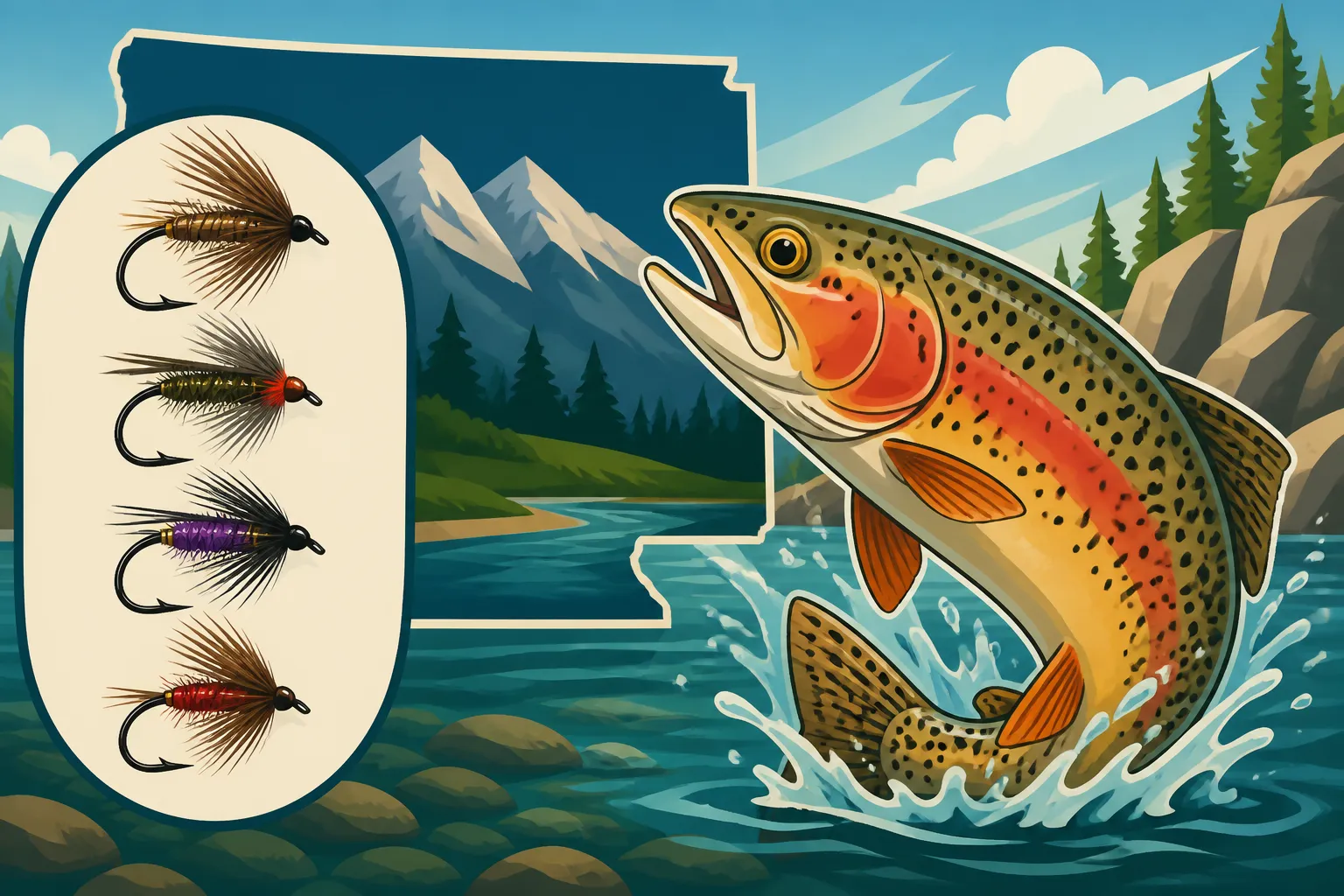
When it comes to outsmarting Wyoming's cutthroat with wet flies, a handful of patterns consistently outperform the rest. These aren't just pretty flies; they're proven producers, designed to imitate the aquatic life cutthroat forage on day in and day out. Having a selection of these in various sizes and colors is paramount for any serious angler exploring our waters.
The Reliable Partridge and Yellow
The Partridge and Yellow is a classic for a reason. This simple yet incredibly effective wet fly pattern suggests a wide variety of aquatic insects or even a small drowned terrestrial. Its soft hackle, often from a partridge feather, pulsates enticingly in the current, mimicking the subtle movements of an insect struggling or emerging. It’s not meant to be an exact imitation of any one bug but rather a general attractor that looks "buggy" and vulnerable.
This pattern is particularly effective in sizes #12 to #18, especially when fished in slower runs, eddies, or along current seams where cutthroat often hold. The yellow body, often a vibrant golden or sulfur yellow, provides a pop of color that can grab a cutthroat's attention. I've had incredible success with this fly on the Snake River and its tributaries, often when other patterns are failing. You can easily find these classic patterns pre-tied from retailers on Amazon or at local fly shops.
The Versatile Soft Hackle Hare's Ear
Building on the success of the traditional Hare's Ear nymph, the soft hackle version incorporates a pulsating collar that brings the fly to life underwater. This pattern excels at imitating a wide array of mayfly nymphs and caddis pupae. The shaggy, natural fur of the hare's mask gives it a buggy profile, while the soft hackle adds crucial movement. Cutthroat, known for their less discerning palate compared to some other trout, often pounce on a well-presented Hare's Ear.
Sizes #10 to #16 are generally the most productive. The Soft Hackle Hare's Ear can be fished effectively in various situations, from dead-drifting in deeper pools to swinging through riffles. Its natural, mottled appearance makes it a go-to choice when you're unsure of the specific hatch, or when you just need a dependable subsurface offering. It's an indispensable fly in your box when exploring any of Wyoming's renowned cutthroat waters. For more on nymphing, which is closely related to wet fly fishing, our article on Nymphing Techniques for Wyoming Tailwaters can offer further insights.
The Flashy Copper John (in Wet Fly Rig)
While often categorized as a nymph, the Copper John, particularly in smaller sizes and lighter weights, can be devastatingly effective when fished as a wet fly or as part of a wet fly rig. Its primary appeal is its flash and weight, which help it sink quickly and catch the light. This pattern can imitate a drowned caddis larva, a stonefly nymph, or simply an attractive, shiny food item. Cutthroat, especially in clear, faster-moving waters, are often drawn to its metallic shimmer.
Fishing a Copper John in a wet fly setup usually means using a smaller, less heavily weighted version in sizes #14 to #18. It can be particularly deadly as the point fly in a multi-fly rig, helping to sink your other, lighter wet flies while still providing a strike-inducing profile. I've found it especially useful during periods of higher water or when the fish are holding a bit deeper but still willing to chase. Just be mindful of local regulations on weighted flies if you're fishing in areas with specific rules.
| Wet Fly Pattern | Primary Imitation | Ideal Sizes | Key Characteristics | Fishing Conditions |
|---|---|---|---|---|
| Partridge and Yellow | Mayfly, Caddis, Drowned Terrestrial | #12-#18 | Soft hackle, yellow body, subtle movement | Slower runs, eddies, current seams |
| Soft Hackle Hare's Ear | Mayfly Nymph, Caddis Pupa | #10-#16 | Buggy profile, pulsating hackle, natural color | Varied, dead-drift to swing |
| Copper John (lightly weighted) | Caddis Larva, Stonefly Nymph, Attractor | #14-#18 | Flashy, weighted (less for wet fly), quick sink | Faster water, deeper holding fish |
| Olive Soft Hackle | Caddis Pupa, Small Stonefly | #12-#16 | Olive body, dark hackle, emerging insect | Runs, riffles, post-hatch |
How to Fish Wet Flies Effectively for Cutthroat
Fishing wet flies isn't quite like casting a dry fly, nor is it strictly a dead-drift nymphing game. It's a nuanced approach that combines elements of both, with a focus on inducing a strike through subtle movement and presentation. Mastering the wet fly swing is a rite of passage for many anglers and can unlock new levels of success when pursuing Wyoming’s cutthroat.
The Classic Wet Fly Swing
The most traditional and often most effective way to fish wet flies is with a "swing" presentation. Cast your fly (or team of flies) across and slightly downstream. As the current catches your line, the flies will sweep across the river, just beneath the surface. The key is to keep a slight tension on your line, allowing the flies to "swim" or "swing" naturally. Many strikes will come at the end of the swing, as the fly hangs in the current directly downstream, or as it begins to lift towards the surface, mimicking an emerging insect.
This technique is especially potent in riffles, runs, and the heads of pools. Don’t be afraid to experiment with letting the fly swing completely out before recasting. The retrieve can also incorporate small, subtle strips or twitches to give the flies even more life. Pay close attention to your line; cutthroat strikes on a wet fly swing can often feel like a gentle tap or merely a stop in the line's movement. A firm, upward sweep of the rod is usually all it takes to set the hook. For more general fly fishing advice, refer to our guide on Fly Fishing Techniques for Wyoming Trout Streams.
Adjusting Depth and Presentation
Cutthroat will feed at different depths depending on water conditions, insect activity, and time of day. Your wet fly presentation needs to be adaptable. If you're using a single wet fly, you can adjust depth by changing the leader length, adding a small split shot a foot or so above the fly, or using a lightly weighted pattern like a lighter Copper John. When fishing multiple wet flies, often referred to as a "wet fly team," the heavier fly is typically placed at the end (the "point" fly), with lighter patterns as "droppers" on short tags above it. This helps achieve varied depths.
In shallower runs or during an active hatch when fish might be looking up, you can fish your wet flies closer to the surface. Conversely, in deeper pools or during colder water temperatures when fish are holding tight to the bottom, you’ll need to get your flies down. Observing the water and testing different depths will tell you what the cutthroat are keying into. Sometimes a simple cast straight across and letting the fly sink a moment before the swing begins is all it takes.
Reading the Water for Wet Fly Opportunities
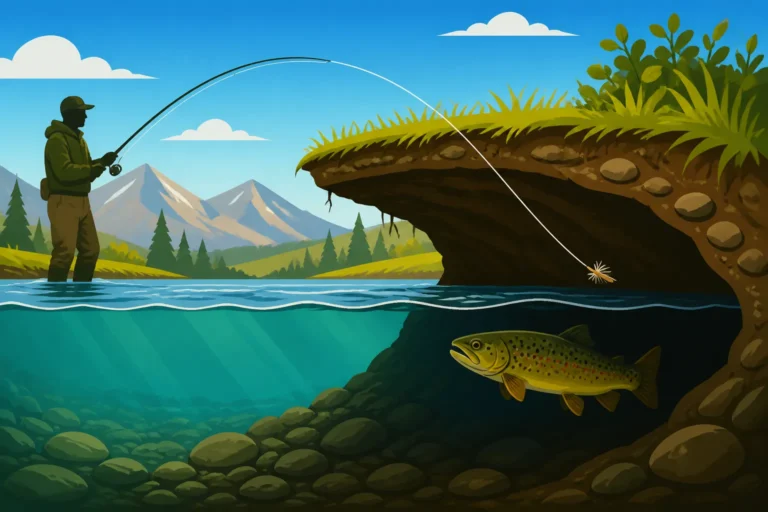
Just like with any other fishing technique, successfully fishing wet flies for cutthroat involves effectively Reading the Water When Trout Fishing. Look for prime holding lies where cutthroat might ambush prey. This includes current seams where faster and slower water meet, eddies behind rocks or submerged structures, the soft water along undercut banks, and the tails of riffles where food often accumulates.
Cutthroat are often found along these transition zones, waiting for food to drift by. Pay attention to any surface activity – even if fish are rising, a wet fly presented just below the surface can often be more productive, as many fish will refuse a perfectly presented dry fly if there are more easy meals drifting submerged. In faster, shallower water, you might need to use a slightly heavier fly or cast slightly upstream to allow the fly to sink into the strike zone before it begins to swing too quickly.
Seasonal Considerations and Local Variations
Wyoming's vast and varied landscape means that fishing conditions and insect hatches can differ significantly from one region to another, and certainly throughout the year. Understanding these seasonal nuances is vital for selecting the best wet fly patterns for cutthroat and ensuring your efforts are rewarded.
Spring and Early Summer: Runoff and Emerging Insects
Spring in Wyoming often brings runoff, as the snowmelt swells rivers and streams. While this can make fishing challenging due to high, turbid water, it's also a time of abundant emerging insects. Larger, darker wet fly patterns that create a strong silhouette can be very effective. Think about patterns that imitate stonefly nymphs or large caddis pupae, which are often dislodged during higher flows. The added turbidity means cutthroat rely more on scent and silhouette than sight, so a fly that moves well and is easily seen is critical.
As runoff subsides and waters begin to clear and warm, usually late May into June, prolific hatches of caddis and various mayflies will begin. This is a prime time for wet fly fishing. Smaller, more imitative wet flies, such as the Partridge and Yellow or Soft Hackle Hare's Ear in lighter colors, can be extremely effective, mimicking pupae or nymphs making their ascent to the surface. Pay attention to what's happening on the water; if you see caddis flying or mayfly shucks, it’s a good sign to fish wet flies that imitate those specific stages. Our Wyoming Spring Fishing: What to Expect guide can offer more insights into this dynamic season.
Mid-Summer: Terrestrials and Consistent Hatches
Mid-summer, typically July and August, brings warmer water temperatures and often lower, clearer flows. This is when terrestrial insects like grasshoppers, ants, and beetles become a significant food source as they fall into the water. While dry flies imitating terrestrials are popular, don't overlook wet fly patterns that represent drowned versions of these bugs. Dark-bodied wet flies, or even smaller Woolly Buggers fished like a wet fly, can mimic these unfortunate terrestrials perfectly.
Additionally, mid-summer often sees consistent hatches of various mayflies and caddis, especially in the mornings and evenings. Cutthroat can become very selective during these times. Having a range of soft hackle patterns that match the size and color of the emerging insects is crucial. The clear water demands a stealthier approach with lighter tippets and careful casts. In specific high-alpine lakes or larger reservoirs like Jackson Lake, cutthroat may also be keying into minnows or smaller baitfish, making a larger, subtly presented wet fly or streamer-like wet fly effective.
Fall: Migrations and Spawning
Autumn in Wyoming is a spectacular time to fish, especially for cutthroat. As water temperatures drop and days shorten, many cutthroat subspecies begin their spawning migrations. This can concentrate fish in certain river sections, making them more accessible. During this time, they are often aggressive and will hit wet flies that imitate egg patterns, baitfish, or even other opportunistic feeders present during the spawn.
Patterns like the Copper John, or larger, darker soft hackles that suggest sculpins or leeches, can be excellent choices. The fall also brings the last major hatches of larger mayflies and caddis, offering continued wet fly opportunities. Understanding how Wyoming Fall Fishing for Migrating Browns works, which can also apply to cutthroat, will enhance your chances. The cooler water makes cutthroat more active and willing to chase a swung wet fly, making it a favorite season for many wet fly enthusiasts.
Disclaimer
Please note that fishing regulations in Wyoming can change. Always consult the most current Wyoming Game and Fish Department regulations booklet before heading out on the water. This information is for educational purposes only and should not be considered a substitute for official regulations.