Best Weather for Fishing a Wyoming Reservoir
There’s nothing quite as frustrating as planning that perfect Wyoming reservoir fishing trip, loading up the truck, driving for hours, only to be met with utterly uncooperative weather. You dream of calm waters, a gentle breeze, and fish biting steadily, but often, the reality can be anything but. The truth is, Wyoming’s reservoirs are vast, and their weather can be notoriously fickle, changing from bright sunshine to howling wind or even snow in a matter of hours. But here’s the good news: understanding the best weather for fishing a Wyoming reservoir, and more importantly, how to adapt when conditions aren't perfect, can drastically improve your chances of a successful and enjoyable day on the water. This guide will walk you through the nuances of Wyoming reservoir weather, helping you predict fish behavior and prepare for whatever Mother Nature throws your way.
Understanding the Subtle Ways Weather Influences Reservoir Fish
It’s easy to think of fishing success as being purely about bait, lure, or technique, but honestly, the weather plays a monumental role in a fish's mood and movements. Fish are cold-blooded creatures, deeply intertwined with their aquatic environment, and every shift in atmospheric pressure, temperature, or light impacts them. Ignoring these factors is like trying to guess what a teenager wants for dinner – you might get lucky, but you’re mostly just flailing in the dark.
Barometric Pressure: The Unseen Trigger
Many anglers focus on air temperature and wind, but barometric pressure is often the unsung hero (or villain) of a good fishing day. It’s the weight of the air pressing down on the water, and fish feel these changes acutely in their swim bladders. Imagine your ears popping on a plane – fish experience something similar, and it affects their comfort and feeding instincts.
When the barometric pressure is stable and high, which usually means clear, calm weather, fish tend to be more active and feed more consistently. They feel comfortable, and their swim bladders are stable. This is often when you'll find them in their usual haunts, actively foraging. Conversely, a rapidly dropping barometric pressure, typically signaling an approaching storm or front, can often trigger a burst of feeding activity right before the weather hits. Fish sense the impending change and seem to go on a last-minute feeding spree. However, once a cold front passes and the pressure soars and stabilizes, fishing can become tough. Fish often get a case of lockjaw, moving to deeper, more stable water, and becoming less willing to chase a meal. It's a common frustration to hit the lake right after a storm and find everything quiet.
Water Temperature: The Master Controller
Water temperature is, without a doubt, the single most critical factor influencing fish activity in a reservoir. Unlike rivers, which can fluctuate quickly, large reservoirs tend to change temperature more slowly, but these subtle shifts are huge for fish. Each species has a preferred temperature range where they are most comfortable and active. For instance, trout are cold-water species, thriving in cooler temperatures, while walleye and smallmouth bass prefer slightly warmer conditions.
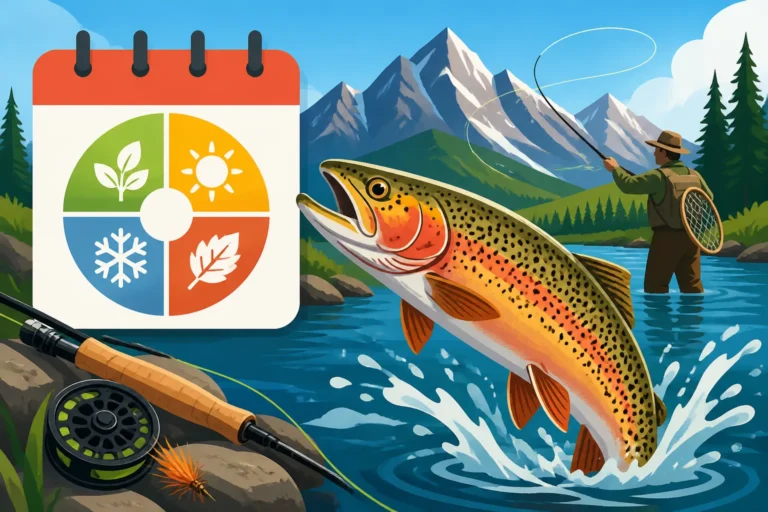
In the spring, as reservoir waters begin to warm, fish become more active, moving from deep wintering grounds to shallower areas to feed and spawn. The optimal surface temperatures will bring species like rainbow trout and kokanee salmon into prime feeding zones. In the heat of summer, surface waters can become too warm, especially in shallower bays, pushing cold-water species like lake trout into the deeper, cooler thermocline. Meanwhile, warm-water species like walleye might remain active in the cooler, but still tolerable, deeper edges of the shallow flats. During the fall, as temperatures cool again, many species, especially brown trout and kokanee, will begin their pre-spawn migrations and aggressive feeding, making for some fantastic fishing opportunities. Understanding How Water Temperature Changes Wyoming Trout Behavior is paramount for year-round success.
Light Penetration and Clarity: Setting the Mood
The amount of light hitting the water and the water's clarity also profoundly affect fish behavior. On bright, sunny days, fish often seek refuge in deeper water or under cover like submerged timber, rocks, or weed beds, as intense light can bother their eyes. They might also feed more actively during dawn and dusk hours when the light is lower.
Overcast conditions, on the other hand, can be a blessing for anglers. The diffused light allows fish to feel more comfortable in shallower water throughout the day, often leading to more consistent bites. It also makes it harder for fish to spot your line and lures. Slightly stained or turbid water, often caused by wind or runoff, can also improve fishing, especially for predatory species like walleye, as it gives them a visual advantage over their prey and makes them less wary of anglers. However, overly muddy water, common during peak Fishing Wyoming During Spring Runoff can shut down a bite entirely, as fish struggle to see and breathe.
Wind and Precipitation: Surface Agitation and Nutrient Delivery
Wind is a double-edged sword on Wyoming reservoirs. A light chop on the surface can be fantastic. It breaks up the water, creates currents, and disorients baitfish, making them easier targets for predators. This "riffle" effect also obscures your presence from spooky fish, allowing for a closer approach. Strong winds, however, can make fishing miserable and dangerous. They create whitecaps, make boat control difficult, and blow your lines around, hindering presentation. On such days, finding protected coves or fishing the leeward side of islands can be your best bet, or simply hunkering down and waiting for it to calm down. For a more detailed look, check out How Wind Affects Fishing on Wyoming Reservoirs.
Precipitation, whether rain or snow, also has an impact. A gentle, steady rain can sometimes be excellent for fishing. It adds oxygen to the water, cools the surface slightly, and washes terrestrial insects into the reservoir, triggering a feeding frenzy. Think of a summer rainstorm that cools the air and reinvigorates the fish. However, torrential downpours or heavy snow can cause rapid temperature drops or massive runoff, making conditions unfishable.
Optimal Weather Conditions for Reservoir Angling Success
So, what’s that sweet spot, that perfect alignment of atmospheric and aquatic factors that makes for an unforgettable day on a Wyoming reservoir? While it’s never guaranteed, there are definitely conditions that stack the odds in your favor.
The Overcast, Stable High-Pressure Scenario
Many seasoned reservoir anglers will tell you that a slightly overcast sky combined with a stable, high barometric pressure is often the magic recipe. Imagine a day with a gentle, consistent breeze, diffused light, and temperatures that have been steady for a few days.
- Stable High Pressure: This indicates consistent weather, giving fish a sense of security. Their swim bladders aren't under stress, and they're more likely to be in a predictable feeding pattern. This isn't about just high pressure, but stable high pressure.
- Overcast Skies: The cloud cover diffuses sunlight, making fish feel more comfortable in shallower depths and less wary of predators from above (including you!). It also often keeps water temperatures more consistent throughout the day. This is prime time for species like rainbow and cutthroat trout to cruise shorelines or shallower flats, and walleye to be more active outside of prime low-light hours.
- Light Breeze/Chop: A gentle ripple on the surface, often referred to as a "walleye chop," is ideal. It breaks up the surface, makes it harder for fish to see you, and can stimulate feeding by moving baitfish around. It also adds a bit of oxygen to the water. A light chop also helps when you're doing things like Trolling Techniques for Wyoming Reservoirs, adding some natural jigging action to your lures.
Consider a scenario on Boysen Reservoir: a steady, gray morning with a light breeze just enough to put a gentle ripple on the surface. The weather has been consistent for two days, and the fish haven't been stressed by extreme changes. These are the days when walleye might hit a jigging rap in 15 feet of water, or you might find aggressive rainbow trout near submerged structures. These are the days you live for. For those targeting specific species, understanding the nuances of how this weather affects them can be critical. For example, Jigging for Walleye at Boysen Reservoir becomes much more effective under these conditions.
Pre-Frontal Action: A Brief Window
While the stable, overcast day is ideal, don't discount the hours leading up to a significant weather front. As mentioned with barometric pressure, fish can sense an impending change – a major storm, a cold front, or a significant temperature drop – and often go on a feeding binge just before it hits. This window might only last a few hours, but it can be incredibly productive.
Think of it as the fish stocking up before conditions become unfavorable. If you see the sky darkening, the wind starting to pick up, and the barometer dropping, grab your rod! You might experience some of the most aggressive bites of your trip. However, be mindful of your safety; rapidly deteriorating weather on a large Wyoming reservoir can become dangerous quickly.
Navigating Less-Than-Ideal Weather: Strategies for Success
Let's be real, Wyoming doesn't always deliver picture-perfect fishing weather. More often than not, you'll be faced with conditions that are less than ideal. But that doesn't mean you pack up and go home! Smart anglers adapt.
Bright Sun and Clear Skies: Go Deep or Go Early/Late
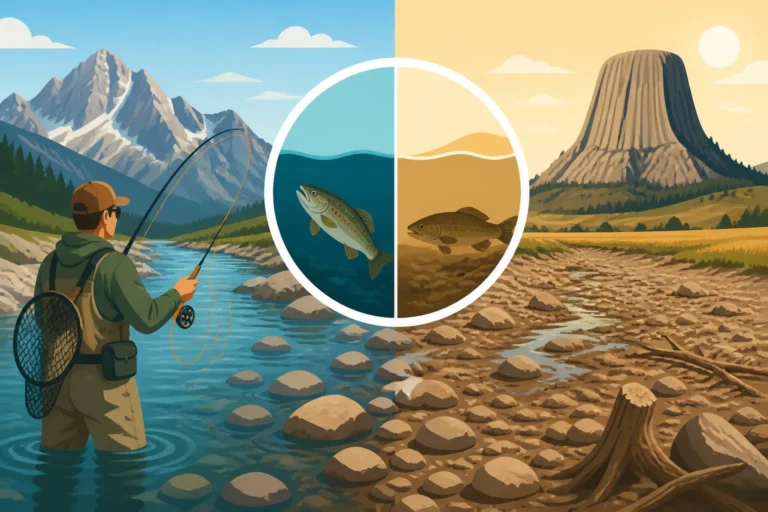
When the sun is blazing and the sky is clear, many anglers struggle. Fish become more light-sensitive and retreat to deeper, cooler water or seek shaded cover. This is particularly true for trout and other cold-water species.
- Fish Deeper: Focus your efforts on the thermocline (the layer where water temperature changes rapidly), deep humps, drop-offs, or submerged creek channels. Use techniques like Trolling Tube Jigs for Lake Trout at Flaming Gorge for suspended fish, or heavy jigs and baits for bottom-dwelling species.
- Target Low-Light Hours: Dawn and dusk are your best friends on bright days. Fish will often move shallower to feed under the cover of low light.
- Seek Shade/Structure: Look for areas with overhead cover, like steep canyon walls that cast shadows, large rock formations, or dense weed beds (if present and deep enough). These provide refuge for fish.
- Consider Water Clarity: If the reservoir is exceptionally clear, you might need to use lighter line, longer leaders, and more subtle presentations to avoid spooking fish.
Strong Winds: Find Shelter or Embrace the Drift
High winds can turn a pleasant day into a battle, making casting, boat control, and even simply staying put a nightmare. However, they're not always a complete write-off.
- Find Leeward Shores/Coves: The most straightforward strategy is to seek out areas protected from the wind. These might be coves, the backside of islands, or shorelines opposite the prevailing wind direction. These areas will have calmer water and often concentrate baitfish pushed by the wind, attracting predators.
- Controlled Drifting: If you have a boat with a trolling motor or a drift sock, you can use the wind to your advantage. Position your boat to drift slowly over promising structure, presenting your lures naturally as you move. This is a very effective technique for covering water and finding active fish, especially for walleye.
- Heavy Tackle: You might need to use heavier lures, sinkers, or even a different type of line to maintain contact with your bait in windy conditions. Consider fluorocarbon lines, which sink faster and have less stretch.
- Bank Fishing: Sometimes, when the reservoir is too rough for a boat, bank fishing in a sheltered area is the only viable option. Look for natural windbreaks.
Cold Fronts: Patience and Precision
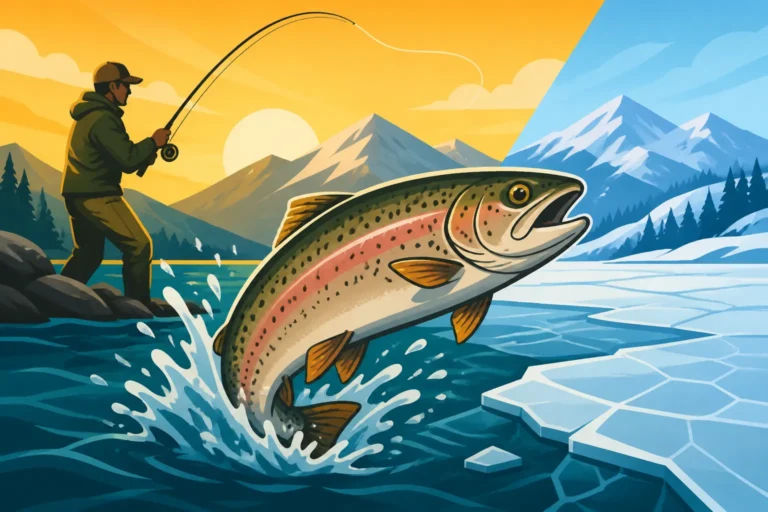
Cold fronts are notorious for shutting down fishing. The rapid drop in temperature, often accompanied by a spike in barometric pressure, can send fish into a funk. But there are still ways to coax a bite.
- Slow Down Your Presentation: Fish are often lethargic after a cold front. Slow down your retrieve, use smaller baits, and try vertical jigging or dead sticking. Subtlety is key.
- Go Deeper: Fish will often retreat to deeper, more stable water where temperature fluctuations are less extreme. Fish the deepest parts of your chosen reservoir.
- Target Structure: Look for fish holding tight to submerged structures like humps, rock piles, or old river channels. They're seeking cover and stability.
- Consider a Different Species: Sometimes, a cold front might affect one species more than another. If trout aren't biting, perhaps walleye or perch might still be somewhat active, especially in deeper water. Knowing about Fishing Wyoming Lakes After a Cold Front is essential for persistence.
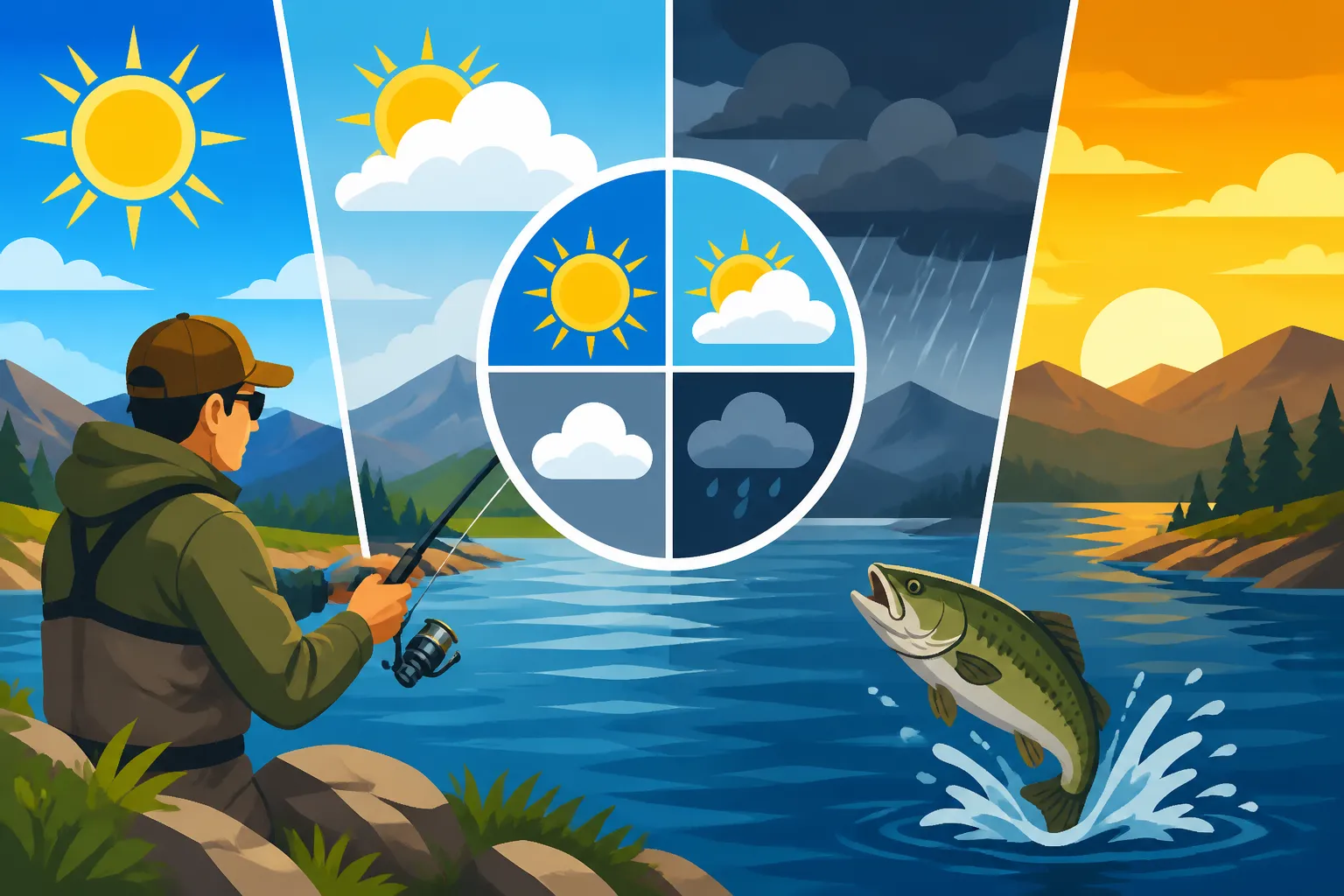
| Weather Condition | General Fish Behavior | Recommended Strategy |
|---|---|---|
| Stable High Pressure | Active, predictable feeding, comfortable in usual haunts | Standard techniques, target preferred depths |
| Overcast Skies | More active shallower, less wary, extended feeding windows | Target shallower, use varied presentations, cover water |
| Light Wind/Chop | Stimulated feeding, disoriented baitfish, reduced wariness | Drift fishing, trolling, target wind-blown points |
| Dropping Barometer (Pre-Front) | Aggressive feeding frenzy before change | Fish aggressively, target prime locations quickly |
| Bright Sun, Clear Skies | Retreat to deep water/cover, sensitive to light | Fish deep, focus on dawn/dusk, target shaded areas |
| Strong Winds/Whitecaps | Disoriented, difficult boat control, seek shelter | Find protected coves, controlled drifts, heavy tackle |
| Cold Front (Post-Front) | Lethargic, move deep, lockjaw | Slow down, fish deep, target structure, patience |
| Gentle Rain | Increased activity, oxygenation, terrestrial food sources | Fish as normal, often good for surface activity |
Gear Up: Preparing for Any Wyoming Weather on the Reservoir
One of the biggest lessons you learn fishing Wyoming reservoirs is that preparedness isn't just a suggestion; it's a necessity. The weather can turn on a dime, and being caught off guard can ruin your day or, worse, become dangerous.
Layer Up: The Key to Comfort
The golden rule for dressing in Wyoming is layering. Even if the forecast calls for sunshine, always have options for colder, windier, or wetter conditions.
- Base Layers: Moisture-wicking synthetics are your best friend. They keep sweat away from your skin, regulating your body temperature. You can find excellent options on Amazon.
- Mid-Layers: Fleece, down, or synthetic insulated jackets provide warmth. You might start the morning with one, shed it by midday, and put it back on as the sun dips.
- Outer Shell: A good quality, waterproof and windproof jacket and pants are non-negotiable. Even a light drizzle can turn into a chilling downpour on a boat. Look for breathable fabrics to avoid that clammy feeling. Don't skimp on this; a reliable rain suit from brands you can often find on Amazon will save your day.
- Headwear and Gloves: A warm hat (even in summer mornings) and gloves are crucial for retaining body heat, especially when operating a boat or handling cold, wet fish. Sun protection, like a wide-brimmed hat, is also key on those bright, reflective reservoir surfaces.
Essential Tackle for Changing Conditions
Beyond your clothing, having a versatile tackle box is important. Different weather conditions might call for different lure types, weights, or colors.
- Weight Variety: Have an assortment of jig heads, sinkers, and weighted hooks. A light jig might be perfect on a calm day, but you'll need something much heavier to get down in strong currents or wind.
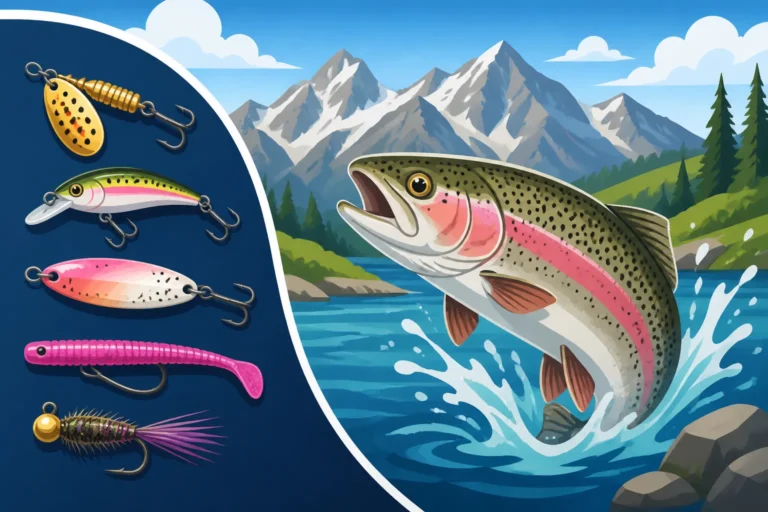
- Lure Colors: While personal preference plays a huge role, some anglers swear by brighter colors (chartreuse, orange) in stained or overcast conditions, and more natural colors (greens, browns, silver) in clear, sunny water. Pack a mix!
- Line Options: Spools of different line weights and types (monofilament, fluorocarbon, braid) can be handy. Fluorocarbon's low visibility and fast sink rate make it excellent for clear water and deep presentations. Braided line offers sensitivity and strength for fishing deep structure or in windy conditions.
- Sun Protection: Don't forget polarized sunglasses. They cut glare, allowing you to see into the water and spot structure or even cruising fish. Plus, they protect your eyes from harmful UV rays. Sunscreen is also a must for exposed skin.
Safety First on Big Waters
Wyoming reservoirs, like Flaming Gorge, Boysen, or Jackson Lake, are expansive and can become dangerous very quickly with sudden weather changes. Always prioritize safety.
- Weather Forecasts: Check the forecast before you go, and keep an eye on the sky and local conditions while you're out there. Modern weather apps are incredibly helpful, but remember that microclimates exist, especially in mountainous Wyoming.
- Communication: Let someone know where you're going and when you expect to return. Carry a fully charged cell phone (though service can be spotty in remote areas) or a satellite communication device for emergencies.
- Personal Flotation Devices (PFDs): Everyone on board a boat should have a properly fitting PFD, and it's a good idea for everyone to wear one, especially in colder weather or rough water.
- Emergency Gear: Flares, a first-aid kit, extra water, and a way to start a fire (even if it's just waterproof matches and some tinder) are wise additions to your boat or backpack, especially when venturing into remote sections or fishing Wyoming's High-Alpine Lakes Worth the Hike.
By preparing for the unpredictable nature of Wyoming's weather, you'll not only be safer but also more comfortable and ultimately, more successful. Having a comprehensive gear kit, easily assembled from a range of outdoor retailers or online stores like Amazon, ensures you're ready for whatever the Cowboy State throws at you.
Conclusion: Embrace the Challenge, Enjoy the Catch
Fishing Wyoming reservoirs is an adventure, and a big part of that adventure is dealing with the weather. While we all dream of those perfect, calm, overcast days with fish jumping into the boat, the reality is often much more dynamic. The best weather for fishing a Wyoming reservoir isn't always about ideal conditions; it's about understanding how different weather patterns influence fish behavior and, crucially, how to adapt your strategies and gear accordingly.
From the subtle shifts in barometric pressure that trigger pre-frontal feeding frenzies to the bright sun that sends fish deep, every weather condition presents a unique puzzle. By learning to read the signs, paying attention to water temperatures, and gearing up appropriately, you can turn a potentially tough day into a memorable one. So, check the forecast, pack your layers, bring your diverse tackle, and hit those incredible Wyoming waters with confidence. The fish are waiting, whatever the weather may be!
Disclaimer
This article is for general informational purposes only and does not constitute professional advice. Laws, prices and regulations vary by location and change over time. Consult a qualified professional for guidance on your specific situation.