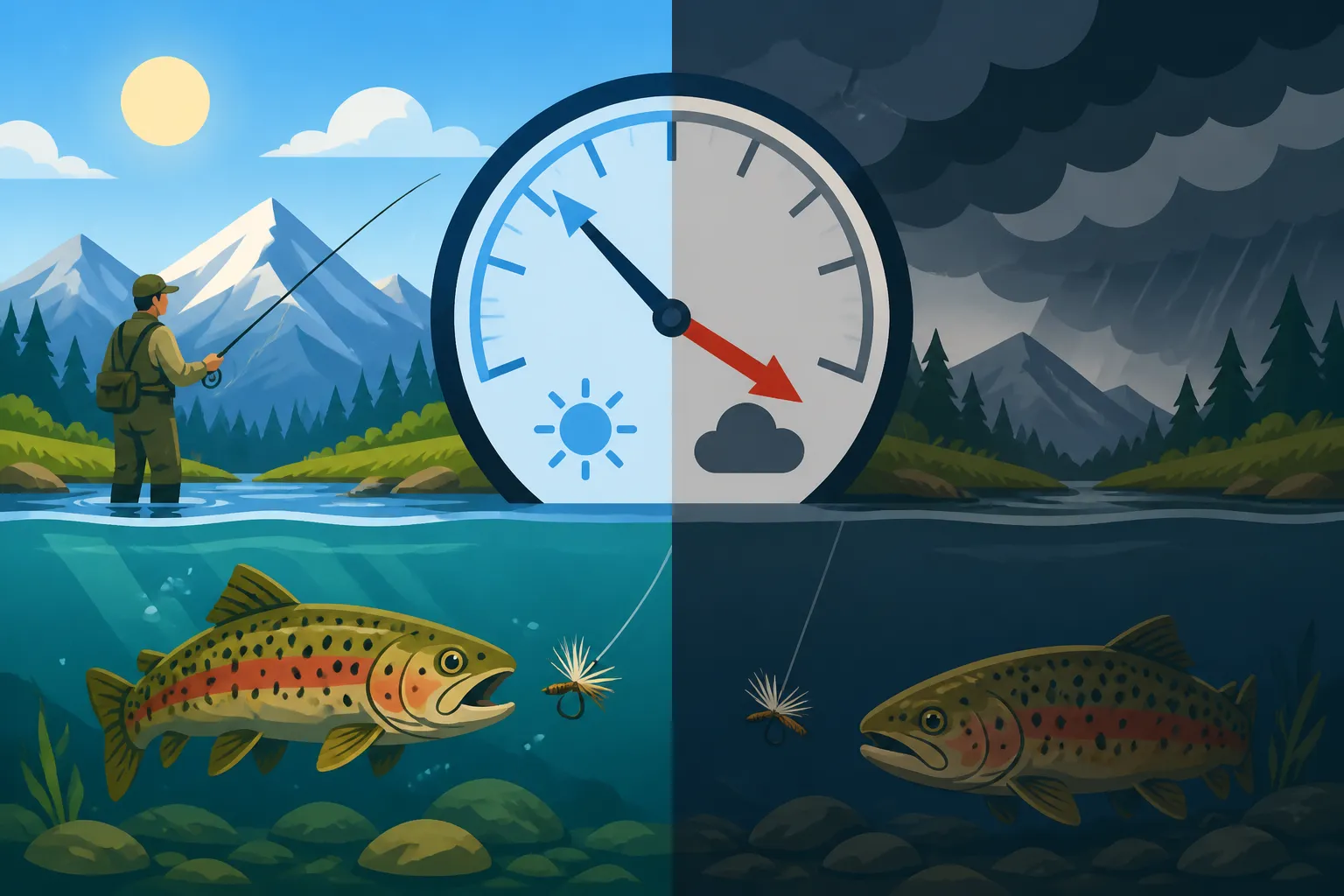
How Barometric Pressure Affects Trout Bites
Ever had one of those days on a gorgeous Wyoming river or lake where the fish just seem to have lockjaw, despite perfect weather and your favorite flies? It’s incredibly frustrating when you’ve done everything right, but the trout simply aren't biting. Often, what you can't see – the atmospheric pressure – is playing a huge role in how those fish behave. This comprehensive guide will pull back the curtain on how barometric pressure affects trout bites, helping you understand this often-overlooked factor and adapt your fishing strategy for more success on the water.
Understanding Barometric Pressure and Its Influence on Trout
Before we can really dive into how the fish react, let's take a moment to understand what barometric pressure even is. Simply put, it's the weight of the air pressing down on the Earth's surface, and consequently, on the surface of the water. Think of it like a giant, invisible blanket of air. This weight isn't constant; it changes with weather patterns. When a storm front approaches, the pressure typically drops. When a clear, stable high-pressure system moves in, the pressure rises. These fluctuations, even subtle ones, can have a profound impact on the underwater world, directly influencing how trout feel and behave.
The Fish's Perspective: Swim Bladder Sensitivity
Trout, like many fish, possess a crucial internal organ called a swim bladder. This gas-filled sac helps them maintain neutral buoyancy in the water column, allowing them to expend less energy staying at a particular depth. It's like a built-in ballast system. As the external barometric pressure changes, the pressure exerted on their swim bladder changes too.
Imagine you're deep underwater, and suddenly, a massive weight is placed on the surface. That's a bit like what a rapid increase in barometric pressure feels like to a trout. Their swim bladder, calibrated for a certain external pressure, suddenly feels compressed. This can be uncomfortable, even painful, and it throws off their delicate buoyancy. Conversely, when pressure drops, their swim bladder might expand, making them feel lighter. This constant adjustment takes energy and can put fish out of their comfort zone, leading them to seek relief in deeper water or become less interested in feeding. Understanding this biological response is key to predicting How Water Temperature Affects Trout Feeding and other factors that dictate their behavior.
How Pressure Changes Affect Oxygen Levels
It's not just the swim bladder that's impacted. Barometric pressure is also intrinsically linked to the amount of dissolved oxygen in the water. Generally, higher atmospheric pressure means more oxygen can be dissolved into the water. Conversely, lower pressure often correlates with less dissolved oxygen. While trout are coldwater fish that prefer well-oxygenated water, rapid shifts in oxygen levels can still influence their metabolism and activity. During periods of extremely low pressure, particularly when paired with warm water temperatures, fish can become lethargic due to reduced oxygen availability. These environmental shifts are why it's so important to understand the overall Wyoming Fishing Seasons Month by Month and how various factors combine.
High Pressure vs. Low Pressure: What It Means for Wyoming Trout
Now that we know the "why," let's talk about the "what." How do trout typically react during different barometric pressure scenarios, and what does that mean for your fishing day on a Wyoming lake or river?
High and Stable Pressure: The Finicky Bite
Often associated with clear, sunny skies and calm winds, high-pressure systems can be a mixed blessing for anglers. While beautiful weather is great for being outdoors, fishing can sometimes be tougher. When a high-pressure system moves in and stabilizes, the increased weight on the water column can make trout feel uncomfortable. They tend to move deeper, seeking refuge where the pressure change might be less pronounced or where they feel more secure. Their metabolism might slow down, and they become more wary and less aggressive.
- Behavior: Expect trout to be holding in deeper pools, under cut banks, or near submerged structure. They'll be less willing to chase, and their feeding windows might be shorter and more sporadic. You might notice them "slowing down" their movements, conserving energy. This is particularly true for larger, more experienced fish like those found during Brown Trout Fishing in Wyoming.
- Challenges: The clear skies and calm water associated with high pressure also mean increased visibility for fish. They can see you, your line, and any unnatural movements much more easily. This translates to ultra-finicky bites where precise presentations and stealth become paramount. If you're on a popular stretch of the North Platte or Snake River, these conditions can make even familiar spots feel challenging.
- Opportunities: Don't despair! High pressure isn't a fishing death sentence. It often means you need to slow down, fish deeper, and offer more subtle presentations. Think small nymphs drifted meticulously along the bottom, or slowly stripped streamers that imitate distressed baitfish.
Falling Pressure: The Feeding Frenzy Before the Storm
This is often an angler's favorite scenario, though it usually precedes a change in weather for the worse. When barometric pressure begins to fall, signaling an approaching storm or front, trout often become incredibly active and aggressive. The decreasing pressure can make their swim bladders feel "lighter," leading them to move shallower and feed vigorously. It's almost as if they know a period of instability is coming and they need to fuel up beforehand.
- Behavior: Trout will often move into shallower runs, riffles, and seams, actively looking for food. They might become less wary and more willing to chase flies or lures. This is when you can experience explosive dry fly action or strong takes on spinners and streamers. You might see them visibly rising or splashing more frequently. This is prime time to observe How Water Temperature Changes Wyoming Trout Behavior in conjunction with atmospheric shifts.
- Challenges: The main challenge here is often the weather itself. Falling pressure can bring increasing winds, clouds, and eventually rain or even snow. Staying comfortable and focused can be tough. But if you can brave the conditions, the reward can be substantial. Keep an eye on your local forecast, and consider investing in a portable weather station, readily available on Amazon, to track real-time pressure trends.
- Opportunities: This is the time to be opportunistic and cover a lot of water. Try more aggressive patterns, larger dry flies, or faster retrieves. If you're Fly Fishing Techniques for Wyoming Trout Streams, this could be the ideal moment for matching a hatch that might pop just before the weather shifts.
Rising Pressure: The Post-Front Transition
After a storm passes and the low pressure begins to rise again, moving towards a stable high-pressure system, the fishing can be quite slow. The fish are often in a transitional phase, adjusting to the new, increasing pressure. They might still be sluggish from the storm or simply recalibrating their comfort levels.
- Behavior: Similar to stable high pressure, fish might retreat to deeper water or cover. They may not be actively feeding and will be harder to entice. This period often sees a notable drop in surface activity and general aggression. This is similar to the slowdown you might experience when Fishing Wyoming Lakes After a Cold Front.
- Challenges: Patience is key here. You might need to scale down your presentations, fish slowly, and focus on known holding water. Don't expect a fast and furious bite.
- Opportunities: While tough, this period can sometimes yield larger, less competitive fish if you present something irresistible right to their noses. Focus on precision and persistence.
Reading the Signs and Adapting Your Fishing Strategy
Understanding barometric pressure is one thing; applying that knowledge on the water is another. No single factor guarantees success, but incorporating barometric pressure into your overall assessment of conditions can give you a significant edge.
Monitoring Barometric Pressure
You don't need a fancy lab to track pressure. Many modern smartphones have built-in barometers or can access local weather data that includes pressure readings. Dedicated fishing apps often provide barometric trends, and you can even pick up a small, portable fishing barometer from Amazon to keep in your pack. Pay attention not just to the current reading, but the trend: is it rising, falling, or stable? This trend is often more important than the absolute number.
Consider the other environmental factors at play, too. Is the water temperature also dropping rapidly? Is the river high and off-color from recent rains, like you might experience When Runoff Usually Ends on Wyoming Rivers? All these elements combine to create the overall picture.
Adapting Your Approach for Different Pressure Zones
Once you have a handle on the pressure trend, it's time to adjust your tactics.
During High and Stable Pressure (Finicky Bites)
- Go Deep and Slow: Focus your efforts on deeper runs, pools, and structure. Use heavier nymphs or weighted streamers to get your offering down to where the fish are holding. Consider a longer leader or tippet to minimize disturbance.
- Subtle Presentations: Think smaller, more natural-colored flies or lures. A size 20 midge pattern drifted without drag can be far more effective than a flashy attractor pattern. For spin fishing, ultra-light tackle and small, natural-colored jigs or spoons can work wonders.
- Stealth is Essential: Approach the water quietly, minimize false casts, and stay low. Trout in clear, high-pressure conditions are highly visual and easily spooked.
- Consider Time of Day: Sometimes, trout will have very specific, short feeding windows during stable high pressure, often at dawn or dusk, when light conditions are lower. This is always a good thing to factor in when considering What Time of Day You Can Legally Fish in Wyoming.
During Falling Pressure (Aggressive Bites)
- Cover Water: Fish tend to be more spread out and actively searching for food. Don't be afraid to move and explore different sections of the river or lake.
- Aggressive Patterns and Retrieves: This is the time to throw those larger dry flies, flashy streamers, or brightly colored spinners and spoons. Trout might chase aggressively, so a faster retrieve can trigger a reaction strike.
- Look for Shallows and Structure: Fish often move closer to banks, submerged timber, or weed lines. These areas become prime feeding grounds before a storm truly hits. Pay close attention to Reading Riffles and Runs on Wyoming Trout Streams as fish will move into these productive feeding lanes.
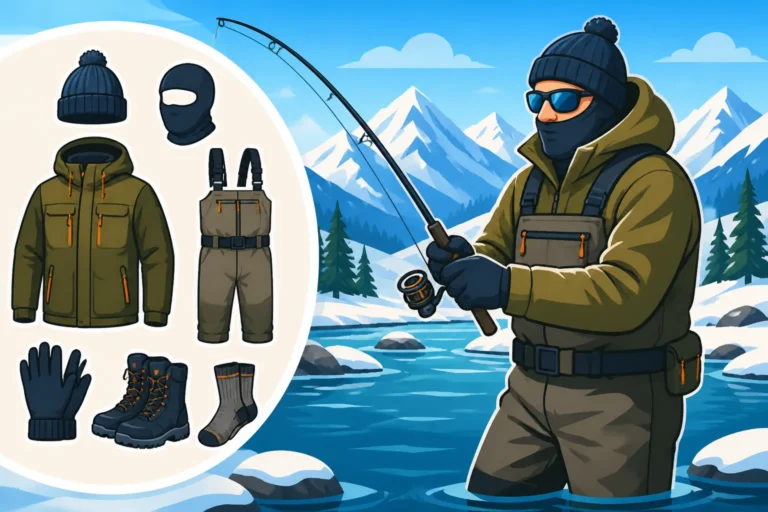
- Be Prepared for Weather: Since falling pressure often means impending bad weather, make sure you have appropriate rain gear and layers. A good waterproof jacket and pants, which you can easily find on Amazon, will keep you comfortable and focused when the elements turn.
During Rising Pressure (Post-Front Transition)
- Patience and Persistence: This can be a tough bite. Fish slowly and methodically, revisiting promising spots.
- Target Cover: Fish will likely still be seeking comfort and security in deeper pockets, under banks, or around boulders.
- Mid-Range Presentations: Don't be afraid to experiment with slightly larger nymphs or smaller streamers, but maintain a slow, natural drift or retrieve. Sometimes a slower, more deliberate approach is needed to coax a bite.
Practical Barometric Pressure Guide
Here’s a quick summary to help you remember how to adjust your fishing strategy based on barometric pressure trends:
| Barometric Pressure Trend | Trout Behavior (General) | Suggested Fishing Strategy | Gear Considerations |
|---|---|---|---|
| High & Stable | Deeper, less active, finicky, wary | Go deep, slow retrieves, subtle presentations, stealth. Focus on precise drifts. | Small flies/lures, fluorocarbon leader, weighted flies/jigs, longer tippets. |
| Falling | Active, aggressive, shallower, less wary | Cover water, faster retrieves, aggressive patterns. Opportunistic fishing. | Larger flies/lures, brighter colors, faster retrieve capability. |
| Rising | Transitioning, often slow, seeking cover | Patience, target structure, sensitive bites, subtle presentations. | Medium-sized flies/lures, slow and deliberate presentations. |
Remember, this is a general guide. Local conditions, species, and specific water bodies will always influence fish behavior. However, by understanding and paying attention to barometric pressure, you add a powerful tool to your angler's toolbox, helping you solve the mystery of those frustrating slow days and capitalize on those epic feeding frenzies out in the beautiful waters of Wyoming.
Disclaimer
This article is for general informational purposes only and does not constitute professional advice. Laws, prices and regulations vary by location and change over time. Consult a qualified professional for guidance on your specific situation.