Best Month to Catch Cutthroat Trout in Wyoming
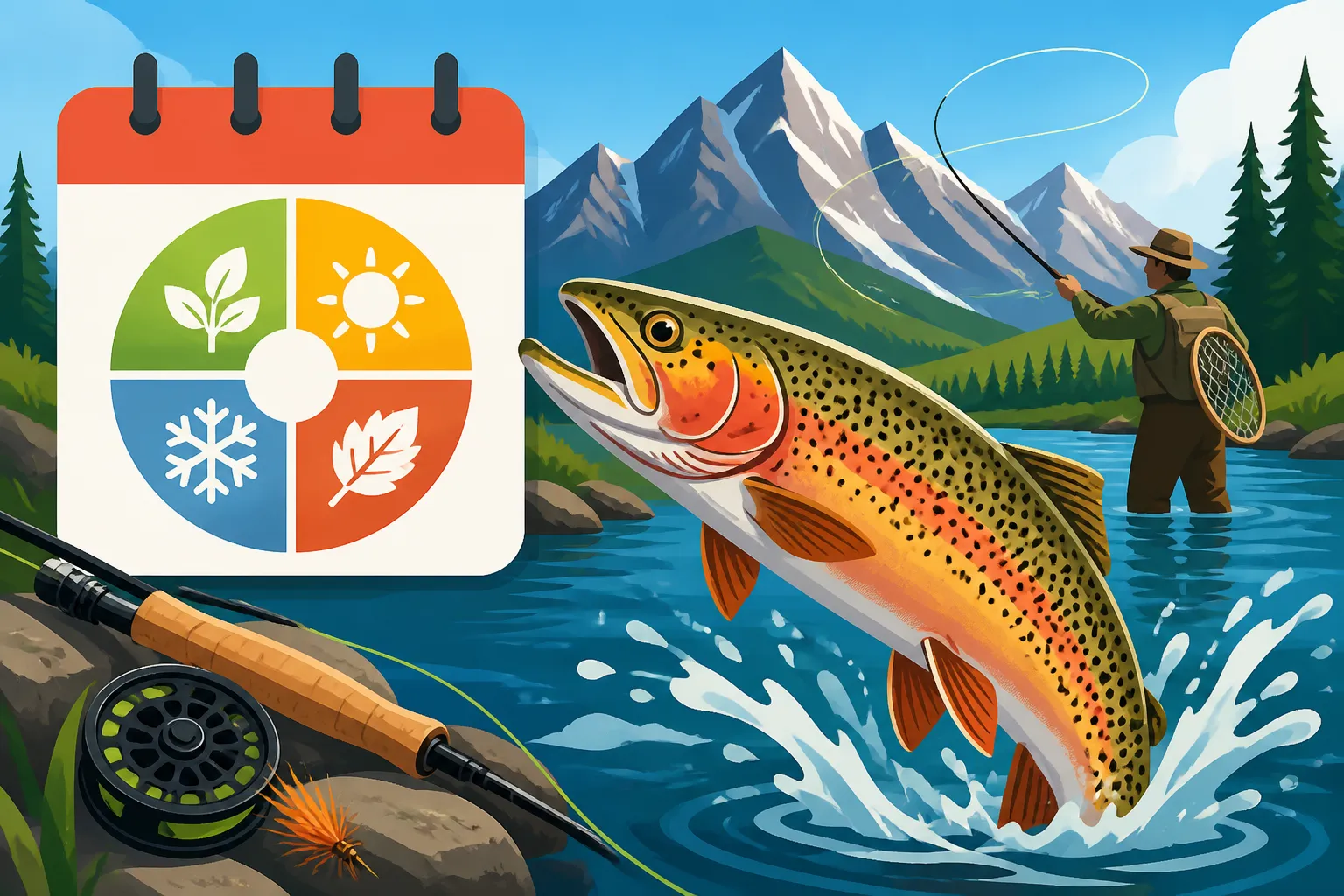
It's a common dilemma for anglers heading to Wyoming: you've heard the legendary tales of abundant cutthroat trout, but figuring out when to actually go to maximize your chances can feel like trying to solve a puzzle. You don't want to show up only to find raging runoff, or worse, waters that are already too warm and fish that are finicky. This guide is here to untangle that knot for you, diving deep into the seasonal rhythms of Wyoming's beloved cutthroat trout and pinpointing the absolute sweet spot for your angling adventure.
Understanding Cutthroat Trout Behavior Throughout the Year
To really nail down the best time to catch cutthroat trout in Wyoming, you've got to think like a fish. Their lives are heavily dictated by water temperature, food availability, and spawning cycles. Understanding these annual rhythms will help you predict their location and feeding habits, making you a much more effective angler.
Spring Awakening and Post-Spawn Feeding
As winter's grip finally loosens its icy hold, usually around late April into May, the first signs of life return to Wyoming's rivers and lakes. Water temperatures begin their slow climb, triggering a lot of activity. For many cutthroat populations, especially those in lower elevation streams, this is when they're gearing up for their spawn. The timing can vary wildly depending on snowpack and elevation – a low-elevation stream might see spawning in May, while a high-alpine lake could be well into July before its ice melts and fish spawn.
During the pre-spawn, fish are often actively feeding to build energy reserves. Once the actual spawn happens, they're typically more focused on reproduction than eating, making them harder to entice. However, the post-spawn period is often fantastic. These fish are tired and hungry, eager to replenish their energy stores. This can be a bit of a gamble, though, because spring in Wyoming is also synonymous with "runoff season." Snowmelt swells rivers and streams, making them high, fast, and often muddy. While there are specific strategies for fishing Wyoming during runoff season, it can be challenging for the uninitiated. Your best bet in spring, especially early spring, is often on larger reservoirs or tailwaters below dams, which tend to have more stable flows and clearer water.
Summer's Peak and High-Country Opportunities
Ah, summer in Wyoming! This is what many anglers dream of, and for good reason. As June transitions into July, the runoff in most major rivers begins to subside, and water levels drop and clear. Water temperatures become ideal, fueling massive insect hatches. Mayflies, caddis, stoneflies – you name it, they're probably on the menu. This consistent food source makes cutthroat incredibly active, often rising eagerly to dry flies.
July and August are prime time for accessing almost all of Wyoming's waters. The high-alpine lakes, which might have been frozen or inaccessible until mid-summer, finally thaw out and become fishable. This opens up incredible opportunities for hikers and backpackers to target native cutthroat species like the Yellowstone Cutthroat Trout in pristine, often unpressured environments. The weather is generally more stable, though afternoon thunderstorms are a common occurrence, which can also trigger great post-storm bites. If you're looking for consistent action and access to a wide variety of waters, summer is undeniably a strong contender. The key during peak summer is often to fish early or late in the day to avoid the warmest water temperatures and brightest sun, especially on lower elevation rivers.
Fall Migration and Pre-Winter Prep
As summer heat gives way to crisp autumn days, usually starting in September and extending through October, another fantastic fishing window opens up. Water temperatures begin to cool, which can re-energize trout that might have been a bit sluggish in the warmer summer months. Many insect hatches, particularly larger ones, continue, and the fish are still feeding aggressively.
For some cutthroat populations, especially those that share waters with other trout species, fall can also signal pre-winter feeding frenzies. And for species that spawn in the fall, like brown trout, the cutthroat can often be found staging or feeding behind them on eggs. While cutthroat are typically spring spawners, the cooling water and increasing urgency to pack on calories make them very catchable. The scenery is also unparalleled, with aspens turning golden and cottonwoods ablaze with color. Crowds generally thin out after Labor Day, offering a more serene experience. However, be prepared for more variable weather; a warm, sunny day can quickly turn into a snowy one, especially at higher elevations. This time of year can be especially rewarding on larger rivers like the Snake River or the North Platte where the fish are aggressively feeding.
So, When's the Absolute Best Month for Cutthroat?
After looking at the whole year, if I had to pick one period, one specific time when the stars align for consistent cutthroat trout fishing across the most diverse range of Wyoming's waters, it would be July and August.
The Golden Window: July and August
Why are July and August the undisputed champions for cutthroat in Wyoming? It boils down to a perfect storm of factors:
- Optimal Water Conditions: By July, most of the spring runoff has dissipated. Rivers and streams are typically running at clearer, more manageable levels, and water temperatures are in that sweet spot that makes trout active and eager to feed. This makes Reading the Water When Trout Fishing much easier.
- Abundant Insect Life: Summer is prime time for insect hatches. You'll encounter a vast array of aquatic insects, from mayflies and caddis to stoneflies and terrestrials like grasshoppers and ants. This means cutthroat are often looking up, making dry fly fishing incredibly exciting. When you have fish keying in on surface bugs, it’s a truly classic western trout experience. You can find excellent fly patterns for Cutthroat Trout on Amazon, like a variety pack of Elk Hair Caddis or Parachute Adams.
- Widespread Access: Crucially, July and August offer the best access to virtually all of Wyoming's incredible fishing spots. This includes the high-elevation mountain lakes and backcountry streams that remain inaccessible until mid-summer due to snow and ice. If your dream is to hike into a remote alpine lake for some solitude and native cutthroat, this is your window. Popular spots like the Wind River Range or areas within Fishing Spots Inside Grand Teton National Park become fully open and accessible.
- Active Feeding: With ample food sources and comfortable water temperatures, cutthroat are typically very active and cooperative. They're trying to pack on weight for the coming winter, making them less finicky than they might be at other times of the year.
Honorable Mentions: Late June and Early September
While July and August are the peak, it's worth giving a nod to the shoulder seasons, which can offer their own unique advantages.
- Late June: This period is often a transition. Depending on the snowpack and specific elevation, some rivers might still be experiencing residual runoff. However, as the waters drop and clear, you often hit the "buggiest" part of the year. The fish haven't seen heavy angling pressure for months, and they are ravenous. You might face slightly cooler, wetter weather than peak summer, but the fishing can be explosive as hatches kick into high gear. It’s also often less crowded than the heart of summer.
- Early September: Similar to late June, early September offers cooler temperatures, stunning fall foliage, and often fewer people on the water after Labor Day. The fish are still very active, feeding heavily as they sense winter approaching. Some of the larger insect hatches might be winding down, but terrestrials are still very much in play, and nymphing can be incredibly effective as fish switch their focus to subsurface food. This is an excellent time to target larger, well-fed cutthroat before they hunker down for winter. Just remember to check the local weather forecast regularly, as conditions can change rapidly.
Tailoring Your Trip: Factors Affecting Cutthroat Success
While July and August offer the best overall chances, successful cutthroat fishing in Wyoming isn't just about picking the right month. You also need to consider several dynamic factors that influence fish behavior daily and regionally.
Water Temperature and Insect Hatches
Water temperature is arguably the most critical factor for trout activity. Cutthroat thrive in cold, oxygen-rich water, generally between 45 and 65 degrees Fahrenheit. When water temperatures are too cold (early spring, winter), their metabolism slows, and they become less active. When temperatures climb too high (mid-day in hot summer, especially in lower elevation rivers), they get stressed, seek refuge in deeper, cooler water, and may stop feeding entirely. This is why How Water Temperature Affects Trout Feeding is so important to understand.
Closely linked to water temperature are insect hatches. Different insects hatch at specific temperature ranges. A big caddis hatch, for instance, might get every trout in a section of river looking up, while a sparse mayfly hatch might only bring up the most opportunistic feeders. Having a good understanding of what bugs are active – either by observing the water or checking with local fly shops – is paramount. Carrying a thermometer to monitor water temps can be a game-changer, helping you decide when and where to focus your efforts. A small, inexpensive one can be found on Amazon.
Elevation and Access to Fishing Spots
Wyoming is a state of vast elevation changes, and this dramatically impacts fishing seasons. A river flowing through the sagebrush plains at 5,000 feet will behave very differently from a high-alpine lake nestled at 10,000 feet in the Wind River Range.
- Lower Elevation Rivers and Reservoirs: These waters typically open up earlier in the spring, shed their ice faster, and see runoff earlier. They also warm up faster in the summer and cool down faster in the fall. Their season is generally longer, but they can experience challenging conditions during peak runoff (May-early June) and potentially stressful warm water during the hottest parts of summer (late July-August afternoons).
- High-Altitude Streams and Lakes: These are the last to thaw out, often remaining ice-bound until late June or even early July. Their fishing season is much shorter but can be incredibly productive and scenic once accessible. The fish in these waters are often very opportunistic, having a limited window to feed. Understanding When Wyoming's High Lakes Become Fishable is key to planning these trips. Access to these areas can also require significant hiking or even pack trips, adding to the adventure.
Weather Patterns and Daily Conditions
Wyoming weather is notoriously unpredictable. A beautiful, sunny morning can turn into a blustery, rainy, or even snowy afternoon, especially in the mountains. These daily weather shifts have a profound impact on fishing.
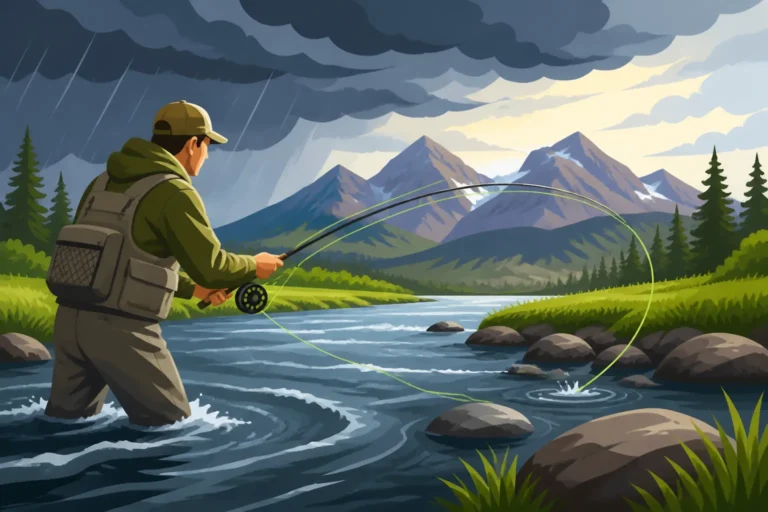
- Cloud Cover and Precipitation: Overcast days or light rain showers often improve fishing, as they reduce light penetration into the water, making fish feel more secure and active. This is especially true for dry fly fishing. Heavy downpours, however, can quickly blow out smaller streams or temporarily muddy larger rivers, making fishing difficult.
- Wind: Wind can be a blessing and a curse. A gentle breeze can ripple the water, making it harder for fish to spot you and your line, and can even blow terrestrials into the water, creating a feeding opportunity. However, strong winds can make casting nearly impossible, especially with light fly tackle, and can create chop on lakes and reservoirs that makes boat handling difficult and sight fishing impossible.
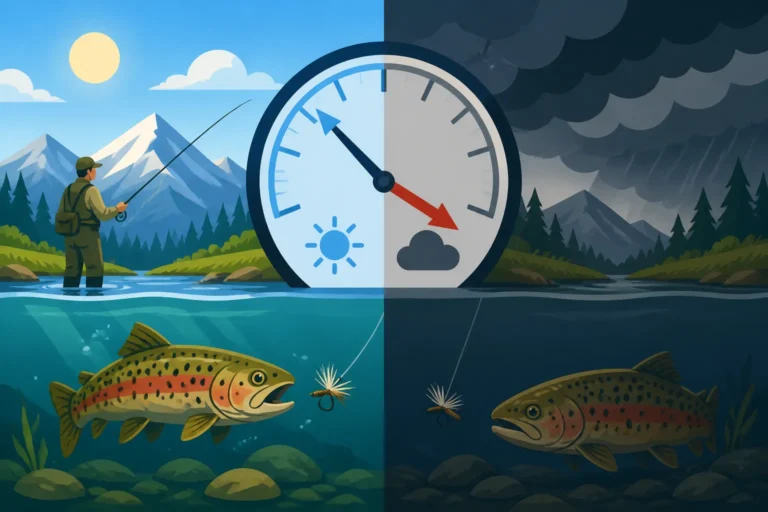
- Barometric Pressure: While less observable than other factors, changes in barometric pressure can influence fish behavior. A falling barometer, often preceding a storm, can sometimes trigger a feeding spree, while a rapidly rising barometer after a front moves through might make fish sluggish.
Essential Gear and Tips for Wyoming Cutthroat
Having the right gear and approach will significantly increase your chances of success, no matter the specific month.
Recommended Tackle and Flies/Lures
For fly fishing, a 5 or 6-weight fly rod is a versatile choice for most Wyoming cutthroat scenarios, from smaller streams to larger rivers. Pair it with a floating fly line and a good quality leader and tippet. A good pair of waders and wading boots is almost always essential for comfortable and safe access to river banks. Consider stocking up on a variety of flies; general attractor patterns like a Parachute Adams, Royal Wulff, Stimulator, or a variety of caddis imitations are good dry fly choices. For subsurface, bead-head nymphs like Pheasant Tails, Hare's Ears, and Prince Nymphs are classics. Streamers like Woolly Buggers (available on Amazon in various colors and sizes) can also be highly effective, especially for larger fish.
If you prefer spin fishing, a light to medium-light spinning rod (6-7 feet) with 4-8 pound test line is ideal. Small spinners (like Mepps Aglias or Panther Martins), spoons (such as Kastmasters), and soft plastics (like Berkley PowerBait Trout Worms or Gulp! Minnows) are proven cutthroat producers. You can find a wide selection of these lures on Amazon, perfect for building out your tackle box. Always check local regulations to ensure your chosen bait or lure is permitted, as some waters have specific restrictions, such as Barbless Hook Requirements on the North Platte River.
Reading the Water and Approaching Fish
Learning to "read the water" is a crucial skill for any trout angler. Look for areas where cutthroat are likely to hold:
- Riffles and Runs: These oxygen-rich areas deliver food. Fish will often sit just out of the main current, waiting for insects to drift by.
- Pools: Deeper, slower-moving pools offer refuge and can hold larger fish. Focus on the head and tail of the pool, as well as any structure.
- Undercut Banks and Structure: Overhanging banks, submerged logs, and large rocks provide cover from predators and current, making them prime holding spots.
- Seams: The boundary where fast water meets slow water is a classic feeding lane.
Approach the water carefully and quietly. Trout are easily spooked by vibrations and shadows. Wear natural colors that blend with your surroundings, and try to cast from a position that minimizes your silhouette against the sky. Making accurate casts upstream and allowing your fly or lure to drift naturally into feeding lanes is often more effective than simply bombing casts across the river.
Catch and Release Best Practices
Many of Wyoming's cutthroat fisheries, particularly the native ones, are managed with an emphasis on conservation. Even if regulations allow harvest, practicing catch and release helps sustain these valuable populations.
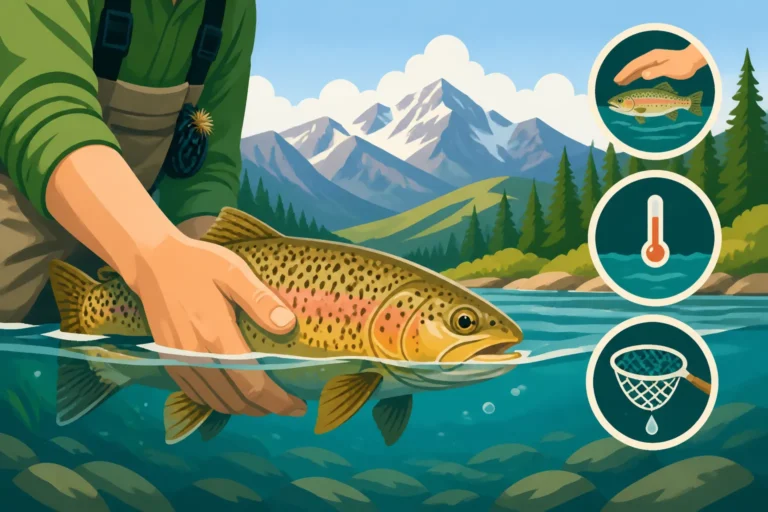
- Handle Fish Gently: Use wet hands to minimize the removal of the fish's protective slime coat. Avoid squeezing or putting fingers in their gills.
- Minimize Out-of-Water Time: Try to keep the fish in the water as much as possible, especially during warmer temperatures. If you want a photo, get your camera ready beforehand and quickly lift the fish for a few seconds.
- Use Barbless Hooks: Crushing the barb on your hooks or using barbless hooks makes removal much easier and reduces harm to the fish.
- Revive If Needed: If a fish seems sluggish before release, hold it gently facing upstream in the current until it can swim away under its own power.
It's also a good idea to refresh your knowledge on Catch-and-Release Rules on Wyoming Waters before heading out.
Here's a quick summary table to help you visualize the best conditions:
| Period | Typical Water Conditions | Best Cutthroat Fishing | Primary Techniques | Access to High Country? | Notes |
|---|---|---|---|---|---|
| Late Spring (May-June) | High, often murky runoff; variable temps | Fair to Good (post-spawn/tailwaters) | Nymphing, Streamers, Spin Fishing (heavier lures) | Limited to None | Challenging due to runoff; target tailwaters or larger reservoirs. |
| Early Summer (Late June) | Runoff subsiding; clearing & warming | Good to Excellent | Nymphing, Dry Flies (first hatches), Spin Fishing | Improving | Transition period, can be excellent with less crowds. |
| Peak Summer (July-August) | Clear, ideal temperatures | Excellent (Prime Time!) | Dry Flies, Nymphing, Terrestrials, Spin Fishing | Full | Most consistent fishing, widespread access, can be crowded in spots. |
| Early Fall (Sept-Oct) | Cooling temps; clear; lower flows | Excellent | Dry Flies (terrestrials), Nymphing, Streamers | Good (prepare for weather) | Stunning scenery, aggressive feeding, fewer crowds. |
| Late Fall/Winter | Cold, ice forming, low flows | Fair (select waters) | Nymphing (deep), Streamers (slow retrieves), Ice Fishing | Limited to None | Primarily tailwaters and ice fishing. |
No matter when you decide to chase cutthroat in Wyoming, remember that preparation and flexibility are your best friends. The Cowboy State offers a lifetime of fishing adventures, and with a little planning, you'll be well on your way to a memorable experience.
Disclaimer
Please remember that fishing regulations, conditions, and fish behavior can change. Always check the current Wyoming Game and Fish Department regulations before you head out, and prioritize safety on and near the water. This guide is for informational purposes only.